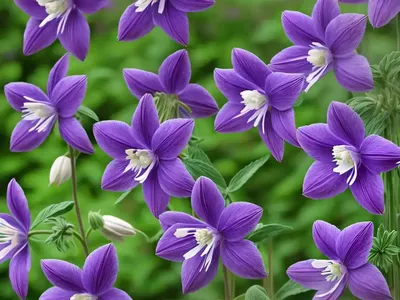
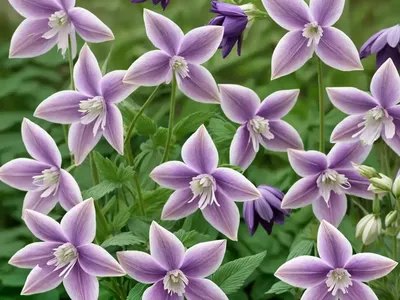
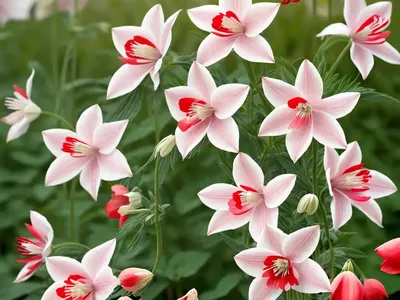
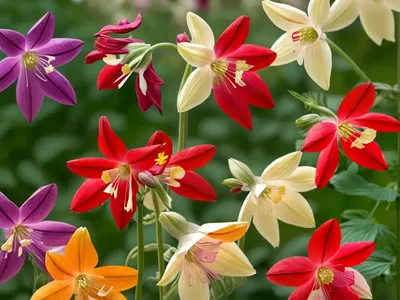
Aquilegia Earlybird Blue White (Columbine)
Aquilegia Earlybird Blue White, commonly known as Columbine, is a stunning perennial plant that belongs to the Ranunculaceae family. This unique and.
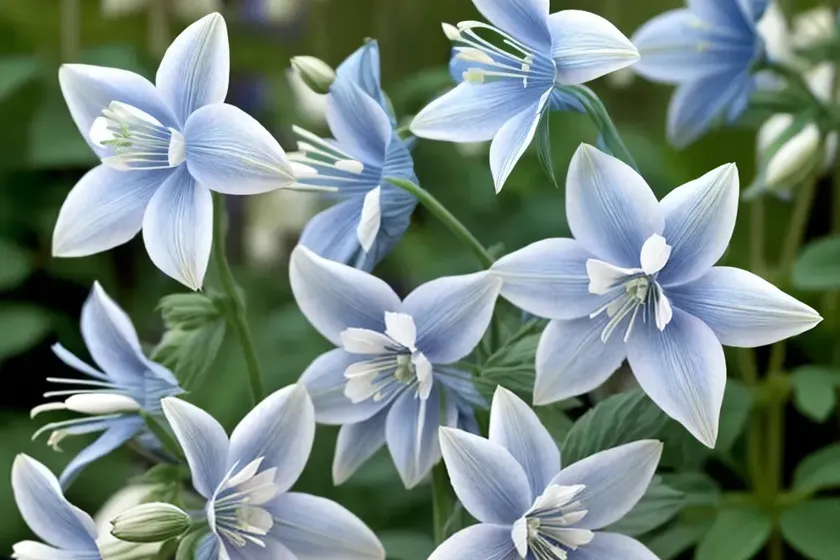
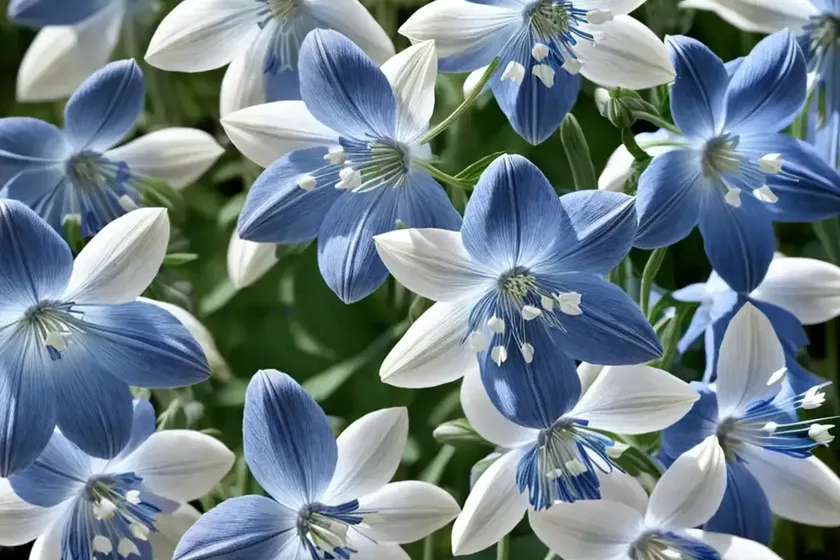
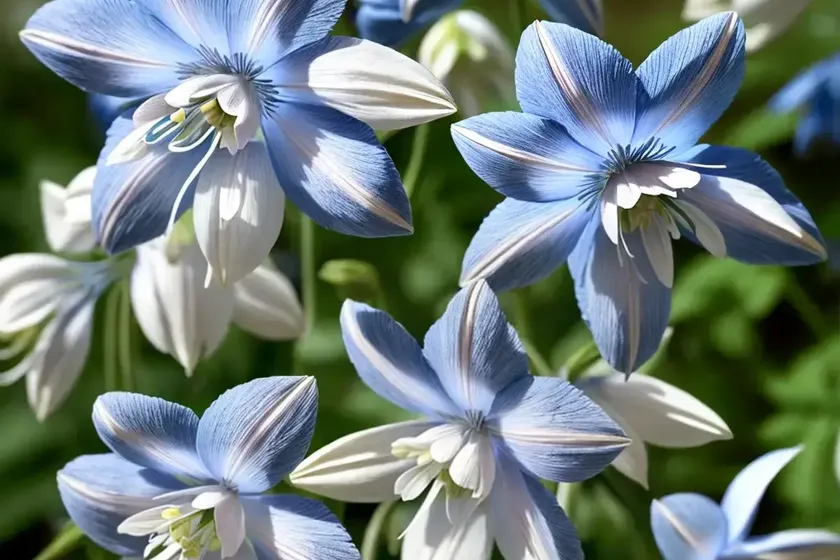
Aquilegia Earlybird Blue White, commonly known as Columbine, is a stunning perennial plant that belongs to the Ranunculaceae family. This unique and beautiful plant has been a favorite among gardeners for its vibrant and delicate flowers. In this comprehensive guide, we will delve into the intricate details of the Aquilegia Earlybird Blue White, including its culture, uses, care requirements, and much more.
Let’s explore the enchanting world of Aquilegia Earlybird Blue White and uncover the secrets of cultivating and enjoying this magnificent plant to its fullest potential.
About the Aquilegia Earlybird Blue White (Columbine)
Aquilegia Earlybird Blue White, also known as the Columbine, is a herbaceous perennial plant native to North America. This striking plant is renowned for its unique, spurred flowers that bloom in an array of captivating colors, including blue and white. The distinctive spurred petals of the Aquilegia make it an extraordinary addition to any garden or landscape.
This delightful plant is characterized by its airy foliage and colorful, delicate blooms, which add a touch of elegance to any garden setting. It typically blooms in late spring to early summer, attracting pollinators such as hummingbirds and butterflies with its nectar-rich flowers.
The Aquilegia Earlybird Blue White is a versatile plant that thrives in various growing conditions, making it an ideal choice for both novice and experienced gardeners. Whether grown in containers, borders, or woodland gardens, this plant adds a delightful charm to any setting.
In the following sections, we will explore the culture, uses, and essential care requirements for cultivating and nurturing the Aquilegia Earlybird Blue White.
Key Takeaways – Aquilegia Earlybird Blue White (Columbine)
Before delving into the detailed aspects of Aquilegia Earlybird Blue White, let’s take a moment to highlight the key takeaways associated with this captivating plant.
Culture
- Aquilegia Earlybird Blue White is a herbaceous perennial plant known for its unique, spurred flowers.
- This plant is native to North America and is a popular choice for garden borders, cottage gardens, and woodland settings.
- It blooms in a variety of colors, including blue and white, and is an attractive addition to any garden or landscape.
Uses
- Aquilegia Earlybird Blue White is commonly used for ornamental purposes, adding vibrant colors and elegance to gardens and landscapes.
- It is a wildlife attractor, often attracting hummingbirds and butterflies with its nectar-rich flowers.
- The plant is suitable for cut flower arrangements and can be used to create stunning floral displays.
Now, let’s delve deeper into the specific care requirements for the Aquilegia Earlybird Blue White, including water, sunlight, fertilizer, soil, pruning, propagation, containers, and its popularity.
Water
Proper watering is essential for the healthy growth and development of Aquilegia Earlybird Blue White plants. Adequate moisture is crucial, especially during the plant’s active growth and blooming periods. Here are some key points to consider when watering this delicate perennial:
-
Regular Watering: The Aquilegia Earlybird Blue White plant prefers consistent moisture during its active growth phase. Ensure that the soil is moist but not waterlogged to promote healthy root development and lush foliage.
-
Avoid Waterlogging: While the plant requires regular watering, it is important to prevent waterlogging, which can lead to root rot and other water-related issues. Proper drainage is essential to maintain optimal soil moisture levels.
-
Mulching: Applying a layer of organic mulch around the base of the plant can help retain soil moisture and reduce water evaporation, especially during hot and dry weather conditions.
-
Drought Tolerance: Although the plant requires regular watering, established Aquilegia Earlybird Blue White plants exhibit good drought tolerance, making them suitable for gardens with varying moisture levels.
-
Watering Frequency: During periods of intense heat or drought, increase the frequency of watering to ensure that the plant receives adequate moisture to sustain its growth and blooming.
Understanding the plant’s water requirements and adjusting your watering schedule accordingly will contribute to the overall health and vigor of the Aquilegia Earlybird Blue White.
Sunlight
The Aquilegia Earlybird Blue White plant thrives in partial to full sunlight, making it an ideal choice for various garden settings. Understanding its sunlight requirements is crucial for ensuring robust growth and prolific blooming. Consider the following guidelines for providing suitable sunlight conditions for the Aquilegia Earlybird Blue White:
-
Partial Sun to Partial Shade: The plant flourishes in partial sun to partial shade, making it adaptable to various light conditions. It can be grown in locations where it receives dappled sunlight or filtered shade throughout the day.
-
Morning Sunlight: Aquilegia Earlybird Blue White plants benefit from receiving morning sunlight, as it helps promote healthy growth while providing protection from the intense midday sun.
-
Afternoon Shade: During the hottest part of the day, providing some shade or protection from direct sunlight can prevent the plant from wilting or experiencing stress due to excessive heat.
-
Sunlight Intensity: In regions with intense sun exposure, providing some afternoon shade for the plant can prevent sunburn on the foliage and flowers, ensuring that the plant remains healthy and vibrant.
Understanding the sunlight requirements of the Aquilegia Earlybird Blue White will enable you to select an optimal planting location and create an environment where the plant can thrive and produce an abundance of beautiful blooms.
Fertilizer
Proper fertilization plays a vital role in supporting the growth and blooming of Aquilegia Earlybird Blue White plants. While these perennials are generally low-maintenance, providing essential nutrients can enhance their overall vigor and floral display. Consider the following recommendations for fertilizing this captivating plant:
-
Balanced Fertilizer: Apply a balanced, all-purpose fertilizer to the soil in early spring, just before the plant enters its active growth phase. A fertilizer with a balanced NPK ratio (nitrogen, phosphorus, potassium) will provide essential nutrients for healthy development.
-
Slow-Release Fertilizer: Consider using a slow-release fertilizer to provide a steady supply of nutrients to the plant over an extended period of time. This can help ensure consistent growth and flowering without the risk of over-fertilization.
-
Organic Fertilizers: Organic fertilizers, such as compost or well-rotted manure, can be incorporated into the soil to provide natural, slow-release nutrients and improve soil structure. These organic amendments also contribute to overall soil health.
-
Avoid Excessive Fertilization: While providing essential nutrients is important, avoid over-fertilizing the Aquilegia Earlybird Blue White, as it can lead to excessive foliage growth at the expense of flowering. Follow the recommended application rates to prevent nutrient imbalances.
-
Topdressing: During the growing season, consider topdressing the soil around the base of the plants with a thin layer of compost to replenish nutrients and maintain soil fertility.
By adopting a balanced fertilization approach, you can promote healthy growth, prolific flowering, and overall vitality in the Aquilegia Earlybird Blue White plants, ensuring that they continue to enchant with their stunning blooms year after year.
Soil
Understanding the soil preferences and requirements of Aquilegia Earlybird Blue White is essential for creating an optimal growing environment for this exceptional perennial plant. The following considerations will help you select and prepare suitable soil conditions for cultivating the Aquilegia:
-
Well-Draining Soil: Aquilegia Earlybird Blue White plants thrive in well-draining soil, as excessive moisture retention can lead to root rot and other issues. Ensure that the soil has good drainage to prevent waterlogging.
-
Moisture Retention: While well-draining soil is essential, it should also have the capacity to retain moisture to sustain the plant during dry periods. Adding organic matter, such as compost or peat moss, can improve soil structure and moisture retention.
-
pH Level: The preferred soil pH for Aquilegia Earlybird Blue White is slightly acidic to neutral (pH 6.0-7.0). Conduct a soil test to determine the pH level and make any necessary adjustments to create an optimal growing environment for the plants.
-
Soil Amendments: Incorporating organic amendments, such as compost, aged manure, or leaf mold, can improve soil fertility, structure, and overall health. These amendments provide essential nutrients and promote beneficial microbial activity in the soil.
-
Soil Texture: A loamy soil with a balanced mixture of sand, silt, and clay is ideal for cultivating Aquilegia Earlybird Blue White. This soil type offers good drainage, moisture retention, and aeration, providing an ideal growing medium for the plants.
Creating suitable soil conditions that meet the specific requirements of the Aquilegia Earlybird Blue White will contribute to the plant’s overall health, resilience, and blooming potential.
Pruning
Proper pruning is essential for maintaining the health, appearance, and longevity of Aquilegia Earlybird Blue White plants. By adopting appropriate pruning techniques, you can promote new growth, remove spent blooms, and prevent the spread of diseases. Consider the following guidelines for pruning this charming perennial:
-
Deadheading: Regular deadheading of faded flowers will encourage the plant to produce new blooms and prolong the flowering period. Remove the spent blooms by snipping the flower stems back to just above a set of healthy leaves.
-
Thinning: Periodic thinning of the foliage can enhance air circulation around the plants, reducing the risk of fungal diseases and promoting overall plant health. Remove any overcrowded or damaged leaves to create a more open and airy growth habit.
-
Rejuvenation: After the blooming period, consider cutting back the entire plant to promote new growth and a fresh flush of foliage. This rejuvenation pruning can help maintain the plant’s vigor and appearance.
-
Stem Removal: In the event of pest or disease infestations, remove affected stems and foliage promptly to prevent the spread of issues to unaffected parts of the plant.
-
Late Season Pruning: In late summer or early fall, consider cutting back the foliage to ground level to prepare the plant for winter dormancy. This will help tidy the garden and prepare the plants for the upcoming growing season.
By incorporating regular pruning practices into your plant care routine, you can maintain the health, aesthetics, and overall vitality of the Aquilegia Earlybird Blue White, ensuring that it continues to dazzle with its exquisite blooms.
Propagation
Propagating Aquilegia Earlybird Blue White plants allows you to expand your garden collection and share the beauty of this exceptional perennial with others. Whether through seeds, division, or other propagation methods, creating new plants from established stock can be a rewarding and fulfilling experience. Consider the following propagation techniques for Aquilegia Earlybird Blue White:
Seed Propagation
-
Seed Collection: Collect mature seeds from the dried seedpods of the Aquilegia plant after the blooming period. Allow the seedpods to fully dry on the plant before harvesting the seeds.
-
Seed Sowing: Sow the collected seeds in a seed-starting mix or prepared garden soil in early spring or late summer. Lightly press the seeds into the soil, as they require light for germination.
-
Germination: Keep the soil consistently moist and provide partial shade for the newly sown seeds. Germination typically occurs within 3-4 weeks, at which point the seedlings can be transplanted to their desired growing locations.
Division Propagation
-
Division Timing: Divide established Aquilegia Earlybird Blue White plants in early spring or early fall, when the plants are not actively blooming.
-
Root Division: Carefully dig up the plant and divide the root clumps into sections, ensuring that each division has healthy roots and several growing points or shoots.
-
Transplanting Divisions: Plant the divided sections in prepared garden soil or containers, ensuring that they receive adequate moisture and partial shade during the initial establishment phase.
By utilizing these propagation methods, you can successfully propagate Aquilegia Earlybird Blue White plants, expanding your garden collection and sharing the beauty of this captivating perennial with others.
Container Popularity
Aquilegia Earlybird Blue White is well suited to container gardening, offering an enchanting and versatile option for adorning patios, balconies, and outdoor living spaces. When grown in containers, the plant’s vibrant blooms and delicate foliage can be enjoyed up close, adding a touch of elegance to any outdoor setting. Consider the following guidelines for growing Aquilegia Earlybird Blue White in containers:
-
Container Selection: Choose a spacious container with adequate drainage holes to ensure proper drainage and prevent waterlogging. Select a container that complements the plant’s growth habit and allows for ample root development.
-
Potting Mix: Use a well-draining, high-quality potting mix that provides good aeration and moisture retention. Consider adding perlite or coarse sand to improve drainage and prevent soil compaction.
-
Watering: Container-grown Aquilegia Earlybird Blue White plants may require more frequent watering, especially during hot or dry periods. Monitor the soil moisture regularly and water as needed to keep the soil consistently moist, but not waterlogged.
-
Sunlight: Position the containers in a location that receives partial sun to partial shade, providing the plants with the optimal light conditions for healthy growth and prolific blooming.
-
Maintenance: Regularly check the containers for proper drainage, monitor soil moisture levels, and remove spent blooms to encourage continuous flowering throughout the growing season.
By growing Aquilegia Earlybird Blue White in containers, you can elevate your outdoor spaces with the beauty of this charming perennial, creating captivating floral displays and adding a touch of enchantment to your surroundings.
Common Diseases
While Aquilegia Earlybird Blue White is generally resilient and low-maintenance, it is susceptible to certain diseases that can impact its health and appearance. Being aware of these common diseases and their prevention measures will help you safeguard the vitality of your Aquilegia plants. Consider the following common diseases associated with the Aquilegia Earlybird Blue White and their management:
Powdery Mildew
-
Symptoms: Powdery mildew presents as a white, powdery coating on the foliage of the plant, often leading to distorted growth and reduced vigor.
-
Prevention: Ensure proper air circulation around the plants by spacing them adequately and thinning the foliage when necessary. Avoid overhead watering to minimize moisture on the foliage, as this can contribute to the development of powdery mildew.
-
Treatment: If powdery mildew is detected, apply a suitable fungicidal spray according to the manufacturer’s instructions to control the spread of the disease. Remove and dispose of heavily infected plant parts to prevent the disease from spreading further.
Leaf Spot
-
Symptoms: Leaf spot appears as dark, concentric lesions on the foliage, often leading to leaf yellowing, wilting, and premature defoliation.
-
Prevention: Avoid overhead watering, as excess moisture on the foliage can create favorable conditions for leaf spot development. Remove and dispose of affected leaves to prevent the disease from spreading.
-
Treatment: Apply a suitable fungicidal spray to affected plants, following the recommended application rates and intervals to control the spread of leaf spot.
Crown Rot
-
Symptoms: Crown rot manifests as rotting or discoloration of the plant’s crown and roots, often leading to wilting, stunted growth, and overall decline in plant health.
-
Prevention: Ensure proper soil drainage to prevent waterlogging and root rot. Avoid overwatering and improve soil structure to promote healthy root development and resilience against crown rot.
-
Treatment: If crown rot is observed, reduce watering frequency and consider transplanting affected plants to well-draining soil. Trim away any affected roots or crowns before replanting in suitable growing conditions.
By vigilantly monitoring your Aquilegia plants for signs of disease and promptly implementing prevention and treatment measures, you can protect the health and vitality of these captivating perennials, ensuring that they continue to thrive and adorn your garden with their stunning blooms.
Disease Diagnosis
Diagnosing diseases in Aquilegia Earlybird Blue White plants requires careful observation and knowledge of common disease symptoms. By closely inspecting the plants and identifying any unusual signs, you can effectively diagnose and address potential disease issues. Consider the following steps for diagnosing diseases in Aquilegia Earlybird Blue White:
-
Visual Inspection: Regularly examine the foliage, stems, and blooms for any abnormalities, such as discoloration, lesions, or unusual growth patterns.
-
Symptom Identification: Learn to recognize common disease symptoms, such as powdery mildew, leaf spot, and crown rot, to accurately diagnose potential disease issues.
-
Consultation: Consult with local gardening experts, horticulturists, or plant healthcare professionals to seek guidance in diagnosing and managing plant diseases.
-
Laboratory Testing: If necessary, submit plant samples to a plant diagnostic laboratory for analysis and identification of specific diseases, pests, or pathogens.
-
Prompt Action: Upon confirming the presence of a disease, implement appropriate treatment measures to prevent the spread of the issue and restore the plant’s health.
By actively monitoring your Aquilegia Earlybird Blue White plants and staying vigilant for potential disease symptoms, you can diagnose and address issues in a timely manner, ensuring the continued well-being of the plants in your garden.
Common Pests
While Aquilegia Earlybird Blue White is generally resistant to pest infestations, certain common pests may pose a threat to the health and vigor of these exquisite perennials. Understanding the signs of pest activity and implementing effective pest management measures is essential for protecting the plants from potential damage. Consider the following common pests associated with the Aquilegia Earlybird Blue White and their management:
Aphids
-
Identification: Aphids are small, soft-bodied insects that cluster on the new growth, stems, and undersides of leaves. They may appear in various colors, including green, black, or white.
-
Damage: Aphids feed on plant sap, leading to distorted growth, yellowing leaves, and the presence of sticky honeydew on the foliage. They can also transmit plant viruses in severe infestations.
-
Control: Use a strong stream of water to dislodge aphids from the plants, or apply insecticidal soap or neem oil to effectively manage infestations. Beneficial insects, such as ladybugs and lacewings, can also help control aphid populations.
Spider Mites
-
Identification: Spider mites are tiny arachnids that feed on the undersides of leaves, causing stippling, webbing, and overall decline in plant health.
-
Damage: Spider mites pierce plant cells to extract sap, leading to the development of stippled or speckled foliage, webbing on the leaves, and reduced photosynthetic capacity.
-
Control: Regularly hose down the plants to reduce mite populations, and consider applying horticultural oil to suffocate and control the pests. Introducing predatory mites can also help manage spider mite infestations.
Slugs and Snails
-
Identification: Slugs and snails are mollusks that feed on the foliage and flowers of the Aquilegia plants, leaving behind irregular holes and damage on the leaves.
-
Damage: Slugs and snails are primarily active during the night and can cause significant damage to the plants by consuming large portions of foliage and tender growth.
-
Control: Employ physical barriers, such as copper tape or diatomaceous earth, to deter slugs and snails from reaching the plants. Handpicking the pests during the evening hours can also help reduce their populations.
By staying