Aquilegia Earlybird Purple Blue (Columbine)
What is Aquilegia Earlybird Purple Blue? Aquilegia Earlybird Purple Blue , also known as Columbine, is a delightful perennial plant that belongs to the.
What is Aquilegia Earlybird Purple Blue?
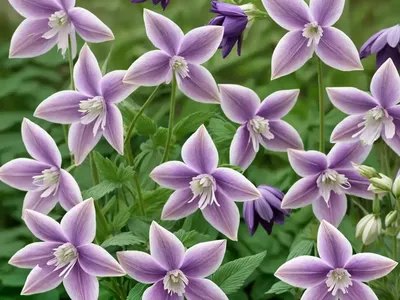
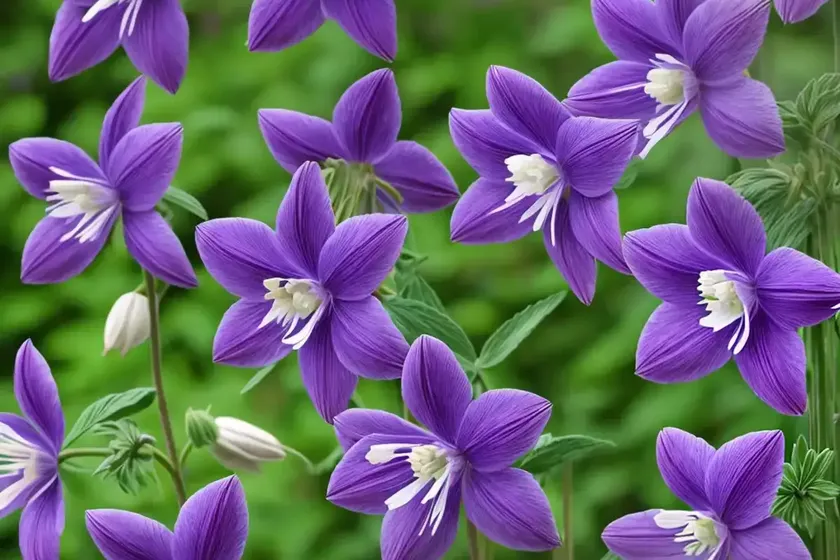
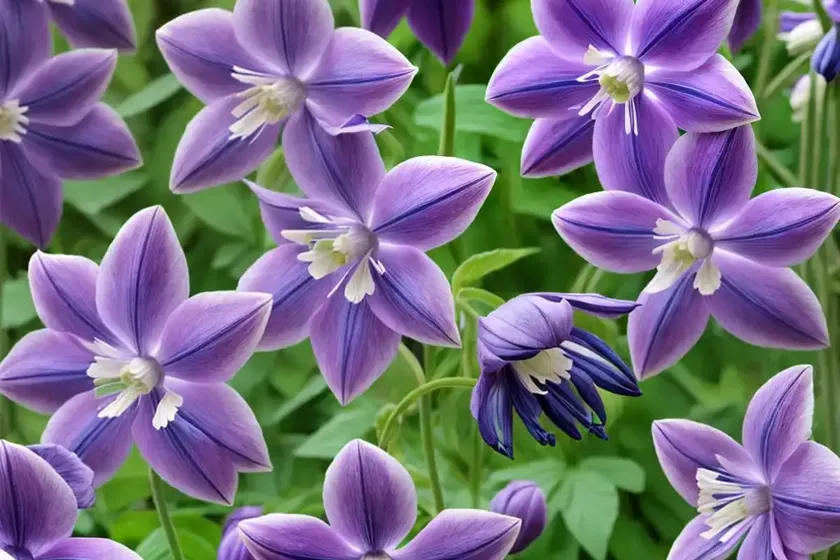
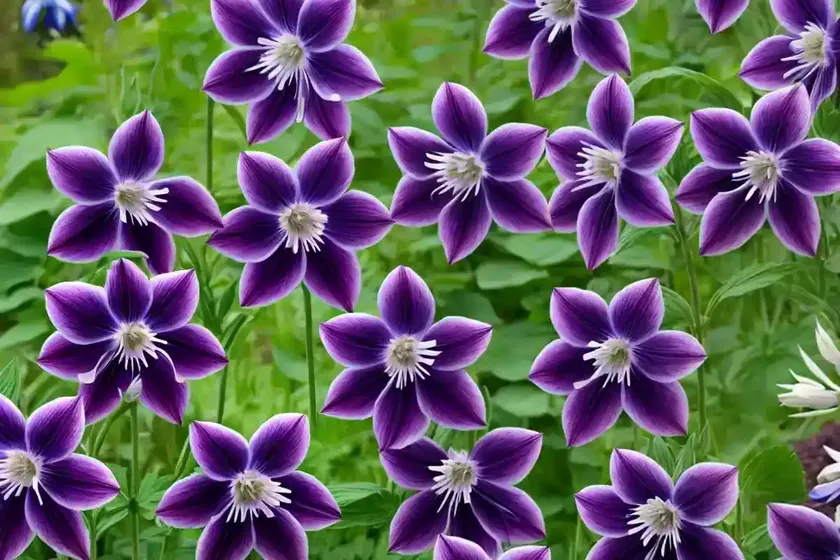
Aquilegia Earlybird Purple Blue, also known as Columbine, is a delightful perennial plant that belongs to the Ranunculaceae family. The plant is native to North America, Europe, and Asia, and is cherished for its unique, spurred flowers that resemble a cluster of doves. With its distinct 5-petaled flowers and attractive foliage, Aquilegia Earlybird Purple Blue has become a favorite among gardeners, landscape designers, and botanists alike.
Classification
- Kingdom: Plantae
- Order: Ranunculales
- Family: Ranunculaceae
- Genus: Aquilegia
- Species: Aquilegia x hybrida
Key Takeaways – Aquilegia Earlybird Purple Blue
Before delving into the specific characteristics, care requirements, and uses of Aquilegia Earlybird Purple Blue, let’s highlight the key takeaways for this stunning plant:
- Scientific Name: Aquilegia Earlybird Purple Blue
- Common Name: Columbine
- Plant Type: Perennial
- Hardiness Zones: 3-9
- Sunlight: Full sun to partial shade
- Watering: Moderate
- Soil Type: Well-drained, fertile
- Height: Up to 18-24 inches
- Spread: 12-18 inches
- Bloom Time: Late spring to early summer
- USDA Growing Zones: 3-9
Now that we have a glimpse of the essential details, let’s explore the various aspects of caring for and utilizing Aquilegia Earlybird Purple Blue in gardens, landscapes, and beyond.
Culture
Uses
Aquilegia Earlybird Purple Blue holds a special place in horticulture and landscaping due to its versatile uses. It is commonly employed for:
- Garden Ornament: The exquisite flowers of Aquilegia Earlybird Purple Blue make it an ideal choice for adding color and charm to gardens, borders, and containers.
- Pollinator Garden: The nectar-rich flowers attract pollinators such as bees, butterflies, and hummingbirds, contributing to the biodiversity of a garden or landscape.
- Cut Flower: The elegant and long-lasting blooms of Aquilegia Earlybird Purple Blue are often utilized in floral arrangements, adding a touch of grace and elegance to indoor spaces.
Water
Water is a critical factor in maintaining the health and vigor of Aquilegia Earlybird Purple Blue. Understanding the plant’s water needs is essential for promoting robust growth and prolific blooming.
Watering Guidelines
- Frequency: Water Aquilegia Earlybird Purple Blue regularly, ensuring that the soil is consistently moist but not waterlogged.
- Deep Watering: When watering, aim to moisten the soil to a depth of at least 6-8 inches to encourage the development of a robust root system.
- Seasonal Variations: Adjust the watering frequency during periods of high heat or prolonged dry spells to prevent the soil from drying out excessively.
Sunlight
The sun requirements of Aquilegia Earlybird Purple Blue play a pivotal role in its overall health, flowering performance, and vigor. Understanding the plant’s sunlight needs is crucial for creating an optimal growing environment.
Sunlight Requirements
- Ideal Conditions: Aquilegia Earlybird Purple Blue thrives in areas with dappled or partial shade, especially in regions with intense summer heat.
- Morning Sun: Providing the plant with morning sunlight and afternoon shade can promote healthy growth and enhance flower production.
- Adaptability: While the plant prefers partial shade, it can tolerate full sun in cooler climates or when provided with adequate moisture.
Fertilizer
Fertilization is a fundamental aspect of plant care, and providing the right nutrients can significantly impact the growth, flowering, and overall vitality of Aquilegia Earlybird Purple Blue.
Fertilizing Strategies
- Timing: Apply a balanced, all-purpose fertilizer in early spring, just before new growth emerges, to provide a nutrient boost for the upcoming growing season.
- Moderation: Avoid excessive fertilization, as Aquilegia Earlybird Purple Blue is relatively low-maintenance and may not require frequent or heavy feeding.
- Organic Options: Consider using organic fertilizers such as compost or well-rotted manure to nourish the soil and promote long-term soil health.
Soil
The soil composition and quality profoundly influence the growth, development, and resilience of Aquilegia Earlybird Purple Blue. Understanding the plant’s soil preferences is crucial for establishing an optimal growing environment.
Soil Requirements
- Well-Drained Soil: Aquilegia Earlybird Purple Blue thrives in well-drained, fertile soil with a slightly acidic to neutral pH range (pH 6.0-7.0).
- Organic Matter: Incorporating organic matter such as compost or leaf mold can enhance soil structure and fertility, providing an ideal substrate for the plant’s roots.
- Mulching: Apply a layer of organic mulch, such as shredded bark or straw, around the base of the plant to conserve moisture and regulate soil temperature.
Pruning
Pruning is an essential practice for maintaining the health, appearance, and longevity of Aquilegia Earlybird Purple Blue. Proper pruning techniques can help manage the plant’s growth and enhance its ornamental value.
Pruning Guidelines
- Deadheading: Remove spent flowers regularly to prolong the blooming period and prevent self-seeding, especially in garden settings.
- Thinning: If necessary, thin out crowded or weak stems to improve air circulation and promote the development of robust, healthy growth.
- Winter Cleanup: Trim back the foliage to ground level after the first frost to tidy up the garden and prepare the plant for the dormant season.
Propagation
Propagation methods such as seed sowing and division offer opportunities to expand the presence of Aquilegia Earlybird Purple Blue in gardens, landscapes, and natural habitats.
Propagation Techniques
- Seed Sowing: Collect mature seeds in late summer and sow them in prepared seed beds or containers. Provide consistent moisture and moderate temperatures for successful germination.
- Division: Divide mature clumps of Aquilegia Earlybird Purple Blue in early spring to create new plants. Ensure that each division contains healthy roots and shoots for optimal establishment.
Container Popularity
Aquilegia Earlybird Purple Blue is a popular choice for container gardening due to its compact size, attractive flowers, and adaptability to various growing environments.
Container Gardening Tips
- Container Selection: Choose spacious, well-draining containers to accommodate the plant’s root system and promote healthy growth.
- Soil Mix: Use a high-quality, well-drained potting mix enriched with organic matter to provide essential nutrients and optimal growing conditions.
- Watering Care: Monitor soil moisture carefully and water the plant as needed to prevent the soil from drying out completely.
Common Diseases
Despite its resilience, Aquilegia Earlybird Purple Blue is susceptible to certain diseases and pests that can impact its health and appearance. Being aware of common diseases and their management is crucial for safeguarding the plant.
Disease Diagnosis
Powdery Mildew
- Symptoms: White or gray powdery patches on foliage, distorted growth, and reduced vigor.
- Management: Improve air circulation, avoid overhead watering, and apply fungicidal sprays if necessary. Remove and destroy heavily infected plant parts.
Leaf Spot
- Symptoms: Circular, dark spots on leaves, often surrounded by yellow halos, leading to leaf discoloration and defoliation.
- Management: Remove and destroy affected foliage, maintain proper sanitation, and apply preventive fungicidal treatments.
Crown Rot
- Symptoms: Soft, discolored areas at the base of the plant, accompanied by wilting, stunted growth, and eventual collapse.
- Management: Provide well-drained soil, avoid overwatering, and apply appropriate fungicidal treatments to prevent the spread of the disease.
Common Pests
Aphids
- Identification: Small, soft-bodied insects clustering on young shoots and foliage, often accompanied by sticky honeydew and sooty mold.
- Management: Use insecticidal soaps or horticultural oils to control aphid populations. Encourage natural predators such as ladybugs and lacewings.
Spider Mites
- Identification: Tiny, web-spinning pests that cause stippled or yellowed foliage and weaken the plant’s overall vigor.
- Management: Boost humidity levels, apply miticides if necessary, and regularly rinse the foliage to dislodge and remove mites.
Slugs and Snails
- Identification: Slimy pests that feed on foliage, leaving irregular holes and damage on leaves.
- Management: Implement cultural controls such as handpicking, use barriers, and apply iron phosphate-based baits as an effective slug and snail management strategy.
Botanist’s Tips
As a plant scientist with a deep appreciation for the beauty and resilience of Aquilegia Earlybird Purple Blue, I would like to offer a few expert tips for growing and enjoying this charismatic plant:
- Companion Planting: Pair Aquilegia Earlybird Purple Blue with early-blooming bulbs such as daffodils and tulips to create captivating spring displays and provide supportive habitats for pollinators.
- Seasonal Care: In hot climates, provide afternoon shade and ample moisture to prevent stress and ensure vibrant, healthy growth during the peak of summer.
- Wildlife Attraction: Embrace the plant’s role as a wildlife-friendly addition to your garden by creating pollinator-friendly habitats and fostering biodiversity through thoughtful plant selection.
As you delve into the world of Aquilegia Earlybird Purple Blue, remember to appreciate its unique charm, support its growth with thoughtful care, and share its beauty with others who seek to cultivate alluring, nature-inspired landscapes.
Fun Facts
Let’s explore some intriguing and delightful facts about Aquilegia Earlybird Purple Blue that highlight its distinctive features and enduring appeal:
- The genus name “Aquilegia” is derived from the Latin word “aquila,” which means “eagle,” referencing the spurred petals that resemble an eagle’s talons.
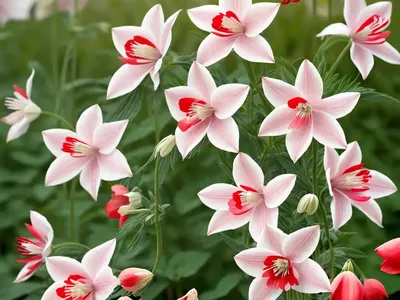
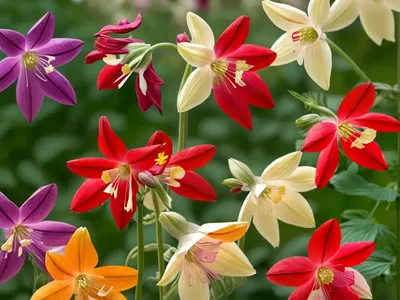
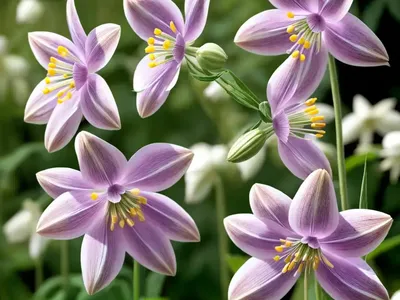
- Aquilegia Earlybird Purple Blue exhibits impressive color variations, with blooms ranging from deep purples and blues to soft pinks and whites, adding diversity to garden and landscape palettes.
- In folklore, columbine flowers were associated with love and fidelity, and their unique appearance inspired various myths and legends across different cultures.
These captivating facts offer a glimpse into the rich history and enchanting allure of Aquilegia Earlybird Purple Blue, further enhancing its significance in horticulture and botanical traditions.
Links to External Resources
To further expand your knowledge and appreciation for Aquilegia Earlybird Purple Blue, explore the following external resources:
- Aquilegia: A Comprehensive Guide
- Understanding Powdery Mildew in Plants
- Managing Common Garden Pests
- Perennial Plant Association (PPA): Plant Care Resources
These invaluable resources offer a wealth of information, insights, and practical guidance for enriching your experience with Aquilegia Earlybird Purple Blue and cultivating thriving, vibrant gardens and landscapes.
As we conclude our exploration of Aquilegia Earlybird Purple Blue, I hope this comprehensive guide has provided you with a deeper understanding of the plant’s remarkable attributes and the essential strategies for nurturing its beauty in various settings. Whether you are a dedicated gardener, landscaping enthusiast, or plant lover, may the allure of Aquilegia Earlybird Purple Blue continue to inspire and enrich your botanical journey. Happy gardening!
Note: The content provided in this blog post serves as an informative guide and does not substitute professional horticultural advice or plant-specific recommendations. Always consult local gardening experts and resources for tailored guidance based on your unique growing conditions and plant care requirements.