Aquilegia Chrysantha ‘Yellow Queen’ (Golden Columbine)
Plants play a significant role in the world we live in. They provide us with oxygen, food, medicine, and contribute to the beauty of our surroundings. One.
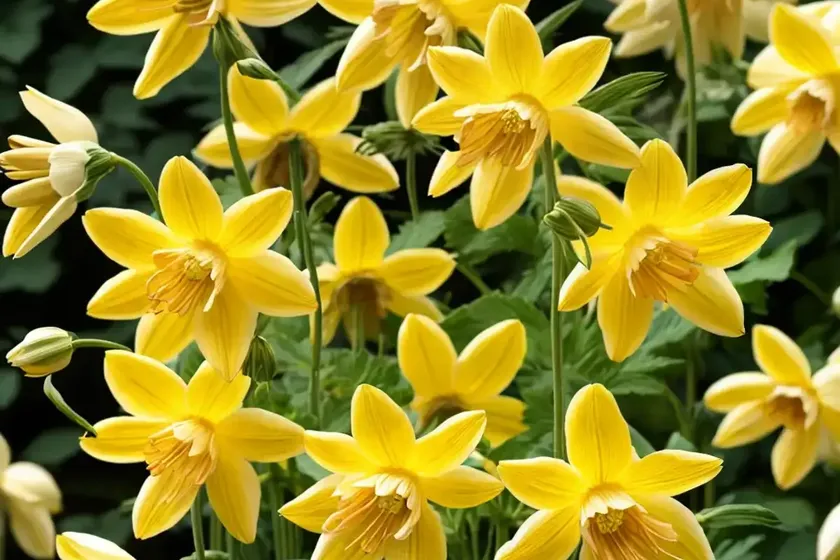
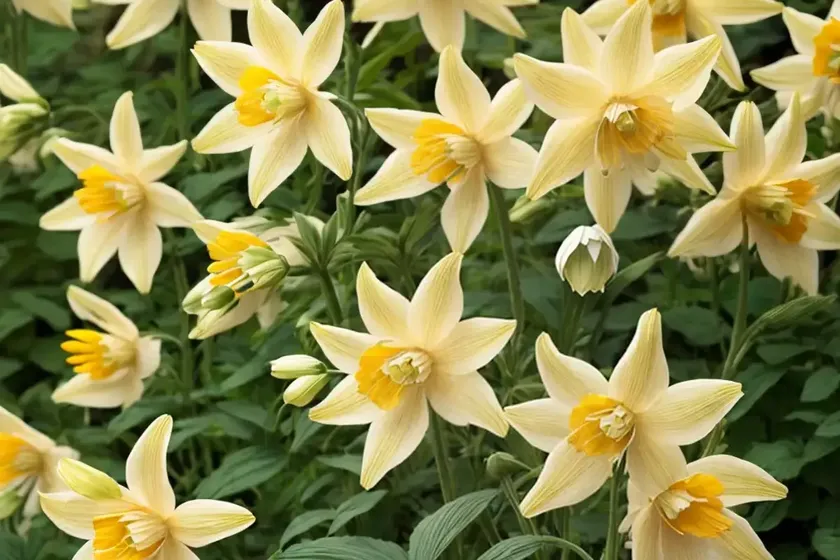
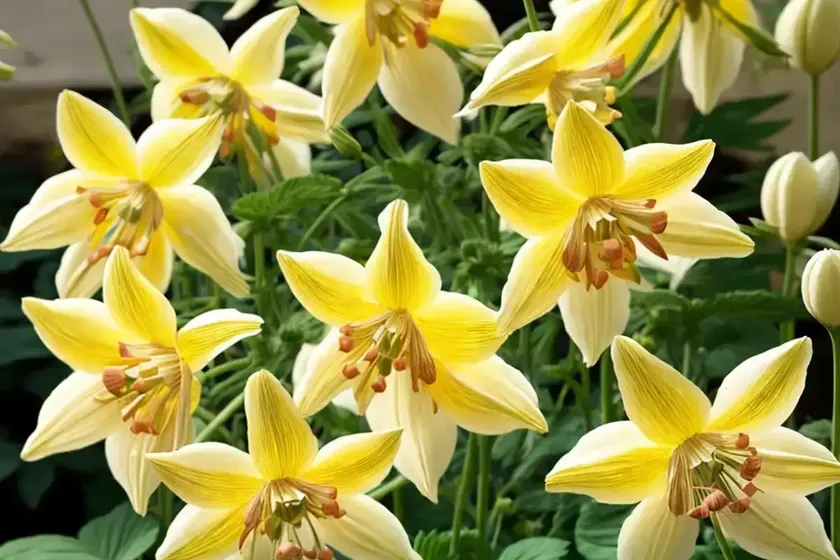
Plants play a significant role in the world we live in. They provide us with oxygen, food, medicine, and contribute to the beauty of our surroundings. One such remarkable plant is the Aquilegia chrysantha ‘Yellow Queen,’ more commonly known as the Golden Columbine. In this comprehensive guide, we will explore the various aspects of this exquisite plant, including its culture, uses, care requirements, and much more.
What is Aquilegia chrysantha ‘Yellow Queen’ (Golden Columbine)?
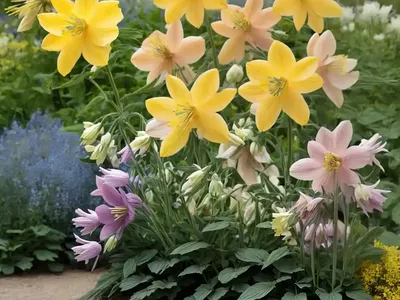
Aquilegia chrysantha ‘Yellow Queen’ is a stunning perennial plant that belongs to the Ranunculaceae family. This plant is highly valued for its ornamental qualities, featuring vibrant yellow flowers with long, backward-reaching spurs—a characteristic unique to the Aquilegia genus. The Golden Columbine is native to the southwestern United States and northern Mexico, where it thrives in diverse habitats ranging from mountain slopes to woodland edges.
Key Takeaways – Aquilegia chrysantha ‘Yellow Queen’ (Golden Columbine)
Before diving deeper into the specifics of this plant, let’s outline the key takeaways that we will explore in this guide:
- Culture
- Uses
- Water
- Sunlight
- Fertilizer
- Soil
- Pruning
- Propagation
- Container Popularity
- Container Common Diseases
- Disease Diagnosis
- Common Pests
- Botanist’s Tips
- Fun Facts
- Links to External Resources
Culture of Aquilegia chrysantha ‘Yellow Queen’
Understanding the ideal growing conditions for Aquilegia chrysantha ‘Yellow Queen’ is crucial for its successful cultivation. Let’s delve into the cultural requirements of this captivating plant.
Water
Golden Columbines prefer consistently moist but well-draining soil. Regular watering is essential, particularly during periods of drought, to ensure the plant’s vigor and prolific blooming. Avoid overwatering to prevent waterlogging, which can lead to root rot and other issues.
Sunlight
When it comes to sunlight, Aquilegia chrysantha ‘Yellow Queen’ thrives in partial shade to full sun. In regions with hot summers, providing some shade during the hottest part of the day can help protect the plant from excessive heat and prevent the petals from fading quickly.
Fertilizer
Applying a balanced, all-purpose fertilizer once in early spring can support the Golden Columbine’s growth and flowering. Incorporate the fertilizer into the soil around the base of the plant, being careful not to allow the fertilizer to come into direct contact with the stems and foliage, as this can cause damage.
Soil
This plant prefers well-draining, fertile soil with a slightly acidic to neutral pH. Amending the soil with organic matter, such as compost, can improve its texture and fertility, providing an optimal growing environment for Aquilegia chrysantha ‘Yellow Queen.’
Pruning
Pruning is beneficial for maintaining the health and appearance of Golden Columbines. Deadheading spent flowers not only prolongs the blooming period but also prevents self-seeding, which can result in excessive spreading and potential hybridization in some cases.
Uses of Aquilegia chrysantha ‘Yellow Queen’
Beyond its aesthetic appeal, the Golden Columbine has several practical and ornamental uses.
- Garden Ornament: With its striking yellow blooms and delicate foliage, Aquilegia chrysantha ‘Yellow Queen’ serves as a charming addition to garden borders, rock gardens, and woodland settings.
- Pollinator Attraction: The fragrant flowers of this plant attract a variety of pollinators, including bees, butterflies, and hummingbirds, contributing to the overall biodiversity of a garden or landscape.
- Cut Flower: The long-lasting cut flowers of Golden Columbines are perfect for creating enchanting floral arrangements, bringing the beauty of the outdoors into indoor spaces.
- Medicinal Purposes: While not as commonly utilized as other medicinal plants, some species within the Aquilegia genus have been used in traditional medicine for their potential healing properties.
Propagation of Aquilegia chrysantha ‘Yellow Queen’
There are several methods for propagating Aquilegia chrysantha ‘Yellow Queen,’ each with its own advantages and considerations.
- Seed Propagation: Growing Golden Columbines from seeds is a straightforward and cost-effective method. Collect seeds from mature plants and sow them in well-prepared soil in the desired location. Keep the soil consistently moist until the seeds germinate and establish themselves.
- Division: Mature clumps of Aquilegia chrysantha ‘Yellow Queen’ can be divided in early spring or fall, allowing the gardener to create new plants from established ones while rejuvenating the original plant.
Container Popularity
Aquilegia chrysantha ‘Yellow Queen’ is well-suited to container cultivation, presenting an excellent option for those with limited gardening space or for individuals looking to showcase this plant on patios, balconies, or other outdoor areas.
- Container Size: Select a container that provides ample room for the plant’s root system to develop. A container with a depth of at least 12 inches and a diameter of 14 inches is generally suitable for accommodating the plant’s growth.
- Drainage: Ensure that the container has adequate drainage holes to prevent waterlogging, which can lead to root rot and other issues.
- Potting Mix: Use a high-quality, well-draining potting mix to support the growth of Aquilegia chrysantha ‘Yellow Queen’ in a container environment.
- Positioning: Place the container in a location that receives the appropriate amount of sunlight for the plant, ensuring that it is well-ventilated and not subjected to extreme temperature fluctuations.
Common Diseases of Aquilegia chrysantha ‘Yellow Queen’
Like all plants, Golden Columbines are susceptible to certain diseases. Understanding these potential issues and their respective preventive measures is essential for maintaining the plant’s health.
Disease Diagnosis
Identifying diseases in Aquilegia chrysantha ‘Yellow Queen’ is crucial for implementing timely and effective control measures. Common diseases that may affect this plant include:
- Powdery Mildew: A fungal disease that manifests as a white powdery coating on the leaves, stems, and flowers. It thrives in humid conditions and can be treated with fungicidal sprays and cultural practices that promote air circulation.
- Leaf Spot: This disease presents as dark, water-soaked spots on the foliage. Removing and disposing of affected plant material and improving air circulation can help manage leaf spot.
Disease Prevention
Preventing diseases is often more effective than treating them after they have taken hold. Here are some strategies for preventing common diseases in Aquilegia chrysantha ‘Yellow Queen’:
- Cultural Practices: Maintain proper spacing between plants to facilitate air circulation, and avoid overhead watering to reduce humidity around the foliage.
- Sanitation: Regularly remove fallen leaves and other plant debris to prevent the buildup of disease-causing pathogens.
- Fungicidal Treatments: When necessary, apply fungicidal treatments according to the manufacturer’s instructions to control and prevent fungal diseases.
Common Pests of Aquilegia chrysantha ‘Yellow Queen’
In addition to diseases, Golden Columbines are also susceptible to pest infestations, which can damage the plant and detract from its visual appeal.
Pest Control
Implementing pest control measures, both proactive and reactive, is essential for safeguarding the health and vitality of Aquilegia chrysantha ‘Yellow Queen.’ Common pests that may affect this plant include:
- Aphids: These small, soft-bodied insects feed on the sap of the plant, causing leaf distortion and the secretion of sticky honeydew. Prune off heavily infested plant parts and use insecticidal soaps to control aphid populations.
- Columbine Sawfly: The larvae of the Columbine sawfly feed on the leaves of Aquilegia chrysantha ‘Yellow Queen,’ resulting in a skeletonized appearance. Handpicking the larvae and applying insecticidal treatments can help manage this pest.
Integrated Pest Management
Employing an integrated pest management (IPM) approach is beneficial for maintaining a healthy balance between pest populations and beneficial organisms in the garden. IPM may include the following components:
- Biological Control: Introducing natural predators, such as ladybugs and lacewings, can help keep pest populations in check without the use of chemical interventions.
- Cultural Practices: Regularly inspecting plants for signs of pest activity and promptly addressing any issues can help prevent small pest populations from becoming widespread infestations.
Botanist’s Tips for Aquilegia chrysantha ‘Yellow Queen’
To ensure the optimal growth and vitality of Aquilegia chrysantha ‘Yellow Queen,’ consider the following botanist’s tips:
- Mulching: Apply a layer of organic mulch around the base of the plant to conserve soil moisture, suppress weed growth, and moderate soil temperature.
- Companion Planting: Pair Golden Columbines with compatible companion plants, such as astilbe, hosta, and tiarella, to create visually appealing and ecologically functional garden spaces.
Fun Facts about Aquilegia chrysantha ‘Yellow Queen’
- The specific epithet “chrysantha” in the plant’s scientific name is derived from the Greek words “chrysos” (golden) and “anthos” (flower), directly referencing the plant’s stunning golden blooms.
- Golden Columbines are known for their intricate, spurred flowers, which bear a resemblance to a circle of doves when viewed from certain angles, giving rise to another common name, “Granny’s Bonnet.”
Links to External Resources
For further exploration of Aquilegia chrysantha ‘Yellow Queen’ and related topics, consider the following external resources:
- Royal Horticultural Society – Aquilegia chrysantha ‘Yellow Queen’
- University of Illinois Extension – Growing Columbines
- American Society for the Prevention of Cruelty to Plants – Aquilegia chrysantha Care Guide
Aquilegia chrysantha ‘Yellow Queen’ (Golden Columbine) is a captivating plant that delights gardeners and nature enthusiasts with its enchanting flowers and ornate foliage. By understanding the cultural requirements, uses, care techniques, and potential issues associated with this plant, individuals can cultivate and enjoy its beauty while contributing to the ecological richness of their surroundings. Whether grown in garden beds or containers, this perennial plant offers a wealth of benefits and visual appeal, making it a valuable addition to diverse landscapes and garden settings.