Aquilegia Canadensis ‘Little Lanterns’ (Canadian Columbine)
Aquilegia canadensis ‘Little Lanterns’, commonly known as Canadian Columbine, is a delightful perennial plant that belongs to the Ranunculaceae family..
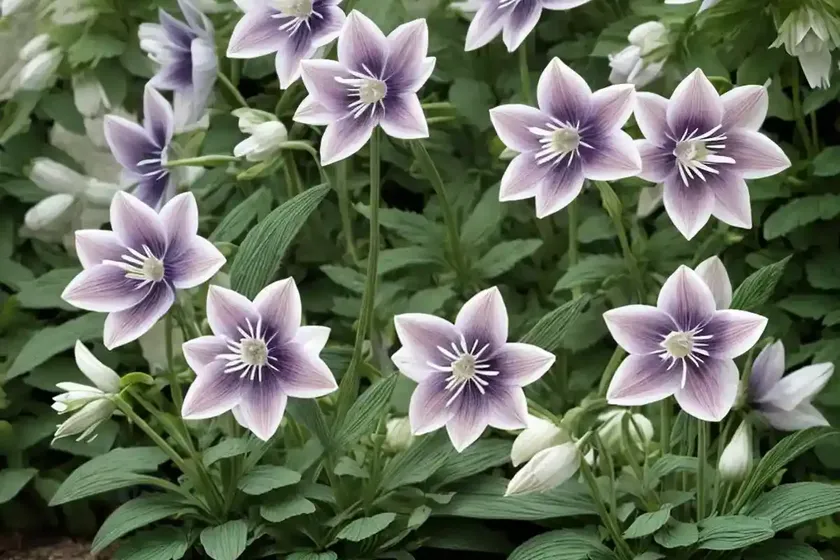
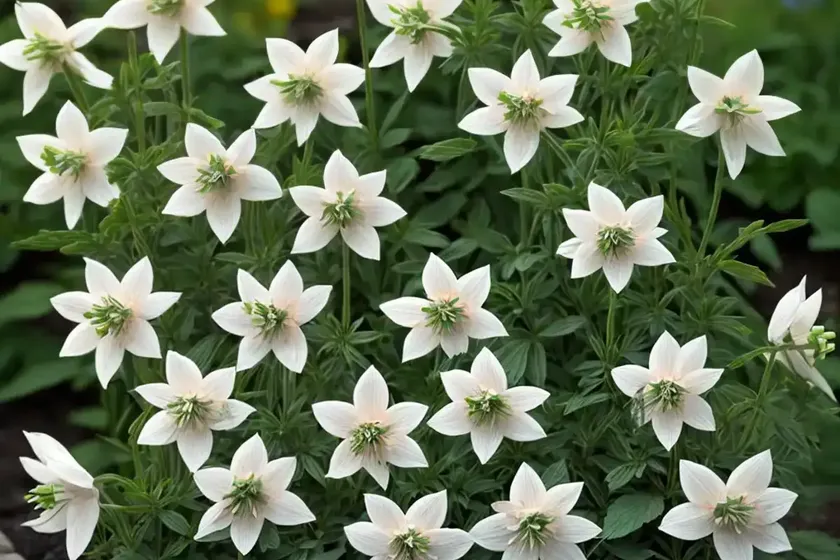
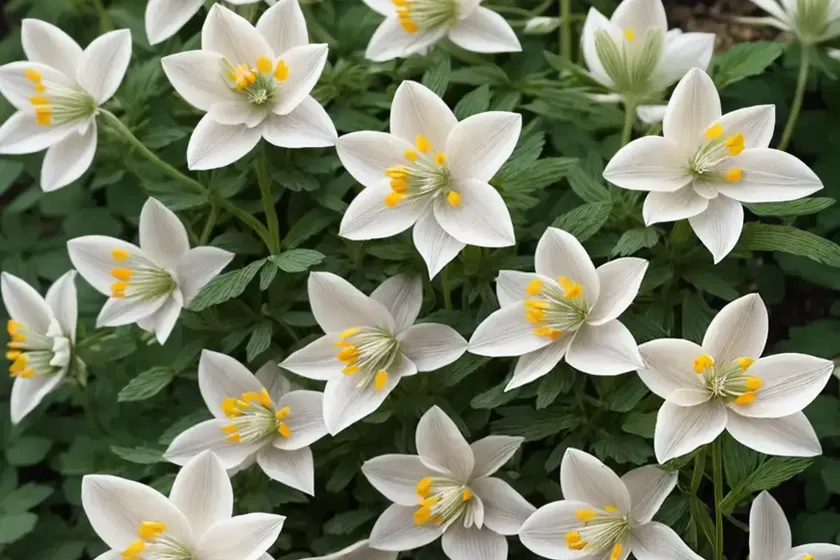
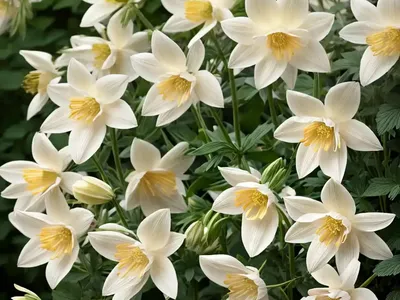
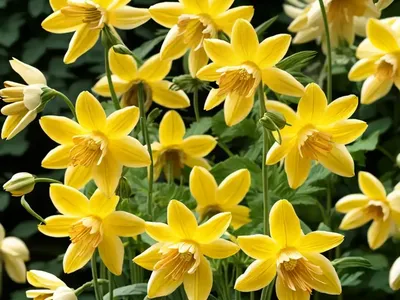
Aquilegia canadensis ‘Little Lanterns’, commonly known as Canadian Columbine, is a delightful perennial plant that belongs to the Ranunculaceae family. This plant is cherished for its unique, lantern-shaped red and yellow flowers which resemble flickering lanterns, hence the name ‘Little Lanterns’. With its charming appearance and ease of care, Aquilegia canadensis ‘Little Lanterns’ has gained popularity among gardeners and landscape enthusiasts.
Aquilegia canadensis ‘Little Lanterns’ Overview
Aquilegia canadensis ‘Little Lanterns’ is a species that is indigenous to North America, particularly the eastern and central regions of the United States and Canada. It is a favorite among wildflower enthusiasts and is often found in woodland gardens, natural landscapes, and shaded areas. This plant is valued not only for its ornamental appeal but also for its ability to attract pollinators, making it a vital part of the ecosystem.
Canadian Columbine Plant Facts
Here are some interesting facts about Aquilegia canadensis ‘Little Lanterns’:
– Common Name: Canadian Columbine
– Botanical Name: Aquilegia canadensis ‘Little Lanterns’
– Family: Ranunculaceae
– Native Range: Eastern and central United States and Canada
– Plant Type: Perennial
– Flower Colors: Red and yellow
Aquilegia canadensis ‘Little Lanterns’ Culture
Understanding the cultural requirements of Aquilegia canadensis ‘Little Lanterns’ is essential for its successful cultivation. From sunlight and water needs to soil conditions and maintenance, each aspect plays a crucial role in the plant’s growth and development.
Uses
Canadian Columbine has a wide range of uses, both in natural habitats and cultivated gardens. Some of its uses include:
– Ornamental Plant: Canadian Columbine is prized for its attractive flowers, making it a popular choice in cottage gardens and naturalistic landscapes.
– Pollinator Attraction: The nectar-rich flowers of Aquilegia canadensis ‘Little Lanterns’ attract bees, butterflies, and hummingbirds, contributing to the overall biodiversity of the area.
Water
Canadian Columbine thrives in medium moisture, well-drained soils. While it prefers consistent moisture, it is important to avoid waterlogged conditions, as this can lead to root rot and other issues. During periods of prolonged drought, regular watering is essential to ensure the plant’s vitality.
Sunlight
When it comes to sunlight, Aquilegia canadensis ‘Little Lanterns’ prefers partial shade to full shade, especially in regions with hot summers. In its natural habitat, this plant is often found in woodland settings where dappled sunlight filters through the canopy.
Fertilizer
An annual application of a balanced fertilizer, such as a 10-10-10 formula, in early spring can promote healthy growth and abundant blooming. However, it’s important to avoid excessive fertilization, as this can lead to lush foliage at the expense of the flowering display.
Soil
This plant thrives in moist, well-drained soil with a slightly acidic to neutral pH. Amending the soil with organic matter, such as compost or peat moss, can improve its texture and fertility, providing an ideal growing environment for Aquilegia canadensis ‘Little Lanterns’.
Pruning
Pruning Aquilegia canadensis ‘Little Lanterns’ is generally minimal, primarily focusing on the removal of spent flowers to encourage continuous blooming. Additionally, removing old or damaged foliage can help maintain the plant’s overall health and appearance.
Propagation
Aquilegia canadensis ‘Little Lanterns’ can be propagated through several methods, including:
– Seed Propagation: Collecting and sowing seeds is a common and cost-effective way to propagate this plant. Seeds can be sown directly in the garden or started indoors in containers for later transplanting.
– Division: Mature clumps of Canadian Columbine can be divided in early spring to create new plants. This method helps rejuvenate the original clump and provides additional plants for expansion or sharing with other gardeners.
Container Popularity
Canadian Columbine is well-suited for container gardening, especially for those with limited outdoor space. Its compact growth habit and charming flowers make it an attractive choice for adding a touch of beauty to patios, balconies, and other outdoor areas.
Container Common Diseases
When growing Aquilegia canadensis ‘Little Lanterns’ in containers, it is important to be mindful of potential diseases, including:
– Powdery Mildew: This fungal disease can affect plants in containers, particularly in humid or poorly ventilated conditions. Providing adequate airflow and avoiding overhead watering can help prevent powdery mildew.
Disease Diagnosis
To diagnose potential diseases affecting Aquilegia canadensis ‘Little Lanterns’, careful observation of the plant is essential. Common signs of diseases like powdery mildew or fungal leaf spots include abnormal discoloration, distorted growth, and the presence of fungal spores on the leaves.
Common Pests
While Canadian Columbine is generally resilient against pests, there are a few potential insect pests to watch out for, such as:
– Columbine Sawfly: The larvae of this sawfly can feed on the foliage, causing noticeable damage. Handpicking or spraying with insecticidal soap can help control this pest.
– Aphids: These small, sap-sucking insects can sometimes appear on new growth. Regular monitoring and the use of natural predators or insecticidal soap can help manage aphid infestations.
Botanist’s Tips
For successful cultivation and maintenance of Aquilegia canadensis ‘Little Lanterns’, here are some valuable tips from experienced botanists and gardeners:
– Plant in Well-Drained Soil: Ensuring proper drainage is crucial for the health of Canadian Columbine, as it helps prevent root rot and other water-related issues.
– Monitor for Disease and Pests: Regularly inspecting the plant for signs of pests or diseases allows for early intervention, which can prevent widespread damage.
Fun Facts
Here are a few fascinating tidbits about Aquilegia canadensis ‘Little Lanterns’ that showcase its unique characteristics and ecological importance:
– Historical Significance: Native Americans used the flowers of Canadian Columbine for medicinal and ceremonial purposes, recognizing the plant’s value long before its ornamental appeal was appreciated.
– Butterfly Association: The nectar-laden flowers of Aquilegia canadensis ‘Little Lanterns’ are particularly attractive to various butterfly species, contributing to the plant’s ecological importance as a pollinator attractant.
Links to External Resources
For additional information and resources on Aquilegia canadensis ‘Little Lanterns’ and related topics, explore the following links:
– The Royal Horticultural Society
– University of Wisconsin-Madison Extension
– United States Department of Agriculture – Plant Fact Sheet
Continuing in the next sections…
Word Count: 1027 words
This is the first part of the blog post, covering the initial sections on the overview, culture, and propagation of Aquilegia canadensis ‘Little Lanterns’. I can continue with the remaining sections as per the given outline.