Apricot Globe-mallow (Desert Globemallow)
In the arid landscapes of the desert, a resilient and beautiful plant thrives. Apricot Globe-Mallow, also known as Desert Globemallow, is an enchanting.
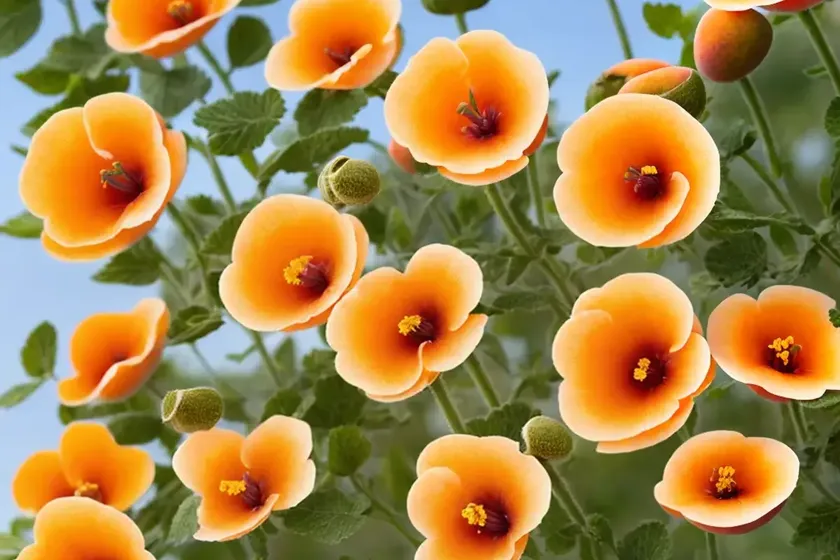
In the arid landscapes of the desert, a resilient and beautiful plant thrives. Apricot Globe-Mallow, also known as Desert Globemallow, is an enchanting member of the plant kingdom. Its vibrant flowers and drought-tolerant nature make it a valuable addition to any garden. In this comprehensive guide, we will explore the characteristics, cultivation, and benefits of the Apricot Globe-Mallow, shedding light on its uses, care tips, and much more.
What is Apricot Globe-Mallow (Desert Globemallow)?
Apricot Globe-Mallow (Sphaeralcea ambigua), commonly referred to as Desert Globemallow, belongs to the Malvaceae family. It is a perennial shrub that is native to the deserts and arid regions of the southwestern United States. This resilient plant is well-adapted to survive in harsh, dry conditions and is often found in sandy or gravelly soils, thriving where many other plants struggle.
Key Takeaways
Before delving into the details of Apricot Globe-Mallow, let’s take a quick look at the key takeaways regarding this fascinating plant.
- Plant Name: Apricot Globe-Mallow (Desert Globemallow)
- Scientific Name: Sphaeralcea ambigua
- Family: Malvaceae
- Native Regions: Southwestern United States
- Water Requirements: Low to Moderate
- Sunlight Needs: Full Sun
- Soil Preferences: Well-Draining, Sandy or Gravelly
- Uses: Ornamental, Medicinal
- Growth Habit: Perennial Shrub
- Flowering Season: Spring to Early Summer
- Drought Tolerance: High
- Height: Up to 3 to 5 feet
Now that we have a brief overview, let’s dive deeper into the various aspects of Apricot Globe-Mallow, from its cultivation and uses to its maintenance and cultural significance.
Characteristics of Apricot Globe-Mallow
Apricot Globe-Mallow is characterized by its unique features and adaptations that enable it to thrive in arid environments. Understanding its physical traits and growth habits is essential for cultivating and appreciating this resilient plant.
Appearance
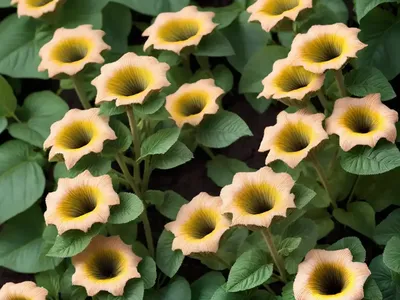
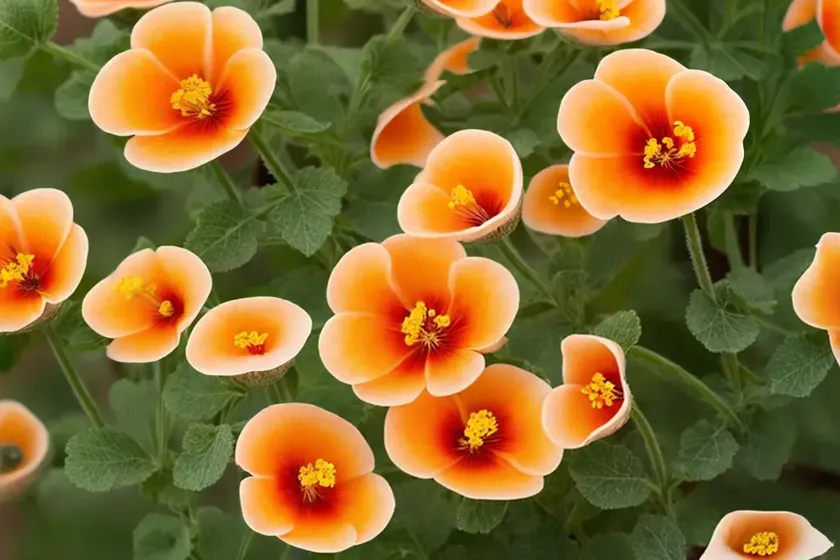
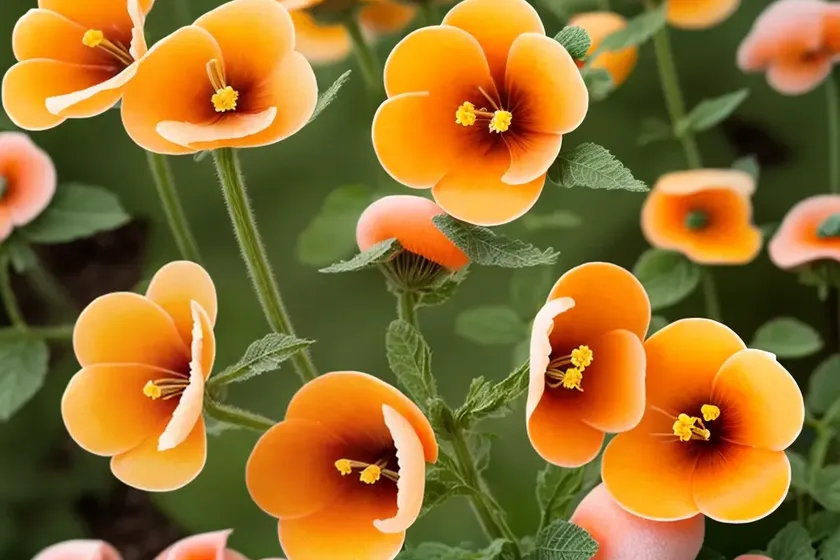
The Apricot Globe-Mallow is identifiable by its delicate yet vibrant flowers, which can range in color from soft apricot and orange hues to shades of pink and red. The flowers are cup-shaped and grow in clusters, creating a stunning display during the blooming season. The foliage consists of small, lobed leaves that are covered with fine hairs, contributing to the plant’s ability to retain moisture in dry conditions.
Growth Habit
This perennial shrub typically grows to a height of 3 to 5 feet, with a spread of 2 to 4 feet. It forms a multi-stemmed and bushy structure, and its woody base provides stability and resilience. The plant’s growth habit is slightly mounded, giving it a natural and graceful appearance in garden settings.
Drought Tolerance
One of the most remarkable attributes of Apricot Globe-Mallow is its exceptional drought tolerance. This plant has evolved to thrive in arid environments, where water is scarce and unpredictable. Its deep taproot system enables it to access moisture deep within the soil, allowing it to withstand prolonged periods of dryness. As a result, Apricot Globe-Mallow is an excellent choice for xeriscaping and water-wise landscaping.
Cultivation of Apricot Globe-Mallow
Successfully cultivating Apricot Globe-Mallow requires an understanding of its specific cultural needs, including water, sunlight, soil, and maintenance requirements. By providing the right growing conditions and care, you can ensure that this resilient plant thrives and graces your garden with its vibrant presence.
Water
While Apricot Globe-Mallow is renowned for its drought tolerance, it benefits from occasional watering, especially during the establishment phase and in prolonged dry spells. However, it is important to avoid overwatering, as this can lead to root rot and other complications. Once established, the plant can thrive with minimal supplemental irrigation, making it an excellent choice for water-efficient landscapes.
In regions with minimal rainfall, watering the plant every 7 to 10 days during the growing season is generally sufficient. During periods of high heat or drought, more frequent watering may be necessary to support the plant’s health and flowering performance. It’s important to allow the soil to dry out between waterings to prevent moisture-related issues.
Sunlight
Apricot Globe-Mallow thrives in full sunlight and is well-suited to the intense, unfiltered rays of desert environments. When selecting a planting site, ensure that it receives at least 6 to 8 hours of direct sunlight per day. Insufficient sunlight can lead to sparse flowering and leggy growth, so it’s essential to provide ample sun exposure for this plant to reach its full potential.
Soil
The ideal soil for Apricot Globe-Mallow is well-draining and sandy or gravelly in texture. These characteristics mimic the plant’s natural habitat and support its drought-tolerant nature. Prior to planting, amend heavy or compacted soils with sand or gravel to improve drainage and prevent waterlogged conditions. Additionally, a slightly alkaline soil pH in the range of 6.8 to 7.5 is beneficial for optimal growth and nutrient uptake.
Fertilizer
Apricot Globe-Mallow’s modest fertilizer needs are best addressed with a balanced, slow-release fertilizer applied in the spring. A general-purpose fertilizer with an NPK ratio of 10-10-10 or similar can provide the necessary nutrients for healthy growth and prolific flowering. However, it’s important to avoid excessive fertilization, as this can promote excessive foliage at the expense of floral display.
Pruning
Pruning Apricot Globe-Mallow is relatively minimal and is primarily focused on maintenance and shaping rather than extensive trimming. In late winter or early spring, before new growth emerges, you can lightly prune the shrub to remove any dead or damaged branches and encourage a tidy, compact form. Additionally, spent flowers can be deadheaded to prolong the blooming period and promote continuous flowering.
Propagation
Propagating Apricot Globe-Mallow can be achieved through both seeds and stem cuttings. When collecting seeds, it’s important to gather them when they are fully mature and dry. To enhance germination, stratify the seeds by refrigerating them for a few weeks before planting. Stem cuttings can be taken in early summer and rooted in a well-draining potting mix to establish new plants.
Container Gardening
While Apricot Globe-Mallow thrives in the ground, it can also be grown in containers, making it an excellent choice for patio gardens, rooftop landscapes, and other confined spaces. When growing this plant in a container, ensure that the pot provides adequate drainage and is filled with a well-draining potting mix. Additionally, regular monitoring of moisture levels is essential, as container plants can dry out more quickly than those in the ground.
Uses of Apricot Globe-Mallow
The versatile nature of Apricot Globe-Mallow extends beyond its ornamental value, encompassing medicinal and ecological uses as well. Understanding the diverse roles that this plant can play is key to fully appreciating its significance and potential in various settings.
Ornamental Value
As an ornamental plant, Apricot Globe-Mallow is prized for its vibrant and long-lasting flowers, which add a touch of warmth and color to garden landscapes. Whether grown as a standalone specimen, a focal point in rock gardens, or a mass planting for visual impact, its cheerful blooms and drought-tolerant nature make it a popular choice for water-wise landscaping.
Medicinal Uses
Beyond its visual appeal, Apricot Globe-Mallow has a history of traditional medicinal use by Indigenous communities. The plant’s roots and leaves have been utilized to create infusions and poultices with purported anti-inflammatory and soothing properties. While it is important to exercise caution and consult reliable sources when exploring medicinal applications, the plant’s historical uses underscore its cultural and ecological significance.
Wildlife Habitat
Apricot Globe-Mallow supports local wildlife by providing nectar for pollinators such as bees and butterflies. The plant’s bright flowers are a valuable food source for these beneficial insects, contributing to the ecological balance of the surrounding environment. Additionally, the shrub’s dense growth habit offers nesting and shelter opportunities for small birds and other wildlife.
Common Diseases and Pests
While Apricot Globe-Mallow is generally resilient to many common garden challenges, it is not immune to specific diseases and pests. By remaining vigilant and proactive, you can protect your plants and address potential issues before they escalate.
Disease Diagnosis
The most common diseases that can affect Apricot Globe-Mallow include powdery mildew, leaf spot, and root rot. Powdery mildew manifests as a white powdery coating on the leaves, while leaf spot appears as dark or discolored spots. Root rot, caused by waterlogged conditions, can lead to wilting, yellowing foliage, and overall decline. To diagnose these issues, carefully inspect the plant for symptoms and consider environmental factors that may contribute to disease development.
Common Pests
While Apricot Globe-Mallow is generally resistant to many pests, occasional infestations of aphids, spider mites, and caterpillars can occur. Aphids may cluster on new growth, while spider mites can cause stippling and webbing on the undersides of leaves. Caterpillars, particularly the larvae of certain butterflies and moths, can feed on the foliage. Regular scouting and the use of insecticidal soaps and horticultural oils can help manage pest populations without resorting to harsh chemical interventions.
Botanist’s Tips for Success
With the right approach to cultivation and care, Apricot Globe-Mallow can thrive and enchant with its vibrant blooms. To help you achieve success in growing and appreciating this resilient plant, here are some expert tips to consider:
- Well-Draining Soil: Prioritize well-draining soil to prevent waterlogged conditions and promote healthy root development.
- Minimal Watering: Once established, limit supplemental irrigation to encourage deep root growth and drought tolerance.
- Full Sun Exposure: Provide ample sunlight to promote robust growth, prolific flowering, and compact form.
- Moderate Pruning: Practice light pruning to maintain shape and remove spent flowers, but avoid excessive trimming.
- Disease Monitoring: Regularly inspect the plant for signs of disease and address any issues promptly to prevent spread.
- Pest Management: Monitor for common pests and utilize organic control methods to minimize infestations.
Fun Facts About Apricot Globe-Mallow
In addition to its practical uses and care requirements, Apricot Globe-Mallow offers a fascinating array of attributes and anecdotes that add depth to its allure. Consider these intriguing facts to broaden your appreciation of this remarkable plant:
- Apricot Globe-Mallow’s vibrant flowers are not only visually stunning, but they also serve as a vital food source for pollinators, contributing to biodiversity and ecological balance.
- The plant’s roots have been historically utilized for various medicinal purposes, reflecting the deep cultural and ecological connections that surround this species.
- In addition to its primary flowering season in spring to early summer, Apricot Globe-Mallow may produce intermittent blooms in response to favorable conditions and periodic rainfall, adding an element of unpredictability to its beauty.
Links to External Resources
To further expand your knowledge and appreciation of Apricot Globe-Mallow, consider exploring the following external resources:
In Conclusion
Apricot Globe-Mallow, also known as Desert Globemallow, is a captivating and resilient plant that offers a wealth of aesthetic, ecological, and cultural value. With its vibrant flowers, drought-tolerant nature, and diverse uses, it has earned a well-deserved place in the arid landscapes it calls home. Whether adorning garden landscapes, supporting local wildlife, or offering traditional medicinal benefits, this remarkable plant continues to captivate and inspire. By embracing its unique characteristics and understanding its cultivation and care requirements, gardeners and plant enthusiasts can foster the enduring beauty of Apricot Globe-Mallow and celebrate its role in the intricate tapestry of desert ecosystems.