Brazilian Candles (Pavonia Multiflora)
The Brazilian Candles, scientifically known as Pavonia multiflora, are enchanting flowering plants that belong to the Malvaceae family. Known for their.
The Brazilian Candles, scientifically known as Pavonia multiflora, are enchanting flowering plants that belong to the Malvaceae family. Known for their attractive blooms and versatility, these plants have gained popularity among horticulturists, landscapers, and plant enthusiasts. In this comprehensive guide, we will delve into every aspect of Brazilian Candles, including their culture, uses, care requirements, propagation, diseases, and so much more.
What are Brazilian Candles (Pavonia multiflora)?
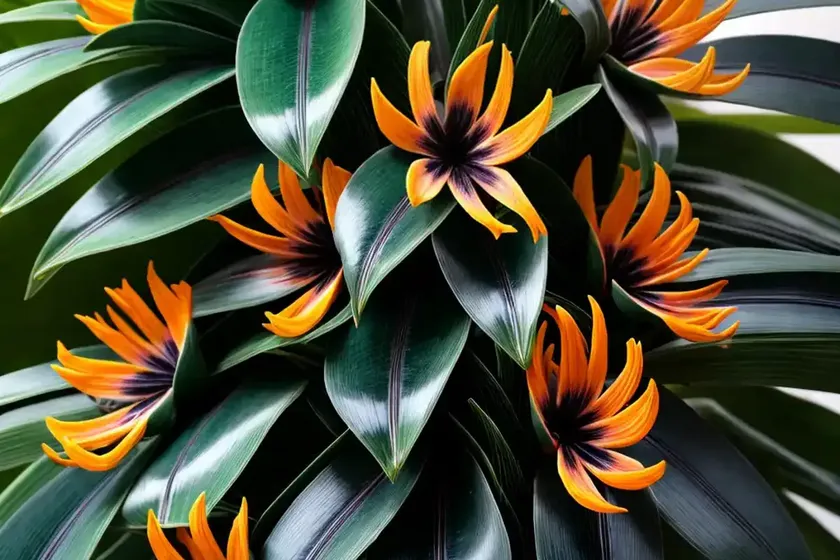
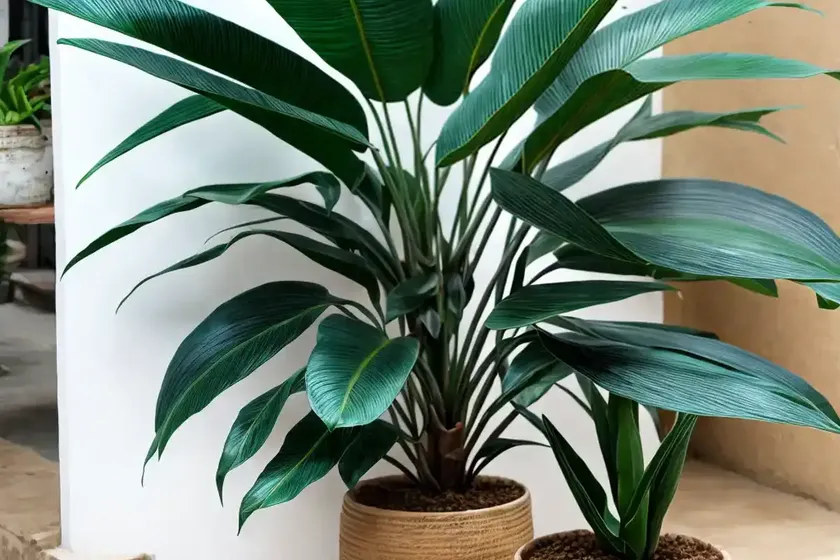
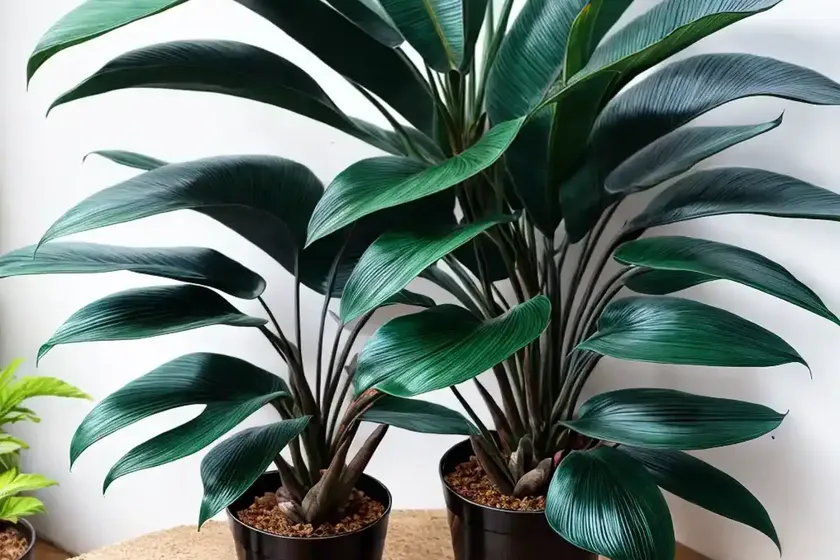
Brazilian Candles (Pavonia multiflora), as the name suggests, are native to Brazil and other South American countries. These plants are revered for their candle-like clusters of vibrant, funnel-shaped flowers that bloom throughout the warm months, adding a touch of exotic beauty to gardens, landscapes, and indoor spaces. The glossy, dark green leaves of the Brazilian Candles serve as an excellent backdrop to the striking flowers, further enhancing their visual appeal.
Key Takeaways – Brazilian Candles (Pavonia multiflora)
Before we delve into the specifics, here are the key takeaways about Brazilian Candles (Pavonia multiflora):
- Family: Malvaceae
- Native Region: Brazil and other South American countries
- Common Names: Brazilian Candles, Pavonia, Brazilian Rock Rose
- Features: Attractive, candle-like clusters of colorful flowers, glossy dark green foliage
- Uses: Ornamental, landscaping, indoor plants
- Growth Habit: Perennial, compact, bushy growth
- Preferred Habitat: Tropical and subtropical regions
- Pest & Diseases: Susceptible to certain pests and diseases
As we proceed, we will explore each of these aspects in detail, providing you with a comprehensive understanding of how to cultivate and care for these captivating plants.
Culture
Uses
The Brazilian Candles (Pavonia multiflora) are primarily cultivated for their ornamental value. Their stunning flowers and lush foliage make them prized additions to gardens, landscapes, and indoor spaces. These plants can be utilized in a variety of ways, including:
- Garden Ornament: Brazilian Candles serve as beautiful garden focal points, adding color and visual interest to flower beds, borders, and mixed plantings.
- Landscaping: Their compact growth habit makes them ideal for landscaping in both residential and commercial settings, where they can be used as edging plants, ground covers, or accent plants.
- Indoor Décor: Due to their ability to thrive indoors under the right conditions, Brazilian Candles are popular choices for adding a touch of tropical elegance to interior spaces such as homes, offices, and conservatories.
- Cut Flowers: The vibrant blooms of the Brazilian Candles make them excellent choices for floral arrangements, adding a tropical flair to bouquets and displays.
Water
When it comes to watering Brazilian Candles, maintaining consistent moisture levels is crucial. However, these plants are susceptible to root rot if over-watered. Here are some watering guidelines to ensure the optimal health of your Brazilian Candles:
- Well-Draining Soil: Plant your Brazilian Candles in a well-draining soil mix to prevent waterlogged conditions, allowing excess water to escape easily.
- Moist, Not Soggy: Water your plants when the top inch of the soil feels dry to the touch. Ensure that the soil is moist but not waterlogged, as excessive moisture can lead to root rot.
- Morning Watering: Water your Brazilian Candles in the morning, allowing any excess moisture on the foliage to dry out during the day, thus reducing the risk of fungal diseases.
Sunlight
Providing the right amount of sunlight is crucial for the healthy growth and blooming of Brazilian Candles. These plants thrive in bright, indirect light and can also tolerate brief exposure to direct sunlight. Here’s what you need to know about sunlight requirements for your Brazilian Candles:
- Bright Indirect Light: Place your Brazilian Candles in locations that receive bright, indirect light for the majority of the day. This can be achieved by positioning them near east or west-facing windows or by providing filtered light in outdoor settings.
- Partial Shade: While Brazilian Candles appreciate ample light, they also benefit from some relief from intense afternoon sun. In outdoor settings, partial shade can help prevent leaf burn and maintain vibrant blooms.
Fertilizer
Proper fertilization is essential for the healthy growth and prolific blooming of Brazilian Candles. Fertilize your plants during the growing season to provide them with the necessary nutrients for vigorous growth and abundant flowering. Here are some key points to consider when fertilizing your Brazilian Candles:
- Balanced Fertilizer: Use a balanced, water-soluble fertilizer with an N-P-K ratio of 10-10-10 or similar, applying it at half-strength every 4-6 weeks during the growing season.
- Organic Options: Incorporating organic fertilizers such as compost or well-rotted manure into the soil during planting can provide a slow-release source of nutrients for the plants.
- Avoid Over-Fertilization: Over-fertilization can lead to excessive foliage growth at the expense of flowering. Follow the recommended dosage and frequency to avoid this issue.
Soil
The right soil is crucial for the overall health and vigor of Brazilian Candles. These plants require well-draining, fertile soil to thrive. Here’s what you should know about soil requirements for Brazilian Candles:
- Well-Draining Mix: Plant your Brazilian Candles in a well-draining soil mix to prevent the risk of waterlogged conditions, which can lead to root rot.
- Organic Matter: Incorporating organic matter such as compost or peat moss into the soil can improve its fertility and structure, providing a conducive environment for healthy root development.
- Neutral to Slightly Acidic pH: Brazilian Candles prefer soil with a pH range of 6.0 to 6.8. Conduct a soil test to determine the pH of your planting area and amend the soil as needed to achieve the optimal pH range.
Pruning
Pruning plays a key role in shaping the growth and appearance of Brazilian Candles, promoting bushy, compact growth and enhancing flowering. Regular pruning helps maintain the overall health and aesthetics of the plants. Here are some essential pruning tips for Brazilian Candles:
- Deadheading: Remove spent flowers regularly to encourage continuous blooming and prevent the formation of seeds, which can divert the plant’s energy away from flower production.
- Shape Maintenance: Trim the plants as needed to maintain a compact, bushy growth habit. Focus on removing leggy or straggly growth to promote a well-rounded form.
- Seasonal Pruning: In early spring, consider performing more significant pruning to remove any winter damage, improve air circulation, and stimulate new growth for the upcoming growing season.
Propagation
Propagating Brazilian Candles allows you to expand your plant collection and share these captivating beauties with friends and fellow gardening enthusiasts. Here are the key methods for propagating Brazilian Candles:
- Softwood Cuttings: Propagate Brazilian Candles from softwood cuttings taken in late spring or early summer. Select healthy stems, remove the lower leaves, and place the cuttings in a soilless mix or perlite. Provide bottom heat and maintain consistent moisture to encourage rooting.
- Seed Propagation: Brazilian Candles can also be propagated from seeds, although this method requires more time and patience. Sow the seeds in a well-draining seed starting mix, providing warmth, moisture, and bright, indirect light for optimal germination.
- Division: For established Brazilian Candles, division can be a viable method of propagation. When dividing the plants, ensure that each division has a good root system and ample foliage to support its growth.
Container Popularity
The compact growth habit and ornamental value of Brazilian Candles make them popular choices for container gardening. Cultivating these plants in containers offers several advantages, allowing you to enjoy their beauty in a variety of indoor and outdoor settings. Consider the following tips for growing Brazilian Candles in containers:
- Container Selection: Choose a well-draining container with adequate drainage holes to ensure proper moisture levels and prevent waterlogging.
- Indoor Display: Brazilian Candles can thrive indoors when placed in bright, indirect light. Consider displaying them in decorative pots to add a touch of tropical elegance to your indoor spaces.
- Outdoor Accents: Utilize Brazilian Candles to add color and visual interest to outdoor patios, decks, and balconies. Group them with other complementary plants to create stunning container arrangements.
Common Diseases
While Brazilian Candles are generally resilient, they are susceptible to certain diseases that can impact their health and vitality. Recognizing these diseases and taking preventive measures is essential for maintaining the well-being of your plants. Here are some common diseases that can affect Brazilian Candles:
- Powdery Mildew: This fungal disease manifests as a powdery, white coating on the leaves, stems, and buds of the plants. It thrives in warm, humid conditions and can lead to stunted growth and reduced flowering.
- Leaf Spot: Leaf spot diseases cause the formation of circular brown or black spots on the foliage, often leading to defoliation and weakened plants.
- Root Rot: Over-watering or waterlogged conditions can result in root rot, causing the plant to exhibit wilting, yellowing leaves, and overall decline.
Disease Diagnosis
Diagnosing and addressing diseases promptly is crucial for preventing the spread of infections and minimizing the impact on your Brazilian Candles. Here’s how you can diagnose and manage diseases effectively:
- Visual Inspection: Regularly inspect your Brazilian Candles for any signs of disease, including unusual spots, discoloration, or fungal growth on the foliage and stems.
- Prompt Treatment: If you notice any symptoms of disease, take prompt action to mitigate the issue. This may involve applying fungicidal treatments, adjusting watering practices, or improving air circulation to create an unfavorable environment for disease development.
Common Pests
In addition to diseases, Brazilian Candles can also be susceptible to certain pests that can compromise their health and appearance. Understanding these pests and implementing appropriate control measures is essential for effective pest management. Here are some common pests that may affect Brazilian Candles:
- Aphids: These small, sap-sucking insects can cluster on the tender new growth of Brazilian Candles, leading to distorted leaves and reduced plant vigor.
- Spider Mites: Spider mites are common pests that feed on the underside of leaves, causing stippling and webbing. They thrive in hot, dry conditions and can rapidly infest plants.
- Whiteflies: These tiny, white insects can be found on the undersides of leaves, where they feed on plant sap and excrete honeydew, leading to sooty mold development and weakened plants.
Botanist’s Tips
For those who are passionate about cultivating Brazilian Candles and fostering a thriving garden filled with these captivating plants, here are some expert tips to elevate your growing experience:
- Observation is Key: Regularly observe your Brazilian Candles to spot any signs of stress, disease, or pest infestation. Early intervention is often the key to successful plant management.
- Balanced Care: Provide balanced care in terms of watering, fertilization, and sunlight exposure to maintain healthy and vigorous growth in your Brazilian Candles.
- Cultivate Diversity: Consider incorporating different varieties and species of Brazilian Candles into your garden to add diversity and showcase the captivating range of colors and forms available.
Fun Facts
As we immerse ourselves in the world of Brazilian Candles, it’s intriguing to explore some fascinating and lesser-known facts about these enchanting plants:
- Cultural Significance: In some cultures, Brazilian Candles are associated with symbolism and myths, often featuring in traditional folklore and rituals.
- Wildlife Interaction: Brazilian Candles can attract pollinators such as butterflies, hummingbirds, and bees, contributing to the biodiversity of gardens and natural spaces.
- Medicinal Properties: Some species of Pavonia are known for their potential medicinal properties, with certain parts of the plant used in traditional medicine for various purposes.
Links to External Resources
To further enrich your understanding of Brazilian Candles (Pavonia multiflora) and enhance your cultivation practices, here are some valuable resources that offer in-depth information and practical insights about these captivating plants:
- Pavonia multiflora Cultivation Guide
- Growing Brazilian Candles Indoors
- Best Soil for Brazilian Candle Plants
- Watering Requirements for Pavonia multiflora
- Sunlight Needs of Brazilian Candle Plants
- Brazilian Candles for Landscaping
- Propagating Pavonia multiflora
- Brazilian Candle Plant Diseases
- Pruning Brazilian Candles
- Fertilizing Pavonia multiflora
These resources offer a wealth of knowledge and practical guidance on various aspects of Brazilian Candles, from cultivation and maintenance to potential uses and ecological significance.
Wrapping Up
As we conclude this comprehensive guide to Brazilian Candles (Pavonia multiflora), we hope that you have gained valuable insights into the mesmerizing world of these enchanting plants. Whether you are a seasoned gardener or an aspiring plant enthusiast, the allure of Brazilian Candles lies in their vibrant blooms, lush foliage, and diverse cultural and ecological significance. By applying the knowledge and tips shared in this guide, you can embark on a rewarding journey of cultivating, appreciating, and celebrating the captivating beauty of Brazilian Candles in your own gardening endeavors.
Remember, the journey of plant care and cultivation is a continuous learning experience, filled with discoveries, challenges, and moments of sheer delight as you witness the flourishing beauty of the natural world around you.
So, go ahead, embrace the enchantment of Brazilian Candles, and let their radiant blooms illuminate your garden and indoor spaces with their tropical allure.
Happy gardening!


