Baobab (Adansonia Digitata)
The baobab tree, scientifically known as Adansonia digitata, is a fascinating and iconic tree found in various regions of Africa. Renowned for its.
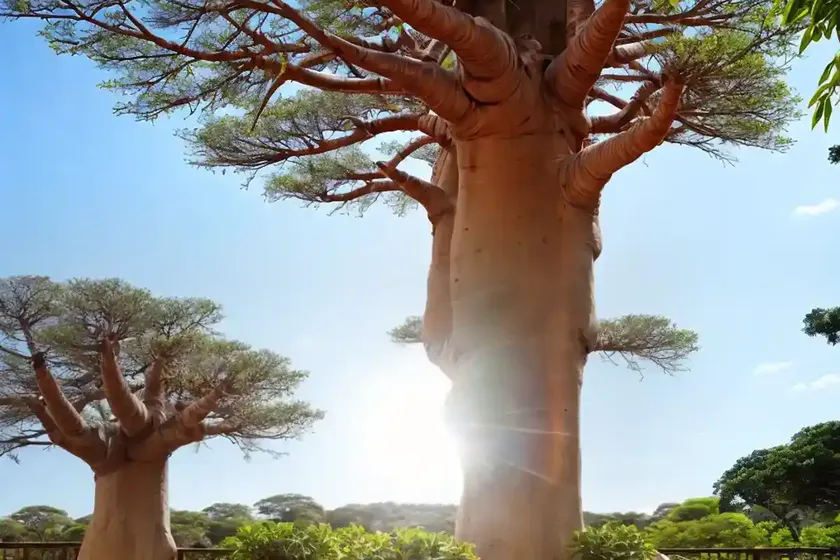
The baobab tree, scientifically known as Adansonia digitata, is a fascinating and iconic tree found in various regions of Africa. Renowned for its mystique, cultural significance, and numerous practical uses, the baobab tree is a botanical marvel that has captured the interest of plant scientists, conservationists, and countless individuals worldwide. In this comprehensive guide, we will delve into the world of the baobab tree, exploring its characteristics, cultivation, traditional uses, conservation efforts, and much more.
What is the Baobab Tree?
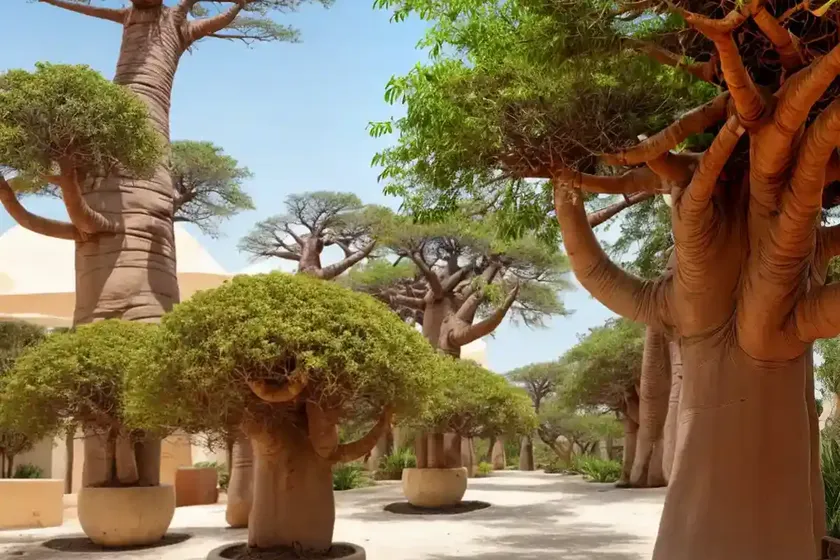
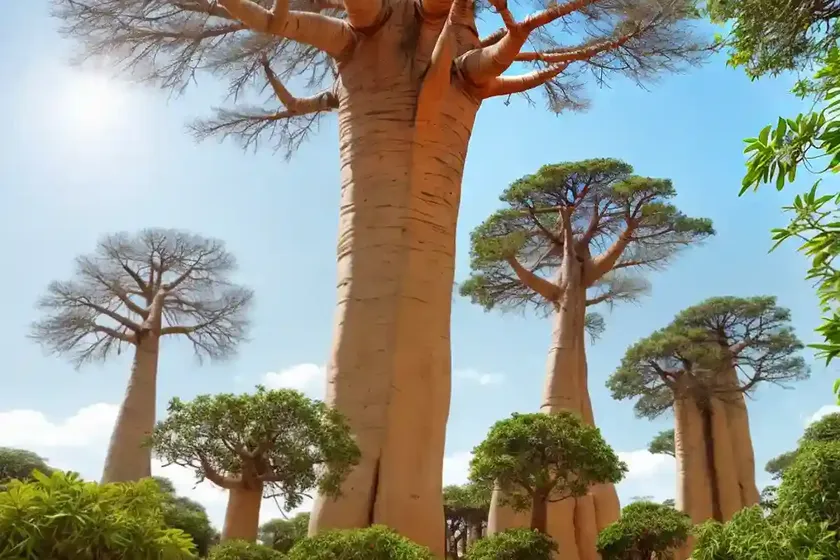
The baobab tree, often referred to as the “Tree of Life,” belongs to the genus Adansonia, which comprises eight species. Adansonia digitata is the most widely recognized and studied species, recognized by its robust and distinctive features. These magnificent trees are found in various African countries, including Madagascar, South Africa, Botswana, Namibia, and Zimbabwe, where they thrive in arid and semi-arid environments. The baobab tree is known for its enormous size, with some specimens reaching heights of up to 30 meters and diameters of 11 meters.
Baobab Tree Characteristics
The baobab tree is characterized by several unique features, which contribute to its remarkable presence in the natural landscape. Let’s explore some of these distinctive characteristics:
- Trunk: The baobab tree has a massive, cylindrical trunk that can store substantial amounts of water, enabling it to survive extended periods of drought. The trunk’s girth often gives the tree a striking appearance, making it easily recognizable even from a distance.
- Leaves: The baobab tree has compound leaves that are palmately divided into 5-7 leaflets. These leaves are shed during the dry season, helping the tree to conserve water.
- Flowers: The baobab tree produces large, white, pendulous flowers with a striking appearance. These flowers are pollinated by fruit bats and hawk moths, contributing to the tree’s reproductive cycle.
- Fruit: The baobab tree bears peculiar-looking fruits that are commonly referred to as “monkey bread” or “cream of tartar fruit.” These fruits are rich in nutrients and have numerous traditional and commercial uses.
Baobab Tree Uses and Benefits
The baobab tree holds immense cultural, ecological, and economic significance, with a wide range of uses and benefits associated with its various parts. Let’s explore some of the key uses and benefits of the baobab tree:
Traditional Uses:
- Food: The fruits, leaves, and seeds of the baobab tree have been used as traditional sources of food for centuries. The fruit pulp is rich in Vitamin C and other nutrients, while the seeds are commonly ground into a nutritious powder.
- Medicinal Purposes: Various parts of the baobab tree, including the bark, leaves, and fruit, are utilized in traditional medicine for treating a variety of ailments.
- Fiber and Textiles: The bark of the baobab tree can be harvested to create strong and durable fibers that are used in the production of textiles, baskets, ropes, and mats.
Economic and Commercial Uses:
- Nutritional Supplements: Baobab fruit pulp and seed powder are increasingly being recognized and utilized as valuable ingredients in nutritional supplements and food products.
- Cosmetics: Baobab oil, extracted from the seeds, is gaining popularity in the cosmetic industry due to its hydrating and skin-nourishing properties.
- Timber and Construction: The wood of the baobab tree is used for constructing various items, including furniture, carvings, and traditional dwellings.
Ecological and Cultural Significance:
- Wildlife Habitat: The baobab tree serves as a vital habitat and food source for various animal species, including birds, monkeys, and insects.
- Symbolism and Cultural Significance: The baobab tree holds profound cultural significance in many African societies, often symbolizing strength, longevity, and community.
Baobab Tree Growth and Adaptations
The baobab tree’s remarkable ability to thrive in harsh, arid environments can be attributed to a range of growth strategies and adaptations. Understanding these adaptations is crucial for successful cultivation and conservation efforts. Let’s explore some of the key aspects of baobab tree growth and adaptations:
- Arid Climate Adaptations: The baobab tree has evolved a suite of adaptations to survive in arid conditions, including the ability to store water in its trunk, drought-deciduous leaves, and deep-reaching roots that tap into underground water sources.
- Growth Rate: Despite its slow initial growth, the baobab tree can live for centuries, with some specimens reaching ages of over 1000 years. This longevity is a testament to the tree’s tenacity and resilience.
Baobab Tree Cultivation and Care
Cultivating and caring for baobab trees can be a rewarding endeavor, whether for ecological restoration, commercial purposes, or ornamental landscaping. Proper cultivation and care practices can help ensure the health and vitality of baobab trees, while also contributing to conservation efforts. Let’s delve into the essential factors to consider when cultivating and caring for baobab trees:
Water
- Watering Needs: While baobab trees are highly adapted to arid conditions and can withstand prolonged periods of drought, young trees may benefit from regular watering until they become established.
- Water Conservation: In regions with unpredictable rainfall patterns, water conservation measures, such as mulching and rainwater harvesting, can be beneficial for baobab tree cultivation.
Sunlight
- Light Requirements: Baobab trees thrive in full sun and are well-suited to open, sunny landscapes. When cultivating baobab trees, ensuring they receive ample sunlight is crucial for healthy growth.
Fertilizer
- Soil Nutrient Needs: Baobab trees are adapted to nutrient-poor soils, and excessive fertilization can be detrimental to their growth. Organic, slow-release fertilizers used sparingly may benefit young trees in nutrient-deficient soils.
Soil
- Well-Drained Soil: Baobab trees prefer well-drained, sandy soils, and are susceptible to root rot in waterlogged conditions. Soil amendment with organic matter can enhance soil structure and water retention for young baobab trees.
Pruning
- Minimal Pruning: Due to their characteristic growth pattern, baobab trees typically require minimal pruning. Any pruning should be done selectively to remove dead or damaged branches and to maintain a balanced canopy.
Propagation
- Seed Propagation: Baobab trees can be propagated from seeds, which should be scarified and soaked before planting to enhance germination. Careful attention to seedling establishment is crucial for successful propagation.
Container Cultivation
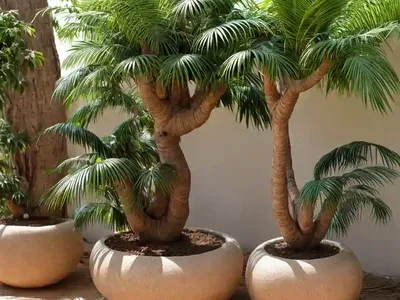
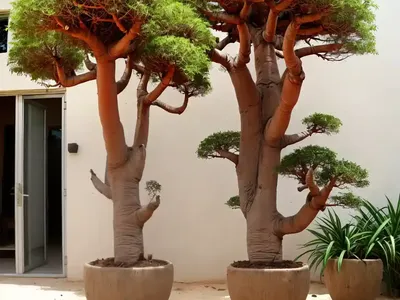
- Container Considerations: Growing baobab trees in containers can be an attractive option for horticultural enthusiasts. Selecting a well-draining potting mix and providing adequate sunlight and space are essential for container cultivation.
Baobab Tree Popularity and Conservation Efforts
The iconic status of the baobab tree has captured the imagination of people around the world, leading to increased interest in its cultivation, preservation, and conservation. Popularity and conservation efforts play a crucial role in safeguarding the future of baobab trees and their ecosystems. Let’s explore the significance of baobab tree popularity and ongoing conservation efforts:
Popularity
- Cultural Appeal: The baobab tree’s cultural symbolism, striking appearance, and ecological significance contribute to its enduring popularity as a subject of interest and admiration.
- Horticultural Interest: A growing interest in unique and resilient tree species has made baobab trees a sought-after addition to botanical gardens and horticultural collections worldwide.
Conservation Efforts
- Habitat Protection: Conservation organizations and governmental agencies are actively working to protect baobab tree habitats and the biodiversity they support.
- Community Involvement: Engaging local communities in conservation initiatives is crucial for promoting sustainable practices and safeguarding baobab trees for future generations.
Baobab Tree Common Diseases and Pests
While baobab trees are known for their resilience, they are susceptible to certain diseases and pests that can impact their health and vitality. Understanding these common issues is essential for effective disease management and pest control. Let’s explore some common diseases and pests that affect baobab trees:
Disease Diagnosis
- Leaf Spot Diseases: Baobab trees may be prone to leaf spot diseases caused by various fungal pathogens. Symptoms may include circular lesions on the leaves, leading to defoliation in severe cases.
- Stem and Root Rots: Excessive soil moisture and poor drainage can lead to stem and root rot diseases in baobab trees, potentially resulting in wilting, cankers, and dieback.
Common Pests
- Spider Mites: These tiny pests can infest baobab trees, causing stippling and discoloration of the leaves. Severe infestations can lead to leaf drop and reduced vigor.
- Scale Insects: Scale insects may infest the stems and branches of baobab trees, feeding on plant sap and excreting honeydew, which can promote sooty mold growth.
Botanist’s Tips for Baobab Tree Care
As a plant scientist and enthusiast, I would like to offer some practical tips for caring for baobab trees, whether in cultivation, conservation, or ornamental landscapes. These tips are based on scientific knowledge and practical experience with the remarkable baobab tree:
- Site Selection: When cultivating baobab trees, carefully select a sunny, well-drained site to mimic their natural habitat conditions.
- Watering Practices: While baobab trees are drought-tolerant, providing adequate water during establishment and extended dry periods can promote healthy growth.
- Soil Management: Avoid over-fertilization and waterlogging, as baobab trees are adapted to nutrient-poor, well-drained soils.
- Pest Monitoring: Regularly monitor baobab trees for signs of pests such as spider mites and scale insects, intervening with appropriate pest management strategies if necessary.
Fun Facts About the Baobab Tree
In addition to its practical uses and ecological significance, the baobab tree is replete with fascinating and intriguing aspects that add to its allure. Let’s explore some fun and lesser-known facts about the baobab tree:
- Intertwined Roots: Baobab trees have a distinct root system that has been described as “upside-down,” with the roots reaching deep into the ground and appearing as if the tree has been uprooted and replanted.
- Hollow Trunks: Some baobab trees develop hollow trunks due to natural processes, making them large enough to be used as shelters, storage spaces, and even a bar in one notable case in South Africa.
- Longevity: Baobab trees can live for thousands of years, making them some of the longest-living flowering plants on the planet.
Links to External Resources
For those seeking further information on the baobab tree, its cultivation, uses, and conservation, the following external resources provide valuable insights and in-depth knowledge:
- International Union for Conservation of Nature (IUCN) Red List – Baobab Tree
- World Agroforestry – Baobab
- Kew Royal Botanic Gardens – Adansonia digitata (Baobab)
- Food and Agriculture Organization (FAO) – The Baobab
In conclusion, the baobab tree, with its striking appearance, cultural significance, and array of practical uses, stands as a testament to the resilience and diversity of the natural world. By exploring its characteristics, cultivation, traditional uses, and ongoing conservation efforts, we gain a deeper appreciation for this iconic and beloved tree species.