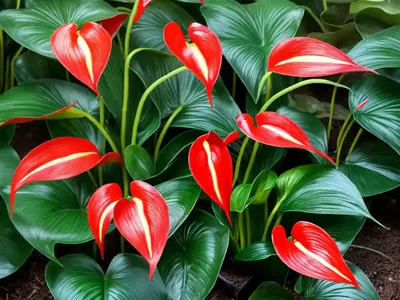
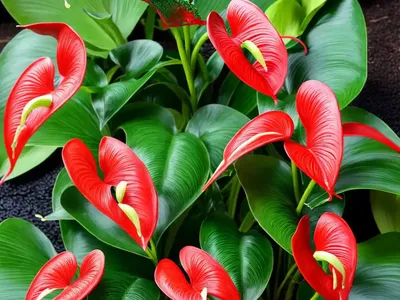
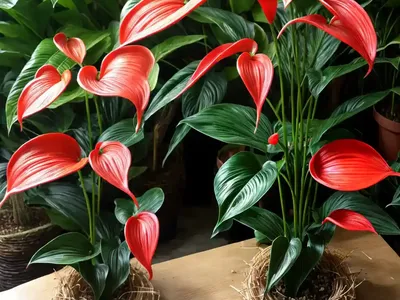
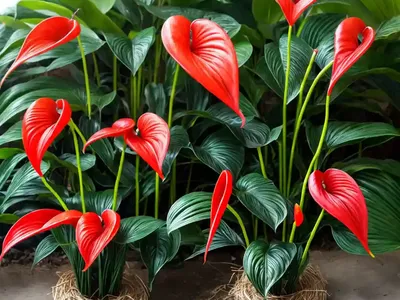
Anthurium Orangina (Anthurium Orangina)
Anthurium Orangina, also known as Anthurium Andraeanum, is a stunning and popular houseplant that is cherished for its vibrant and long-lasting blooms..
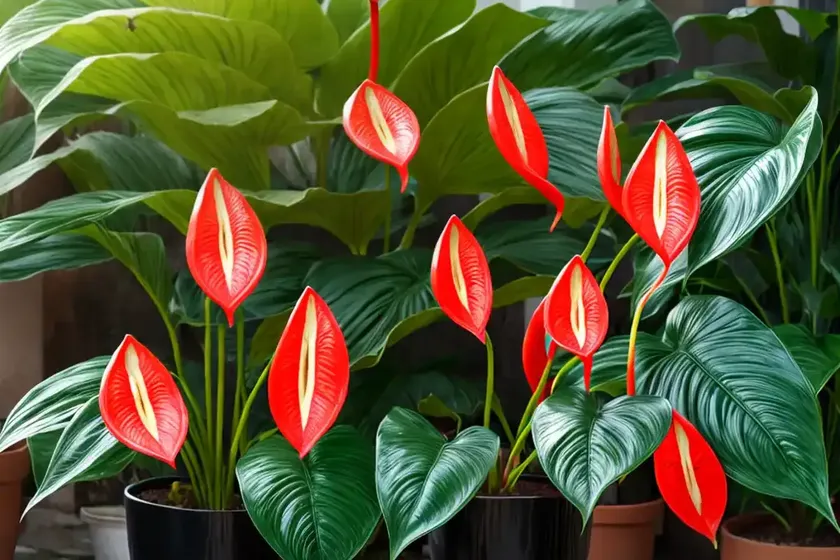
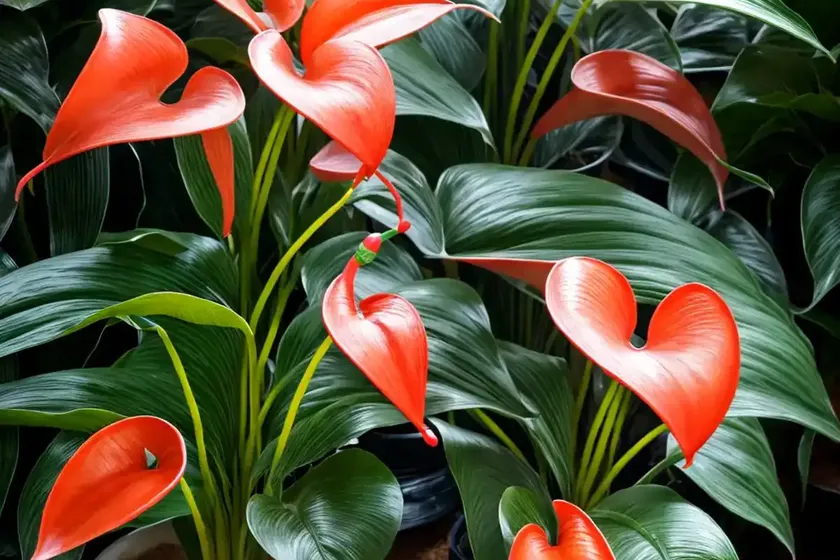
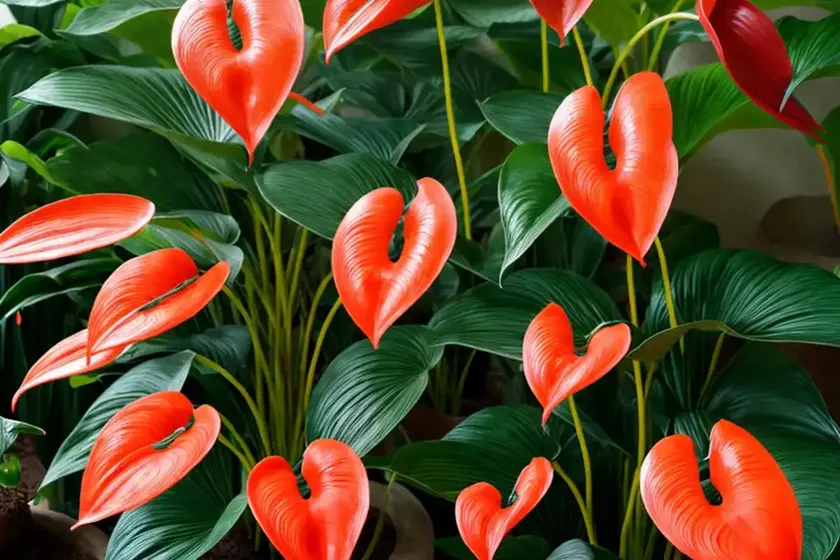
Anthurium Orangina, also known as Anthurium Andraeanum, is a stunning and popular houseplant that is cherished for its vibrant and long-lasting blooms. With its striking flowers and unique foliage, it has become a favorite amongst plant enthusiasts and interior decorators alike. In this comprehensive guide, we will explore everything you need to know about Anthurium Orangina, from its characteristics and care requirements to its cultural significance and natural habitats.
What is Anthurium Orangina?
Native to the rainforests of Central and South America, Anthurium Orangina is a member of the Araceae family, which includes approximately 1000 different species. The name “Anthurium” is derived from the Greek words “anthos,” meaning flower, and “oura,” meaning tail, in reference to the plant’s unique flowering structure. The specific epithet “Orangina” suggests the captivating orange hues often found in its blooms.
Anthurium Orangina Characteristics
- Common Name: Anthurium Orangina
- Scientific Name: Anthurium Andraeanum
- Family: Araceae
- Native Region: Central and South America
- Lifespan: Perennial
- Growth Habit: Epiphytic
Key Takeaways – Anthurium Orangina
Culture
Anthurium Orangina is known for its exotic and vibrant blooms, making it a popular choice for indoor cultivation. When provided with the right growing conditions, it can thrive and continue to produce stunning flowers for years to come.
Uses
- Ornamental: Anthurium Orangina is primarily grown as an ornamental plant, adding a touch of tropical elegance to indoor spaces with its colorful blooms and glossy foliage.
- Decorative: Its attractive flowers and foliage make it a popular choice for floral arrangements and decorative displays.
Water
- Moderate to High Humidity: Anthurium Orangina thrives in moderate to high humidity levels, making it well-suited for bathrooms and kitchens where humidity levels are naturally higher.
- Regular Watering: It requires regular watering to keep the soil consistently moist, but not waterlogged. Deep but infrequent watering is recommended to prevent waterlogging and root rot.
Sunlight
- Indirect Light: While it appreciates bright, indirect light, direct sunlight can scorch its delicate foliage. Place it in a location where it can receive bright, filtered light.
Fertilizer
- Balanced Fertilizer: Use a balanced liquid fertilizer diluted to half-strength during the active growing season, typically from spring through early fall.
- Fertilize Sparingly: Avoid overfertilizing, as it can lead to salt buildup in the soil, causing root damage.
Soil
- Well-Draining Mix: Plant Anthurium Orangina in a well-draining potting mix with a high organic matter content. A mix designed for orchids or aroid plants can be suitable.
Pruning
- Remove Spent Blooms: Regularly remove spent blooms and yellowing leaves to improve the plant’s appearance and encourage new growth.
Propagation
- Division: Anthurium Orangina can be propagated through division, separating the offshoots with their own roots from the parent plant.
- Stem Cuttings: Stem cuttings can also be used for propagation, provided they have at least one node and a portion of the aerial root.
Container
- Suitable Containers: Use pots with drainage holes to prevent waterlogging.
- Adequate Size: Select a pot that provides ample room for the plant’s roots and allows for some growth.
Popularity
- Houseplant: Anthurium Orangina is highly popular as a houseplant, adding a touch of lushness and color to indoor spaces.
- Interior Decoration: Its striking blooms and glossy foliage make it a favored choice for interior decoration.
Common Diseases
- Root Rot: Overwatering and poor drainage can lead to root rot, which can manifest as discolored and soggy roots.
- Leaf Spot: Fungal diseases such as leaf spot can occur in excessively humid conditions, causing dark spots on the foliage.
Disease Diagnosis
Diagnosing plant diseases can be crucial for timely intervention. Look for the following signs when identifying diseases in Anthurium Orangina:
- Discolored or Slimy Roots: Indicative of root rot.
- Dark Spots on Leaves: Possible symptom of leaf spot or other fungal diseases.
Common Pests
- Aphids: These tiny insects can cluster on the undersides of leaves, sucking out plant juices and weakening the plant.
- Spider Mites: These minuscule pests can cause stippling on the leaves and create fine webbing on the plant.
Botanist’s Tips
- Humidity Control: Consider using a humidifier or pebble tray to increase the humidity around the plant, especially during the drier months.
- Regular Inspections: Regularly inspect the plant for pests and diseases, addressing any issues promptly to prevent widespread infestations or infections.
Fun Facts
- Anthurium Orangina belongs to the largest genus of the Araceae family, showcasing a wide range of species with diverse colors and forms.
- The distinctive heart-shaped flowers of Anthurium Orangina are technically spathes, a type of modified leaf, with the tiny true flowers arranged on the protruding spike known as the spadix.
Links to External Resources
For further information on Anthurium Orangina and related topics, you may find the following resources helpful:
- American Society for the Prevention of Cruelty to Plants (ASPCCP)
- Royal Horticultural Society (RHS)
- Botanical Society of America (BSA)
As we delve deeper into the world of Anthurium Orangina, we uncover a wealth of fascinating details that reveal its importance as a natural wonder, a beloved houseplant, and a source of inspiration for gardeners and nature enthusiasts alike.
Plant Name: Anthurium Orangina (Anthurium Andraeanum)
In the following sections, we will explore the intricacies of Anthurium Orangina and provide valuable insights into its care, maintenance, and cultural significance.
Anthurium Orangina Care Guide
When it comes to caring for Anthurium Orangina, providing the right conditions is essential to ensure its vigor and ornamental appeal. Here’s a comprehensive care guide that covers various aspects of its cultivation.
Anthurium Orangina Plant Profile
Scientific Name: Anthurium Andraeanum
Common Name: Anthurium Orangina
Family: Araceae
Native Region: Central and South America
Lifespan: Perennial
Growth Habit: Epiphytic
Anthurium Orangina Varieties
Anthurium Orangina showcases a stunning array of varieties, each with distinct flower colors and leaf patterns. Some popular varieties include:
- Anthurium Andraeanum ‘Pizzazz’: Known for its vibrant red blooms and dark green, glossy leaves.
- Anthurium Andraeanum ‘Golden Dreams’: Notable for its bright yellow spathes and lush foliage.
Anthurium Orangina Watering Tips
- Consistent Moisture: Maintain consistent moisture in the soil, allowing it to dry out slightly between waterings.
- Avoid Waterlogging: Ensure proper drainage to prevent waterlogging, which can lead to root rot.
Anthurium Orangina Light Requirements
- Bright, Indirect Light: Position the plant in an area with bright, indirect light to promote healthy growth and flowering.
- Avoid Direct Sunlight: Shield the plant from direct sunlight, which can scorch the leaves and lead to sunburn.
Anthurium Orangina Propagation Methods
- Division: Divide mature plants during repotting, ensuring that each division has its own roots for successful establishment.
- Stem Cuttings: Take stem cuttings with at least one node and an aerial root, then root them in a well-draining medium.
Anthurium Orangina Soil Preferences
- Well-Draining Mix: Plant Anthurium Orangina in a well-draining potting mix rich in organic matter, such as orchid or aroid mixes.
Anthurium Orangina Temperature Needs
- Warm Conditions: Maintain temperatures above 60°F (15°C) to ensure the plant’s well-being.
- Avoid Cold Drafts: Protect the plant from cold drafts, as it thrives in warm and humid environments.
Anthurium Orangina Pruning Techniques
- Regular Maintenance: Prune off spent blooms and yellowing leaves to maintain the plant’s appearance and encourage new growth.
- Sterilize Tools: Use sterilized pruning tools to prevent the spread of diseases and ensure clean cuts.
Anthurium Orangina Indoor Gardening
- Humidity Control: Enhance humidity levels by misting the plant or using a humidifier, especially in drier indoor environments.
- Pest Prevention: Regularly inspect the plant for pests and promptly address any infestations to prevent damage.
Anthurium Orangina Outdoor Cultivation
- Shaded Locations: If grown outdoors, place Anthurium Orangina in shaded areas with protection from intense sunlight and strong winds.
- Rain Protection: Shield the plant from heavy rain and ensure adequate drainage to prevent waterlogging.
Anthurium Orangina Potting Suggestions
- Suitable Containers: Use pots with drainage holes to allow excess water to escape, preventing waterlogging.
- Size Considerations: Select a pot that accommodates the plant’s root system and allows for some growth space.
Anthurium Orangina Fertilization Schedule
- Balanced Fertilizer: Use a balanced liquid fertilizer at half-strength during the growing season, typically from spring to early fall.
- Avoid Overfertilizing: Refrain from excessive fertilization, as it can lead to salt buildup and damage the plant.
Anthurium Orangina Pests and Diseases
- Pests: Watch for common pests such as aphids, spider mites, and mealybugs, which can infest the plant if not addressed promptly.
- Diseases: Prevent issues like root rot and leaf spot by ensuring proper watering, good air circulation, and the use of well-draining soil.
Anthurium Orangina Growth Habits
- Slow Growth: Anthurium Orangina exhibits moderate growth, producing new leaves and blooms gradually under optimal conditions.
- Seasonal Cycles: It may display fluctuations in growth and flowering in response to changes in light, temperature, and humidity.
Anthurium Orangina Plant Family
- Araceae Family: Belonging to the Araceae family, Anthurium Orangina shares its botanical lineage with a diverse array of flowering and non-flowering plants.
Anthurium Orangina: A Natural Wonder
The natural habitats of Anthurium Orangina are rich in biodiversity and play a vital role in supporting the ecosystem. Understanding its native regions and natural interactions with other organisms provides valuable insights into its conservation and ecological significance.
Anthurium Orangina Natural Habitats
Anthurium Orangina thrives in the lush, humid environments of its native habitats in Central and South America, where it can be found growing as an epiphyte or terrestrial plant. Its key natural habitats include:
- Tropical Rainforests: It inhabits the lower understory of tropical rainforests, where it receives filtered sunlight and ample moisture.
- Epiphytic Growth: In its epiphytic form, it often grows on tree branches and other plants, utilizing them for support.
Anthurium Orangina Species Comparison
Anthurium Orangina is part of a diverse genus that encompasses numerous species, each with its own unique characteristics and adaptations. Some closely related species include:
- Anthurium Crystallinum: Known for its velvety, silver-veined leaves and distinctive spathes.
- Anthurium Regale: Noted for its large, deeply lobed leaves and impressive, elongated spathes.
Anthurium Orangina Flowering Period
The flowering period of Anthurium Orangina typically corresponds to its active growing season, often peaking in spring and summer. With proper care, it can produce blooms throughout the year.
Anthurium Orangina Origin and History
Having originated in the tropical regions of Central and South America, Anthurium Orangina has been valued for its ornamental beauty and cultural significance for centuries. Its history is intertwined with the rich tapestry of tropical flora and the traditions of indigenous cultures.
Anthurium Orangina Valuable Cultivars
Through selective breeding and hybridization, horticulturalists have developed a diverse array of Anthurium Orangina cultivars, each with distinct flower colors, leaf shapes, and growth habits. Notable cultivars include:
- Anthurium Andraeanum ‘Shirley Gem’: Characterized by its striking pink spathes and compact growth habit.
- Anthurium Andraeanum ‘Diamond Heart’: Renowned for its unusual heart-shaped, white spathes.
Anthurium Orangina Medicinal Properties
In traditional medicine and folk remedies, certain parts of Anthurium Orangina are believed to possess medicinal properties, offering potential therapeutic benefits when used responsibly and under expert guidance.
Anthurium Orangina Allergies and Toxicity
Like many members of the Araceae family, Anthurium Orangina contains compounds that can cause skin irritation or digestive discomfort if ingested. It should be handled with care, especially around children and pets.
Anthurium Orangina Wildlife Interactions
In its natural habitats, Anthurium Orangina serves as a vital food and shelter source for various wildlife species, contributing to the intricate web of ecological interactions.
Anthurium Orangina Natural Habitat Loss
The destruction of tropical rainforests and other natural habitats poses a significant threat to Anthurium Orangina and other tropical plants, leading to habitat loss and population declines.
Anthurium Orangina Conservation Efforts
Conservation initiatives and botanical gardens play a critical role in preserving endangered plant species, including Anthurium Orangina, through seed banking, habitat restoration, and public education.
Anthurium Orangina: An Iconic Houseplant
Beyond its natural origins and ecological connections, Anthurium Orangina holds a special place in the world of indoor gardening, where its aesthetic appeal and cultural symbolism have earned it a cherished status.
Anthurium Orangina Seasonal Blooming Patterns
While Anthurium Orangina can bloom throughout the year in suitable conditions, its flowering patterns may show seasonal fluctuations, with peak bloom periods occurring during the warmer months.
Anthurium Orangina Native Regions
The plant’s native regions in Central and South America are characterized by their rich biodiversity, lush greenery, and diverse flora, providing valuable inspiration for gardeners and botanists.
Anthurium Orangina Unique Features
A host of unique features, from its captivating spathes to its glossy foliage, distinguishes Anthurium Orangina as a remarkable and sought-after houseplant, prized for its distinctiveness and beauty.
Anthurium Orangina Rare Specimens
Certain rare forms of Anthurium Orangina, characterized by unusual flower colors, variegated foliage, or atypical growth habits, are highly prized by collectors and enthusiasts.
Anthurium Orangina Gardening Techniques
Careful cultivation and attentive maintenance are essential for the successful growth and flourishing of Anthurium Orangina, requiring a blend of horticultural knowledge and aesthetic sensibility.
Anthurium Orangina Plant Nutrition
Providing adequate nutrition, including essential macro and micronutrients, is crucial for Anthurium Orangina to support healthy growth, vibrant blooms, and robust foliage.
As we navigate the intricate and captivating world of Anthurium Orangina, we come to appreciate its remarkable diversity, inherent beauty, and ecological significance. With its alluring blooms and timeless allure, it continues to enchant plant enthusiasts and nature lovers across the globe.
Conclusion
In this comprehensive guide, we have explored the enchanting world of Anthurium Orangina, uncovering its unique characteristics, cultural significance, and natural wonders. As a beloved houseplant and a symbol of tropical elegance, it holds a special place in the hearts of plant enthusiasts and nature admirers.
By understanding its care requirements, natural habitats, and ecological interactions, we gain a deeper appreciation for the intricate web of life and the importance of conservation efforts in safeguarding our natural heritage. Whether adorning indoor spaces with its vibrant blooms or inspiring botanical explorations, Anthurium Orangina continues to captivate and inspire, showcasing the timeless beauty of the natural world.
References
- The American Society for the Prevention of Cruelty to Plants (ASPCCP). Available at: https://www.aspccp.org.
- Royal Horticultural Society (RHS). Available at: https://www.rhs.org.uk.
- Botanical Society of America (BSA). Available at: https://botany.org.