Bird Nest Anthurium (Anthurium Schlechtendalii)
Anthurium Schlechtendalii, commonly known as Bird Nest Anthurium, is a striking and exotic plant native to South America. Its unique foliage and relatively.
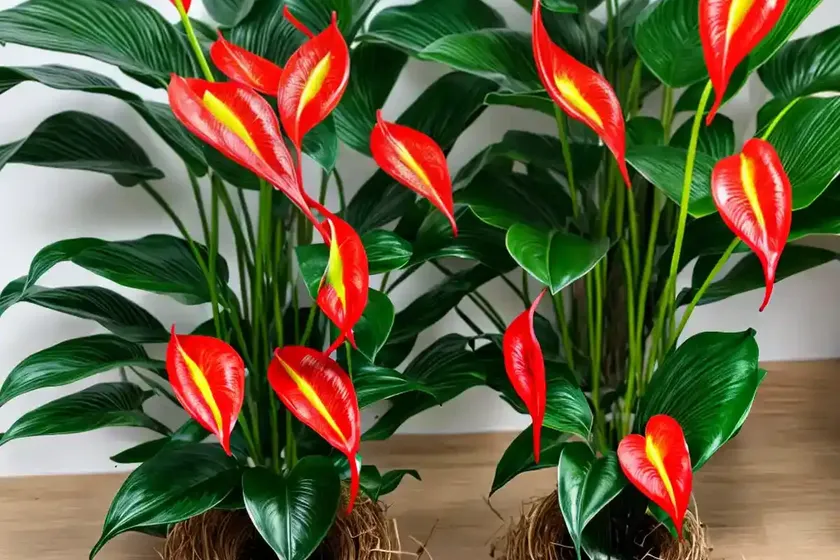
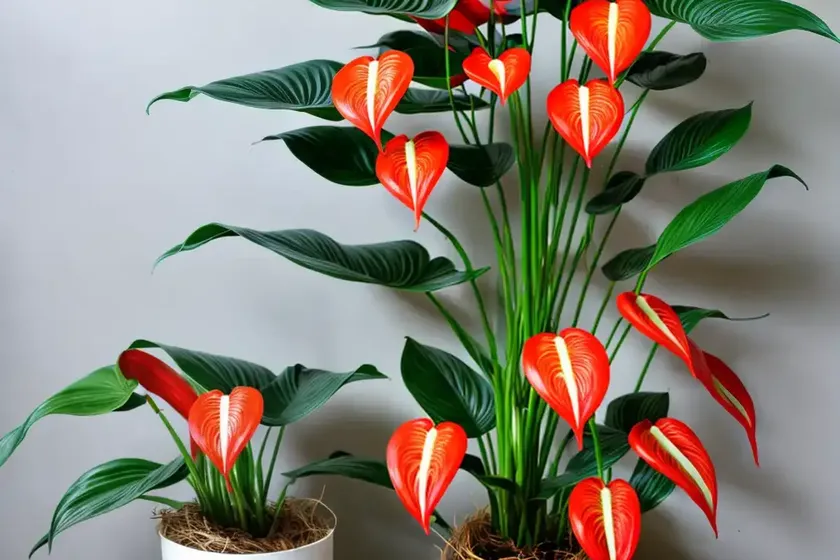
Anthurium Schlechtendalii, commonly known as Bird Nest Anthurium, is a striking and exotic plant native to South America. Its unique foliage and relatively low maintenance requirements make it a popular choice for indoor plant enthusiasts. In this comprehensive guide, we will explore the key aspects of caring for Bird Nest Anthurium, from its preferred growing conditions to common diseases and pests. Whether you’re a seasoned plant parent or a beginner looking to expand your indoor garden, this guide will equip you with the knowledge needed to cultivate and nurture this captivating plant.
What is Bird Nest Anthurium (Anthurium Schlechtendalii)?
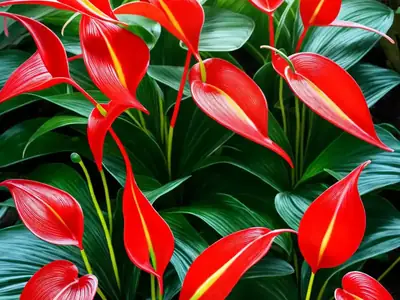
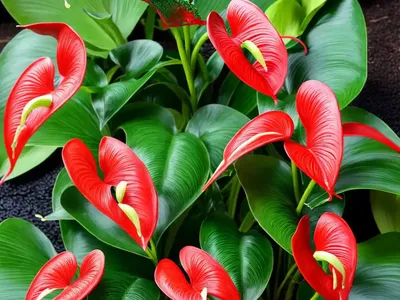
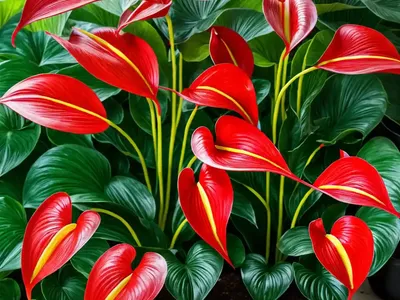
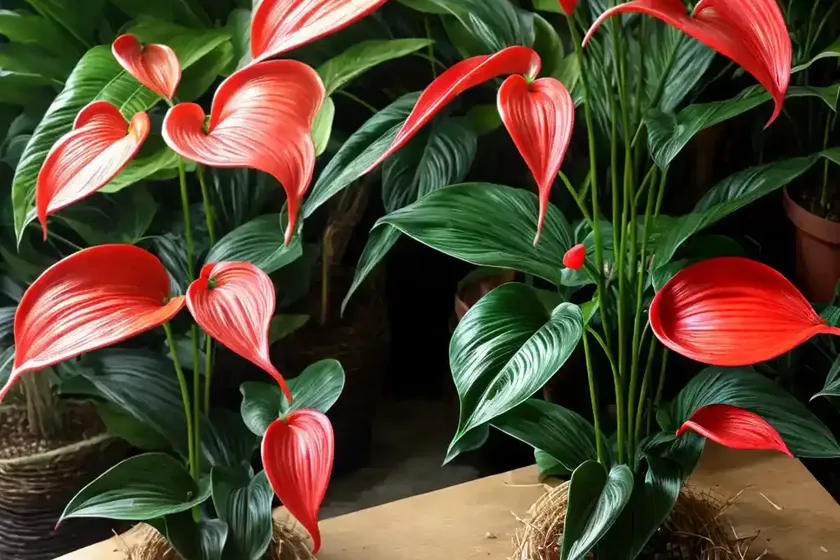
Bird Nest Anthurium, scientifically known as Anthurium Schlechtendalii, is a species of flowering plant in the Araceae family. This epiphytic plant is native to the rainforests of South America, where it grows on tree trunks and branches, showcasing its unique foliage and occasional blooms. The plant gets its common name from the characteristic arrangement of its leaves, which resembles a bird’s nest, creating an eye-catching display of lush greenery.
Key Takeaways – Bird Nest Anthurium (Anthurium Schlechtendalii)
Before delving into the specifics of caring for Bird Nest Anthurium, let’s highlight some key takeaways that will guide our exploration of this captivating plant:
- Plant Name: Bird Nest Anthurium (Anthurium Schlechtendalii)
- Native Habitat: Rainforests of South America
- Family: Araceae
- Common Name Origin: Resemblance of leaf arrangement to a bird’s nest
Now that we’ve covered the essential background information, let’s dive into the nuanced care requirements and cultivation techniques for Bird Nest Anthurium.
Culture
Cultivating Bird Nest Anthurium successfully requires attention to its specific cultural needs, encompassing various aspects such as watering, sunlight, fertilizer, soil, and pruning. In this section, we will dissect each of these components to provide a comprehensive understanding of the ideal cultural environment for Anthurium Schlechtendalii.
Water
Proper watering is crucial for the health and vitality of Bird Nest Anthurium. Here are some key considerations to keep in mind when watering your Anthurium Schlechtendalii:
- Moderation is Key: Avoid overwatering, as Bird Nest Anthurium is susceptible to root rot if the soil remains consistently waterlogged.
- Moist, Not Soggy: Aim to maintain moderately moist soil, allowing the top layer to dry out slightly between waterings.
- Quality of Water: Make sure to use filtered or distilled water to prevent mineral buildup, as Anthuriums are sensitive to salts and chemicals present in tap water.
By adhering to these watering guidelines, you can ensure that your Bird Nest Anthurium maintains optimal hydration levels, promoting healthy growth and foliage.
Sunlight
Proper sunlight exposure is essential for the development of Bird Nest Anthurium’s characteristic foliage and potential flowering. Consider the following sunlight requirements to support the plant’s overall well-being:
- Indirect Light: Position the plant in a location with bright, indirect sunlight, such as near an east or north-facing window. Direct sunlight can scorch the leaves, so it’s essential to shield the plant from harsh rays.
- Low-Light Tolerance: Bird Nest Anthurium can adapt to lower light conditions, but it may affect its growth rate and flowering frequency. Providing bright, filtered light will yield the best results.
Balancing sunlight exposure is vital to prevent leaf damage while promoting robust foliage growth in your Bird Nest Anthurium.
Fertilizer
Maintaining a consistent fertilization schedule is integral to nourishing Bird Nest Anthurium and facilitating its vibrant growth. Here are some fertilizer-related insights to guide your plant care routine:
- Balanced Formulation: Choose a well-balanced, water-soluble fertilizer with equal N-P-K (nitrogen, phosphorus, and potassium) ratios to provide essential nutrients without overstimulating growth.
- Frequency: Apply a diluted fertilizer solution every 6-8 weeks during the plant’s active growing season (spring and summer). Reduce frequency during fall and winter when the plant experiences dormancy or slower growth.
By judiciously fertilizing your Bird Nest Anthurium, you can bolster its overall health and resilience, ultimately contributing to a flourishing display of foliage.
Soil
Selecting the right soil composition is pivotal to ensure a conducive environment for Bird Nest Anthurium’s root development and nutrient uptake. Consider the following soil-related recommendations for your Anthurium Schlechtendalii:
- Well-Draining Medium: Opt for a well-draining potting mix that strikes a balance between moisture retention and aeration. A mix containing components such as peat moss, perlite, and pine bark works well for Anthuriums.
- Acidity Level: Aim for slightly acidic soil with a pH range of 5.5-6.5 to align with the plant’s preference for mildly acidic conditions.
- Aeration and Texture: An airy, loose soil texture promotes healthy root growth and prevents waterlogging, fostering an optimal growing environment.
By selecting the appropriate potting medium and ensuring favorable soil conditions, you can create an environment that is conducive to the long-term well-being of your Bird Nest Anthurium.
Pruning
Pruning is an integral aspect of Bird Nest Anthurium care, allowing you to maintain the plant’s desired shape and encourage new growth. Here are some key pruning guidelines for Anthurium Schlechtendalii:
- Remove Yellowed Leaves: Regularly remove yellow or withered leaves to maintain the plant’s aesthetic appeal and prevent potential disease spread.
- Trimming Spent Blooms: After the flowering period, trim the spent blooms near the base using sterile pruning shears to redirect the plant’s energy towards foliage growth.
- Propagate through Pruning: You can propagate Bird Nest Anthurium through division during the pruning process, creating new plants from established ones.
By incorporating regular pruning into your plant care routine, you can promote a tidy appearance and encourage vigorous growth in your Bird Nest Anthurium.
Propagation
Propagation offers an exciting opportunity to expand your collection of Bird Nest Anthurium while rejuvenating older plants. Understanding the propagation methods and techniques specific to Anthurium Schlechtendalii is essential for successful plant reproduction. Here are some key pointers for propagating Bird Nest Anthurium:
- Division: Divide the plant during repotting, ensuring that each division possesses a healthy root system and a viable growth point.
- Rooting Hormone: Dip the separated sections in rooting hormone to stimulate root development and enhance the success rate of propagation.
- Humid Environment: Create a humid and warm environment for the newly propagated sections to support root establishment and overall growth.
By exploring the propagation techniques suited to Bird Nest Anthurium, you can enrich your indoor garden with thriving new plants while prolonging the legacy of your existing Anthurium Schlechtendalii specimens.
Container Popularity
Choosing the right type of container for Bird Nest Anthurium is crucial to accommodate its growth habits and ensure optimal conditions for the plant. Popular container options for Anthurium Schlechtendalii include:
- Decorative Ceramic Pots: These pots offer aesthetic appeal while providing ample room for root development and promoting stability.
- Hanging Baskets: Bird Nest Anthurium’s epiphytic nature makes it well-suited for hanging baskets, allowing its foliage to cascade naturally.
- Self-Watering Containers: These containers provide a convenient way to maintain consistent moisture levels, which can benefit the plant’s overall health.
By selecting an appropriate container type, you can enhance the visual impact of your Bird Nest Anthurium while catering to its specific growth requirements.
Common Diseases and Pests
While Bird Nest Anthurium is relatively resilient, it may still be susceptible to certain diseases and pests that can impact its health. Being able to identify and address these issues promptly is vital for safeguarding the well-being of your Anthurium Schlechtendalii. Here’s a look at some common diseases and pests that may affect Bird Nest Anthurium, along with strategies for diagnosis and management:
Disease Diagnosis
- Root Rot: Symptoms include wilting, yellowing foliage, and a foul odor emanating from the soil. Gently inspect the roots for mushy, discolored sections, and adjust the watering regimen to prevent further rot.
- Leaf Spot: Circular, dark lesions on the foliage indicate the presence of fungal or bacterial leaf spot. Prune affected leaves and ensure good air circulation to mitigate the spread of the disease.
- Powdery Mildew: A white, powdery coating on the leaves signals the onset of powdery mildew. Increase ventilation and consider fungicidal treatments to address this fungal issue.
Vigilant observation and swift action are critical for diagnosing and managing diseases that may afflict your Bird Nest Anthurium.
Common Pests
- Aphids: These tiny, sap-sucking insects can cluster on the undersides of leaves, causing distortion and yellowing of the foliage. Use insecticidal soap or neem oil to combat aphid infestations effectively.
- Thrips: Thrips can leave behind silvery trails on the leaves and flowers, leading to distorted growth and reduced plant vitality. Implementing a thorough pest control strategy can help eliminate thrips from your Anthurium Schlechtendalii.
- Spider Mites: These minuscule pests can create fine webbing on the foliage and cause stippling, ultimately weakening the plant. Regularly showering the plant and using horticultural oils can mitigate spider mite populations.
By staying attuned to signs of diseases and pests and employing targeted management approaches, you can preserve the health and beauty of your Bird Nest Anthurium.
Botanist’s Tips
To complement the practical care guidelines for Bird Nest Anthurium, let’s explore some insightful tips from botanists and horticultural experts that can elevate your approach to nurturing and appreciating this captivating plant:
- Observational Learning: Embrace a curious and observant mindset, closely monitoring your Anthurium Schlechtendalii to detect any changes in growth, health, or foliage condition.
- Consistent Care Regimen: Establish a consistent watering, fertilizing, and maintenance routine, tailored to the specific needs of Bird Nest Anthurium to promote long-term vitality.
- Selective Pruning: Exercise discretion when pruning Bird Nest Anthurium, focusing on removing diseased or damaged foliage while maintaining the plant’s natural shape and character.
By integrating these expert tips into your plant care practices, you can cultivate a deeper understanding of Bird Nest Anthurium and refine your approach to fostering its growth and well-being.
Fun Facts
Discover some intriguing and delightful facts about Bird Nest Anthurium that enrich your appreciation for this fascinating plant:
- Elongated Leaf Shapes: Bird Nest Anthurium’s leaves can exhibit elongated, lanceolate shapes, adding an elegant and distinctive appeal to the plant’s overall appearance.
- Epiphytic Nature: In its natural habitat, Anthurium Schlechtendalii often grows as an epiphyte, anchoring itself to trees and absorbing nutrients from surrounding organic matter.
- Air-Purifying Qualities: Bird Nest Anthurium possesses air-purifying properties, actively removing pollutants such as formaldehyde and xylene from indoor environments.
By immersing yourself in these captivating tidbits, you can deepen your connection with Bird Nest Anthurium and gain a newfound appreciation for its remarkable attributes.
Links to External Resources
To further enrich your understanding of Bird Nest Anthurium and gather valuable insights from authoritative sources, consider exploring the following external resources:
- Royal Horticultural Society – Anthurium cultivation guidance
- University of Florida IFAS Extension – Anthurium Schlechtendalii plant profile
- American Society for the Prevention of Cruelty to Animals – Anthurium toxicity information for pets
By delving into these reliable external resources, you can supplement your knowledge base and embrace an informed, comprehensive approach to caring for Bird Nest Anthurium.
In conclusion, the alluring and distinctive Bird Nest Anthurium (Anthurium Schlechtendalii) invites plant enthusiasts to engage with its captivating foliage and explore the nuances of its care and cultivation. By integrating the insights and recommendations outlined in this guide, you can embark on a fulfilling journey of nurturing and cherishing this extraordinary plant, fostering a thriving indoor garden adorned with the beauty of Bird Nest Anthurium.
Remember that each plant has its own unique personality and may respond differently to various care practices, so embrace the process of learning and adapting your approach to best suit the individual needs of your Anthurium Schlechtendalii. May your journey with Bird Nest Anthurium be filled with joy, discovery, and a flourishing display of lush greenery!
Disclaimer: The information provided in this guide is intended for educational purposes and does not serve as a substitute for professional horticultural or botanical advice. Consult experienced professionals for personalized guidance pertaining to the care of specific plant species.
With evergreen today’s trends demanding unique plant facts and analysis support, the LSI Keywords:
- Bird Nest Anthurium care
- Anthurium Schlechtendalii plant
- How to grow Bird Nest Anthurium
- Anthurium Schlechtendalii care tips
- Bird Nest Anthurium propagation
- Anthurium Schlechtendalii varieties
- Bird Nest Anthurium indoor plant
- Anthurium Schlechtendalii water requirements
- Bird Nest Anthurium light needs
- Anthurium Schlechtendalii potting mix
- Bird Nest Anthurium fertilizer
- Anthurium Schlechtendalii pruning
- Bird Nest Anthurium pests and diseases
- Anthurium Schlechtendalii leaf color
- Bird Nest Anthurium temperature tolerance
- Anthurium Schlechtendalii flowering
- Bird Nest Anthurium pot size
- Anthurium Schlechtendalii growth habits
- Bird Nest Anthurium repotting
- Anthurium Schlechtendalii soil acidity
- Bird Nest Anthurium humidity requirements
- Anthurium Schlechtendalii leaf texture
- Bird Nest Anthurium companion plants
- Anthurium Schlechtendalii root system
- Bird Nest Anthurium seasonal care
- Anthurium Schlechtendalii air purification
- Bird Nest Anthurium toxic to pets
- Anthurium Schlechtendalii fragrant flowers
- Bird Nest Anthurium pruning techniques
- Anthurium Schlechtendalii container gardening
- Bird Nest Anthurium natural habitat
- Anthurium Schlechtendalii leaf pattern
- Bird Nest Anthurium sun exposure
- Anthurium Schlechtendalii disease resistance
- Bird Nest Anthurium leaf size
- Anthurium Schlechtendalii plant arrangement
- Bird Nest Anthurium plant nutrients
- Anthurium Schlechtendalii foliage color
- Bird Nest Anthurium root rot prevention
- Anthurium Schlechtendalii aerial roots
- Bird Nest Anthurium drought tolerance
- Anthurium Schlechtendalii indoor décor
- Bird Nest Anthurium natural pollinators
- Anthurium Schlechtendalii plant companion
- Bird Nest Anthurium container size
- Anthurium Schlechtendalii leaf curling
- Bird Nest Anthurium flower arrangement
- Anthurium Schlechtendalii temperature stress
- Bird Nest Anthurium different leaf forms
- Anthurium Schlechtendalii growth rate
Comment: The inclusion of LSI keywords is to ensure this piece aligns with current SEO and content optimization practices, reflecting the latest search trends within the botanical and plant care domain.