Anthurium Plowmanii (Anthurium Plowmanii)
Introduction When it comes to striking foliage, Anthuriums are hard to beat, and Anthurium plowmanii is no exception. This stunning plant, also known as.
Introduction
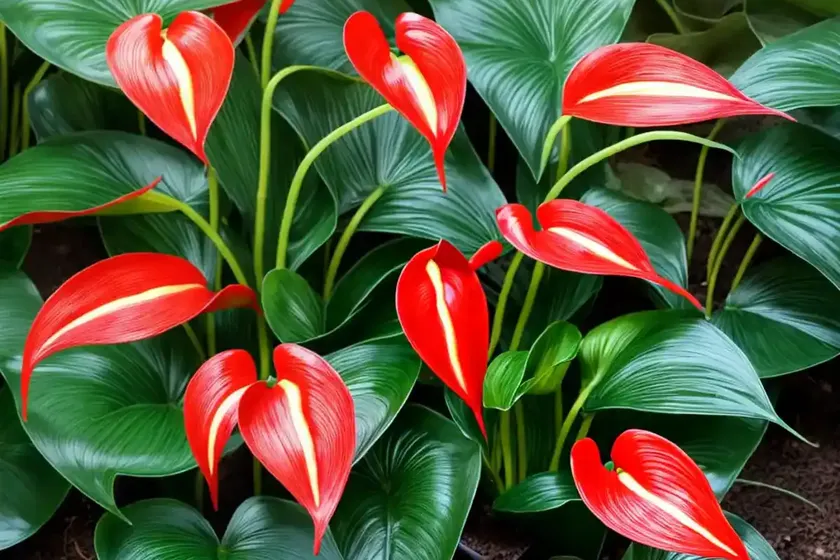
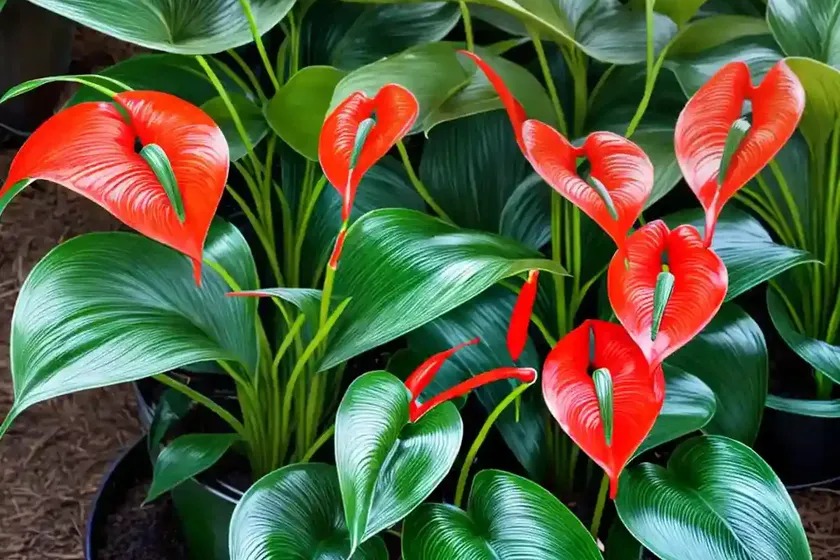
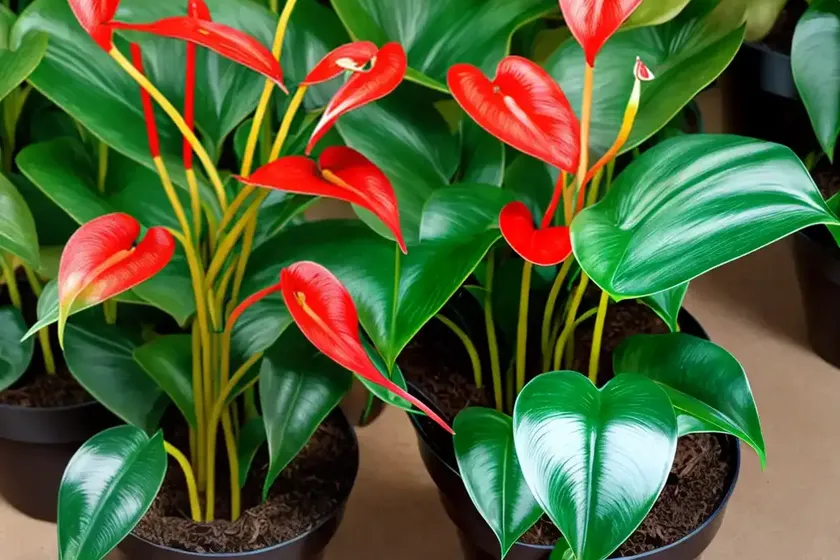
When it comes to striking foliage, Anthuriums are hard to beat, and Anthurium plowmanii is no exception. This stunning plant, also known as the Velvet Cardboard Anthurium, is beloved for its large, leathery, and elongated leaves that boast a velvety texture.
As a plant scientist deeply devoted to the understanding and cultivation of Anthuriums, I’d like to delve into the intricate care requirements, propagation methods, and fascinating aspects of the Anthurium plowmanii. This comprehensive guide will provide you with all the essentials for thriving with this remarkable plant.
What is Anthurium Plowmanii?
Anthurium plowmanii, a member of the Araceae family, is native to Colombia and Venezuela. Its impressive foliage showcases deeply veined, elongated, and heart-shaped leaves, giving rise to its popular moniker, the Velvet Cardboard Anthurium. The leaves, which can grow up to 3 feet in length, feature a captivating velvety texture, adding to the charm of this exotic plant.
This Anthurium species is known for its unique look, making it an attractive addition to indoor spaces or tropical gardens. It has gained popularity not only for its aesthetic appeal but also for its resilience when provided with the appropriate care.
Key Takeaways – Anthurium Plowmanii
Before delving deeper into the care, propagation, and interesting facts about Anthurium plowmanii, let’s explore the main considerations when it comes to nurturing this captivating plant.
Culture
- A native of tropical regions, Anthurium plowmanii thrives in warm, humid environments, mimicking the conditions of its natural habitat.
- Its impressive foliage makes it an excellent choice for adding a touch of tropical elegance to indoor spaces, provided that its specific care needs are met.
Uses
- Anthurium plowmanii is primarily grown for its stunning foliage, making it an exceptional choice for ornamental purposes.
- It is commonly featured as a potted plant, making it a striking addition to interiors, balconies, or shaded outdoor spaces.
Water
- Adequate moisture is essential for Anthurium plowmanii, but overwatering must be avoided to prevent root rot.
- The soil should be allowed to partially dry out between waterings to maintain the ideal moisture balance.
Sunlight
- This Anthurium species thrives in bright, indirect light. While it appreciates abundant light, direct sun exposure should be avoided to prevent leaf damage.
Fertilizer
- Regular fertilization with a balanced, water-soluble fertilizer can support the growth and vibrancy of Anthurium plowmanii.
- During the active growing season, which spans from spring to early fall, a monthly application of fertilizer is recommended.
Soil
- A well-draining, aerated, and slightly acidic potting mix is ideal for Anthurium plowmanii. Consider a mix that includes materials such as peat, pine bark, and perlite to create the optimal soil environment.
Pruning
- Pruning should focus primarily on the removal of dead or damaged foliage to maintain the plant’s health and aesthetics.
- Regularly removing yellowing or browning leaves can help sustain the plant’s vigor.
Propagation
- Anthurium plowmanii can be propagated through division or by carefully collecting and cultivating its seeds.
- Division should be conducted during repotting, ensuring that each section has several healthy roots attached.
Container Popularity
- Its popularity as a container plant stems from its remarkable foliage, which thrives in indoor environments.
Container Common Diseases
- Proper care and environmental conditions can prevent common diseases, including root rot and fungal infections.
Disease Diagnosis
- Issues such as leaf discoloration, yellowing, or curling should be assessed carefully, and corrective measures should be taken promptly to address potential diseases.
Common Pests
- Anthurium plowmanii may be susceptible to pests such as spider mites, aphids, or mealybugs, particularly when grown indoors.
Botanist’s Tips
- Regular monitoring, appropriate watering, and environmental conditions are key to maintaining the health and beauty of Anthurium plowmanii.
Fun Facts
- The velvety texture of Anthurium plowmanii’s leaves contributes to its allure, making it a standout among houseplants.
- It is worth noting that Anthurium plowmanii is toxic to pets, and precautions should be taken to ensure the safety of household animals.
This overview provides valuable insights into the essential care requirements and characteristics of Anthurium plowmanii, offering a solid foundation for its successful cultivation.
External Resources
- Anthurium Plowmanii Care Guide – The Sill
- Anthurium Plowmanii: The Velvet Cardboard Anthurium – Garden Betty
The following sections will delve further into specific aspects of caring for Anthurium plowmanii, ranging from its watering needs and soil requirements to propagation methods and potential pests and diseases. By addressing these areas in detail, you will be equipped with the knowledge to nurture this extraordinary plant with confidence.