Flamingo Lily (Anthurium Andraeanum)
Plants play a crucial role in our lives, not only by beautifying our surroundings but also by contributing to our well-being. One such plant is the.
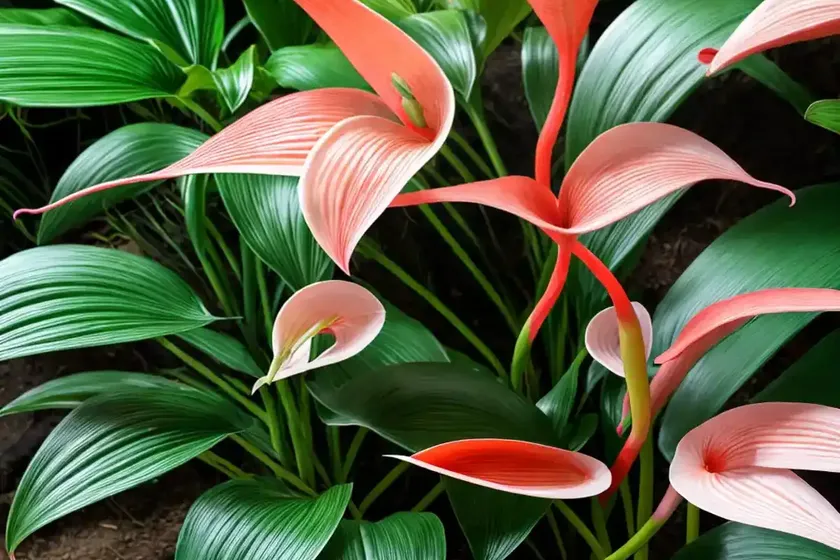
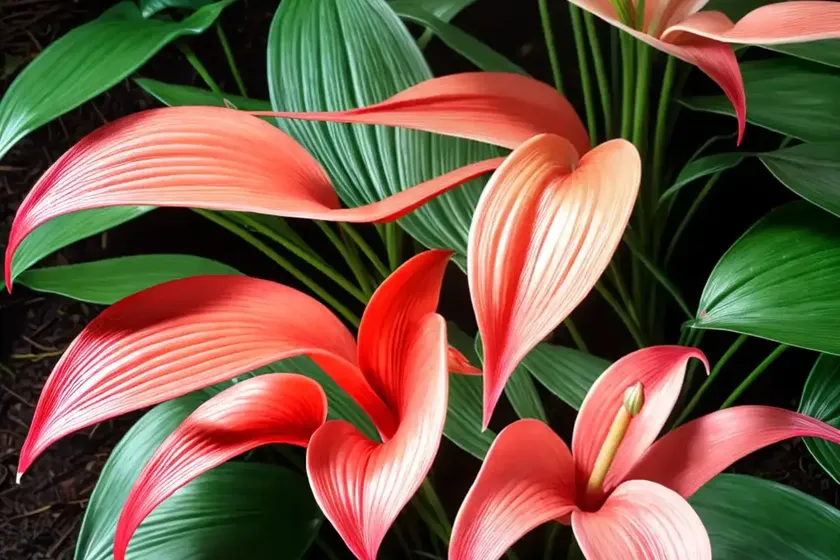
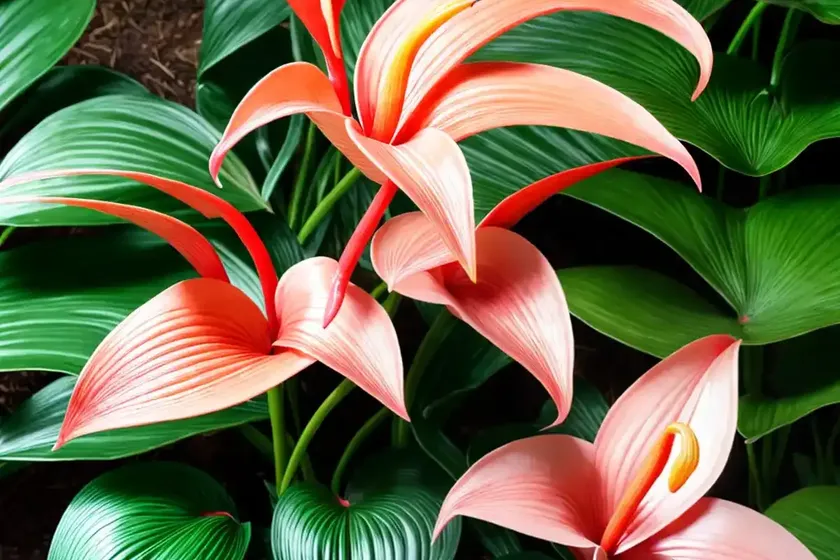
Plants play a crucial role in our lives, not only by beautifying our surroundings but also by contributing to our well-being. One such plant is the Flamingo lily, scientifically known as Anthurium andraeanum. This stunning flowering plant is popular for its vibrant blooms and long-lasting nature. In this comprehensive guide, we will delve into the various facets of Flamingo lily, from its cultural requirements to common diseases and pests, providing you with essential information to help you care for this exquisite plant and enjoy its beauty in your home.
What is Flamingo Lily (Anthurium andraeanum)?
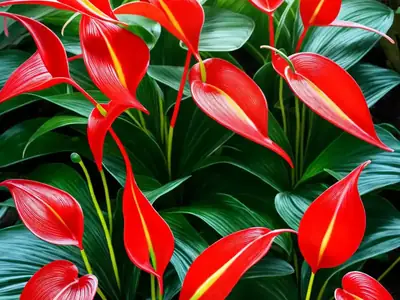
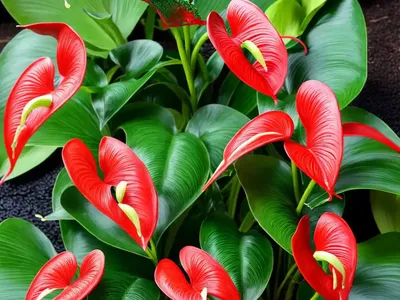
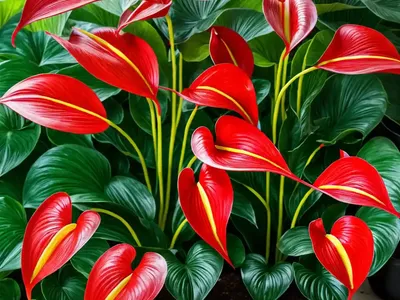
The Flamingo lily, or Anthurium andraeanum, is a member of the Araceae family and is native to the tropical rainforests of Central and South America. This evergreen perennial is cherished for its glossy, heart-shaped leaves and showy, waxy, heart-shaped flowers called spathes, which are available in an array of vibrant colors ranging from red, pink, and white to lavender and even green. The lustrous spathes are often mistaken for flowers but are actually modified leaves, while the true flowers are typically found on the spadix, a protruding column located within the spathe.
Key Takeaways – Flamingo Lily (Anthurium andraeanum):
- Scientific Name: Anthurium andraeanum
- Family: Araceae
- Common Names: Flamingo lily, painter’s palette, laceleaf
- Plant Type: Perennial, evergreen
- Foliage: Glossy, heart-shaped
- Flowers: Showy, waxy, heart-shaped spathes in various colors
- Sunlight: Indirect bright light
- Watering: Moderate, allowing for drying out between waterings
- Soil: Well-draining, rich potting mix
- Fertilization: Balanced liquid fertilizer every 4-6 weeks
- Pruning: Regular removal of spent flowers and yellowing leaves
- Propagation: Division, stem cuttings, or seeds
- Container: Suitable for pots with drainage holes
- Popularity: Widely popular as an indoor ornamental plant
- Common Diseases: Anthracnose, root rot, and bacterial infections
- Common Pests: Aphids, spider mites, and thrips
- Fun Facts: Anthurium andraeanum is known for its air-purifying properties and long-lasting blooms.
Now that we have an overview of the Flamingo lily, let’s dive deeper into its culture, uses, and care requirements to ensure its optimal growth and blooming.
Culture
Uses
Flamingo lilies are predominantly grown for their ornamental value. Their vibrant spathes make them popular as decorative indoor plants, adding elegance and color to homes, offices, and indoor spaces. The long-lasting nature of their blooms makes them ideal for gifting, and they are often used in floral arrangements and bouquets for their exotic appearance and lasting quality.
Care Requirements
Water
Proper watering is essential for the health and vigor of Flamingo lilies. These plants prefer consistently moist but not waterlogged soil. Overwatering can lead to root rot, while underwatering may cause the plant to wilt and the spathes to become droopy. It’s important to water the plant thoroughly and allow excess water to drain out of the pot to prevent waterlogging. To maintain the ideal moisture level, consider the following watering practices:
- Frequency: Water the plant when the top inch of the soil feels dry to the touch.
- Water Quality: Use room-temperature water to avoid shocking the plant.
- Watering Technique: Water thoroughly until water flows through the drainage holes, and discard any excess water collected in the saucer.
Sunlight
Flamingo lilies thrive in bright, indirect light, making them well-suited for locations with filtered sunlight or partially shaded spots. Direct sun exposure can scorch the delicate foliage and flowers, so it’s important to protect the plant from intense sunlight. Consider the following sunlight requirements when caring for Flamingo lilies:
- Indoor Placement: Choose a spot near a window with sheer curtains or blinds to filter the sunlight.
- Outdoor Setting: If grown outdoors, provide a sheltered location with dappled sunlight or partial shade.
Fertilizer
Applying the right fertilizer is crucial for promoting healthy growth and prolific blooming in Flamingo lilies. A balanced liquid fertilizer formulated for flowering houseplants can be used to provide essential nutrients to the plant. Follow these fertilizer guidelines for thriving Flamingo lilies:
- Application Frequency: Fertilize every 4-6 weeks during the growing season (spring and summer).
- Dilution and Application: Dilute the fertilizer to half the recommended strength and apply it to moist soil to avoid causing root burn.
- Winter Rest: Reduce or suspend fertilization during the plant’s dormant period in fall and winter.
Soil
The right soil composition is vital for the well-being of Flamingo lilies, as it affects their drainage, aeration, and nutrient availability. A well-draining, fertile potting mix with good moisture retention capacity is suitable for these plants. When considering the soil requirements for Flamingo lilies, keep the following factors in mind:
- Ingredients: A high-quality potting mix containing peat moss, perlite, and organic matter provides the ideal growing medium for Flamingo lilies.
- Drainage: Ensure that the potting mix is well-draining to prevent waterlogging, which can lead to root rot.
Pruning
Regular pruning and grooming are essential to maintain the attractive appearance of Flamingo lilies, remove spent blooms, and eliminate diseased or damaged foliage. Pruning also encourages new growth and flowering, contributing to the plant’s overall health. Follow these pruning guidelines to ensure the well-being of your Flamingo lilies:
- Deadheading: Remove faded or shriveled blooms promptly to promote continuous flowering.
- Leaf Maintenance: Trim yellowing or discolored leaves to enhance the plant’s aesthetic appeal and prevent the spread of diseases.
Propagation
Flamingo lilies can be propagated through several methods, including division, stem cuttings, and seeds. Each propagation technique requires specific conditions and considerations to ensure successful reproduction of the plant. Here’s an overview of the propagation methods commonly used for Flamingo lilies:
- Division: Divide mature plants during repotting, ensuring that each division has a healthy root system and adequate foliage.
- Stem Cuttings: Take stem cuttings from a healthy, mature plant and root them in a suitable propagation medium.
- Seeds: Sow fresh seeds in a warm, humid environment to encourage germination and subsequent growth.
Container
When selecting a container for Flamingo lilies, it’s important to choose one that provides adequate space for root development, efficient drainage, and stability for the growing plant. Consider the following container-related aspects when cultivating Flamingo lilies in pots:
- Size: Choose a container that accommodates the plant’s root system with some additional space for growth. Ensure that the pot is not excessively large, as excess soil can retain moisture and lead to root rot.
- Drainage Holes: Select a pot with drainage holes to prevent waterlogging and maintain proper soil moisture.
- Material: Opt for containers made of porous materials such as terracotta or ceramic to promote aeration and prevent soil compaction.
Popularity
Flamingo lilies have gained widespread popularity as indoor ornamental plants due to their striking appearance, long-lasting blooms, and relatively low maintenance requirements. Their elegant foliage and vibrant spathes make them a favorite choice for adding a touch of tropical beauty to interior spaces. Additionally, the air-purifying properties of Flamingo lilies further contribute to their appeal as decorative houseplants.
Common Diseases
Like all plants, Flamingo lilies are susceptible to certain diseases that can affect their overall health and appearance. Understanding the common diseases and their symptoms is essential for prompt diagnosis and appropriate intervention. Some of the prevalent diseases that can affect Flamingo lilies include:
- Anthurium Blight (Anthracnose): This fungal disease can cause leaf spots, stem lesions, and flower blight, leading to the decline of the plant’s health and vitality.
- Root Rot: Overwatering and poorly draining soil can result in root rot, causing the plant to wilt, lose vigor, and display yellowing or browning of the foliage.
- Bacterial Infections: Bacterial diseases can manifest as leaf spots, soft rot, or wilting, compromising the plant’s overall vigor and appearance.
Disease Diagnosis
Prompt identification of the symptoms associated with common diseases is crucial for implementing effective treatment and preventing the spread of infections. When diagnosing diseases in Flamingo lilies, observe the following indicators and take appropriate action:
- Leaf Spots: Note the appearance and progression of any spots or lesions on the foliage, as these can indicate fungal or bacterial infections.
- Browning and Wilting: Monitor the plant for signs of wilting, browning, or softening of the foliage, which may indicate root rot or other physiological disorders.
- Flower Blight: If the spathes or true flowers show signs of discoloration, rot, or blemishes, consider the possibility of fungal or bacterial infections and take necessary measures.
Common Pests
Flamingo lilies are susceptible to attack by various pests that can compromise their health and vitality if left unchecked. Identifying common pests and implementing appropriate pest management strategies is essential for preserving the well-being of the plant. Some of the typical pests that may affect Flamingo lilies include:
- Aphids: These small, soft-bodied insects can congregate on the undersides of leaves and feed on the plant’s sap, leading to stunted growth and distorted foliage.
- Spider Mites: These tiny arachnids can infest the plant, causing stippling, webbing, and leaf yellowing, ultimately weakening the plant’s vigor.
- Thrips: Thrips can cause silvering or bronzing of the foliage, as well as distortion of flowers and buds, impacting the plant’s overall appearance and health.
Botanist’s Tips
To ensure the successful cultivation of Flamingo lilies and promote their vitality and beauty, consider the following botanist’s tips for caring for these stunning plants:
- Humidity Maintenance: Flamingo lilies thrive in high humidity environments. Consider placing the plant on a tray filled with pebbles and water to boost local humidity levels.
- Temperature Control: Maintain a consistent temperature range of 65-80°F (18-27°C) to provide an optimal growing environment for Flamingo lilies.
- Air Circulation: Ensure adequate air circulation around the plant to prevent the development of fungal diseases and create an optimal growth environment.
Fun Facts
Flamingo lilies, or Anthurium andraeanum, are not only admired for their enchanting beauty but also for their intriguing characteristics and benefits. Here are some fun facts about these captivating plants:
- Air-Purifying Properties: Flamingo lilies are known for their ability to purify the air by removing harmful toxins, making them beneficial additions to indoor spaces.
- Longevity of Blooms: The striking spathes of Flamingo lilies are known for their long-lasting nature, bringing continuous beauty and elegance to any environment.
- Variety of Colors: The spathes of Flamingo lilies are available in an assortment of vibrant colors, offering a wide range of options for adding a pop of color to interiors.
Links to External Resources
For further information about the care and cultivation of Flamingo lilies (Anthurium andraeanum), consider exploring the following external resources:
- Flamingo Lily Care Guide – The Spruce
- Anthurium Care Tips – Better Homes & Gardens
- Growing Anthuriums Indoors – University of Florida Extension
In conclusion, Flamingo lily (Anthurium andraeanum) is a captivating plant that offers an abundance of beauty, elegance, and health benefits. By understanding the cultural requirements, care guidelines, and potential challenges associated with this ornamental plant, enthusiasts and growers can cultivate thriving Flamingo lilies, adding a touch of tropical allure to their indoor spaces.
Remember that each plant is unique, and while this guide provides comprehensive care instructions, it’s essential to observe and adapt to the specific needs of your Flamingo lily to ensure its optimal growth, blooming, and overall well-being. With proper care and attention, Flamingo lilies can brighten any space with their enchanting spathes and lush foliage, delighting plant enthusiasts and admirers with their enduring charm.
Keywords: Anthurium andraeanum care, Flamingo lily plant, Anthurium andraeanum varieties, How to grow Anthurium andraeanum, Flamingo lily care tips, Anthurium andraeanum indoor plant, Anthurium andraeanum soil requirements, Flamingo lily propagation, Anthurium andraeanum watering, Flamingo lily light requirements, Anthurium andraeanum flower colors, Flamingo lily potting mix, Anthurium andraeanum pest control, Flamingo lily plant diseases, Anthurium andraeanum pruning, Flamingo lily indoor plant care, Anthurium andraeanum humidity needs, Flamingo lily fertilization, Anthurium andraeanum toxic to pets, Flamingo lily common problems, Anthurium andraeanum repotting, Flamingo lily leaf care, Anthurium andraeanum temperature requirements, Flamingo lily propagation methods, Anthurium andraeanum bloom time, Flamingo lily pot selection, Anthurium andraeanum light preferences, Flamingo lily leaf discoloration, Anthurium andraeanum pruning techniques, Flamingo lily air purification, Anthurium andraeanum staking, Flamingo lily toxic to humans, Anthurium andraeanum indoor air quality, Flamingo lily natural habitat, Anthurium andraeanum water retention, Flamingo lily leaf spot treatment, Anthurium andraeanum flower arrangement ideas, Flamingo lily growth stages, Anthurium andraeanum pet-friendly plants, Flamingo lily humidity control, Anthurium andraeanum plant novices, Flamingo lily leaf curling, Anthurium andraeanum sunlight exposure, Flamingo lily flower symbolism, Anthurium andraeanum common names, Flamingo lily repotting frequency, Anthurium andraeanum fragrance, Flamingo lily indoor air purifier, Anthurium andraeanum foliage patterns, Flamingo lily seasonal care