Ant Plant (Hydrophytum Formicarum)
Plants have always been a source of fascination for human beings. From their aesthetic appeal to their myriad uses in different cultures, plants have been.
Plants have always been a source of fascination for human beings. From their aesthetic appeal to their myriad uses in different cultures, plants have been an integral part of human life. One such intriguing plant is the Ant Plant, scientifically known as Hydrophytum Formicarum. This unique plant has gained attention due to its symbiotic relationship with ants and its distinctive growth habits. In this comprehensive guide, we will explore the characteristics of the Ant Plant, its cultivation, care requirements, and much more. By the end of this article, you will have a profound understanding of this captivating plant, allowing you to grow and nurture it in your own garden.
Introduction to the Ant Plant (Hydrophytum Formicarum)
The Ant Plant is a fascinating epiphytic plant that belongs to the Rubiaceae family. It is native to Southeast Asia, where it is often found growing on the trunks and branches of trees in tropical rainforests. One of the most intriguing aspects of the Ant Plant is its unique relationship with ants. The plant provides a sheltered space for the ants within its swollen, hollowed-out stem, while the ants, in turn, offer protection to the plant against herbivores and other threats. This symbiotic relationship is an excellent example of the complex and intricate interactions that exist within natural ecosystems.
Key Takeaways
The key takeaways of this guide will cover essential aspects of the Ant Plant, including its care requirements, characteristics, habitat, and uses. As we delve into each section, we will explore the fascinating world of the Ant Plant and equip you with the knowledge to successfully grow and care for this unique plant.
Characteristics of the Ant Plant
Before delving into the care and cultivation of the Ant Plant, it’s essential to understand its unique characteristics, which contribute to its allure and appeal to plant enthusiasts.
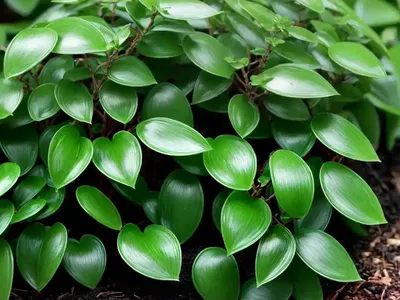
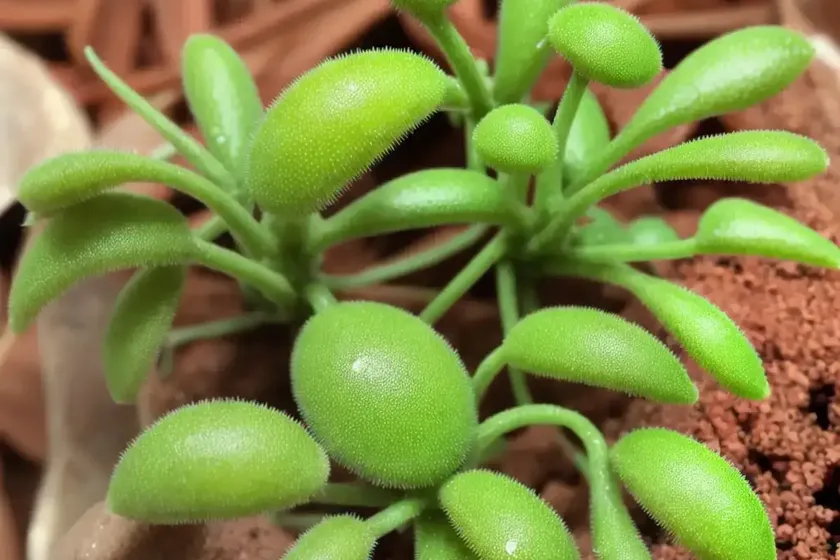
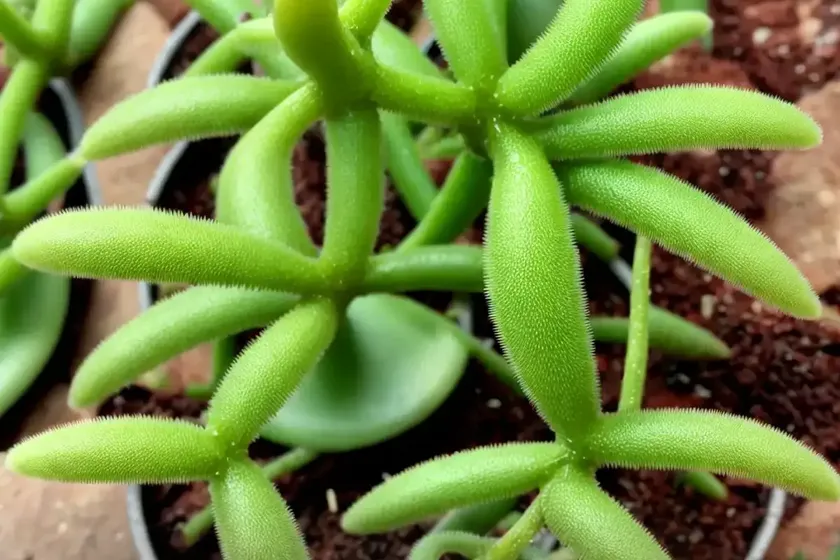
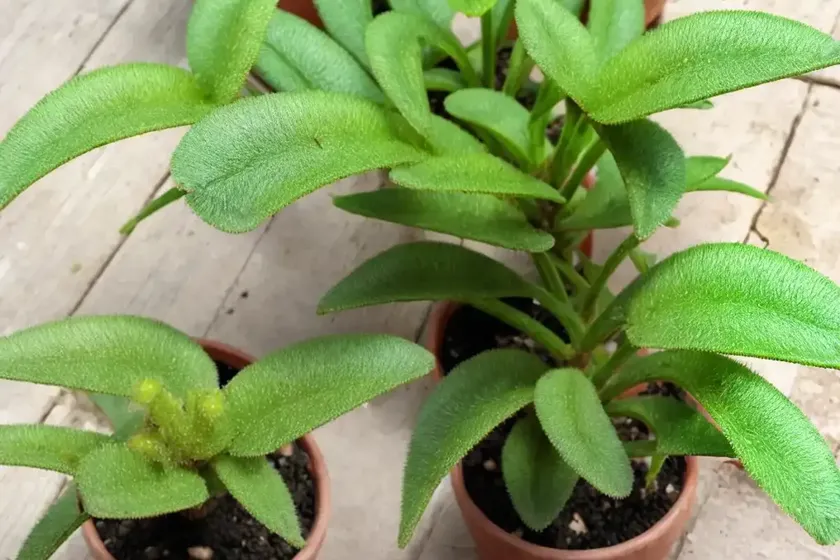
The Ant Plant is easily distinguishable by its tubular, swollen stem, which serves as a natural habitat for the ants. Its leaves are glossy and dark green, providing a striking contrast to the pale stems. The plant produces small, white, or pale pink flowers that add to its visual appeal. The intricate relationship between the plant and the ants can be observed when carefully observing the hollowed-out portions of the stem, where the ants reside.
The striking appearance and the symbiotic relationship with ants make the Ant Plant a captivating addition to botanical collections and tropical gardens. Its unique growth habits and captivating appearance make it a conversation piece and a remarkable subject for observation.
Cultivation and Care Guide
When it comes to growing the Ant Plant, understanding its specific care requirements is essential. From water and sunlight to soil and pruning, ensuring that the plant’s needs are met is crucial for its health and vitality.
Water
The Ant Plant thrives in a consistently moist environment. As an epiphytic plant, it benefits from high humidity levels and regular watering. It’s important to maintain a well-draining substrate to prevent waterlogging, as this can lead to root rot and other related issues. During the growing season, it’s advisable to water the plant when the top layer of the substrate feels dry to the touch. In the winter months, it’s important to reduce the frequency of watering while still maintaining appropriate humidity levels.
Sunlight
In its natural habitat, the Ant Plant grows under the canopy of tropical rainforests, where it receives filtered sunlight. When cultivating the plant, it’s important to replicate these conditions by providing bright, indirect light. Direct exposure to harsh sunlight can lead to leaf scorch and may adversely affect the plant’s overall health. Placing the plant near a north or east-facing window is ideal, as it allows the plant to receive the gentle morning sun without being subjected to intense afternoon rays.
Fertilizer
Like many epiphytic plants, the Ant Plant has modest fertilizer requirements. During the growing season, a balanced, water-soluble fertilizer can be applied at half the recommended strength every two to four weeks. It’s important to refrain from over-fertilizing, as this can lead to salt buildup in the substrate and cause damage to the plant’s delicate root system.
Soil
Due to its epiphytic nature, the Ant Plant does not require traditional potting soil. Instead, it thrives in a well-draining substrate that mimics the organic matter found in the tree canopies of its natural habitat. A blend of coarse orchid bark, sphagnum moss, and perlite can provide the ideal growing medium for the Ant Plant. This mixture allows for adequate aeration and drainage while retaining the necessary moisture levels.
Pruning
Pruning the Ant Plant is primarily focused on the removal of dead or decaying plant material. Trimming away any damaged or discolored leaves helps maintain the plant’s overall health and aesthetic appeal. Additionally, removing old flower stalks can encourage the plant to redirect its energy towards new growth. When pruning the Ant Plant, it’s important to use clean, sharp tools to avoid causing unnecessary stress or damage to the plant.
Propagation
Propagation of the Ant Plant can be achieved through stem cuttings. Select a healthy, actively growing stem and carefully make a clean cut just below a node. The cutting can then be placed in a suitable rooting medium, such as a mix of perlite and peat moss. Providing consistent warmth and humidity can encourage the development of roots. Once the cutting has established a healthy root system, it can be potted into its own container.
Container Gardening
The Ant Plant can be grown in containers, provided that the appropriate growing conditions are met. When selecting a container, choose one with adequate drainage holes to prevent water from accumulating at the bottom. The chosen potting mix should be well-draining and provide ample aeration for the plant’s roots. Additionally, placing the container in a location with the right amount of sunlight and maintaining proper humidity levels can contribute to the plant’s success in a container garden.
Popularity and Common Uses
The Ant Plant has garnered attention and popularity among plant enthusiasts and collectors due to its striking appearance and intriguing relationship with ants. In botanical gardens and tropical plant collections, the Ant Plant serves as a focal point, captivating visitors with its unique growth habits and symbiotic associations. Additionally, its suitability for container gardening has made it an attractive choice for indoor and patio plant displays.
Beyond its ornamental appeal, the Ant Plant has cultural significance in certain regions where it is native. Its swollen, hollowed stems have been used traditionally in some indigenous cultures as natural containers for holding small items or even as sources of fresh water. The plant’s role in traditional medicine and folklore further adds to its cultural relevance and value.
Common Diseases and Pests
While the Ant Plant is relatively resilient, it is not immune to certain pests and diseases that can affect its health and vigor. Understanding the potential threats to the plant and employing preventative measures can help ensure its well-being.
Disease Diagnosis
Common diseases that may affect the Ant Plant include fungal infections such as root rot and leaf spot diseases. These conditions can arise from overwatering, poor air circulation, or excessive humidity. Symptoms of fungal issues may include wilting, yellowing, or browning of the leaves, as well as the development of mold or mildew on the plant’s surfaces. Promptly addressing these issues through appropriate cultural practices and, if necessary, targeted treatments can help mitigate the impact of these diseases.
Common Pests
Pests such as aphids, scale insects, and spider mites can pose a threat to the health of the Ant Plant. These pests often target the undersides of leaves and other tender plant parts, where they feed on the plant’s sap. Regularly inspecting the plant for signs of pest infestation and implementing mechanical or organic pest control methods can help prevent the escalation of pest-related issues.
Botanist’s Tips
As a botanist, it’s essential to not only appreciate the botanical qualities of the Ant Plant but also to understand the ecological connections and significance of this unique species. Observing the plant in its natural habitat and studying its interactions with other organisms can provide valuable insights into the complexities of tropical ecosystems.
When cultivating the Ant Plant, consider its role as a microhabitat for ants and appreciate the ecological function it serves within its environment. Creating a suitable environment for the plant while also respecting its natural associations can lead to a more enriching and sustainable gardening experience.
Fun Facts
- The Ant Plant’s specific epithet, “Formicarum,” is derived from the Latin word “formica,” which means ant. This nomenclature reflects the plant’s association with ants, underscoring its unique ecological niche.
- In addition to its use as a living habitat for ants, the Ant Plant has been historically utilized as a natural water reservoir in some cultures. The hollowed-out portions of the plant’s stem were utilized to store water, providing a valuable resource in tropical environments.
- Some species of ants that reside within the hollowed stems of the Ant Plant exhibit behaviors that contribute to the plant’s overall health. These ants can remove debris and detritus from the plant, effectively serving as caretakers within the symbiotic relationship.
Links to External Resources
- Ant Plant Care Guide – Royal Botanic Gardens, Kew
- Growing Exotic Epiphytic Plants – American Orchid Society
- Insect Pollinators and Their Ecological Importance – Smithsonian National Museum of Natural History
- Habitat Destruction and Its Impact on Plant Species – World Wildlife Fund
In conclusion, the Ant Plant (Hydrophytum Formicarum) stands out as an exceptional plant species due to its captivating appearance, ecological associations, and cultural significance. By understanding its care requirements and distinct characteristics, plant enthusiasts and botanists alike can appreciate the intricate beauty and ecological importance of this remarkable species. Whether grown in tropical gardens or as part of botanical collections, the Ant Plant continues to inspire fascination and offers valuable insights into the wonders of the natural world.