The Fascinating World of Bedstraw (Galium parisiense)
Plants have been an essential part of human life since ancient times. They provide us with food, medicine, and materials for clothing and shelter. However, their value goes beyond mere practicality. Plants have a rich cultural and symbolic significance, as well as important ecological roles. In this blog post, we delve into the captivating world of Bedstraw (Galium parisiense), exploring its cultural uses, ecological importance, and practical care tips for gardeners and plant enthusiasts.
What is Bedstraw (Galium parisiense)?
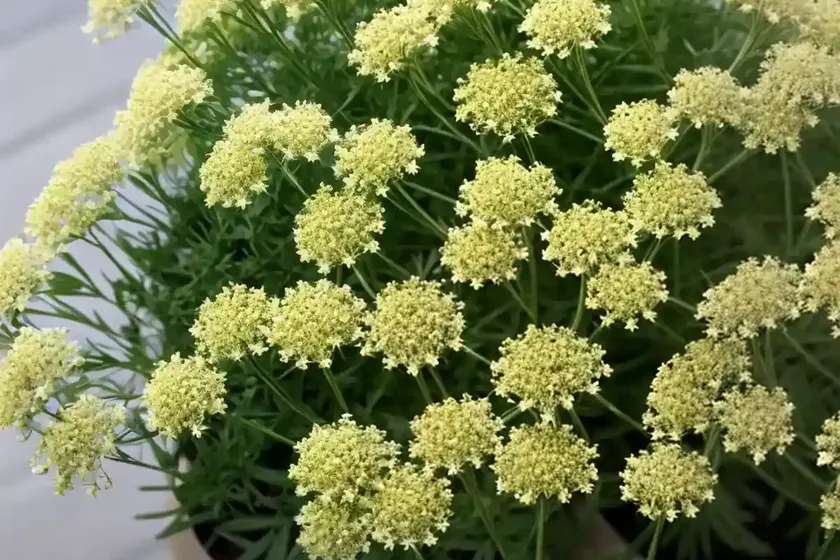
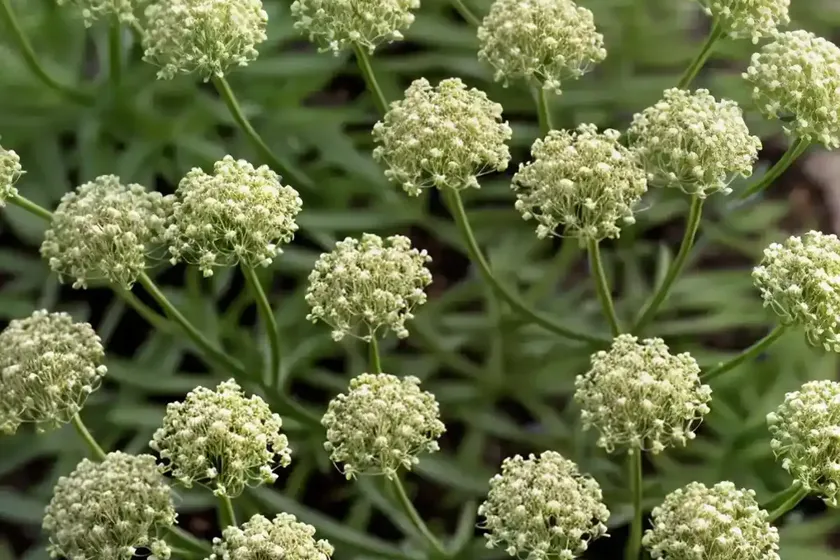
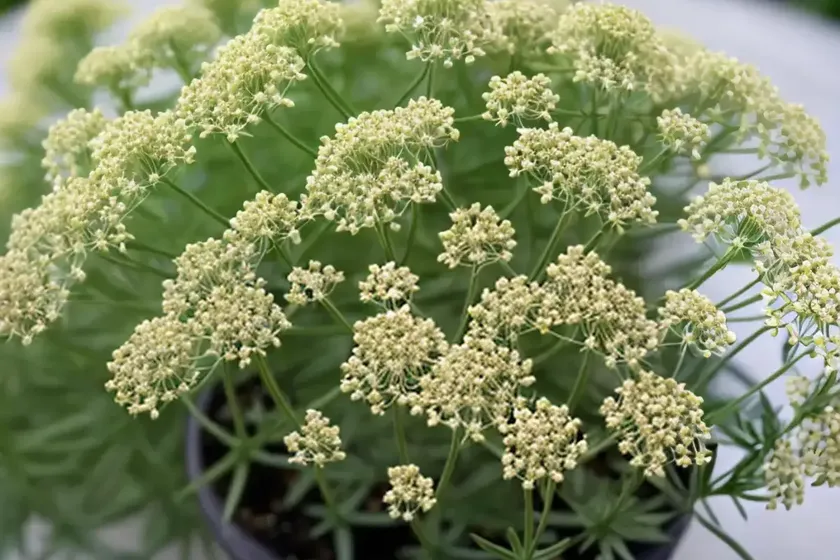
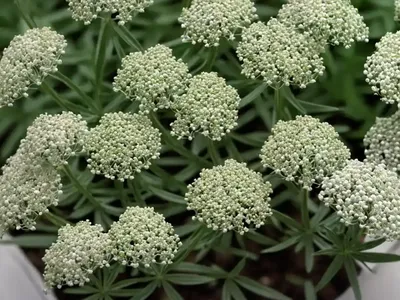
Bedstraw, scientifically known as Galium parisiense, is a herbaceous plant belonging to the Rubiaceae family. This perennial plant is native to Europe and Asia, where it thrives in a variety of habitats, from woodlands to grasslands. Bedstraw is characterized by its small, clustered flowers and whorled leaves, which give it a delicate and intricate appearance.
Key Takeaways: Bedstraw (Galium parisiense)
Before we delve deeper into the world of Bedstraw, let’s take a look at the key takeaways about this fascinating plant:
- Scientific Name: Galium parisiense
- Family: Rubiaceae
- Native Range: Europe and Asia
- Habitat: Varied, including woodlands and grasslands
- Characteristics: Whorled leaves and clustered flowers
- Cultural Uses: Medicinal and symbolic significance
- Ecological Role: Supports wildlife and contributes to biodiversity
- Gardening Tips: Requires well-draining soil and partial shade
Now, let’s explore various aspects of Bedstraw, including its cultural uses, ecological importance, and practical care tips for cultivating this unique plant.
Culture
Uses
Throughout history, Bedstraw has had a variety of traditional and cultural uses. From a medicinal herb to a symbol of good luck, this plant has contributed to human culture in numerous ways.
Medicinal Uses of Galium parisiense
In traditional medicine, various species of Galium, including Galium parisiense, have been used to prepare herbal remedies. The plant was believed to have diuretic and astringent properties, and it was used to treat urinary disorders, skin wounds, and other ailments.
The aerial parts of Bedstraw were often used in herbal infusions and tinctures. However, it’s essential to note that before using any plant for medicinal purposes, it’s crucial to consult a qualified healthcare professional.
Symbolism
As with many plants, Bedstraw has also carried symbolic significance in different cultures. In some traditions, it was considered a symbol of good luck and was used in floral arrangements and decorative wreaths.
In folklore, Bedstraw was associated with themes of purification and protection. Its delicate appearance and pleasant fragrance made it a popular choice for weaving into garlands and charms.
Care
Cultivating Bedstraw can be a rewarding experience for both novice and experienced gardeners. Here are essential care tips for growing and maintaining this unique plant.
Water
Bedstraw thrives in moist but well-draining soil. When establishing a new plant, it’s essential to water it regularly to help its roots establish. Once established, the plant is relatively drought-tolerant and can withstand moderate periods of dry soil.
Sunlight
In its natural habitat, Bedstraw is often found in partially shaded areas. When grown in gardens, it thrives in dappled light or partial shade, especially in regions with warm summers. However, it can also tolerate full sun if provided with adequate moisture.
Fertilizer
Bedstraw typically grows well in nutrient-rich soils and does not require heavy fertilization. However, if the plant is showing signs of nutrient deficiencies, a balanced, organic fertilizer can be applied in spring to support healthy growth and flowering.
Soil
The plant prefers moist, well-draining soils with a slightly acidic to neutral pH. Amending the soil with organic matter, such as compost or well-rotted manure, can help improve its structure and fertility, creating an optimal growing environment for Bedstraw.
Pruning
Pruning Bedstraw is generally minimal, mainly focused on removing spent flowers to encourage continuous blooming. In late fall or early spring, the plant can also be lightly trimmed to remove any dead or damaged growth.
Propagation
Bedstraw can be propagated through division or by collecting and germinating its seeds. Division is typically done in early spring or early autumn, while seeds can be sown in pots or directly in the garden, depending on the desired growing conditions.
Container Popularity
Due to its delicate appearance and relatively compact size, Bedstraw is a popular choice for container gardening. Its trailing growth habit makes it an excellent candidate for hanging baskets or as a cascading plant in mixed container arrangements.
Common Diseases
Like many plants, Bedstraw can be susceptible to certain diseases and pests. Here are some of the common diseases that may affect this plant and their typical symptoms:
Disease Diagnosis
- Powdery Mildew: A white or gray powdery substance on the leaves and stems.
- Root Rot: Wilting, yellowing leaves, and stunted growth, often accompanied by a foul odor from the roots.
Common Pests
Several pests can pose a threat to Bedstraw and may require appropriate management strategies. Some of the common pests include:
- Aphids: Small, sap-sucking insects found on the undersides of leaves.
- Spider Mites: Tiny arachnids that may cause webbing and stippling on the leaves.
Botanist’s Tips
For botanists and plant enthusiasts, Bedstraw presents an exciting subject for observation and study. Here are some tips for those interested in exploring the botanical aspects of this plant:
- Take note of the unique arrangement of leaves in whorls along the stem.
- Observe the delicate structure of the flowers and their role in attracting pollinators.
- Explore the natural habitat of Bedstraw and its interactions with other plant and animal species.
Fun Facts
Finally, let’s uncover some fascinating and lesser-known facts about Bedstraw that showcase its unique characteristics and cultural significance:
- In some regions, Bedstraw was historically used as a natural dye to produce red and pink colors.
- The plant is sometimes referred to as “Madder” due to its historical use in producing a red dye known as “madder red.”
- Bedstraw is a host plant for the caterpillars of certain butterfly species, supporting their life cycle and contributing to butterfly conservation efforts.
Links to External Resources
For further exploration of Bedstraw and related topics, here are some recommended external resources:
- Royal Horticultural Society – Galium Species
- Plants For a Future – Galium aparine
- The Herb Society – Bedstraw
In conclusion, Bedstraw (Galium parisiense) embodies a rich tapestry of cultural, ecological, and practical significance. From its traditional uses in medicine and folklore to its role in supporting biodiversity, this unassuming plant continues to captivate and inspire. Whether grown in a garden or encountered in the wild, Bedstraw invites us to appreciate the intricate beauty of the natural world and the enduring connections between plants and people. As we continue to explore and cherish the diverse plant species that share our planet, let us remember the valuable lessons and inspiration they provide.