Indian Mulberry (Morinda Citrifolia)
Plants have been an integral part of human culture and wellness for centuries, providing food, medicine, and aesthetic joy. Among the diverse range of.
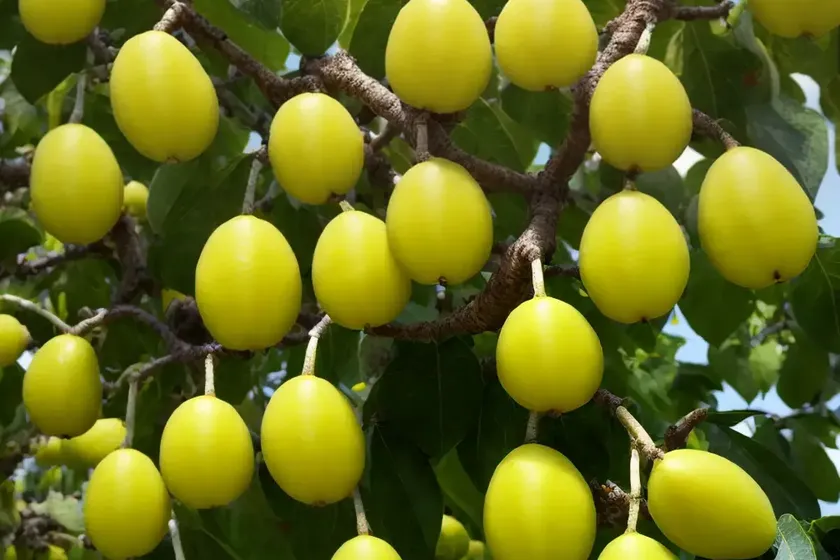
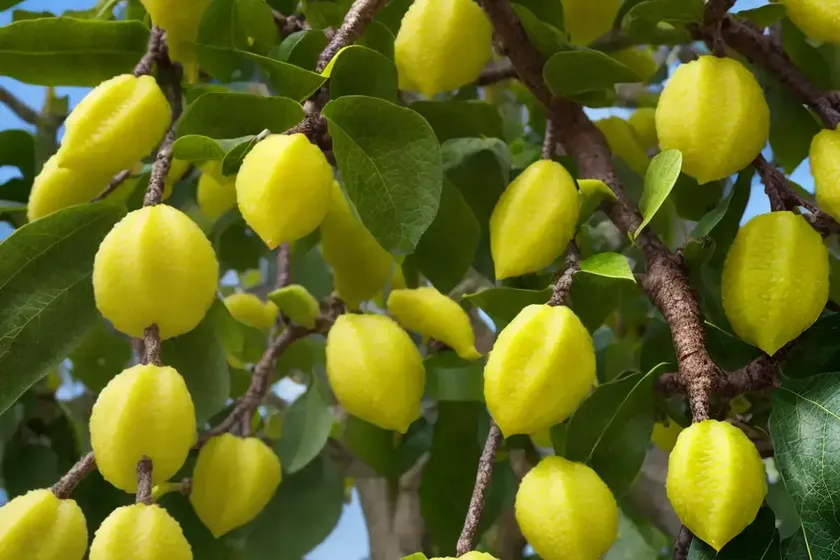
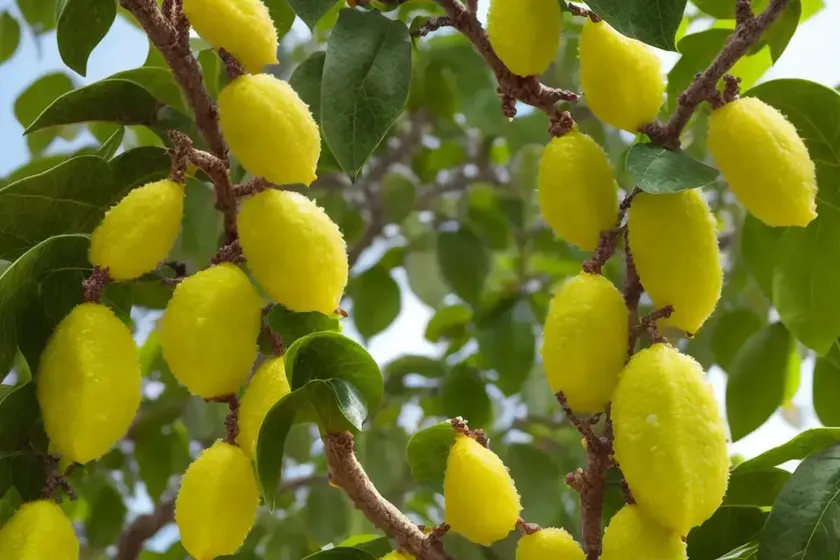
Plants have been an integral part of human culture and wellness for centuries, providing food, medicine, and aesthetic joy. Among the diverse range of plants, the Indian Mulberry (Morinda Citrifolia) stands out as a versatile and beneficial species with a rich cultural and traditional significance. In this comprehensive guide, we delve into the various aspects of Indian Mulberry, including its cultivation, uses, care, folklore, and much more.
What is Indian Mulberry (Morinda Citrifolia)?
Indian Mulberry, scientifically known as Morinda Citrifolia, is a perennial plant belonging to the coffee family, Rubiaceae. It is native to Southeast Asia, Australia, and the Pacific islands and is characterized by its glossy, dark green leaves, small white flowers, and distinct, multi-lobed fruit. The plant is widely cultivated for its medicinal, culinary, and ornamental purposes and has been an integral part of traditional medicine in various cultures for centuries.
Key Takeaways – Indian Mulberry (Morinda Citrifolia)
Before delving into the various aspects of Indian Mulberry, let’s take a quick look at the key takeaways, focusing on its benefits, uses, properties, care, and more.
Benefits
- Rich in essential nutrients and antioxidants
- Known for its medicinal properties
- Offers culinary and aesthetic benefits
- Culturally significant in folklore and traditional practices
Uses
- Medicinal applications in traditional medicine
- Culinary purposes, including juice, jam, and supplements
- Ornamental uses in landscaping and indoor cultivation
Properties
- Antioxidant-rich fruit
- Medicinally potent leaves, roots, and bark
- Ornamental foliage and flowers
Care
- Requires well-drained soil and adequate sunlight
- Tolerant of various climate conditions
- Low-maintenance plant with minimal pruning needs
- Easy propagation through seeds and cuttings
- Adaptable to both outdoor and indoor cultivation
- Susceptible to certain diseases and pests, requiring proactive care
Now, let’s explore these key takeaways in more detail to understand how to cultivate, use, and care for Indian Mulberry effectively.
Culture
The cultural significance of Indian Mulberry reflects in its traditional uses, folklore, and ethnobotanical relevance across various cultures. It has been an integral part of traditional medicine and is revered for its beneficial properties. Additionally, Indian Mulberry has found a place in folklore and myths, symbolizing vitality, health, and abundance in many cultures.
Folklore and Myths
Indian Mulberry is a subject of numerous folklore stories and myths, often portraying its fruit as a symbol of prosperity, vitality, and well-being. In some cultures, the fruit is believed to possess mystical properties and is associated with traditional ceremonies and rituals.
Traditional Uses
The plant’s roots, leaves, and fruits have been extensively used in traditional medicine across Southeast Asia and the Pacific islands. It is believed to have a wide range of medicinal properties, including anti-inflammatory, antibacterial, and antioxidant effects.
Ethnobotany
Indian Mulberry’s significance in traditional cultures and its ethnobotanical applications highlight its enduring importance as a source of medicine, nutrition, and cultural symbolism.
Uses
Medicinal Uses
Indian Mulberry is renowned for its medicinal properties, with various parts of the plant being used to address a wide array of health concerns. The fruit, leaves, roots, and bark are all valued for their potential therapeutic benefits.
Health Benefits
- Known for its antioxidant properties, supporting overall health and well-being
- Traditional use as a natural remedy for various ailments, such as inflammation, arthritis, and infections
Herbal Remedy
The plant’s leaves and roots are often prepared as herbal remedies, which are used in traditional medicine systems for their potential healing effects.
Culinary Uses
The fruit of Indian Mulberry is utilized in diverse culinary applications, offering a unique flavor and potential health benefits. From juices and jams to supplements, the fruit adds a distinctive touch to various dishes and beverages.
Nutritional Content
Indian Mulberry is rich in essential nutrients, including vitamins, minerals, and antioxidants, making it a valuable addition to a nutritious diet.
Culinary Delights
The fruit is often used to prepare juices, smoothies, jams, and dietary supplements, offering not only a unique flavor but also potential health-promoting effects.
Ornamental Purposes
Indian Mulberry’s lush foliage and delicate flowers make it a favored choice for ornamental planting, adding aesthetic value to gardens, landscapes, and indoor spaces.
Water
Achieving the right balance of water is crucial for the successful cultivation of Indian Mulberry. While the plant requires regular watering, it is essential to maintain well-drained soil to prevent waterlogging, which can lead to root rot.
Watering Tips
- Water the plant regularly, particularly during dry periods, to maintain adequate soil moisture
- Ensure proper drainage to prevent water accumulation around the roots
- Adjust the watering frequency based on the climatic conditions and soil moisture levels
Sunlight
Indian Mulberry thrives in full sunlight, benefiting from direct exposure to the sun for a significant portion of the day. Adequate sunlight is essential for the plant’s growth, fruit development, and overall health.
Sunlight Requirements
- Place the plant in a location that receives ample sunlight, preferably at least 6-8 hours of direct sunlight per day
- Ensure that the plant is shielded from excessive shade or obstructions that may hinder sunlight exposure
Fertilizer
Providing the right nutrients through fertilization is key to ensuring the healthy growth and fruiting of Indian Mulberry. While the plant is relatively low-maintenance, occasional fertilization can enhance its vigor and productivity.
Fertilization Guidelines
- Use a balanced fertilizer with equal proportions of nitrogen, phosphorus, and potassium for Indian Mulberry
- Apply fertilizer during the growing season, following the recommended dosage and frequency
- Avoid over-fertilization, as excessive nutrients can adversely impact the plant’s health and fruit quality
Soil
The choice of soil and its quality greatly influence the growth and overall health of Indian Mulberry. Well-drained, nutrient-rich soil provides an optimal environment for the plant to thrive.
Soil Requirements
- Opt for well-drained, loamy soil with good aeration
- Ensure a slightly acidic to neutral soil pH, ideally in the range of 6.0-7.0
- Incorporate organic matter, such as compost or well-rotted manure, to enrich the soil and improve its structure
Pruning
Pruning plays a vital role in maintaining the shape, health, and productivity of Indian Mulberry. While the plant generally requires minimal pruning, occasional trimming can help manage its size and promote fruiting.
Pruning Tips
- Remove any dead, damaged, or diseased branches and foliage as soon as they are noticed
- Trim the plant to control its growth and shape, if necessary, particularly for ornamental purposes
- Conduct pruning during the plant’s dormant season, typically in early spring
Propagation
Propagating Indian Mulberry can be achieved through various methods, offering opportunities to expand its cultivation and share its benefits with others.
Seed Propagation
- Collect mature seeds from ripe fruits and sow them in well-prepared soil
- Keep the soil consistently moist and provide adequate warmth for germination
- Transplant the seedlings to individual containers or desired growing locations once they are established
Cuttings
- Take semi-hardwood cuttings from healthy, disease-free branches
- Dip the cut ends in rooting hormone to enhance the chances of successful rooting
- Plant the cuttings in a well-draining medium and provide the necessary care to support their growth
Container Cultivation
Indian Mulberry adapts well to container cultivation, making it a versatile choice for indoor and outdoor planting in diverse settings.
Popularity in Containers
- Ideal for growing in containers on patios, balconies, and terraces
- Offers a compact yet productive option for home gardeners with limited space
- Provides the flexibility to move the plant and adjust its exposure to sunlight as needed
Container Requirements
- Select a spacious container with adequate drainage holes to accommodate the plant’s root system
- Use a well-draining potting mix designed for container cultivation
- Regularly monitor the plant’s moisture needs and adjust watering accordingly
Common Diseases
Indian Mulberry is susceptible to certain diseases that can affect its overall health and productivity. Understanding these diseases and their prevention is essential for effective plant care.
Disease Diagnosis
- Leaf spot diseases, caused by fungal pathogens, are common in Indian Mulberry and can manifest as dark spots on the foliage
- Root rot can occur due to waterlogged soil and can lead to wilting and decline of the plant
- Powdery mildew may affect the plant, appearing as a powdery white coating on the leaves
Disease Prevention
- Ensure adequate air circulation around the plant to minimize the risk of fungal diseases
- Avoid overwatering and maintain proper drainage to prevent root rot
- Monitor the plant regularly for signs of diseases and take prompt action if symptoms are observed
Common Pests
Pests can also pose a threat to Indian Mulberry, requiring proactive pest control measures to ensure the plant’s well-being.
Pest Identification
- Aphids, scale insects, and mealybugs are common pests that may infest Indian Mulberry, feeding on its sap and causing damage to the plant
- Caterpillars and fruit flies can also affect the foliage and fruits of the plant
Pest Control
- Implement cultural control measures, such as regular inspection and removal of pests by hand
- Consider natural predators or biological control agents to manage pest populations
- Use horticultural oils or insecticidal soaps to target specific pests while minimizing harm to beneficial insects
Botanist’s Tips
Drawing on botanical insights, we can further enhance our understanding of Indian Mulberry’s characteristics, growth habits, and environmental preferences.
Plant Description
- Indian Mulberry is a perennial shrub with glossy, dark green leaves and small, white, tubular flowers
- Its distinct fruits are ovoid to cylindrical in shape, featuring a knobby surface and a bright yellow hue when ripe
Plant Characteristics
- The plant exhibits a sprawling, bushy growth habit, reaching a mature height and spread of several feet
- Its foliage and fruits add visual interest, making it a desirable choice for both functional and ornamental purposes
Plant Distribution
- Indian Mulberry is distributed across various tropical and subtropical regions, including Southeast Asia, Australia, and the Pacific islands
- Its adaptability to diverse climatic conditions has facilitated its cultivation in numerous countries worldwide
Plant Classification
- Scientifically classified as Morinda Citrifolia, Indian Mulberry belongs to the family Rubiaceae
- Its taxonomic classification reflects its botanical relationships and evolutionary history within the plant kingdom
Habitat
- The plant thrives in warm, humid climates and favors well-drained, fertile soils
- Its natural habitat includes tropical and subtropical regions with ample sunlight and adequate moisture
Leaves, Flowers, and Fruits
- The plant’s leaves are dark green, glossy, and arranged in an opposite pattern along the stems
- Its delicate white flowers are clustered at the end of branches, adding ornamental appeal
- The fruit of Indian Mulberry is notable for its distinctive appearance and nutritional value, attracting human and animal consumption alike
Fun Facts
In addition to its practical uses and botanical characteristics, Indian Mulberry is endowed with intriguing and delightful aspects that enrich its appeal.
Cultural Significance
- Indian Mulberry holds a revered status in many cultures, symbolizing vitality, health, and abundance
- The plant’s fruit is incorporated into traditional ceremonies, rituals, and festive celebrations in various regions
Versatile Uses
- Apart from its medicinal and culinary applications, Indian Mulberry serves as an ornamental plant in gardens, parks, and landscapes
- Its adaptable nature makes it a sought-after choice for indoor and outdoor cultivation, adding aesthetic and functional value
Ethnobotanical Legacy
- The plant’s historical and cultural significance is preserved through its ongoing use in traditional medicine and wellness practices
- It continues to be an integral part of local traditions, folklore, and healing rituals in the regions where it is cultivated
Now that we have explored the diverse facets of Indian Mulberry, from its cultivation to its cultural significance, let’s delve into some additional resources for further information and a deeper understanding of this extraordinary plant.
Links to External Resources
For further insights, research, and practical guidance on Indian Mulberry (Morinda Citrifolia), here are some valuable external resources to explore:
- Indian Mulberry Benefits and Traditional Uses
- Cultivation Tips and Landscaping Ideas for Morinda Citrifolia
- Medicinal Properties and Herbal Remedies of Indian Mulberry
- Culinary Uses and Healthy Recipes Featuring Morinda Citrifolia
- Folklore, Myths, and Ethnobotanical Significance of Indian Mulberry
By delving into these resources, you can gain a comprehensive understanding of Indian Mulberry, its cultural context, and its diverse applications, providing valuable insights for enthusiasts, gardeners, and researchers alike.
In conclusion, the Indian Mulberry (Morinda Citrifolia) stands as a remarkable and multifaceted plant, embodying a rich heritage of traditional uses, health benefits, and cultural significance. Its cultivation, uses, and care offer a tapestry of meaningful experiences, from tending to its growth to savoring its fruits. Embracing Indian Mulberry in our lives can not only enrich our well-being and culinary choices but also deepen our connection to the natural world and its enduring gifts.
As we continue to explore and appreciate the wonders of plants like Indian Mulberry, we open ourselves to new realms of discovery, learning, and appreciation for the intricate tapestry of nature.
References
- “Morinda citrifolia L.”, Plants of the World Online, www.plantsoftheworldonline.org
- Morton, Julia F. “Noni (Morinda citrifolia L.) In Fruits of Warm Climates”. Miami, FL: Julia F. Morton. pp. 239–245.
- Whistler, W. Arthur. “Roof Slab Garden Plants of Oceania.” Potted Plants of Hawaii. Honolulu, HI: Isle Botanica., pp. 624–25.


