Annual Aster (Callistephus Chinensis)
Plants hold a significant place in the natural world and in our lives. They not only add beauty to our surroundings but also contribute to our ecosystem.
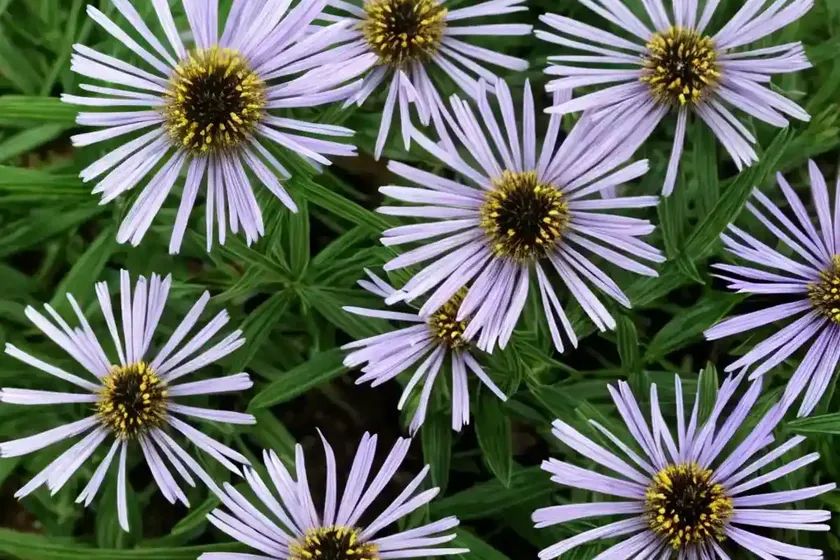
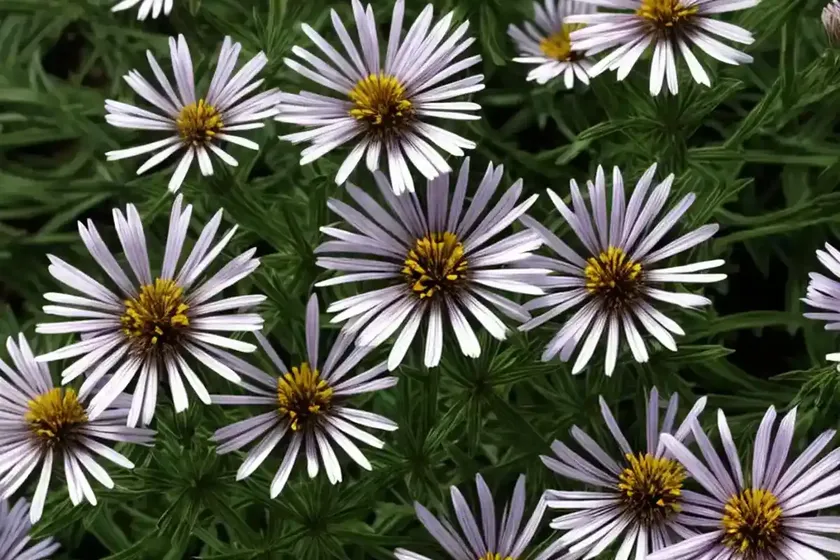
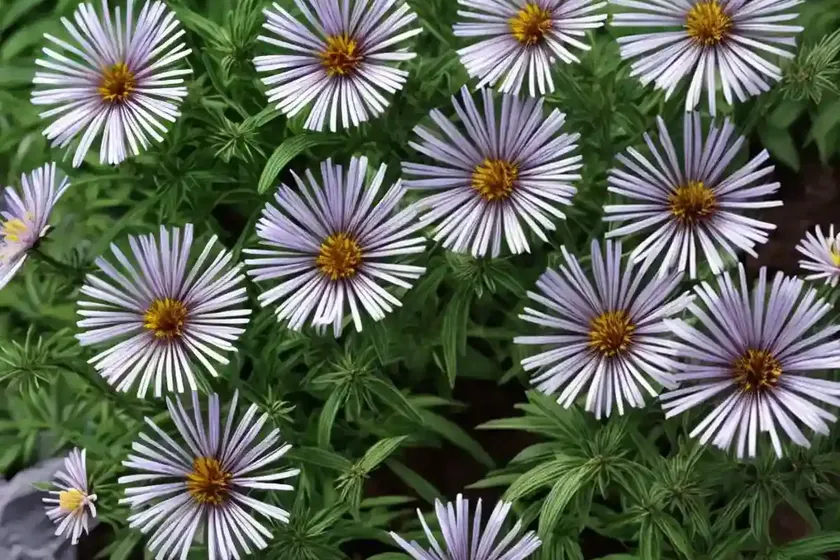
Plants hold a significant place in the natural world and in our lives. They not only add beauty to our surroundings but also contribute to our ecosystem and provide us with food, medicine, and oxygen. One such fascinating plant is the Annual Aster, scientifically known as Callistephus chinensis. In this comprehensive guide, we will delve into the intriguing world of this stunning plant, exploring its cultural significance, uses, growth requirements, and much more.
Botanist’s Tips
As a plant scientist deeply involved in the study and cultivation of diverse plant species, I am delighted to share some key tips and insights regarding the intriguing Annual Aster (Callistephus chinensis) to aid you in your journey of successful cultivation and appreciation of this captivating plant.
Fun Facts
- The Annual Aster has been cultivated for centuries, tracing back its origins to China, where it has been cherished for its ornamental and symbolic significance.
- Various hues of Annual Asters are available, ranging from vibrant purples and pinks to serene whites and blues, offering a diverse color palette for garden designs and floral arrangements.
- The name “Aster” is derived from the Greek word for “star,” signifying the radiant and star-like appearance of its flowers.
With these fascinating insights in mind, let’s embark on a detailed exploration of the cultivation and care of Annual Asters, empowering you to create thriving garden spaces adorned with the beauty of this remarkable plant.
Understanding the Plant
Callistephus chinensis is a remarkable plant species that captivates both scientists and gardening enthusiasts with its beautiful appearance and cultural significance. Apart from its ornamental value, this plant has a rich history and a myriad of uses, making it a cherished component of diverse traditions and practices around the world. Let’s dive into the key aspects of cultivating and nurturing Annual Asters to witness their full splendor in our gardens and living spaces.
Callistephus chinensis Care
Caring for Callistephus chinensis involves catering to its specific requirements and providing an environment conducive to its healthy growth and abundant flowering. Here are some essential care tips to consider when cultivating this mesmerizing plant:
Annual Aster Gardening Tips
- Select a well-draining location with ample sunlight for planting Annual Asters, ensuring that they receive the necessary light for optimal growth and flowering.
- Incorporate organic matter into the soil to enhance its fertility and ability to retain moisture, laying a strong foundation for the plant’s development.
Growing Callistephus chinensis
- Sow seeds directly into the soil or start seedlings indoors, providing them with the appropriate conditions to germinate and establish strong root systems.
- Thin seedlings to ensure adequate spacing, promoting good air circulation and preventing overcrowding as the plants mature.
How to Cultivate Annual Asters
- Regular watering is essential, particularly during dry spells, to maintain soil moisture and facilitate the plant’s growth and blooming.
- Deadhead spent flowers to encourage continuous flowering and prevent the plant from channeling its energy into seed production.
Callistephus chinensis Varieties
- Explore the diverse varieties of Callistephus chinensis, each offering distinct colors and characteristics, allowing you to curate a captivating garden display.
Annual Aster Planting Guide
- Follow a planting guide that aligns with the climate and growing conditions in your region, ensuring that the Annual Asters thrive and flourish under local circumstances.
Best Soil for Callistephus chinensis
- Opt for well-draining soil with a slightly acidic to neutral pH for planting Callistephus chinensis, creating an environment that supports root health and overall plant vigor.
Annual Aster Watering Requirements
- Maintain a consistent watering schedule, adjusting the frequency based on the weather and soil moisture levels to meet the plant’s hydration needs.
Propagating Callistephus chinensis
- Explore propagation techniques such as sowing seeds and taking cuttings to propagate Callistephus chinensis, expanding your plant collection and sharing its beauty with fellow enthusiasts.
With these targeted gardening tips and insights, you can establish a nurturing environment for Annual Asters, fostering their growth and ensuring a splendid display of colorful blooms in your garden.
Nurturing the Beauty: Understanding Growth Factors
The cultivation of Annual Asters involves attention to various growth factors, ranging from environmental conditions to soil health and pest management. By understanding and addressing these elements, you can foster the optimal growth and development of Callistephus chinensis, witnessing the stunning transformation of seeds or seedlings into radiant blossoms that enliven your garden and living spaces.
Sunlight Needs
Annual Asters are sun-loving plants that thrive in full sun, requiring ample sunlight to support their photosynthetic processes and encourage robust flowering. When selecting a planting location, prioritize spots that receive at least 6-8 hours of direct sunlight daily to cater to the plant’s sunlight needs and ensure its healthy growth.
In regions characterized by intense heat or prolonged periods of sunlight, providing partial shade during the hottest parts of the day can prevent stress on the plants, preserving their vitality and promoting optimal blooming.
Soil Quality
The soil serves as a vital foundation for the growth and sustenance of Annual Asters. When preparing the planting site or selecting containers for these plants, prioritize soil that is well-draining and rich in organic matter. Loamy soil with good fertility and drainage capabilities can provide an ideal setting for the establishment of robust Annual Aster plants.
Fertilizing Callistephus chinensis
Fertilization plays a significant role in the care of Callistephus chinensis, as it supplements the soil with essential nutrients that contribute to the plant’s overall health and flowering potential. A balanced, all-purpose fertilizer can be applied to the soil at regular intervals during the growing season, offering the necessary nourishment to support the plant’s development.
By following a fertilization schedule and selecting appropriate feed for Annual Asters, you can enhance their vigor and resilience, preparing them for a season of abundant and striking blooms.
Watering Considerations
Sufficient and timely watering is crucial for Annual Asters, ensuring that the plants remain adequately hydrated without succumbing to water-related issues such as root rot. Incorporate a reliable watering schedule, adjusting the frequency based on weather conditions and soil moisture levels to maintain an optimal balance and support the plant’s hydration needs.
Watering Schedule for Annual Asters
Craft a watering schedule that aligns with the specific requirements of Annual Asters, aiming to maintain soil moisture while preventing waterlogging and associated problems. By adhering to a consistent watering regimen, you can sustain the health and growth of these captivating plants, facilitating their flourishing in your garden or outdoor spaces.
Pruning and Grooming
Deadheading spent flowers is a vital aspect of caring for Annual Asters, as it encourages the continuous production of new blooms and maintains the plant’s visual appeal. Regular pruning and grooming can also help manage the plant’s shape and size, promoting a tidy and well-maintained appearance throughout the growing season.
Overwintering Callistephus chinensis
Annual Asters are typically grown as tender annuals, meaning they complete their lifecycle within a single growing season. In regions characterized by harsh winters, consider overwintering strategies such as bringing potted plants indoors or protecting outdoor specimens with adequate coverage to shield them from the cold and adverse weather conditions.
By evaluating and addressing these growth factors, you can foster the robust and splendid growth of Annual Asters, setting the stage for an enchanting floral display that enriches your outdoor spaces with color and allure.
Cultivating Annual Asters presents a captivating journey filled with rewards and opportunities to engage with the nuances of plant care. However, this endeavor also involves navigating potential challenges, such as diseases and pests, which may impact the health and appearance of the plants. By equipping yourself with knowledge and effective strategies, you can address these challenges while amplifying the growth and blooming potential of Callistephus chinensis.
Disease Management and Prevention
While Annual Asters are generally resilient plants, they can be susceptible to certain diseases that may affect their vitality and overall performance. To cultivate these plants successfully and maintain their health, it is essential to be aware of common diseases that may afflict them, along with proactive measures to prevent and manage such conditions.
Common Diseases
Annual Asters may encounter several common diseases, including:
- Powdery Mildew: This fungal disease often manifests as a powdery, white coating on the leaves and stems, impacting the plant’s aesthetics and potentially impeding its growth.
- Aster Yellows: This phytoplasma disease can lead to stunted growth, yellowing of leaves, and abnormal flower development, necessitating prompt intervention to mitigate its effects.
Disease Diagnosis
Vigilance and attentive monitoring of Annual Asters can aid in the early diagnosis of potential diseases, enabling timely intervention and management to minimize their impact on the plants. Look for signs of discoloration, wilting, or abnormal growth, and take appropriate measures to address any emerging issues effectively.
Disease Prevention for Callistephus chinensis
Preventive measures play a crucial role in safeguarding the health and vitality of Annual Asters. Consider the following practices to prevent diseases and create an environment that supports the plants’ resilience:
- Optimal Air Circulation: Promote good air circulation around the plants, reducing the likelihood of moisture-related issues and fungal diseases.
- Early Intervention: Address any signs of disease promptly, implementing targeted treatments or removal of affected plant parts to prevent the spread of infections.
Disease Management Strategies
If Annual Asters are afflicted by diseases, strategic management approaches can help mitigate the impact and restore the plants to health. Explore organic and targeted treatments to address specific diseases, and consider cultural practices that support the plant’s recovery and resilience in the face of challenges.
Pest Management and Vigilance
In addition to diseases, Annual Asters may attract pests that can compromise their growth and appearance. A proactive and vigilant approach to pest management is essential for preserving the health and vitality of the plants, offering a sanctuary for their beauty to thrive.
Common Pests of Annual Asters
Be attentive to potential pests that may target Annual Asters, including:
- Aphids: These small insects can cluster on the stems and undersides of leaves, impacting the plant’s vigor and potentially transmitting diseases.
- Spider Mites: These tiny arachnids can create fine webbing on the plant and cause stippling or discoloration on the leaves, signifying their presence and the need for intervention.
- Caterpillars: Certain caterpillar species may feed on the foliage of Annual Asters, necessitating vigilant monitoring and management to prevent significant damage.
Pest Management Techniques
Engage in proactive pest management strategies to safeguard Annual Asters from potential infestations and minimize the impact of pests on their health and visual appeal. Consider the following techniques to manage and control common pests effectively:
- Natural Predators: Encourage the presence of beneficial insects and organisms that prey on pest species, contributing to a natural and sustainable pest management approach.
- Selective Treatment: Employ targeted treatments and organic pest control methods to address infestations while minimizing the impact on beneficial organisms and the surrounding environment.
By remaining vigilant and proactive in disease and pest management, you can create a nurturing environment for Annual Asters, strengthening their resilience and ensuring that their striking beauty shines through in your garden and outdoor spaces.
The world of Callistephus chinensis encompasses a rich tapestry of varieties, each offering unique colors, growth habits, and floral characteristics. Exploring the diversity of Annual Aster varieties and considering complementary plantings can elevate your gardening experience, allowing you to create captivating displays and harmonious garden landscapes that exude charm and allure.
Callistephus chinensis Varieties
Annual Asters are available in a delightful array of varieties, offering an extensive spectrum of colors and bloom forms to cater to diverse aesthetic preferences and garden design concepts. Explore the following popular varieties and consider their unique attributes for your gardening endeavors:
- ‘Duchesse Mixed’: This variety features large, double blooms in an assortment of colors, adding vibrancy and elegance to garden spaces.
- ‘Milady Mix’: Known for its compact growth and profusion of semi-double flowers, ‘Milady Mix’ offers a charming display in borders and container gardens.
- ‘Powder Puff Mix’: With its delicate and intricately petaled blooms, ‘Powder Puff Mix’ captivates with its ethereal beauty and pastel hues, creating an enchanting presence in any setting.
By exploring the diverse varieties of Annual Asters, you can curate a captivating garden display that reflects your creativity and appreciation for the rich hues and forms presented by Callistephus chinensis.
Companion Plantings
Integrating Annual Asters into companion plantings can elevate their visual impact and create harmonious compositions that accentuate their beauty and contribute to the overall ambiance of your garden. Consider the following companion planting ideas to enhance the presence of Annual Asters and create alluring combinations:
- Lavender (Lavandula spp.): The fragrant blooms and silvery foliage of lavender offer a delightful contrast to the vibrant flowers of Annual Asters, creating a mesmerizing blend of colors and scents.
- Coreopsis (Coreopsis spp.): The cheerful and daisy-like appearance of coreopsis complements the blooms of Annual Asters, enhancing the visual appeal of mixed borders and garden beds.
- Russian Sage (Perovskia atriplicifolia): The airy, lavender-blue spires of Russian sage provide an elegant backdrop for Annual Asters, forming a captivating partnership in garden designs.
By carefully selecting companion plants that harmonize with the characteristics and aesthetics of Annual Asters, you can create enchanting garden compositions that showcase the plants’ beauty and contribute to the enchanting allure of your outdoor spaces.
The captivating allure of Callistephus chinensis extends beyond the realms of gardens and landscapes, encompassing culinary and artistic realms where its beauty and significance find expression in delectable creations and inspiring compositions. Embracing the culinary and artistic dimensions of Annual Asters presents an opportunity to engage with their charm and symbolism in diverse and enriching ways.
Culinary Uses of Annual Asters
The edible nature of Annual Asters opens avenues for culinary creativity, offering the opportunity to incorporate their vibrant blooms into various dishes and gastronomic presentations. Here are some culinary uses and ideas for infusing Annual Asters into culinary experiences:
- Garnishes and Salads: The colorful blooms of Annual Asters serve as alluring and edible garnishes, enhancing the visual appeal of salads, desserts, and assorted dishes.
- Herbal Infusions: Create floral-tinged infusions by adding Annual Aster petals to teas, lemonades, and mocktails, infusing these beverages with delicate hues and subtle floral notes.
Artistic Expressions: Annual Aster Flower Arrangements
The radiant blooms of Annual Asters inspire artistic ingenuity, inviting enthusiasts to create captivating floral arrangements and bouquets that reflect the charm and symbolic significance of the plant. Consider the following artistic inspirations and ideas for exploring the art of floral arrangement with Annual Asters:
- Mixed Bouquets: Integrate Annual Asters into mixed bouquets, combining them with complementary flowers and foliage to create captivating and diverse compositions.
- Monochromatic Displays: Embrace the variation of hues within a specific Annual Aster variety, crafting monochromatic arrangements that highlight the depth and range of their colors.
By embracing these culinary and artistic dimensions of Annual Asters, you can enrich your interactions with this captivating plant, infusing your culinary endeavors and artistic pursuits with its vibrancy and symbolic allure.
The world of Callistephus chinensis encompasses a rich tapestry of varieties, each offering unique colors, growth habits, and floral characteristics. Exploring the diversity of Annual Aster varieties and considering complementary plantings can elevate your gardening experience, allowing you to create captivating displays and harmonious garden landscapes that exude charm and allure.
Callistephus chinensis Varieties
Annual Asters are available in a delightful array of varieties, offering an extensive spectrum of colors and bloom forms to cater to diverse aesthetic preferences and garden design concepts. Explore the following popular varieties and consider their unique attributes for your gardening endeavors:
- ‘Duchesse Mixed’: This variety features large, double blooms in an assortment of colors, adding vibrancy and elegance to garden spaces.
- ‘Milady Mix’: Known for its compact