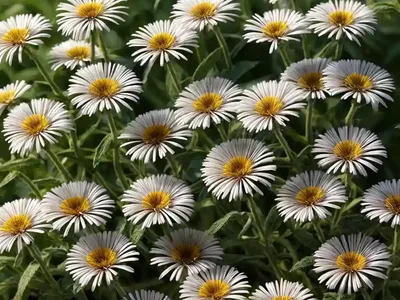
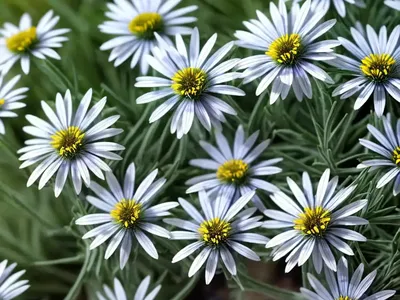
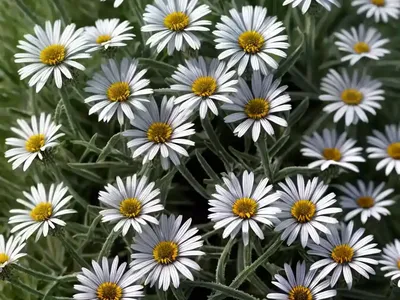
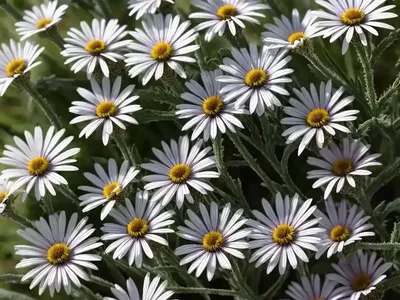
Annual Fleabane (Erigeron Annuus)
Plants play a vital role in the global ecosystem, providing us with food, medicine, oxygen, and beauty. There are countless species of plants, each with.
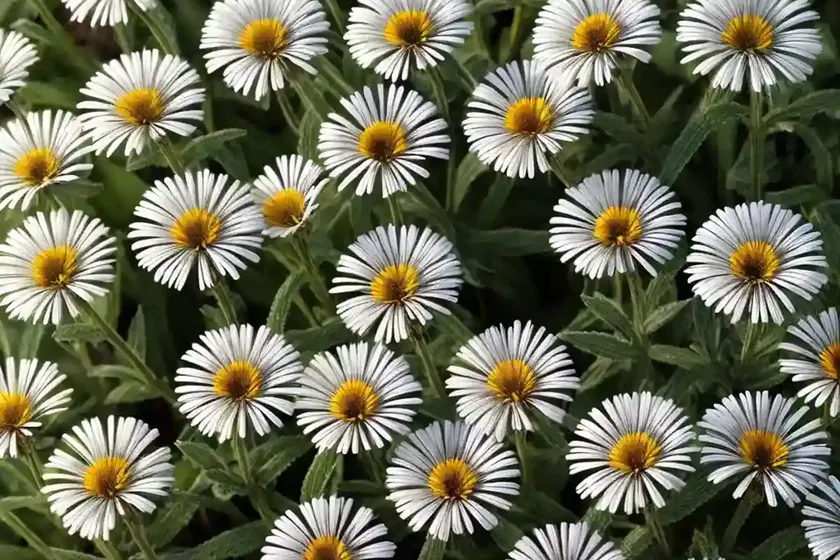
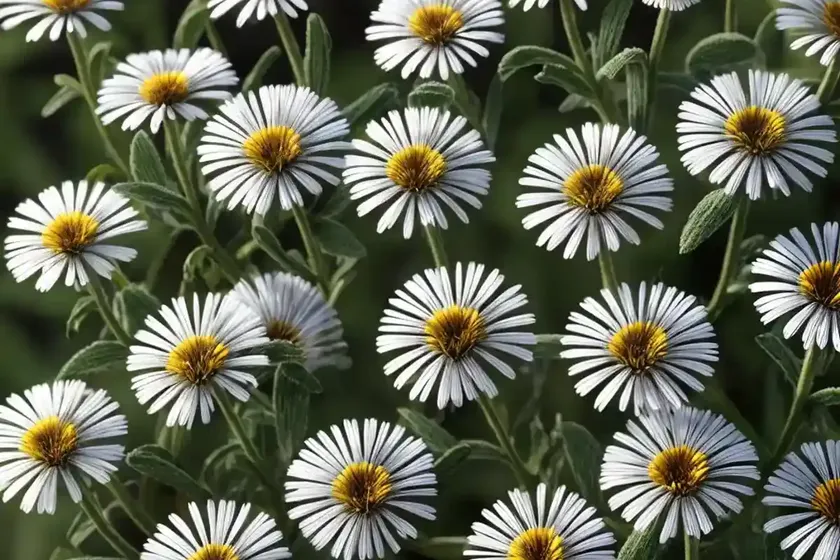
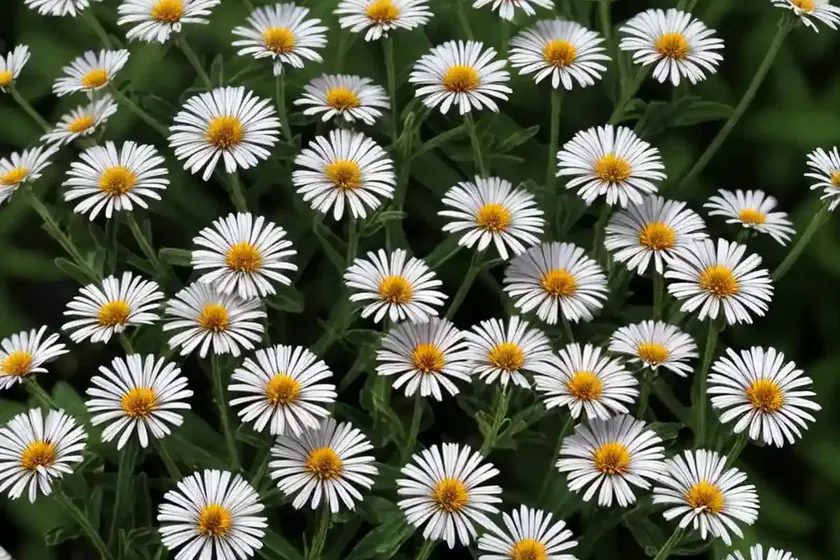
Plants play a vital role in the global ecosystem, providing us with food, medicine, oxygen, and beauty. There are countless species of plants, each with its own unique characteristics and benefits. In this comprehensive guide, we will delve into the fascinating world of Annual Fleabane (Erigeron annuus). We will explore its culture, uses, care tips, propagation, common diseases, and much more. By the end of this guide, you will have a deep understanding of this remarkable plant and how to cultivate it successfully.
What is Annual Fleabane (Erigeron annuus)?
Annual Fleabane, scientifically known as Erigeron annuus, is a charming flowering plant that belongs to the Asteraceae family. It is native to North America and is widely admired for its delicate daisy-like flowers and its ability to thrive in a variety of environments. Annual Fleabane goes by several other common names, including daisy fleabane, eastern daisy fleabane, and sweet scabious. This plant is an annual, meaning it completes its life cycle within one growing season, from seed germination to the production of seeds and eventual death.
The botanical name “Erigeron” is derived from the Greek words “eri,” meaning early, and “geron,” meaning old man, referring to the fluffy white hairs on the seed heads that resemble the hoary head of an old man. “Annuus” is a Latin word meaning annual, which is a fitting descriptor for this plant’s life cycle.
Annual Fleabane is known for its resilience and adaptability, making it a popular choice for gardens, landscaping, and various ecological restoration projects. Its airy, bright blooms and low-maintenance nature have endeared it to gardeners and nature enthusiasts alike. Now, let’s take a closer look at the key takeaways and essential aspects of cultivating Annual Fleabane.
Key Takeaways – Annual Fleabane (Erigeron annuus)
Culture
- Scientific Name: Erigeron annuus
- Family: Asteraceae
- Common Names: Annual Fleabane, Daisy Fleabane, Eastern Daisy Fleabane, Sweet Scabious
- Plant Type: Annual herbaceous flowering plant
- Native Habitat: North America
- Blooming Period: Spring through fall
Uses
- Ornamental: Annual Fleabane is valued for its decorative flowers and airy appearance, making it a delightful addition to gardens, borders, and landscapes.
- Pollinator Attraction: The nectar-rich blooms of Annual Fleabane attract bees, butterflies, and other pollinators, contributing to biodiversity and ecosystem health.
- Erosion Control: Its fibrous root system aids in stabilizing soil, making it an effective plant for erosion control in various landscapes.
- Medicinal Purposes: Annual Fleabane has been utilized in traditional herbal medicine for its potential healing properties.
Now, let’s explore the specific cultivation requirements and care tips for this versatile plant.
Water
Annual Fleabane generally prefers moderate moisture levels. While it can tolerate some drought once established, consistent watering is beneficial, particularly during dry periods. However, it is important to avoid overwatering, as excessive moisture can lead to root rot and other issues. Well-draining soil is essential to prevent waterlogged conditions that may harm the plant.
Sunlight
This plant thrives in full sun to partial shade, with a preference for at least 6 hours of direct sunlight per day. Adequate sunlight promotes robust growth and abundant flowering. In regions with intensely hot summers, providing partial shade during the hottest part of the day can help protect the plant from stress.
Soil
Annual Fleabane adapts well to a range of soil types, including loamy, sandy, or rocky soils, as long as they offer good drainage. A slightly acidic to neutral soil pH level (6.0-7.0) is suitable for this plant. Amending the soil with organic matter, such as compost, can enhance its fertility and moisture retention capacity.
Fertilizer
Annual Fleabane generally does not require heavy fertilization if grown in reasonably fertile soil. However, incorporating a balanced, slow-release fertilizer during the growing season can support healthy growth and prolific flowering. It is advisable to follow the manufacturer’s recommendations regarding the application frequency and dosage of the fertilizer.
Pruning
Pruning Annual Fleabane is primarily aimed at deadheading spent blooms to encourage continuous flowering and maintaining its attractive appearance. Additionally, removing leggy or damaged stems can promote a more compact and bushy growth habit. Pruning is typically performed during the growing season as needed.
Now, let’s delve into the propagation methods for Annual Fleabane and explore its popularity in container gardening.
Propagation
Seeds
Annual Fleabane can be readily propagated from seeds, which are typically produced after the flowering period. Harvesting the mature seeds and sowing them in prepared soil in the desired location can lead to new plant growth in the following growing season. Proper soil moisture and warmth are crucial for successful seed germination.
Division
In regions where Annual Fleabane behaves as a short-lived perennial (due to self-seeding or mild winters), it can be propagated through division. Carefully dividing the root clumps and replanting the divisions in suitable locations can help expand the plant population.
Container Popularity
Annual Fleabane’s compact growth habit and attractive blooms make it a popular choice for container gardening. Its adaptability to containers allows it to grace patios, balconies, and other outdoor spaces with its floral beauty. When selecting a container for Annual Fleabane, ensure that it provides adequate drainage, as waterlogged conditions can be detrimental to the plant in a containerized environment.
Common Diseases
While Annual Fleabane is relatively resilient to diseases, it may occasionally encounter certain issues that can impact its health and vigor. Some common diseases and considerations include:
-
Powdery Mildew: A fungal disease characterized by powdery white patches on the foliage, it can affect the plant in humid or poorly ventilated conditions. Ensuring proper air circulation and avoiding overhead watering can help prevent powdery mildew.
-
Root Rot: Excessive soil moisture, particularly in poorly drained soil, can lead to root rot, causing the plant to wilt and decline. Maintaining well-draining soil and avoiding overwatering are crucial preventative measures.
Now, let’s explore the potential pests that may affect Annual Fleabane and how to manage them effectively.
Common Pests
While Annual Fleabane is generally resistant to pest infestations, certain pests may occasionally pose a threat to its health. Vigilance and prompt action can help mitigate pest-related issues. Some common pests include:
-
Aphids: These tiny, sap-sucking insects can cluster on the stems and foliage, causing distortion and yellowing of the affected plant parts. Insecticidal soaps or horticultural oils can be used to control aphid populations.
-
Spider Mites: These minuscule pests can cause stippling and discoloration of the foliage, particularly in hot and dry conditions. Regular misting of the plant to increase humidity and treatment with insecticidal soaps can help manage spider mite infestations.
With an understanding of the potential challenges and how to address them, let’s move on to some fascinating tips from botanists for cultivating Annual Fleabane.
Botanist’s Tips
-
Encourage Natural Pollination: Embrace the presence of pollinators in your garden by planting Annual Fleabane alongside other nectar-rich and pollen-producing plants. This can enhance pollination and contribute to the overall biodiversity of the ecosystem.
-
Companion Planting: Pair Annual Fleabane with compatible plants that share similar cultural requirements and complement its growth habit, such as native grasses, coneflowers, and coreopsis.
-
Beneficial Insects: Attract natural predators of common pests, such as ladybugs and lacewings, to help maintain pest balance in the garden, reducing the need for chemical interventions.
Now, let’s unravel some fun facts about Annual Fleabane, shedding light on its unique characteristics and ecological significance.
Fun Facts
-
Ecological Role: Annual Fleabane acts as a valuable component of natural habitats, contributing to the diversity and stability of ecosystems through its role as a food source for pollinators and wildlife.
-
Historical Medicinal Use: Indigenous peoples and traditional herbalists have historically utilized parts of the Annual Fleabane plant for various medicinal purposes, including treating skin conditions and respiratory ailments.
-
Adaptation: The feathery, wind-dispersed seeds of Annual Fleabane aid in its natural propagation and allow it to colonize diverse environments, showcasing its adaptability.
-
Ecological Restoration: Land managers and conservationists often incorporate Annual Fleabane in habitat restoration projects due to its ability to support pollinators, stabilize soil, and contribute to the visual appeal of restored landscapes.
Next, we will explore specific varieties of Annual Fleabane and its potential as a pollinator-friendly plant.
Erigeron annuus Varieties
While Erigeron annuus primarily refers to the species as a whole, there are regional ecotypes and variants with subtle differences in growth habit, flower color, and adaptation to specific environments. Exploring local native plant nurseries or botanical gardens can provide insights into the diversity within the species and potentially reveal unique varieties suited to your region.
Pollinator-Friendly Plants: Annual Fleabane
The nectar and pollen of Annual Fleabane are highly attractive to a diverse array of pollinators, making it a valuable addition to pollinator gardens and wildlife habitats. Its continuous blooming period and accessibility of nectar make it a reliable food source for bees, butterflies, and other beneficial insects.
Annual Fleabane’s role in supporting pollinators aligns with broader efforts to conserve and enhance pollinator populations, contributing to the sustainability of natural ecosystems.
As we continue our exploration of Annual Fleabane’s significance, let’s discuss its potential use in landscaping and indoor cultivation.
Annual Fleabane for Attracting Bees
The abundant nectar and bright blooms of Annual Fleabane appeal to various bee species, including honeybees, bumblebees, and solitary bees. By providing a nectar-rich resource throughout the blooming season, Annual Fleabane contributes to the foraging opportunities for these essential pollinators.
Erigeron annuus for Butterfly Gardens
Annual Fleabane’s nectar-rich flowers attract butterflies, adding vibrant movement and color to butterfly gardens. Creating a welcoming habitat for butterflies, including suitable host plants for caterpillars and nectar sources for adults, can enhance the presence of these enchanting pollinators.
Planting Annual Fleabane Indoors
While Annual Fleabane thrives in outdoor settings, it can also be cultivated indoors under the right conditions. Providing adequate sunlight, moderate humidity, and well-draining soil is essential for indoor success. Containerized plants can adorn interior spaces with their cheerful blooms and contribute to indoor gardening endeavors.
The versatility of Annual Fleabane extends to its potential for drought-tolerant landscapes and its role in wildflower meadows.
DIY Fleabane Propagation Techniques
In addition to seed propagation and division, Annual Fleabane can be propagated through stem cuttings under controlled conditions. Selecting healthy stems, preparing the cuttings, and utilizing rooting hormone can support successful propagation efforts.
Annual Fleabane for Drought-Tolerant Gardens
The adaptability of Annual Fleabane to dry conditions makes it suitable for xeriscaping and drought-tolerant landscapes. Its ability to endure periods of limited water availability while maintaining its ornamental appeal enhances its value in water-wise gardening.
Erigeron annuus in Wildflower Meadows
Annual Fleabane is commonly included in wildflower meadows and naturalistic plantings for its ability to blend harmoniously with a diverse array of companion species. Its ethereal blossoms and easygoing nature contribute to the visual allure and ecological functionality of wildflower meadows.
As we navigate the possibilities of integrating Annual Fleabane into various garden settings, let’s explore companion plants and its utilization in rock gardens.
Companion Plants for Fleabane
-
Purple Coneflower (Echinacea purpurea): The bold, daisy-like flowers of Purple Coneflower complement the delicate blooms of Annual Fleabane, creating a striking visual contrast in garden borders and naturalized settings.
-
Black-Eyed Susan (Rudbeckia hirta): The cheerful blooms of Black-Eyed Susan harmonize with the airy appearance of Annual Fleabane, especially in mixed perennial plantings and prairie-style landscapes.
Developing a cohesive planting scheme with compatible companion plants can enhance the overall aesthetic and ecological value of garden spaces.
Benefits of Planting Annual Fleabane in Rock Gardens
Rock gardens, characterized by well-draining soil, often benefit from the inclusion of Annual Fleabane due to its adaptability to rocky or gravelly substrates. Its wispy, drought-tolerant foliage and profusion of flowers contribute to the textural and visual appeal of rock garden compositions.
The role of Annual Fleabane in ecological restoration and its significance as a ground cover plant will now be explored in greater detail.
Erigeron annuus for Erosion Control
In landscapes prone to erosion, Annual Fleabane’s fibrous root system aids in stabilizing soil and preventing erosion. Its ability to thrive in challenging environments makes it a valuable asset in erosion-prone areas, such as slopes and disturbed sites.
Annual Fleabane as Ground Cover
The low-growing, spreading habit of Annual Fleabane makes it suitable for use as ground cover in open spaces, under trees, or along borders. Its ability to form a dense mat of foliage and flowers provides weed suppression and adds a naturalistic touch to the landscape.
Growing Annual Fleabane from seeds and effective pruning techniques are essential aspects of its successful cultivation.
Growing Annual Fleabane from Seeds
Sowing Annual Fleabane seeds directly in prepared soil during the appropriate season is a straightforward method for establishing new plantings. Lightly pressing the seeds into the soil surface and maintaining consistent moisture can support successful germination. Thinning overcrowded seedlings may be necessary to promote healthy growth.
Pruning Tips for Erigeron annuus
Pruning Annual Fleabane involves regular deadheading of faded blooms to encourage continuous flowering and prevent self-seeding, if desired. Additionally, trimming back leggy growth or spent stems can help maintain a neater appearance and encourage the plant’s vitality.
Managing pests and diseases is an integral aspect of maintaining the health and beauty of Annual Fleabane, as we’ll explore next.
Managing Pests and Diseases of Fleabane
Maintaining overall plant health and an environment conducive to natural pest controls can contribute to the prevention and management of pest and disease issues. Regular monitoring for signs of pests or diseases, practicing good cultural care, and addressing problems promptly are key components of effective pest and disease management strategies.
Annual Fleabane in Container Gardening
The adaptability of Annual Fleabane to container culture makes it a versatile option for urban and small-space gardening. When grown in containers, it can thrive on balconies, patios, or rooftop gardens, adding a touch of natural beauty to confined outdoor environments.
Erigeron annuus for Cut Flower Arrangements
The delicate blooms of Annual Fleabane are suitable for cut flower arrangements, adding a whimsical and naturalistic element to bouquets and floral displays. Harvesting the flowers when they are in full bloom and placing them in vases with fresh water can prolong their ornamental value indoors.
Importance of Fleabane in Herbal Medicine
Annual Fleabane has historical significance in traditional herbal medicine, with accounts of indigenous uses for treating skin ailments, respiratory conditions, and other health concerns. While the plant’s medicinal potential warrants caution and further study, its historical relevance adds depth to its botanical significance.
As we consider the ornamental qualities and landscape applications of Annual Fleabane, it’s important to explore its role in sustaining beneficial insects and promoting ecological balance.
Erigeron annuus for Border Plantings
The dainty, daisy-like flowers and graceful foliage of Annual Fleabane make it a charming addition to border plantings, where it can accentuate the edges of garden beds and create a soft, naturalistic transition between different plant groups.
Using Fleabane in Natural Landscaping
Embracing the principles of natural landscaping, Annual Fleabane can be integrated into ecologically mindful designs, emphasizing its role in supporting pollinators and enriching the biodiversity of the landscape.
Benefits of Planting Annual Fleabane in Rock Gardens
Incorporating Annual Fleabane into rock gardens not only enhances the visual appeal of these specialized garden areas but also contributes to the ecological functionality of the landscape. Its adaptability to rocky substrates and ability to thrive with minimal maintenance support its role in rock garden compositions.
Erigeron annuus for Attracting Beneficial Insects
The nectar and pollen resources of Annual Fleabane attract a diverse array of beneficial insects, including predatory species that help manage pest populations. Its function as a hub for beneficial insects aligns with sustainable gardening practices that prioritize ecological balance.
As we explore the potential of Annual Fleabane as a focal point in gardens and its utilization in sustainable plantings, let’s continue to foster an appreciation for its unique qualities.
Growing Fleabane as a Perennial
While Annual Fleabane is known for its annual life cycle, it may behave as a short-lived perennial in some regions, particularly where it self-seeds readily or experiences mild winters. In such situations, Annual Fleabane can persist as a perennial presence in the garden.
Annual Fleabane as a Focal Point in Gardens
The ethereal, profuse blooms of Annual Fleabane can serve as a captivating focal point in garden beds and mixed plantings, drawing attention and creating visual interest. Pairing it with complementary plants that accentuate its delicate beauty can amplify its impact in garden designs.
Tips for Successful Cultivation of Erigeron annuus
-
Selecting Suitable Locations: Consider the specific sunlight, soil, and moisture requirements of Annual Fleabane when choosing the planting sites to ensure optimal growing conditions.
-
Monitoring Environmental Conditions: Regularly observing the plant and its surroundings can help identify potential issues early, enabling timely interventions and adjustments.
-
Balanced Care: Strive to provide the plant with adequate water, sunlight, nutrients, and care while respecting its natural growth habits and adaptability.
Understanding the potential landscape ideas involving Annual Fleabane and its application in xeriscaping projects can inspire creative and sustainable gardening approaches.
Landscaping Ideas with Fleabane Plants
Incorporating Annual Fleabane into landscape designs can unfold a spectrum of creative possibilities, from mixed perennial beds and wildlife-friendly plantings to sustainable landscapes that prioritize ecological function and aesthetic appeal.
Annual Fleabane for Xeriscaping Projects
As a resilient, low-water plant, Annual Fleabane has a place in water-efficient landscaping, where it can thrive among other drought-tolerant species and contribute to the overall beauty and sustainability of xeriscaped environments.
Erigeron annuus for Attracting Hummingbirds
The nectar-rich blooms of Annual Fleabane may also attract hummingbirds, enriching the bird-friendly qualities of gardens and landscapes. Providing a source of nectar for these captivating birds adds another dimension to the ecological connectivity of plants and