Anigozanthos (Kangaroo Paw): A Unique and Fascinating Plant
Anigozanthos, commonly known as Kangaroo Paw, is a distinctive and visually striking plant that has gained popularity not only in its native habitat of Australia but also around the world. With its unique flower structure and vibrant colors, this plant has become a favorite among gardeners, landscapers, and flower enthusiasts.
In this comprehensive guide, we will delve into the world of Anigozanthos, exploring its cultural significance, uses, care requirements, and much more. Whether you are a seasoned gardener or a beginner looking to add an exotic touch to your garden, this article will provide you with the necessary insights to cultivate and appreciate the beauty of Anigozanthos.
What is Anigozanthos (Kangaroo Paw)?
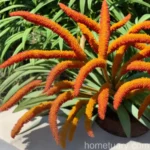
Anigozanthos, commonly known as Kangaroo Paw, is a genus of plants native to the southwestern region of Australia. The name “Kangaroo Paw” is derived from the unique shape of its flowers, which bear a resemblance to the paw of a kangaroo. These plants are members of the Haemodoraceae family and are known for their colorful and tubular flower clusters that bloom atop tall, leafless stems.
The Anigozanthos genus encompasses around 11 species, each with its own distinct flower color and characteristics. The flowers of Anigozanthos are particularly attractive to nectar-feeding birds and insects, adding to their ecological significance in their natural habitat.
Key Takeaways – Anigozanthos (Kangaroo Paw)
Culture
Cultural Significance: Anigozanthos holds cultural significance for Aboriginal Australians, with the plant featuring in their traditional medicines, herbal remedies, and as a symbol in storytelling and rituals.
Ethnobotanical Significance: The plant has historical and cultural importance for indigenous communities, being utilized in traditional ceremonies and for its medicinal properties.
Conservation: In its native habitat, Anigozanthos plays a role in the conservation of wildlife, providing nectar for birds and acting as an integral part of the ecosystem.
Uses
Landscaping: Anigozanthos is widely used in landscaping due to its unique appearance and vibrant flowers, adding color and interest to gardens and public spaces.
Cut Flowers: The striking blooms of Anigozanthos make it a popular choice for cut flower arrangements, bringing a touch of the exotic to floral displays.
Ethnobotanical Uses: The plant has a history of traditional and herbal uses, with indigenous communities utilizing its properties for medicinal purposes.
Water
Watering Requirements: Anigozanthos requires well-draining soil and regular watering during the growing season, while being more tolerant of dry conditions once established.
Drought Tolerance: The plant exhibits good drought tolerance once established, making it suitable for water-wise gardening and sustainable landscaping.
Sunlight
Sunlight Needs: Anigozanthos thrives in full sun to partial shade, requiring adequate sunlight to promote healthy growth and prolific flowering.
Fertilizer
Fertilizing: While not heavy feeders, Anigozanthos benefit from a balanced fertilizer application during the growing season, promoting robust foliage and flower development.
Soil
Soil Type: Well-draining, slightly acidic soil is ideal for Anigozanthos, ensuring that excess moisture does not accumulate around the plant’s roots.
Pruning
Pruning: Regular deadheading of spent flowers and the removal of old foliage can help maintain the plant’s appearance and encourage continuous blooming.
Propagation
Propagation: Anigozanthos can be propagated from division or by seed, providing opportunities for gardeners to expand their plant collection.
Container Popularity
Container Gardening: Anigozanthos is well-suited for container gardening, allowing it to be grown on patios, balconies, or in smaller garden spaces.
Common Diseases
Disease Susceptibility: Anigozanthos may be susceptible to fungal diseases, particularly in conditions of poor air circulation and overly moist soil.
Disease Resistance: Certain varieties of Anigozanthos exhibit resistance to common fungal diseases, making them more resilient in garden settings.
Disease Diagnosis
Identifying Diseases: Monitoring the plant for symptoms such as leaf spots, wilting, or abnormal discoloration can aid in the early diagnosis and treatment of potential diseases.
Common Pests
Pest Control: Anigozanthos may attract common garden pests such as aphids and spider mites, necessitating vigilance and appropriate pest control measures.
Wildlife Attraction: Despite susceptibility to pests, Anigozanthos also attracts beneficial wildlife such as pollinators and nectar-feeding birds.
Botanist’s Tips
- Selecting the right variety of Anigozanthos for your climate and soil conditions is essential for successful cultivation.
- Regular inspection for signs of disease or pests can help in early intervention and prevention of widespread issues.
- Proper irrigation practices, especially during the establishment phase, are crucial for promoting healthy root development and overall plant vigor.
- Pruning and deadheading spent flowers can prolong the flowering period and maintain the plant’s visual appeal.
- When growing Anigozanthos in containers, choose a potting mix that provides good drainage and aeration to the roots.
Fun Facts
- The unique flowers of Anigozanthos have evolved to attract specific bird species, particularly those with long, slender beaks adapted for nectar feeding.
- Anigozanthos plants are pollinated by birds, particularly honeyeaters, which play a crucial role in the plant’s reproductive cycle.
- The vibrant colors of Anigozanthos flowers are not derived from petals but from modified stamens, known as “tepals,” which are fused into a tubular structure.
Links to External Resources
For further information on Anigozanthos (Kangaroo Paw) and related topics, the following resources are recommended:
- Royal Botanic Gardens Victoria – Anigozanthos
- Australian Native Plants Society (Australia) – Growing Kangaroo Paws
- Gardening Australia – Kangaroo Paws
- Australian National Botanic Gardens – Anigozanthos cultivars
- Florabank – Anigozanthos flavidus
This comprehensive guide aims to provide a deeper understanding of Anigozanthos (Kangaroo Paw), encompassing its cultural significance, horticultural uses, and practical tips for successful cultivation. Whether as a decorative addition to a garden or an exploration of indigenous botanical traditions, the allure of Anigozanthos transcends its striking appearance to encompass diverse aspects of human and ecological interactions.