Anigozanthos flavidus (Kangaroo Paw): A Complete Guide
Introduction
Anigozanthos flavidus, commonly known as Kangaroo Paw, is a unique and fascinating plant native to the southwestern part of Australia. Its striking flower structure and vibrant colors make it a popular choice for gardens and landscapes around the world. In this comprehensive guide, we will explore the culture, uses, care tips, and interesting facts about Anigozanthos flavidus, also known as Kangaroo Paw.
What is Anigozanthos flavidus (Kangaroo Paw)?
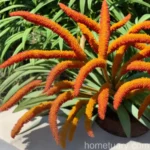
Anigozanthos flavidus is a herbaceous perennial plant belonging to the family Haemodoraceae. It is characterized by its clumping growth habit, strap-like leaves, and distinct tubular, velvety flowers that resemble the paw of a kangaroo, hence its common name “Kangaroo Paw.”
Taxonomy and Nomenclature
- Kingdom: Plantae
- Order: Commelinales
- Family: Haemodoraceae
- Genus: Anigozanthos
- Species: A. flavidus
Description
- Foliage: Anigozanthos flavidus produces long, strap-like leaves that emerge from the base of the plant, forming dense clumps.
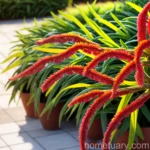
- Flowers: The most striking feature of the Kangaroo Paw plant is its tubular, furry flowers that come in a range of colors, including red, orange, green, and yellow.
Key Takeaways – Anigozanthos flavidus (Kangaroo Paw)
The following are the key takeaways for Anigozanthos flavidus, focusing on its culture, uses, and essential care requirements.
Culture
Anigozanthos flavidus is a culturally significant plant, especially for the indigenous Noongar people of Western Australia, who have traditionally used the plant for various purposes.
Uses
- Traditional Uses: The Noongar people have historically utilized the fibrous leaf bases of the Kangaroo Paw plant to make twine and the flowering stems for various handicrafts.
- Ornamental Use: In modern horticulture, Anigozanthos flavidus is primarily grown for its ornamental value. The unique flower structure and vibrant colors make it a favorite choice for landscaping and cut flower arrangements.
Care
Proper care is essential for the successful cultivation of Anigozanthos flavidus. This section will cover its water, sunlight, fertilizer, soil, pruning, propagation, and container care requirements.
Water
- Anigozanthos flavidus prefers well-draining soil and regular watering during the growing season.
- When established, it exhibits good drought tolerance, but it performs best with regular moisture.
Sunlight
- Kangaroo Paw plants thrive in full sun to partial shade. However, they generally produce more flowers when grown in full sun conditions.
Fertilizer
- Use a balanced, slow-release fertilizer to provide essential nutrients to the plant during the growing season.
- Apply the fertilizer according to the manufacturer’s instructions to avoid over-fertilization.
Soil
- The ideal soil for Anigozanthos flavidus is well-draining, slightly acidic to neutral soil with good fertility.
- A mixture of loamy soil, sand, and organic matter provides an excellent growing medium for Kangaroo Paw plants.
Pruning
- Regular deadheading of spent flowers promotes continuous blooming and maintains the plant’s aesthetic appeal.
- Prune back the flowering stems to ground level after the blooming season to encourage new growth.
Propagation
- Anigozanthos flavidus can be propagated from division, seeds, or rhizome cuttings.
- Division and rhizome cuttings are the most common and efficient methods for propagating Kangaroo Paw plants.
Container Popularity
- Kangaroo Paw plants are well-suited for container gardening, particularly in regions with cold winters.
- Use a large container with good drainage and a well-draining potting mix to grow Anigozanthos flavidus successfully.
Common Diseases
While relatively hardy, Anigozanthos flavidus is susceptible to certain diseases that can impact its health and vigor. Understanding these diseases and their symptoms is crucial for effective management.
Disease Diagnosis
- Ink Disease (Phytophthora): This fungal disease can cause root rot and is characterized by wilting, yellowing, and eventual death of the plant.
- Leaf Spot (Bipolaris sorokiniana): Leaf spot disease manifests as dark lesions on the leaves, potentially leading to defoliation.
Common Pests
Kangaroo Paw plants may face infestations from various pests, and prompt identification and management are vital for preserving their health.
Botanist’s Tips
To ensure the successful cultivation of Anigozanthos flavidus, consider the following botanist’s tips and best practices gathered from experienced horticulturists and botanists.
Fun Facts
Explore interesting and lesser-known facts about Anigozanthos flavidus, shedding light on its unique characteristics and ecological importance.
- Anigozanthos flavidus has been hybridized to produce a wide range of color variations, including vibrant reds, oranges, yellows, and greens.
- The flowers of Kangaroo Paw plants are bird-pollinated and are an essential food source for nectar-feeding birds such as honeyeaters.
Links to External Resources
For further information about Anigozanthos flavidus, explore the following external resources:
– Australian Native Plants Society (Australia) – Anigozanthos flavidus
– Gardening Australia – Kangaroo Paws
– RHS – Anigozanthos flavidus
Conclusion
Anigozanthos flavidus, or Kangaroo Paw, is a captivating plant with cultural significance and ornamental appeal. By understanding its cultural uses, essential care requirements, common diseases, and interesting facts, enthusiasts and horticulturists can cultivate and appreciate this iconic Australian native plant. Whether in gardens, landscapes, or containers, the striking beauty of Anigozanthos flavidus continues to captivate plant lovers and contribute to the ecological tapestry of its natural habitat.
By incorporating the provided care tips and embracing the cultural significance of the plant, enthusiasts can contribute to the conservation and appreciation of Anigozanthos flavidus, ensuring its continued beauty and ecological importance for generations to come.