Kangaroo Paw (Anigozanthos flavidus) – A Marvel of Nature
What is a Plant?
Plants are nature’s wonder, serving as the primary producers of food in the ecosystem. They are multicellular organisms belonging to the kingdom Plantae and have played a vital role in shaping life on Earth. Plants have the remarkable ability to convert sunlight into energy through photosynthesis, providing sustenance for a myriad of organisms, including us humans. From towering trees in the rainforest to the tiniest blade of grass, the plant kingdom exhibits immense diversity, resilience, and beauty.
Kangaroo Paw (Anigozanthos flavidus)
In the rich tapestry of flora that adorns our planet, few plants captivate the imagination quite like the Kangaroo Paw, scientifically known as Anigozanthos flavidus. This striking plant is native to the southwestern regions of Australia, where it thrives in a variety of habitats, showcasing its unique and vibrant blooms.
Key Takeaways
As we delve into the realm of Kangaroo Paw, we will explore its cultural significance, uses, and the essential aspects of care to ensure its optimal growth.
Culture
Uses
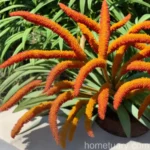
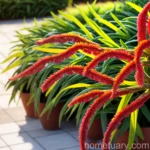
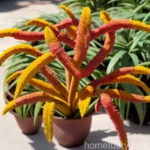
The Kangaroo Paw holds a special place in the hearts of Australians and has become an iconic symbol of the country. Its distinctive flower structures, resembling the paws of a kangaroo, add to its allure, making it a popular choice for ornamental and landscaping purposes. The vibrant colors of the flowers make it a coveted option for adding a splash of natural beauty to gardens, parks, and floral arrangements.
Water
In the wild, Kangaroo Paw is adapted to the Mediterranean climate of its native habitat, which features hot, dry summers and cool, wet winters. When growing Kangaroo Paw in a garden or landscape, it’s essential to mimic these conditions by providing ample water during the growing season and reducing irrigation in the cooler months. Adequate moisture is crucial during the flowering period to support robust blooms.
Sunlight
Anigozanthos flavidus thrives in full sun and requires at least six hours of direct sunlight daily. Placing the plant in a location with ample sunlight is essential for promoting prolific flowering and maintaining its vibrant coloration.
Fertilizer
When it comes to fertilizer, Kangaroo Paw benefits from a low-phosphorus, slow-release fertilizer designed for native plants. Applying the fertilizer in spring before the growing season commences can provide the necessary nutrients for healthy growth and flowering.
Soil
Well-draining, slightly acidic soils are ideal for Kangaroo Paw cultivation. A mix of sandy and loamy soil ensures proper aeration and prevents waterlogging, which can be detrimental to the plant’s health. Incorporating organic matter into the soil can further enhance its structure and fertility.
Pruning
Pruning plays a significant role in maintaining the health and appearance of Kangaroo Paw plants. Regular removal of spent flower stems and old foliage can stimulate new growth and prevent the buildup of decaying organic matter, which may attract pests and diseases.
Propagation
Kangaroo Paw can be propagated through division or seeds. Division involves separating healthy rhizomes and replanting them in suitable locations. For seed propagation, it’s important to use fresh seeds and provide the appropriate conditions for germination, including consistent moisture and warmth.
Container Popularity
The compact size and stunning appearance of Kangaroo Paw make it a sought-after choice for container gardening. When grown in containers, it’s crucial to select a well-draining potting mix and provide adequate space for the roots to expand. Regular watering and occasional repotting can help maintain the plant’s vigor in containers.
Common Diseases
While Kangaroo Paw is generally resilient, it can be susceptible to certain diseases, particularly in conditions of poor air circulation and excessive moisture. Common diseases that may affect Kangaroo Paw include ink disease (Mycosphaerella anigozanthos) and rust (caused by the Puccinia species).
Disease Diagnosis
Diagnosing diseases in Kangaroo Paw involves vigilant monitoring for symptoms such as leaf spots, discoloration, and deformities. Proper sanitation, adequate spacing between plants, and prompt treatment with fungicides when necessary can help manage and prevent the spread of diseases.
Common Pests
The presence of pests such as aphids, caterpillars, and snails can pose a threat to Kangaroo Paw plants. Regular inspection of the foliage and stems can aid in the early detection of pests, enabling the implementation of appropriate control measures such as insecticidal soap or organic repellents.
Botanist’s Tips
To cultivate healthy and vibrant Kangaroo Paw plants, it’s essential to heed the following tips:
- Ample Sunlight: Ensure the plants receive sufficient sunlight to promote robust growth and flowering.
- Well-Draining Soil: Use well-draining, slightly acidic soil to prevent waterlogging and maintain optimal root health.
- Regular Maintenance: Engage in regular pruning, watering, and fertilization to support the plants’ overall vigor and bloom production.
- Disease Monitoring: Keep a close watch on the plants for signs of diseases and pests, taking proactive measures to address any issues that arise.
Fun Facts
- The unique flower structure of Kangaroo Paw serves as a natural pollen presenter, making it an attractive option for pollinators such as birds and insects.
- The vibrant flowers of Kangaroo Paw come in an array of colors, including red, orange, yellow, and green, adding to the visual spectacle it offers.
- The plant’s name, “Kangaroo Paw,” is derived from the resemblance of its flowers to the paw of a kangaroo and is a testament to the intriguing diversity of Australian flora.
Links to External Resources
For further exploration of Kangaroo Paw (Anigozanthos flavidus) and related topics, the following external resources offer valuable insights and detailed information:
- Royal Botanic Gardens Victoria – Kangaroo Paws
- Gardening Australia – Growing Kangaroo Paws
- Australian Native Plants Society (Australia) – Anigozanthos flavidus
- Florabase – The Western Australian Flora: Anigozanthos
- Better Homes & Gardens – How to Grow and Care for Kangaroo Paw
By delving into these resources, enthusiasts and horticulturists can gain valuable knowledge and inspiration to foster a deeper appreciation for Kangaroo Paw and its cultivation.
Conclusion
In the realm of horticulture, Kangaroo Paw (Anigozanthos flavidus) stands out as a testament to the captivating beauty and resilience of Australian flora. From its vivid blooms to its significance in indigenous culture, this remarkable plant offers a myriad of wonders to explore and celebrate. By embracing the essential aspects of care and appreciation for its natural allure, we can foster the continued admiration and cultivation of Kangaroo Paw in gardens, landscapes, and floral displays.
As we partake in the rich tapestry of nature’s offerings, let us cherish and preserve the splendor of plants such as the Kangaroo Paw, ensuring that the legacy of their beauty endures for generations to come.
This blog post delves into the captivating world of Kangaroo Paw (Anigozanthos flavidus), offering insights into its cultural significance, care requirements, and the sheer marvel of its natural allure. As a plant scientist, it was a pleasure to illuminate the myriad facets of this remarkable plant, providing valuable guidance for enthusiasts and horticulturists seeking to cultivate and appreciate this botanical treasure.
References:
-
Royal Botanic Gardens Victoria. “Kangaroo Paws.” https://www.rbg.vic.gov.au/plants/kangaroo-paws
-
Gardening Australia. “Growing Kangaroo Paws.” https://www.abc.net.au/gardening/factsheets/kangaroo-paws/9387028
-
Australian Native Plants Society (Australia). “Anigozanthos flavidus.” https://anpsa.org.au/a-fla.html
-
Florabase. “The Western Australian Flora: Anigozanthos.” https://florabase.dpaw.wa.gov.au/browse/profile/1571
-
Better Homes & Gardens. “How to Grow and Care for Kangaroo Paw.” https://www.bhg.com/gardening/plant-dictionary/perennial/kangaroo-paw/