Allium Caesium (Ornamental Onion)
What is Allium caesium? Allium caesium, commonly known as ornamental onion, is a stunning perennial plant belonging to the Allium genus. It is native to.
What is Allium caesium?
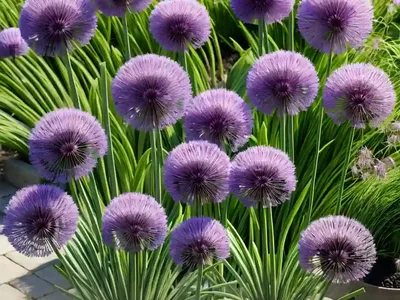
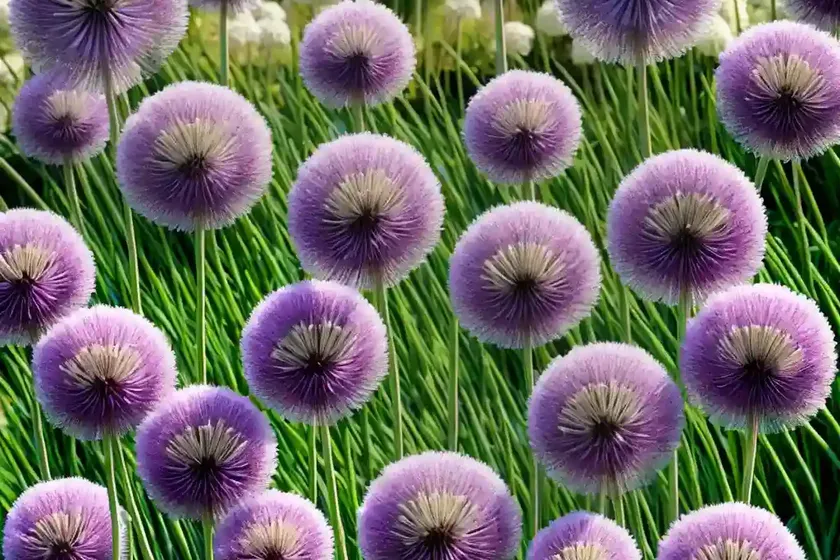
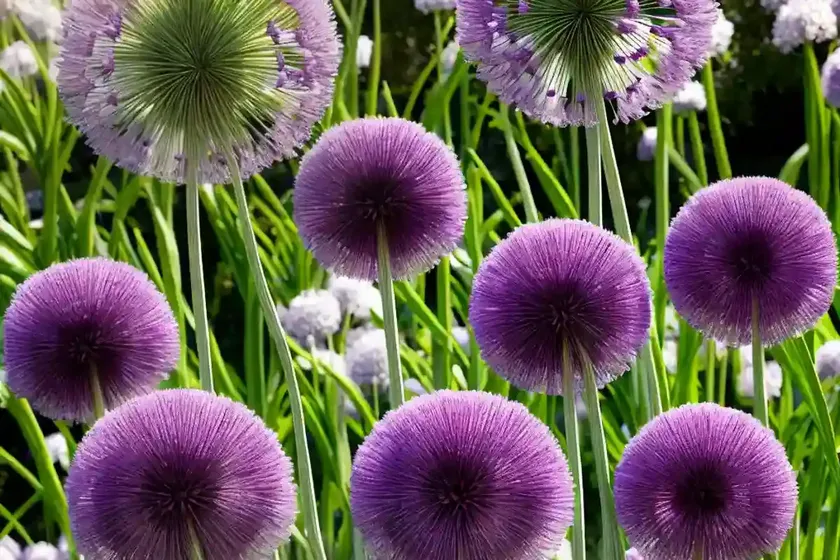
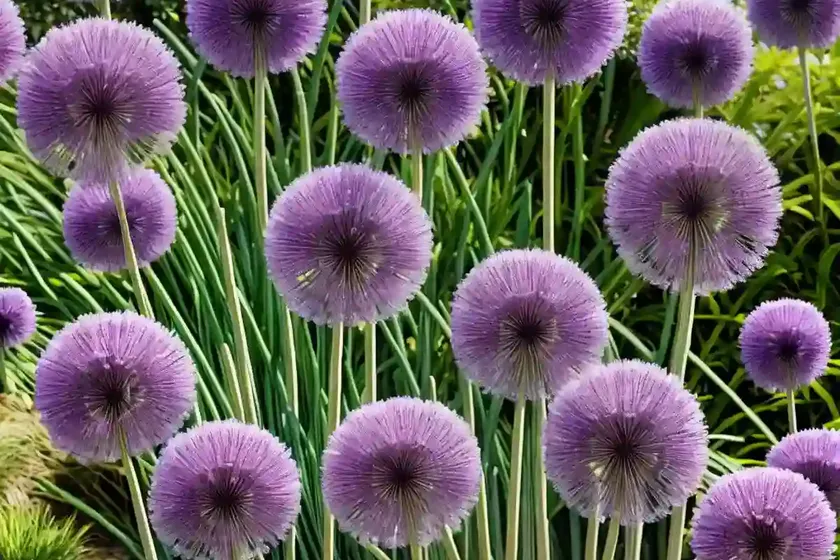
Allium caesium, commonly known as ornamental onion, is a stunning perennial plant belonging to the Allium genus. It is native to the mountainous regions of Central Asia, particularly Kazakhstan, Kyrgyzstan, Tajikistan, and Uzbekistan. This captivating plant is cherished for its unique, globe-shaped blue flowers that bloom in late spring to early summer, adding a striking visual appeal to gardens and landscapes.
Key Takeaways – Allium caesium (Ornamental Onion)
Let’s delve into the key aspects of Allium caesium, including its cultural preferences, uses, care requirements, and fascinating facts.
Culture
Allium caesium is known for its adaptability and ability to thrive in various environmental conditions. Understanding its cultural requirements is essential for successfully cultivating and enjoying this ornamental plant in your garden. Here are some key cultural aspects to consider:
Uses
- Garden Ornament: Allium caesium is primarily grown for its ornamental value. The captivating blue flowers make it an excellent choice for adding visual interest to borders, rock gardens, and naturalistic landscapes.
- Pollinator Attraction: The flowers of Allium caesium are incredibly attractive to pollinators, making it a valuable addition to wildlife-friendly gardens.
- Cut Flower: The long-lasting blooms of Allium caesium make it suitable for creating stunning cut flower arrangements, adding a touch of elegance to indoor spaces.
Water
- Moderate Watering: Allium caesium prefers moderately moist soil, so it’s essential to provide regular watering, especially during dry spells. However, it is important to avoid waterlogged conditions, which can lead to root rot.
Sunlight
- Full Sun to Partial Shade: Allium caesium thrives in full sun but can also tolerate partial shade. When grown in sunny locations, it tends to produce more robust and vibrant blooms.
Fertilizer
- Balanced Fertilization: Apply a balanced, all-purpose fertilizer in early spring when the new growth begins. Avoid excessive fertilization, as it may lead to lush foliage at the expense of flower production.
Soil
- Well-Drained Soil: Allium caesium thrives in well-drained soil with a slightly alkaline to neutral pH. Amending the soil with organic matter can improve its structure and fertility, promoting healthy growth and bloom production.
Pruning
- Minimal Pruning: Allium caesium typically does not require extensive pruning. After the flowering season, you can remove the spent flower heads to maintain a tidy appearance and prevent self-seeding.
Propagation
- Division: Propagate Allium caesium through bulb division in autumn. Gently lift the clumps, separate the bulbs, and replant them at the desired location, ensuring adequate spacing for future growth.
Container Popularity
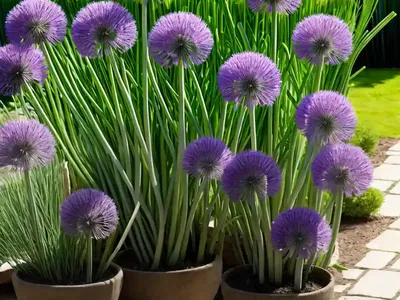
- Container Gardening: Allium caesium is well-suited for container cultivation, allowing individuals with limited garden space to enjoy its captivating blooms and ornamental charm.
Common Diseases
Allium caesium is relatively resistant to diseases; however, occasional issues such as fungal infections may occur, particularly in overly wet conditions. Proper cultural practices, including adequate spacing, good airflow, and well-drained soil, can help prevent and mitigate disease problems.
Common Pests
Allium caesium is generally resistant to most pests; however, it may occasionally attract onion fly and thrips. Monitoring the plants regularly and practicing good garden hygiene can help manage pest infestations effectively.
Botanist’s Tips
- Companion Planting: Pair Allium caesium with low-growing perennials or ornamental grasses to create visually appealing and harmonious garden compositions.
- Naturalizing: Allium caesium can naturalize in suitable growing conditions, forming attractive colonies of blooming plants over time. Consider its potential to enhance naturalistic landscapes and meadow plantings.
Fun Facts
- The genus Allium, which includes onions, garlic, and chives, comprises over 700 species, offering a diverse range of ornamental and culinary plants.
- Allium caesium’s captivating blue flowers can create a stunning color palette when combined with complementary hues such as yellow and purple in garden designs.
Now that we have explored the cultural preferences, uses, and captivating aspects of Allium caesium, let’s further investigate its unique characteristics, growing tips, and maintenance requirements.
Allium caesium: Species and Characteristics
Allium caesium Bulbs
Allium caesium develops from small, elongated bulbs that are planted in the fall for spring bloom. The bulbs should be positioned at a depth approximately two to three times their diameter and spaced several inches apart to allow for proper development and expansion.
Allium caesium Flower
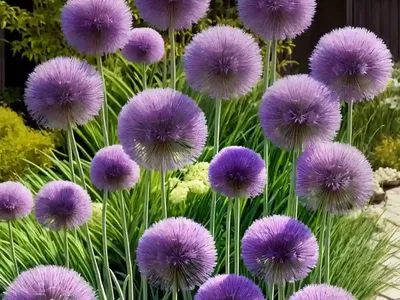
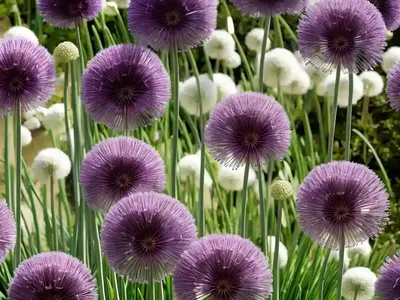
The striking globe-shaped flowers of Allium caesium are composed of numerous star-shaped florets, creating a visually captivating display. The unique blue hue of the flowers adds an enchanting and rare color element to garden landscapes.
Allium caesium Plant Care
Proper plant care is essential for ensuring the health and vitality of Allium caesium. Here are key care considerations:
- Mulching: Applying a layer of organic mulch around the base of the plants can help conserve soil moisture, suppress weed growth, and provide insulation during temperature fluctuations.
Allium caesium Growing Tips
- Supporting Structures: In areas with strong winds, consider providing support for Allium caesium to prevent the flower stems from bending or breaking. This can be achieved using discreet stakes or surrounding plantings for natural support.
Allium caesium in Gardens
- Versatile Landscaping: Allium caesium can be incorporated into a wide range of garden styles, including formal, cottage, and contemporary designs, adding a distinctive touch to each setting.
Allium caesium Landscaping
- Design Focal Point: Utilize Allium caesium as a focal point in garden beds or incorporate it into mixed borders to create visual interest and elevate the overall aesthetic appeal of the landscape.
Allium caesium Garden Design
- Color Combinations: Explore harmonious color combinations by pairing Allium caesium with complementary or contrasting flowering plants, foliage textures, and structural elements to create captivating compositions.
Allium caesium Gardening Ideas
- Seasonal Interest: Consider the seasonal bloom time of Allium caesium when planning garden compositions to ensure a continuous display of colors and textures throughout the year.
Allium caesium: Habitat and Planting Guide
Allium caesium Natural Habitat
Allium caesium naturally thrives in open, sunny locations and well-drained soil, often found in mountainous regions with gravelly or rocky substrates. Replicating these conditions in the garden can support the plant’s growth and performance.
Allium caesium Perennial
As a perennial plant, Allium caesium returns year after year, showcasing its beautiful blooms and contributing to the dynamic tapestry of the garden with its enduring presence.
Allium caesium Blooming Season
The blooming season of Allium caesium usually occurs in late spring to early summer, providing a captivating display of blue flowers that enliven the garden and attract pollinators.
Allium caesium: Maintenance and Management
Allium caesium Watering Needs
- Establishment Period: During the initial growth phases and the flowering period, provide regular watering to support healthy development and robust bloom production.
Allium caesium Sunlight Requirements
- Optimal Exposure: Allium caesium thrives in locations with full sun to partial shade, receiving at least six hours of direct sunlight daily to promote vigorous growth and abundant flowering.
Allium caesium Soil Preferences
- Well-Drained Soil: Ensure that the soil has excellent drainage to prevent waterlogged conditions, which can be detrimental to the health of Allium caesium.
Allium caesium Propagation Methods
- Division: The primary method of propagating Allium caesium is through bulb division, allowing for the replenishment of planting stocks and the expansion of ornamental displays.
Allium caesium Pest Control
- Monitoring Practices: Regularly inspect Allium caesium for signs of pest activity, such as feeding damage or discoloration, and take appropriate measures to manage potential infestations effectively.
Allium caesium Disease Prevention
- Cultural Practices: Implementing proper cultural practices, including adequate spacing, good soil drainage, and balanced watering, can significantly reduce the risk of disease issues in Allium caesium.
Allium caesium Companion Plants
- Complementary Combinations: Explore pairing Allium caesium with other garden perennials, such as geraniums, salvias, or catmint, to create visually appealing and harmonious plant combinations.
Allium caesium Flower Arrangements
- Creative Displays: Harvest the stunning blooms of Allium caesium to create captivating flower arrangements, adding a touch of elegance and natural charm to indoor and outdoor settings.
Allium caesium Landscaping Ideas
- Visual Accents: Utilize Allium caesium as a focal point or accent plant in various garden settings, contributing to the overall visual appeal and thematic cohesiveness of the landscape.
Allium caesium: Ecological and Aesthetic Significance
Allium caesium Seasonal Interest
Allium caesium contributes to the seasonal interest in gardens, particularly during the late spring and early summer months, when its striking blue flowers punctuate the landscape with vibrant colors.
Allium caesium Garden Borders
Incorporating Allium caesium into garden borders can enhance the delineation of planting areas, adding an exquisite vertical element and a burst of color to the garden design.
Allium caesium Pollinator Attraction
The flowers of Allium caesium act as floral magnets, attracting and supporting pollinators such as bees, butterflies, and other beneficial insects, contributing to the overall ecological vitality of the garden.
Allium caesium Garden Focal Point
Utilize the striking visual presence of Allium caesium to establish focal points and anchor the design of garden beds, drawing attention and admiration from all who encounter the captivating blooms.
Allium caesium Border Plant
As a border plant, Allium caesium contributes to defining the edges of garden beds and pathways, creating a sense of structure and cohesion within the landscape.
Allium caesium Container Gardening
The adaptability of Allium caesium makes it an excellent candidate for container gardening, allowing individuals with limited outdoor space to cultivate and enjoy its ornamental beauty.
Allium caesium Garden Color Palette
The captivating blue hue of Allium caesium’s flowers can be incorporated into diverse garden color palettes, harmonizing with complementary hues and contributing to the overall visual appeal of the landscape.
Allium caesium: Unique Characteristics and Botanical Insights
Allium caesium Plant Structure
The structural form of Allium caesium features slender stems topped with spherical clusters of flowers, creating a captivating architectural presence in garden spaces.
Allium caesium Edible Uses
While Allium caesium is primarily grown for ornamental purposes, it belongs to the larger Allium genus, which includes several culinary species that are cultivated for their edible bulbs, leaves, and flowers.
Allium caesium Medicinal Properties
Within the Allium genus, several species are known for their potential medicinal properties, such as antimicrobial and antioxidant effects, although specific research on Allium caesium’s medicinal uses may be limited.
Allium caesium Folklore and Symbolism
The Allium genus has been associated with various cultural and symbolic meanings throughout history, often representing concepts such as resilience, unity, and renewal in different traditions and folklore.
Allium caesium in Traditional Gardens
Allium caesium can be incorporated into traditional garden designs, contributing to the timeless appeal and enduring charm of landscape compositions through its captivating blooms and ornamental allure.
Allium caesium Sustainable Gardening
By selecting plants such as Allium caesium, which are well-adapted to local growing conditions and require minimal intervention, gardeners can contribute to sustainable and ecologically conscious gardening practices.
Allium caesium Eco-Friendly Plant
The low-maintenance nature of Allium caesium, in addition to its attractiveness to pollinators and wildlife, underscores its eco-friendly attributes, making it a valuable addition to environmentally conscious gardens.
Allium caesium Drought-Tolerant
Water-Wise Attributes: Allium caesium demonstrates a degree of drought tolerance once established, making it a suitable choice for water-wise gardens and landscapes with periodic water restrictions.
Allium caesium Winter Hardiness
Cold Weather Resilience: Allium caesium exhibits resilience in colder climates, withstanding winter conditions and returning vigorously in the following growing season, providing long-term garden interest.
Allium caesium: Naturalizing and Wildlife-Friendly Aspects
Allium caesium Naturalizing
Colonizing Habit: Given suitable growing conditions, Allium caesium has the potential to naturalize, forming impressive colonies and naturalistic drifts of blooming plants over time.
Allium caesium Height and Spread
Botanical Dimensions: Allium caesium typically reaches a moderate height and spread, contributing to its presence and impact in garden settings without overpowering surrounding plantings.
Allium caesium Wildlife-Friendly Plant
Ecological Value: Allium caesium serves as a valuable wildlife-friendly plant, supporting pollinators and contributing to the overall biodiversity and ecological balance of garden ecosystems.
As we conclude our exploration of Allium caesium, it’s evident that this captivating ornamental onion offers a multitude of benefits and aesthetic contributions to garden landscapes. From its stunning blue flowers to its ecological significance and cultural symbolism, Allium caesium continues to inspire gardeners and enthusiasts with its enduring charm.
Links to External Resources
For further information and inspiration on incorporating Allium caesium into your garden designs and landscapes, consider consulting the following resources:
- Royal Horticultural Society (RHS) – Allium – Ornamental Onions
- American Meadows – Allium Caesium
- Missouri Botanical Garden – Allium caesium
- The Spruce – Allium
- Gardening Know How – Allium caesium: How To Grow The Blue Onion Allium Plant
We hope that this comprehensive guide has provided valuable insights and practical tips for cultivating and appreciating the allure of Allium caesium within garden settings. Whether used as a focal point, pollinator attractant, or visual accent, Allium caesium continues to enchant and captivate with its timeless elegance and ornamental appeal.
Happy gardening!