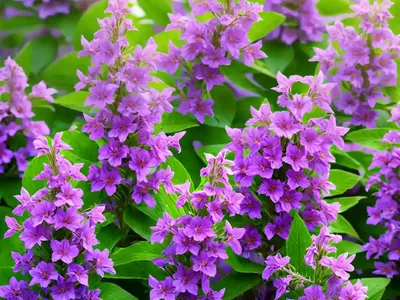
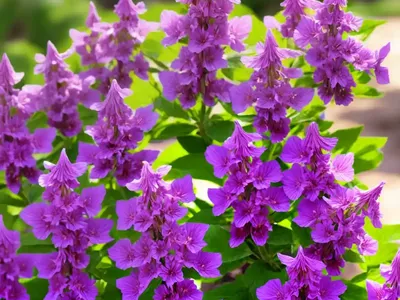
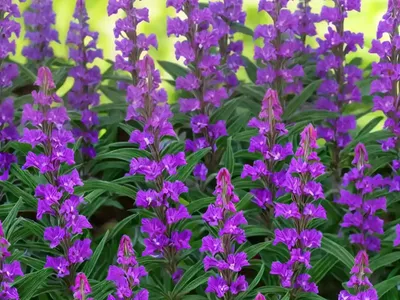
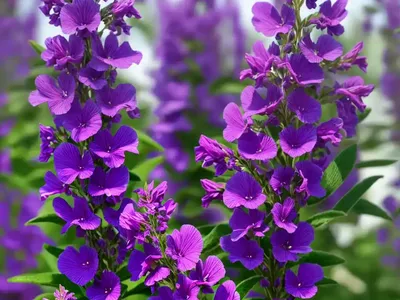
Angelonia ‘Angelface White’ (Summer Snapdragon)
When it comes to adding beauty, grace, and elegance to your garden or landscape, few plants can match the charm of Angelonia ‘Angelface White’, a summer.
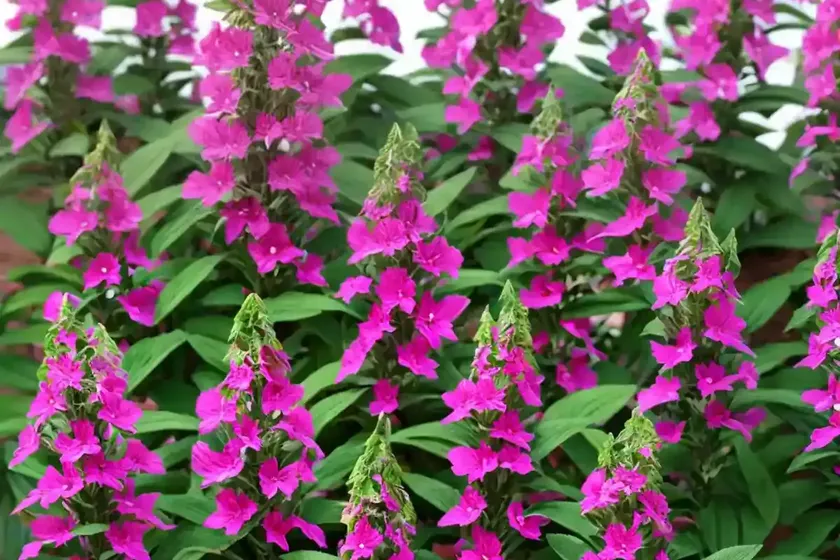
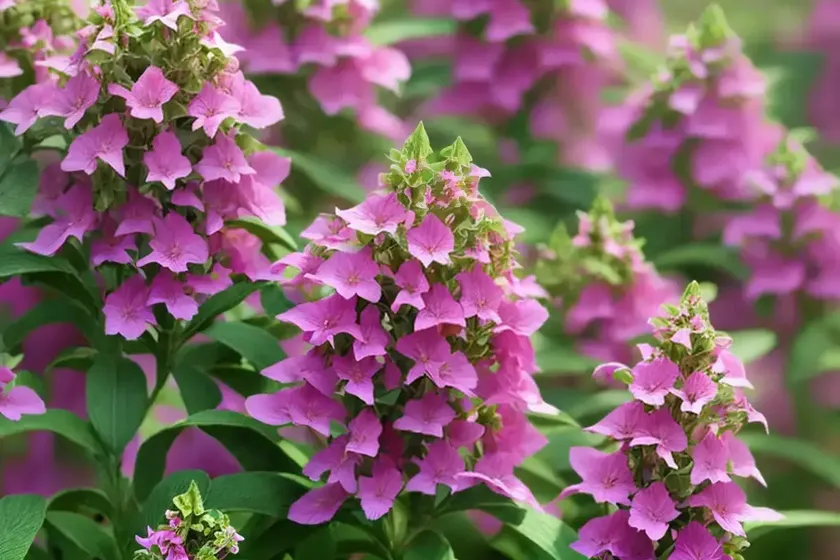
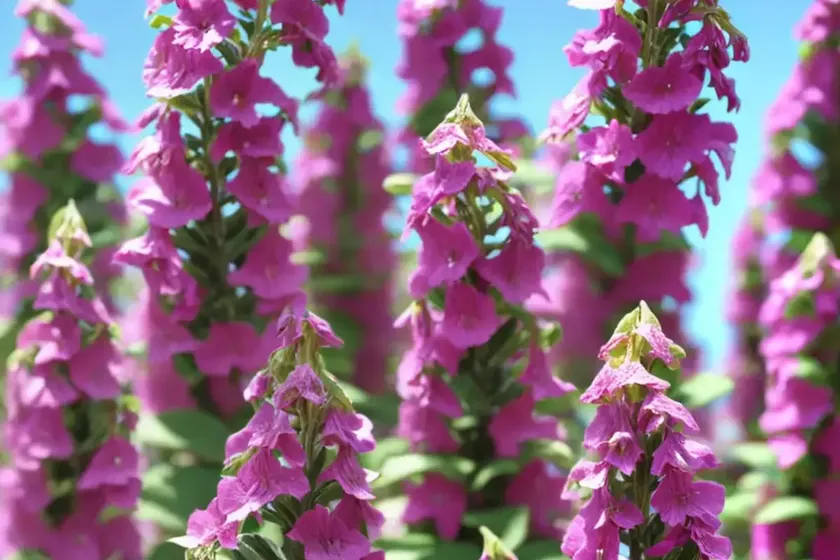
When it comes to adding beauty, grace, and elegance to your garden or landscape, few plants can match the charm of Angelonia ‘Angelface White’, a summer Snapdragon plant. This perennial flowering plant boasts stunning white blooms, a compact growth habit, and a long season of beautiful displays. In this comprehensive guide, we will delve into the various aspects of Angelonia ‘Angelface White’, including its culture, uses, maintenance, and more. So, let’s embark on a journey to explore the captivating world of this remarkable plant.
What is Angelonia ‘Angelface White’?
Angelonia ‘Angelface White’ is a member of the Angelonia genus, often referred to as “Summer Snapdragon.” This popular garden plant is prized for its abundance of delicate, snapdragon-like flowers that adorn the plant from late spring all the way through the fall. It is a herbaceous perennial, meaning it has non-woody stems and typically lives for more than two years. The ‘Angelface White’ variety specifically stands out due to its pure white blooms, which add a touch of elegance to any garden setting.
This plant is known for its versatility, as it can thrive in various settings, including beds, borders, containers, and flower arrangements. Its compact growth habit and heat tolerance further contribute to its popularity, making it a favorite among gardeners and landscapers alike. Now, let’s explore the key takeaways and essential aspects of this enchanting plant.
Key Takeaways – Angelonia ‘Angelface White’
Culture
- Hardiness: Angelonia ‘Angelface White’ is typically grown as an annual in colder climates, but it can be perennial in warmer regions.
- Plant Type: Herbaceous perennial
- Growth Habit: Compact, upright
- Mature Height: 12-18 inches
- Bloom Time: Late spring to fall
- Attracts: Pollinators such as bees and butterflies
Uses
- Garden Bed: Adds elegance and charm to flower beds and garden borders.
- Container Planting: Suitable for container gardening, including pots and hanging baskets.
- Flower Arrangements: Its delicate white blooms make it a favorite for floral arrangements.
- Landscape Design: Whether used as a focal point or in mass plantings, Angelonia ‘Angelface White’ enhances landscape designs.
Water
- Watering Frequency: Requires moderate watering, allowing the soil to dry out slightly between waterings.
- Drought Tolerance: Exhibits good tolerance to dry conditions once established.
Sunlight
- Sun Exposure: Thrives in full sun, but can tolerate light shade.
- Ideal Conditions: Provide at least 6-8 hours of direct sunlight for best performance.
Fertilizer
- Fertilization: Apply a balanced, slow-release fertilizer once a month during the growing season.
Soil
- Well-Drained Soil: Flourishes in well-draining soil with good aeration.
- Soil pH: Prefers a slightly acidic to neutral soil pH (6.0-7.0).
Pruning
- Deadheading: Regular deadheading promotes continued blooming and maintains a tidy appearance.
- Trimming: Can be pruned back to encourage bushier growth and new blooms.
Propagation
- Propagation Methods: Easily propagated from stem cuttings or seeds.
- Best Time for Propagation: Propagate in early spring or late summer.
Container Popularity
- Container Friendly: Well-suited for container planting, adding versatility to gardens and patios.
- Suitable Containers: Use well-draining, appropriately sized containers to accommodate the plant’s root system.
Common Diseases
- Resistant: Generally resistant to most diseases, ensuring a low-maintenance plant.
Disease Diagnosis
- Leaf Spots: Watch for signs of leaf spots, which may indicate fungal infections.
- Powdery Mildew: Monitor for powdery mildew, especially in humid conditions.
Common Pests
- Pest Resistance: Exhibits good resistance to pests.
- Potential Pests: Keep an eye out for aphids and spider mites, particularly during dry, hot periods.
Botanist’s Tips
- Companion Planting: Pair with other sun-loving annuals or perennials, such as Salvia, Verbena, or Lantana, for stunning combinations.
- Wildlife-Friendly: Attracts pollinators, contributing to a vibrant and biodiverse garden ecosystem.
Fun Facts
- Historical Significance: Angelonia’s name stems from the Greek word “angelon,” which means “message” or “messenger.”
- Butterfly Magnet: The plant’s blooms attract butterflies with their graceful appearance and nectar-rich flowers.
- Long-Lasting Blooms: Angelonia ‘Angelface White’ can produce an abundance of flowers that last throughout the summer and into early fall.
Now that we have covered the key takeaways, let’s delve deeper into the various aspects of Angelonia ‘Angelface White’, exploring its growth requirements, care tips, and more.
Planting Tips
Soil Preparation
Ensure the soil is well-drained and rich in organic matter. In heavier soils, amending with compost or peat moss can improve drainage and overall soil quality. Aim for a slightly acidic to neutral pH range for optimal growth.
Planting Depth
When planting Angelonia ‘Angelface White’, ensure the root ball is level with the soil surface. Gently press the soil around the plant to remove any air pockets and promote good root-to-soil contact.
Spacing
Space individual plants approximately 8-12 inches apart to allow for adequate air circulation and future growth.
Watering Requirements
Establishment Period
During the initial establishment phase, provide regular watering to help the plant develop a strong root system. This is particularly important when grown in containers.
Watering Frequency
Once established, Angelonia ‘Angelface White’ typically requires moderate watering. Allow the soil to dry slightly between waterings to prevent waterlogged conditions.
Drought Tolerance
Once mature, this plant displays good drought tolerance, making it suitable for water-wise gardening and landscapes.
Sunlight Preferences
Full Sun Exposure
For optimal performance and abundant blooms, provide Angelonia ‘Angelface White’ with full sun, which equates to at least 6-8 hours of direct sunlight per day.
Partial Shade Tolerance
While it thrives in full sun, this plant can tolerate light shade, especially in regions with intense summer heat.
Fertilization
Balanced Fertilizer
Apply a balanced, slow-release fertilizer once a month during the growing season to support healthy growth and prolific flowering.
Container-Grown Plants
If growing Angelonia ‘Angelface White’ in containers, ensure to use a high-quality potting mix and fertilize according to the recommendations for container plants.
Pruning and Deadheading
Deadheading
Regularly remove spent flowers to encourage continuous blooming and prevent the formation of seeds, directing the plant’s energy toward new growth.
Trimming
If the plant becomes leggy or starts to decline in appearance, it can be lightly pruned to promote bushier growth and rejuvenation.
Propagation Methods
Stem Cuttings
Take 3-4 inch stem cuttings from healthy, non-flowering shoots and root them in a well-draining potting mix to propagate new plants.
Seed Propagation
Angelonia ‘Angelface White’ can also be grown from seeds; sow them indoors in early spring for outdoor transplanting after the last frost date.
Garden Beds and Borders
Border Plant
With its compact growth habit and profusion of white blooms, Angelonia ‘Angelface White’ adds a touch of sophistication to garden borders, creating a stunning display when mass planted.
Cottage Gardens
In cottage garden settings, this plant’s classic appeal and long-lasting flowers make it an ideal addition to traditional and informal garden designs.
Container Gardening
Versatile Container Plant
Angelonia ‘Angelface White’ is well-suited for container gardening, thriving in pots, window boxes, and other containers.
Focal Point
When grown in containers, it can serve as an eye-catching focal point on patios, balconies, or outdoor living areas.
Mixed Plantings
Combine Angelonia ‘Angelface White’ with other annuals and perennials to create captivating and diverse container arrangements.
Landscape Accents
Heat-Tolerant Borders
In hot and sunny spots, this plant can be used to create colorful and heat-tolerant borders, infusing the landscape with long-lasting beauty.
Pollinator Gardens
As a pollinator-friendly plant, Angelonia ‘Angelface White’ contributes to wildlife-friendly garden designs, attracting beneficial insects and adding ecological value to the landscape.
Mass Plantings
Summer Bedding Plant
Due to its extended bloom time and compact growth, this Angelonia variety is well-suited for mass plantings, providing a sea of white blooms throughout the summer.
Ground Cover
In regions with mild winters, Angelonia ‘Angelface White’ can function as a low-growing ground cover, creating a lush carpet of blooms.
Angelonia Varieties
‘Angelface Series’
The ‘Angelface Series’ encompasses a range of colors, including white, purple, and various shades of pink and lavender, offering a diverse palette for landscape and garden design.
‘Angelface Blue’
With its stunning blue blooms, ‘Angelface Blue’ complements ‘Angelface White’ perfectly, creating striking color contrasts in mixed plantings.
‘Angelface Perfectly Pink’
For a softer color scheme, ‘Angelface Perfectly Pink’ pairs beautifully with ‘Angelface White’, adding a delicate touch to garden beds and containers.
Landscaping Combinations
Color Complements
Pair Angelonia ‘Angelface White’ with bold, warm-colored flowers like marigolds or zinnias to create visually impactful combinations.
Thriller-Spiller-Filler
In container arrangements, use Angelonia ‘Angelface White’ as a vertical “thriller” element complemented by trailing “spiller” plants and mid-level “fillers.”
Edging and Pathway Planting
Utilize Angelonia ‘Angelface White’ to edge garden pathways, where its compact growth and pure white blooms create a striking border.
Disease Resistance
Disease-Resistant
Angelonias, including ‘Angelface White’, are generally resilient against most common diseases, contributing to their appeal as low-maintenance plants.
Disease Diagnosis
Leaf Spot
Monitor for signs of leaf spot diseases, characterized by the appearance of spots or lesions on the leaves. Address promptly with appropriate fungicides if detected.
Powdery Mildew
In humid conditions, keep an eye out for powdery mildew, a fungal disease that can affect the plant’s foliage. Provide adequate air circulation to prevent its occurrence.
Pest Control
Pest Resistance
While Angelonia ‘Angelface White’ is generally resistant to pests, occasional inspections for aphids and spider mites can help maintain plant health.
Aphids
If aphids are detected, a strong blast of water or insecticidal soap can effectively control their populations.
Spider Mites
In dry, hot conditions, watch for signs of spider mite infestations and employ appropriate miticides to manage these pests.
Companion Planting
Sun-Loving Companions
Pair Angelonia ‘Angelface White’ with other sun-loving annuals and perennials, such as Salvia, Verbena, or Lantana, to create captivating and vibrant garden displays.
Wildlife Attraction
Embrace the plant’s role in attracting pollinators by including flowering plants that provide nectar and habitat for butterflies, bees, and other beneficial insects.
Garden Design
Landscape Accents
In landscape designs, utilize Angelonia ‘Angelface White’ as an essential element for creating focal points, borders, and mass plantings, adding timeless elegance to the setting.
Urban Gardens
For urban gardens and smaller spaces, the compact nature of this plant makes it an ideal choice for adding beauty and charm without overwhelming limited areas.
Environmental Benefits
Drought Tolerance
Angelonia ‘Angelface White’ contributes to water-wise landscaping, thriving in dry conditions once established and reducing the need for excessive watering.
Biodiversity
As a wildlife-friendly plant, it enriches the garden ecosystem by attracting diverse pollinators and contributing to overall biodiversity.
Final Thoughts
Angelonia ‘Angelface White’ stands out as a captivating and versatile plant, capable of enhancing various landscapes and garden settings with its timeless beauty. Whether used as a border plant, container centerpiece, or landscape accent, its enduring white blooms and low-maintenance nature make it a favorite among gardeners and landscapers alike. By incorporating Angelonia ‘Angelface White’ into garden designs, one can create enduring displays and support local pollinator populations, showcasing the plant’s ecological and aesthetic significance.
As you embark on your gardening journey or landscape design projects, consider the allure of Angelonia ‘Angelface White’ and the possibilities it holds for enriching outdoor spaces with grace and elegance.
As a plant scientist, it’s both enlightening and fulfilling to explore the nuances and intricacies of plants like Angelonia ‘Angelface White.’ Their unique characteristics, cultural significance, and ecological contributions constantly remind us of the profound connections between plants and the world around us.
Feel free to utilize the resources listed below for further information and inspiration regarding Angelonia ‘Angelface White’ and its role in gardening, landscaping, and biodiversity.
Links to External Resources
- The American Horticultural Society – A wealth of information on plant care, gardening techniques, and horticultural resources.
- Royal Horticultural Society – Offers comprehensive gardening advice, plant profiles, and design inspiration for landscapes and gardens.
- Missouri Botanical Garden – An invaluable resource for plant enthusiasts, with an extensive plant database and educational materials.
- The Plant List – A global resource providing botanical information and plant species diversity data.
- University Extension Services – State-based agricultural and horticultural extension services offering practical gardening advice and research-based insights.
By tapping into the knowledge and expertise offered by these resources, you can further deepen your understanding of Angelonia ‘Angelface White’ and explore the broader world of plants and horticulture.
Remember, as you engage with the natural world and the plant kingdom, every discovery, every bloom, and every garden endeavor contributes to a greater appreciation for the beauty and resilience of nature.
Happy gardening, and may your landscapes be filled with the enchanting allure of Angelonia ‘Angelface White’!
Disclaimer: This blog post is intended for educational and informational purposes only. As conditions and specific plant needs can vary, it is recommended to consult with local horticultural experts and gardening resources for precise guidance tailored to your unique gardening environment and goals.