Angel’s Trumpet (Brugmansia Spp.)
In this comprehensive guide, we will delve into the enchanting world of Angel’s Trumpet (Brugmansia spp.), exploring everything from its botanical features.
In this comprehensive guide, we will delve into the enchanting world of Angel’s Trumpet (Brugmansia spp.), exploring everything from its botanical features to its cultivation, uses, and maintenance. Whether you are a seasoned plant enthusiast or a beginner looking to add an elegant touch to your garden, this guide will equip you with the knowledge and skills to nurture these exquisite trumpet-shaped flowers successfully.
What is Angel’s Trumpet (Brugmansia spp.)?
A member of the Solanaceae family, Angel’s Trumpet, scientifically known as Brugmansia, is a genus of flowering plants native to South America. This genus comprises several species of woody shrubs or small trees that are renowned for their large, pendulous, trumpet-shaped flowers and enticing fragrance. Angel’s Trumpet is often cultivated for its ornamental value and captivating blooms, making it a popular choice for gardens, landscapes, and indoor spaces.
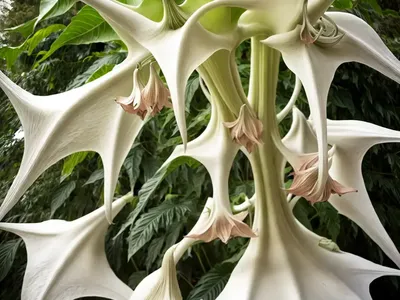
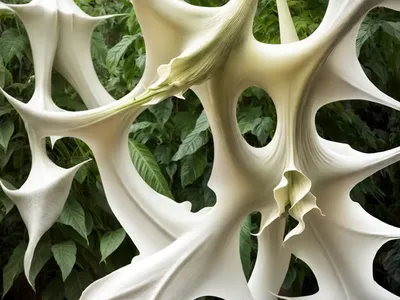
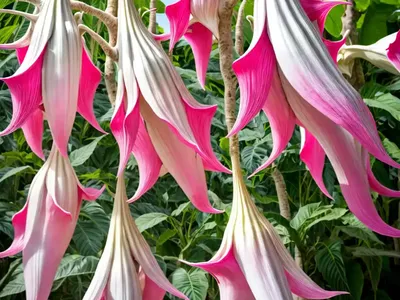
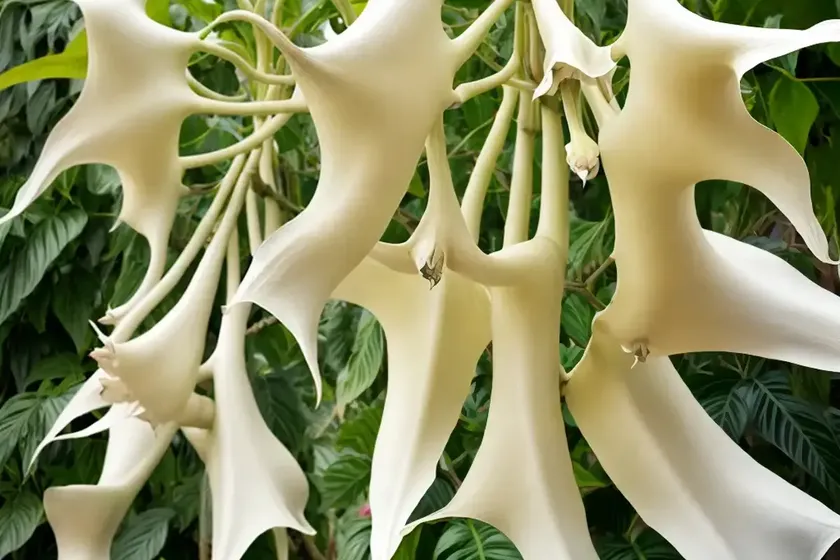
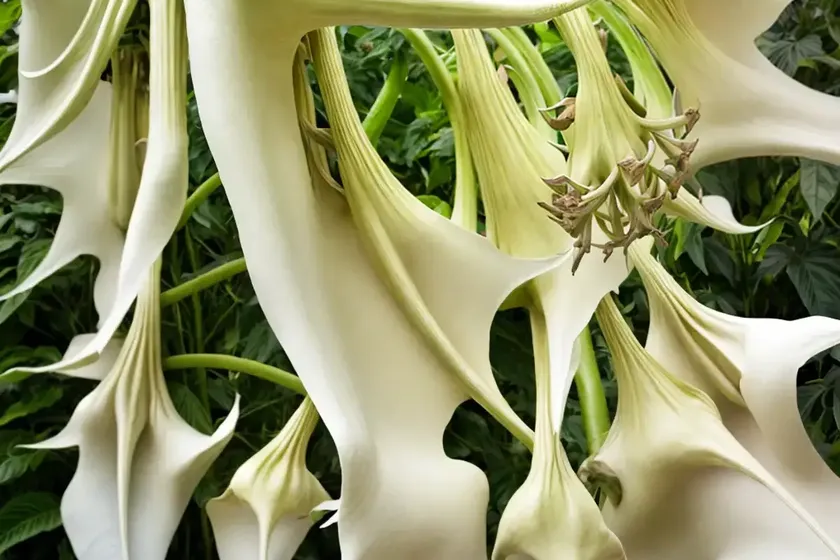
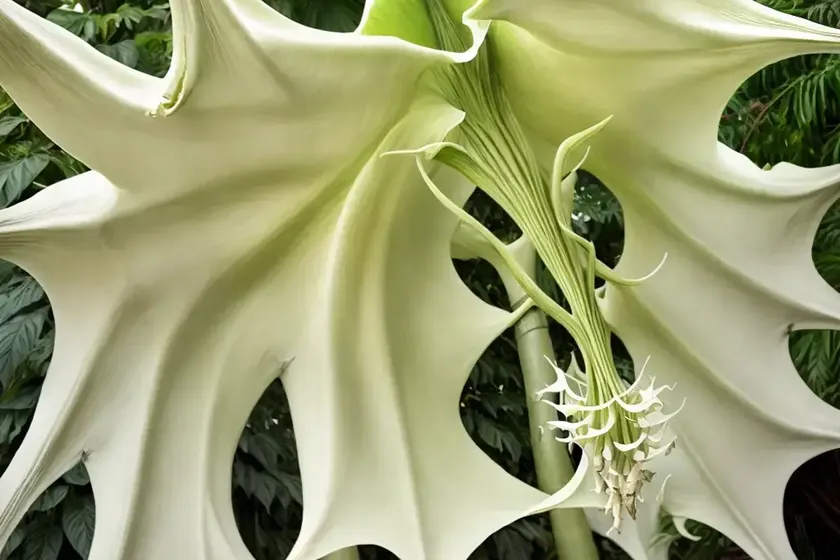
The distinctive trumpet-shaped flowers of Brugmansia spp. are characterized by their elegant appearance and alluring fragrance, which intensifies after dusk. These flowers come in various hues, including white, yellow, pink, and orange, adding a mesmerizing touch to any setting where they bloom.
Key Takeaways – Angel’s Trumpet (Brugmansia spp.)
Before we proceed further, let’s glance at some key takeaways about Angel’s Trumpet (Brugmansia spp.):
- Other Names: Brugmansia plants, Angel’s Trumpet flower, Trumpet flower plants
- Cultural Significance: Angel’s Trumpet is highly valued for its ornamental and aromatic qualities.
- Botanical Features: Trumpet-shaped flowers, woody shrubs or small trees, pendulous blooms.
- Varieties: Several Brugmansia species, each with unique features and flower colors.
- Growing Conditions: Requires adequate sunlight, water, and well-draining soil for healthy growth.
- Maintenance: Pruning, fertilization, and disease control are essential for optimal care.
- Uses: Ornamental plants, fragrance, medicinal properties in some cultures.
- Popularity: Cultivated for landscaping, gardens, and indoor decor.
Now, let’s explore the various aspects of Angel’s Trumpet (Brugmansia spp.), including its cultivation, uses, and maintenance, to gain a comprehensive understanding of this captivating plant.
Culture
Cultivating Angel’s Trumpet requires a good understanding of its specific cultural needs to ensure its optimal growth and development. Let’s delve into the key cultural aspects of Brugmansia spp.
Uses
Angel’s Trumpet (Brugmansia spp.) is primarily valued for its ornamental appeal and fragrant blooms. The enchanting trumpet-shaped flowers are coveted for their elegance and fragrance, making them highly sought after for landscaping, gardens, and indoor spaces. In certain cultures, Angel’s Trumpet holds medicinal significance and is used for traditional remedies.
Water
Proper watering is critical for the health and vigor of Angel’s Trumpet plants. They thrive in moist but well-draining soil, and it is essential to maintain consistent soil moisture to support their growth. However, overwatering should be avoided, as it can lead to root rot and other complications. During the growing season, regular watering is necessary, ensuring that the soil does not dry out completely between watering sessions. In contrast, during periods of dormancy or reduced growth, watering should be adjusted accordingly to avoid waterlogging.
Sunlight
Angel’s Trumpet plants benefit from ample sunlight to promote robust growth and prolific flowering. They thrive in full to partial sun, requiring at least 4-6 hours of direct sunlight daily. When grown indoors, placing them near a sunny window or providing supplemental grow lights can help fulfill their sunlight requirements. Adequate exposure to sunlight is crucial for the development of their iconic trumpet-shaped flowers and lush foliage.
Fertilizer
Fertilization plays a pivotal role in ensuring the nutrient needs of Angel’s Trumpet plants are met for vigorous growth and abundant blooms. A balanced, water-soluble fertilizer formulated for flowering plants is ideal for Brugmansia spp. During the growing season, regular fertilization every 2-3 weeks can enhance their blooming potential and overall health. However, it is essential to follow the recommended dilution and application instructions to prevent fertilizer burn and adverse effects.
Soil
Well-draining, fertile soil is vital for the successful cultivation of Angel’s Trumpet. A rich, porous soil mix that provides good aeration and drainage is recommended to prevent waterlogging and promote healthy root development. A blend of quality potting mix, perlite, and organic matter can create an ideal growing medium for Brugmansia spp. Additionally, maintaining slightly acidic to neutral soil pH is beneficial for their growth and nutrient uptake.
Pruning
Pruning is an essential aspect of Angel’s Trumpet care that helps maintain their shape, promote branching, and remove dead or diseased growth. Pruning should be carried out judiciously, especially during the growing season, to encourage prolific flowering and a compact, well-branched form. Regular removal of spent flowers and shaping the plant as needed can enhance its overall appearance and flowering performance. However, it is important to exercise caution while handling the plant, as all parts of Angel’s Trumpet are toxic if ingested.
Propagation
The propagation of Angel’s Trumpet can be accomplished through various methods, including stem cuttings, layering, and seed propagation. Stem cuttings are a popular and reliable technique for propagating Brugmansia spp. Selecting healthy, disease-free stems and rooting them in a suitable growing medium can yield new plants with characteristics similar to the parent plant. Layering, which involves encouraging roots to form on a stem while it is still attached to the parent plant, is another effective propagation method for Angel’s Trumpet.
Container Popularity
Angel’s Trumpet is well-suited for container cultivation, making it a popular choice for patio gardens, balconies, and small outdoor spaces. The versatility of container gardening allows enthusiasts to grow Brugmansia spp. in regions where the climate may not be conducive to their outdoor cultivation. Additionally, container-grown Angel’s Trumpet plants can be moved indoors during adverse weather conditions, providing them with protection and extending their growing season.
Common Diseases
Despite their enchanting beauty, Angel’s Trumpet plants are susceptible to certain diseases and pests that can impact their health and vitality. Understanding common diseases that affect Brugmansia spp. is crucial for implementing preventive measures and timely interventions to protect these captivating plants.
Disease Diagnosis
Some of the common diseases that can afflict Angel’s Trumpet plants include:
- Powdery Mildew: Characterized by the presence of powdery white patches on the foliage, powdery mildew can weaken the plant and hinder its growth. It thrives in humid conditions and can spread rapidly if not addressed promptly.
- Leaf Spot: Leaf spot diseases manifest as dark, water-soaked lesions on the leaves, often leading to yellowing and premature leaf drop. Fungal and bacterial pathogens can cause leaf spot, posing a threat to the overall health of the plant.
- Botrytis Blight: This fungal disease causes gray mold to develop on the flowers, stems, and foliage of Angel’s Trumpet, resulting in decay and deterioration of affected plant parts.
- Root Rot: Overwatering and poorly-draining soil can predispose Brugmansia spp. to root rot, a condition that can cause root decay and compromise the plant’s ability to absorb nutrients and water.
Timely diagnosis of these diseases is essential for implementing appropriate control measures and preventing their spread to other plants in the vicinity. Observing the symptoms, conducting regular inspections, and maintaining good cultural practices can contribute to disease management.
Common Pests
In addition to diseases, Angel’s Trumpet plants can fall victim to certain pests that pose a threat to their well-being. Familiarizing yourself with common pests that target Brugmansia spp. can aid in early detection and effective pest control strategies.
Botanist’s Tips
Here are some essential tips from botanists and experienced cultivators for successfully growing and caring for Angel’s Trumpet (Brugmansia spp.):
- Sunlight Requirements: Provide ample sunlight, ensuring they receive at least 4-6 hours of direct sunlight daily for robust growth and blooming.
- Watering: Maintain consistent soil moisture, avoiding waterlogging and prolonged dry spells to support their hydration needs and prevent stress.
- Pruning: Regularly prune the plant to shape it, remove spent flowers, and promote branching while exercising caution due to its toxic nature.
- Fertilization: Apply a balanced, water-soluble fertilizer regularly during the growing season to provide essential nutrients for optimal growth and flowering.
- Disease Management: Monitor the plant for signs of diseases, such as powdery mildew and leaf spot, and take prompt action to prevent their spread.
- Pest Control: Keep an eye out for common pests like aphids and spider mites, employing natural or chemical control methods as needed to protect the plant.
Fun Facts
To add a touch of fascination to our exploration of Angel’s Trumpet (Brugmansia spp.), here are some fun facts about these captivating plants:
- Angel’s Trumpet flowers release their intoxicating fragrance, especially during the evening and nighttime, attracting pollinators and captivating human admirers.
- Some species of Brugmansia are cultivated for their medicinal properties in traditional cultures, where they are used in remedies and ceremonial practices.
- Angel’s Trumpet bears both ornamental and potential medicinal significance due to the chemicals present in various parts of the plant, which should be handled with caution.
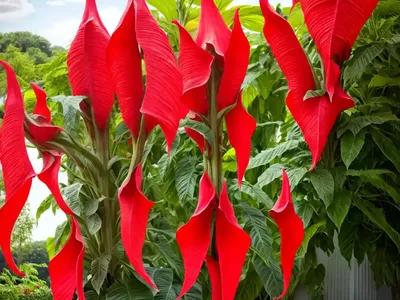
- The alluring trumpet-shaped flowers of Brugmansia spp. exhibit a range of colors, including white, yellow, pink, and orange, adding a vibrant spectacle to any landscape they adorn.
Links to External Resources
To further enrich your knowledge and experience with Angel’s Trumpet (Brugmansia spp.), here are some recommended external resources:
- Royal Horticultural Society – Brugmansia spp.
- University of Florida IFAS Extension – Brugmansia Plant Care
- North Carolina State University – Angel’s Trumpet Profile
- American Society for the Prevention of Cruelty to Animals – Angel’s Trumpet Toxicity
- Missouri Botanical Garden – Brugmansia Cultivation Guide
Conclusion
Angel’s Trumpet (Brugmansia spp.) stands out as a captivating and enchanting addition to gardens, landscapes, and indoor settings, offering its majestic trumpet-shaped flowers and alluring fragrance to admirers. By understanding the cultural requirements, uses, diseases, and maintenance practices associated with Brugmansia spp., plant enthusiasts can nurture these elegant plants with confidence and appreciate their exquisite beauty.
Let the mesmerizing allure of Angel’s Trumpet inspire your botanical journey, adding a touch of elegance and fragrance to your surroundings with its enchanting presence.
As we conclude our comprehensive guide to Angel’s Trumpet, we hope that this wealth of information equips you with the knowledge and insights to embark on a rewarding and enchanting journey of cultivating and cherishing Brugmansia spp. in your own botanical haven.
RHS. (n.d.). Brugmansia. Royal Horticultural Society. https://www.rhs.org.uk/advice/profile?pid=145
University of Florida IFAS Extension. (n.d.). Brugmansia. Florida Gardening Solutions. https://gardeningsolutions.ifas.ufl.edu/plants/ornamentals/brugmansia.html
North Carolina State University. (n.d.). Brugmansia spp. North Carolina Extension Gardener Plant Toolbox. https://plants.ces.ncsu.edu/plants/brugmansia/
ASPCA. (n.d.). Angel’s Trumpet (Brugmansia spp.). Toxic and Non-Toxic Plants. American Society for the Prevention of Cruelty to Animals. https://www.aspca.org/pet-care/animal-poison-control/toxic-and-non-toxic-plants/angels-trumpet
Missouri Botanical Garden. (n.d.). Hortline. Missouri Botanical Garden. http://www.missouribotanicalgarden.org/gardens-gardening/your-garden/help-for-the-home-gardener/hortline.aspx