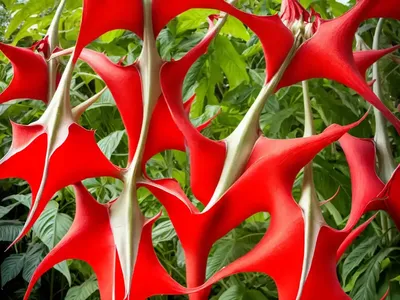
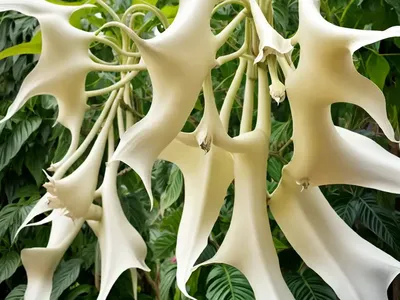
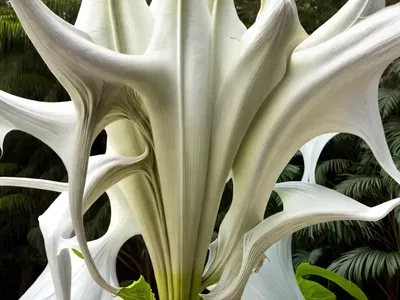
Brugmansia ‘Frosty Pink’ (Angel’s Trumpet)
Brugmansia ‘Frosty Pink’, commonly known as Angel’s Trumpet, is a stunning plant that belongs to the Solanaceae family. This plant is widely cultivated for.
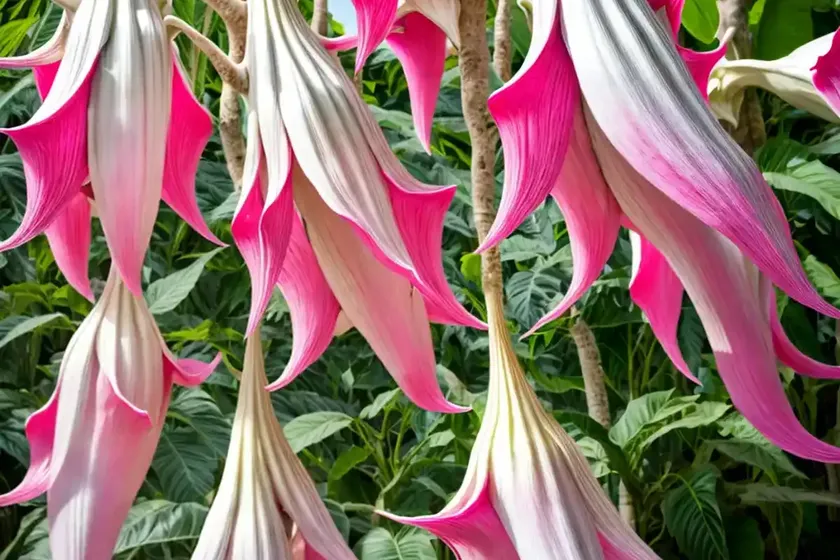
Brugmansia ‘Frosty Pink’, commonly known as Angel’s Trumpet, is a stunning plant that belongs to the Solanaceae family. This plant is widely cultivated for its ornamental value and unique trumpet-shaped flowers. In this comprehensive guide, we will delve into the various aspects of Brugmansia ‘Frosty Pink’, including its culture, uses, care requirements, propagation, and common diseases and pests.
Key Takeaways – Brugmansia ‘Frosty Pink’ (Angel’s Trumpet)
Before delving into the specifics of Brugmansia ‘Frosty Pink’, let’s explore some key takeaways about this captivating plant:
- Brugmansia ‘Frosty Pink’ belongs to the Brugmansia hybrids, known for their exquisite trumpet-shaped flowers and ornamental value.
- When caring for Brugmansia ‘Frosty Pink’, it is essential to pay attention to its water, sunlight, fertilizer, soil, and pruning requirements.
- This variety is cherished for its unique Frosty Pink blooms and is often used in landscaping for its ornamental value.
- As with all Brugmansia plants, it is crucial to understand the potential diseases and pests that can affect Brugmansia ‘Frosty Pink’ and take preventive measures accordingly.
Now, let’s delve into the specifics of Brugmansia ‘Frosty Pink’ and how to care for this remarkable plant.
Plant Description
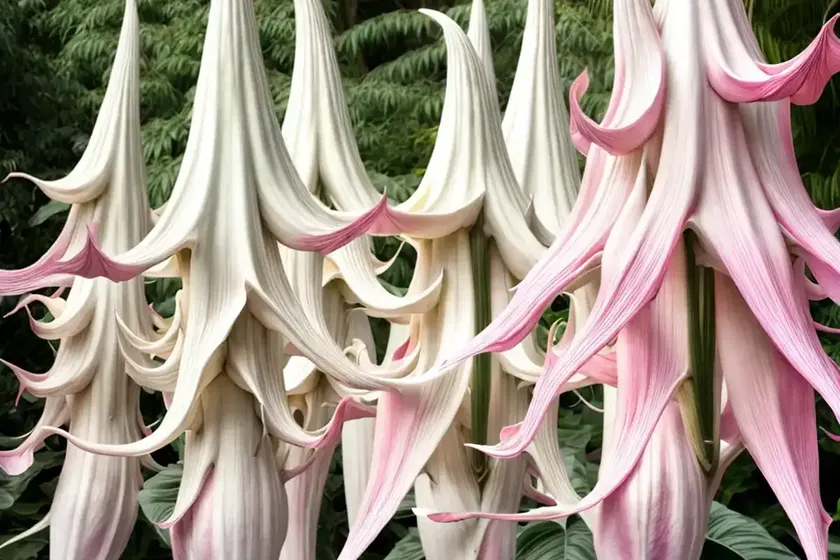
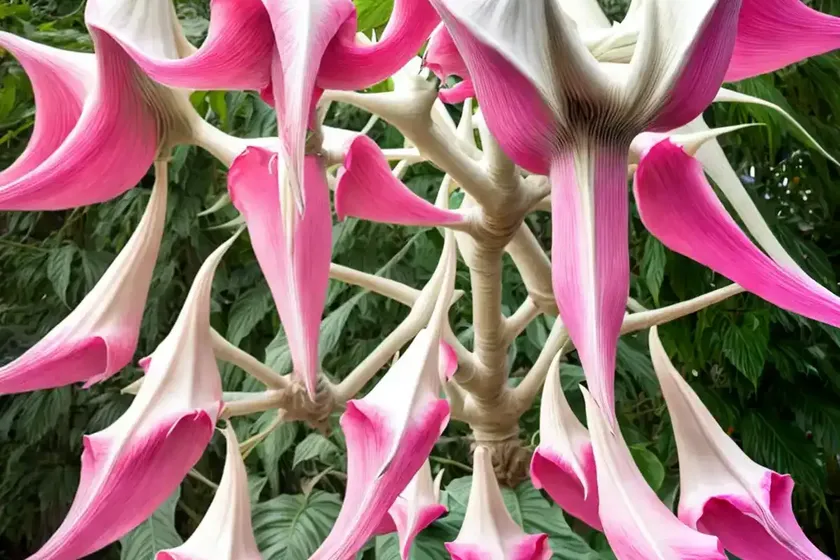
Brugmansia ‘Frosty Pink’ is a cultivar renowned for its show-stopping, pendulous flowers that are adorned with delicate, pastel pink hues. The flowers of the Angel’s Trumpet are exceptionally fragrant, adding an alluring sensory dimension to its visual appeal. This plant is characterized by its large, trumpet-shaped blooms that hang gracefully from its branches, creating a breathtaking display in gardens and landscapes.
Botanical Information
- Family: Solanaceae
- Common Name: Angel’s Trumpet
- Variety: Frosty Pink
- Hybrid: Brugmansia ‘Frosty Pink’ is a hybrid cultivar, resulting from careful breeding to achieve its specific characteristics.
Brugmansia ‘Frosty Pink’ is known for its rapid growth under favorable conditions, often reaching considerable heights. When provided with adequate care and optimal growing conditions, this Angel’s Trumpet cultivar can transform outdoor spaces with its cascading flowers and lush foliage.
Culture
Uses
Brugmansia ‘Frosty Pink’ is primarily cultivated for its ornamental value. The plant’s enchanting blooms make it a popular choice for adorning gardens, patios, and outdoor living spaces. Due to its stunning floral display and fragrance, Brugmansia ‘Frosty Pink’ is often used in landscape design to add a touch of enchantment and elegance. The flowers of this variety can also be used in floral arrangements and decorative displays, adding a graceful and aromatic element to indoor settings.
Water
Proper watering is essential for the health and vitality of Brugmansia ‘Frosty Pink’. As a general guideline, the plant should be watered consistently to maintain slightly moist soil. However, it is crucial to avoid overwatering, which can lead to waterlogged soil and root rot. In warmer climates or during dry periods, regular watering is particularly important to prevent the soil from drying out completely. When watering, it is beneficial to provide enough water to thoroughly saturate the root zone without causing water stagnation.
Sunlight
Brugmansia ‘Frosty Pink’ thrives in locations with ample sunlight. Ideally, this plant should be situated in a spot that receives full to partial sun exposure. In regions with intense midday sun, providing partial shade during the hottest hours of the day can help prevent sunburn and heat stress. When grown indoors, it is crucial to position the plant near a bright window that receives indirect sunlight to promote healthy growth and abundant flowering.
Fertilizer
To support the vigorous growth and blooming of Brugmansia ‘Frosty Pink’, regular fertilization is essential. A well-balanced, water-soluble fertilizer formulated for flowering plants can be applied during the growing season to provide the necessary nutrients for robust growth and prolific blooming. It is advisable to follow the manufacturer’s instructions for dilution and application frequency to prevent the risk of over-fertilization, which can negatively impact the plant’s health.
Soil
Brugmansia ‘Frosty Pink’ thrives in well-draining, nutrient-rich soil. A high-quality potting mix that offers excellent drainage while retaining adequate moisture is ideal for container-grown Angel’s Trumpet plants. When planting directly in the ground, it is beneficial to enrich the soil with organic matter to improve its structure and fertility. Additionally, maintaining a slightly acidic to neutral pH level in the soil is conducive to the plant’s overall health and vitality.
Pruning
Proper pruning is an essential aspect of Brugmansia ‘Frosty Pink’ care, contributing to the plant’s overall health, shape, and blooming performance. Pruning should be carried out judiciously, with a focus on removing dead or damaged branches, spent blooms, and shaping the plant to maintain an appealing form. It is important to use sharp, clean pruning tools to prevent unnecessary damage to the plant. Additionally, wearing protective gloves is advisable, as the plant’s sap can cause skin irritation for some individuals.
Propagation
Brugmansia ‘Frosty Pink’ can be propagated through various methods, including:
- Cuttings: Stem cuttings can be taken from healthy, mature plants and rooted in a suitable growing medium to establish new plants. When taking cuttings, it is important to select sections of the plant that exhibit vigorous growth and are free from disease or damage.
- Layering: Air layering is another effective method for propagating Brugmansia ‘Frosty Pink’. This technique involves creating a wounded section on a healthy branch, which is then wrapped with a suitable growing medium and enclosed with a protective covering. Over time, roots will develop at the wounded area, and the newly rooted section can be separated to form an independent plant.
Container Popularity
The popularity of growing Brugmansia ‘Frosty Pink’ in containers has increased significantly, owing to the plant’s adaptability to container cultivation and its ability to thrive in confined spaces. Cultivating Brugmansia ‘Frosty Pink’ in containers offers the flexibility to move the plant to optimal growing locations based on seasonal sunlight and temperature variations. Additionally, container-grown Brugmansia ‘Frosty Pink’ can be brought indoors during colder months, offering a viable solution to protect the plant from frost and inclement weather.
Common Diseases
Like all plants, Brugmansia ‘Frosty Pink’ is susceptible to certain diseases that can affect its health and vitality. Understanding the common diseases associated with this plant is crucial for early detection and prompt intervention. Some of the common diseases that may affect Brugmansia ‘Frosty Pink’ include:
- Powdery Mildew: A fungal disease that manifests as white, powdery patches on the leaves and stems.
- Leaf Spot: This disease is characterized by the presence of dark, concentric lesions on the foliage, often leading to leaf discoloration and defoliation.
- Botrytis Blight: Also known as gray mold, this disease can cause gray, fuzzy growth on the plant’s flowers and leaves, leading to rapid deterioration.
Disease Diagnosis
Diagnosing diseases in Brugmansia ‘Frosty Pink’ involves closely monitoring the plant for any signs of abnormal growth, discoloration, or unusual patterns on the foliage and flowers. Early detection is essential, as it allows for timely intervention to prevent the spread of diseases and minimize their impact on the plant. When observing potential disease symptoms, it is advisable to consult with a plant health specialist or horticulturist to accurately diagnose the issue and develop an effective treatment plan.
Common Pests
Brugmansia ‘Frosty Pink’ may encounter various pests that can pose a threat to its well-being. Vigilance and proactive pest management strategies are vital for safeguarding the plant from infestations. Some of the common pests that may affect this Angel’s Trumpet cultivar include:
- Aphids: These small, soft-bodied insects feed on the plant’s sap, causing distortion and stunted growth in severe infestations.
- Spider Mites: These tiny arachnids thrive in dry conditions and can cause stippling and discoloration on the foliage, leading to weakened plant vitality.
- Whiteflies: Whiteflies are small, flying insects that congregate on the undersides of leaves, potentially causing wilting and the spread of sooty mold.
Botanist’s Tips
To ensure the successful cultivation and care of Brugmansia ‘Frosty Pink’, here are some valuable tips for plant enthusiasts and horticulturists:
- Monitoring: Regularly monitor the plant for any signs of stress, disease, or pest infestations. Early detection allows for prompt intervention, minimizing the impact on the plant’s health.
- Support: Given the size and weight of Brugmansia ‘Frosty Pink’s blooms, providing adequate structural support, such as stakes or trellises, can prevent breakage and ensure the plant’s stability.
- Winter Care: In regions with frost or freezing temperatures, it is essential to protect Brugmansia ‘Frosty Pink’ during the winter months. This can be achieved by bringing potted plants indoors or providing proper insulation for those planted in the ground.
Fun Facts
- The fragrance of Brugmansia ‘Frosty Pink’ blooms intensifies during the evening, adding a captivating olfactory experience to outdoor spaces.
- In some cultures, Brugmansia plants are associated with folklore and legends, often symbolizing beauty, enchantment, and mystical allure.
- The distinct trumpet-shaped flowers of Brugmansia ‘Frosty Pink’ can serve as a nectar source for certain pollinators, contributing to ecological diversity in the garden.
Now that we’ve explored the various aspects of Brugmansia ‘Frosty Pink’ cultivation and care, let’s delve into some additional resources for further information and insights about this remarkable plant.
Links to External Resources
- Royal Horticultural Society – Brugmansia: tender species and cultivars
- University of Florida IFAS Extension – Brugmansia spp. Angel’s Trumpet
- Missouri Botanical Garden – Brugmansia care guide
- American Society for the Prevention of Cruelty to Animals (ASPCA) – Brugmansia – Toxic to cats, toxic to dogs
- Gardening Know How – Growing Angel’s Trumpet in containers
While this guide provides valuable insights into Brugmansia ‘Frosty Pink’ and its care requirements, it is important to conduct thorough research and seek guidance from reputable sources to ensure the successful cultivation of this exquisite plant.
In conclusion, Brugmansia ‘Frosty Pink’ stands out as a captivating addition to gardens, landscapes, and indoor settings, captivating enthusiasts with its enchanting blooms and aromatic allure. By understanding and implementing the recommended care practices, plant enthusiasts can cultivate and enjoy the alluring beauty of Brugmansia ‘Frosty Pink’ while promoting its health and vitality.