Brugmansia Sanguinea (Red Angel’s Trumpet)
Brugmansia sanguinea, more commonly known as Red Angel’s Trumpet, is a striking and aromatic flowering plant that belongs to the Solanaceae family. This.
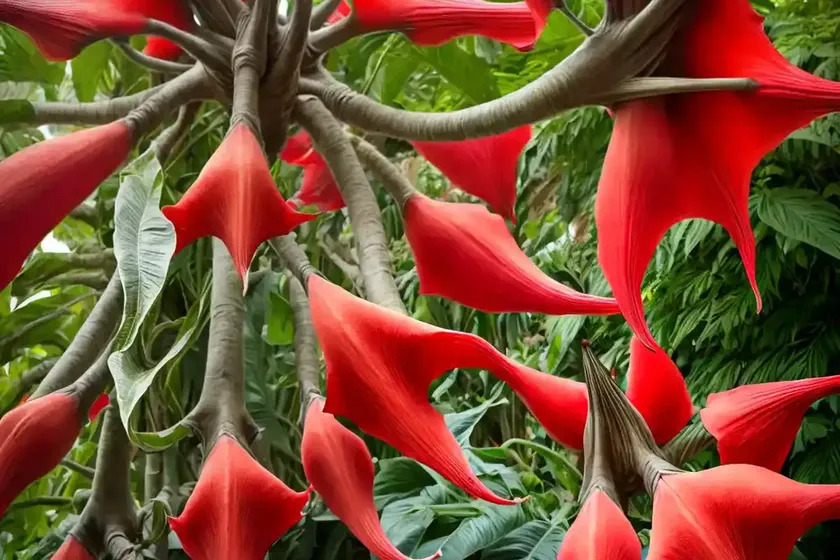
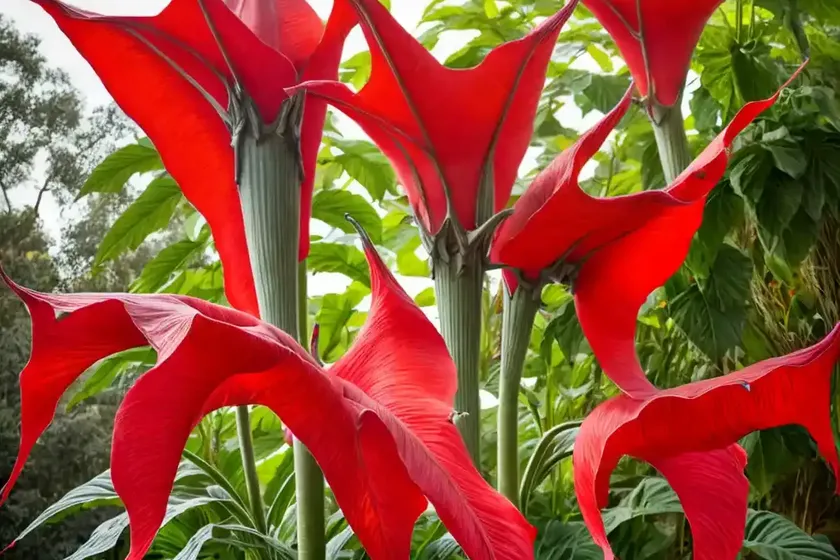
Brugmansia sanguinea, more commonly known as Red Angel’s Trumpet, is a striking and aromatic flowering plant that belongs to the Solanaceae family. This perennial shrub is native to the cloud forests of the western slopes of the Andes in South America, specifically in Peru, Bolivia, Ecuador, and parts of Colombia. The plant is renowned for its pendulous, trumpet-shaped flowers that attract pollinators and human admirers alike. In this comprehensive guide, we will delve into the fascinating world of Brugmansia sanguinea, exploring its cultural significance, uses, care requirements, and much more.
What is Brugmansia sanguinea (Red Angel’s Trumpet)?
Plant Description and Characteristics
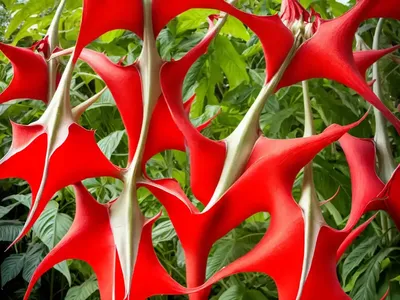
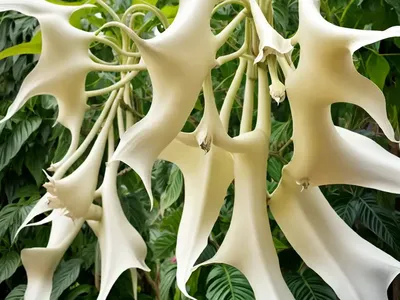
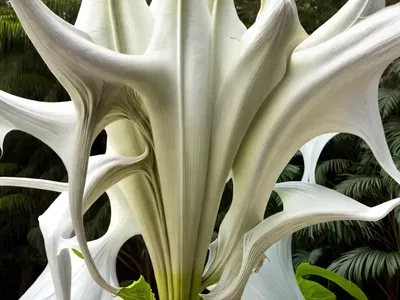
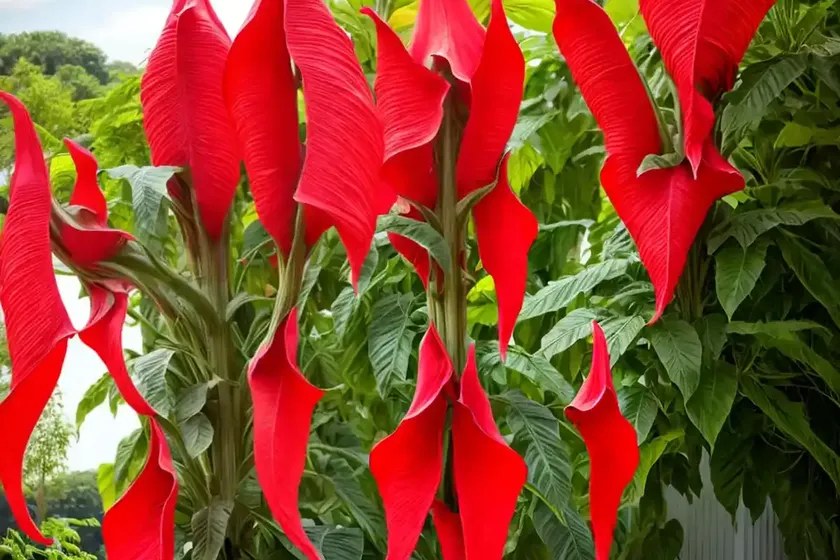
Brugmansia sanguinea is a woody shrub that can grow up to 15 feet in height and 6 feet in width under optimal conditions. Its long, tubular flowers can reach lengths of 6 to 12 inches and hang vertically from the branches, giving the plant an elegant and ethereal appearance. The flowers are typically vivid red or orange-red, adding a vibrant splash of color to any garden or landscape.
The plant’s leaves are alternate, oval-shaped, and can grow to be quite large, reaching lengths of 6 to 10 inches. The foliage is deep green and possesses a smooth texture. When crushed, the leaves emit a pungent, somewhat unpleasant odor, which is a characteristic of many plants in the Solanaceae family.
Brugmansia sanguinea is known for its rapid growth and can bloom throughout the year under suitable climatic conditions. The plant’s flowers are notably fragrant, especially during the evening and nighttime, attracting nocturnal pollinators such as moths and bats.
Taxonomy and Common Names
Kingdom: Plantae
Order: Solanales
Family: Solanaceae
Genus: Brugmansia
Species: sanguinea
Brugmansia sanguinea is commonly referred to by several evocative and descriptive names, including Red Angel’s Trumpet, Scarlet Angel’s Trumpet, and Red Horn of Plenty, all of which capture the allure of its vivid blossoms and trumpet-like shape.
Key Takeaways – Brugmansia sanguinea (Red Angel’s Trumpet)
Before we delve into the specifics of caring for Brugmansia sanguinea, let’s summarize some of the key takeaways for this enchanting plant:
- Cultural Significance: Brugmansia sanguinea plays a significant role in folklore and traditional beliefs in its native habitat, featuring in ceremonies and rituals.
- Vibrant Blooms: The plant produces stunning, pendulous flowers in vivid shades of red and orange-red, adding a dramatic flair to gardens and landscapes.
- Aromatic Qualities: Brugmansia sanguinea emits a captivating fragrance, especially during the evening and nighttime, attracting pollinators and enchanting human admirers.
- Climatic Requirements: The plant thrives in warm, humid environments and is sensitive to frost and low temperatures.
- Toxic Properties: While revered for its beauty, Brugmansia sanguinea contains toxic compounds and should be handled with care and awareness of its potential dangers.
Now that we have a general understanding of the plant, let’s explore the specific care requirements for cultivating and nurturing Brugmansia sanguinea.
1. Culture
Cultural Significance and Folklore Beliefs
In its native South American regions, Brugmansia sanguinea holds cultural significance and is intertwined with traditional beliefs and ceremonies. The plant has been used in various rituals and traditional medicinal practices, with some indigenous communities considering it to possess spiritual and magical qualities.
Ornamental Value
Beyond its cultural significance, Brugmansia sanguinea has gained international acclaim for its ornamental beauty. It is often grown in gardens, parks, and botanical collections, where the striking flowers and lush foliage make a captivating display. The plant’s impressive size and dramatic blooms contribute to its popularity as an ornamental species.
Landscaping and Garden Uses
Red Angel’s Trumpet is a versatile plant that can be incorporated into various landscaping and garden designs. Its elegant, pendulous flowers lend a sense of drama and allure to outdoor spaces, whether grown as a standalone specimen, used in mixed borders, or featured in tropical-themed landscapes.
2. Uses
Medicinal and Cultural Uses
Note: It is important to exercise caution and seek expert guidance when considering any medicinal use of Brugmansia sanguinea, as the plant contains highly toxic compounds.
In its native habitat, the plant has been traditionally used by indigenous communities for various medicinal purposes, though such uses are associated with significant risks due to its toxicity. Some traditional applications include the use of specific plant parts for skin conditions, pain relief, and spiritual ceremonies.
Horticultural and Ornamental Uses
In horticulture, Brugmansia sanguinea is primarily valued for its striking ornamental qualities. The plant is often cultivated for its captivating flowers and lush foliage, adding a touch of exotic beauty to gardens, parks, and landscapes. It is also employed in botanical collections and as a subject for horticultural study and breeding efforts to develop new cultivars and hybrids.
3. Water
Water Requirements
Brugmansia sanguinea has moderate to high water requirements, especially during periods of active growth and flowering. Adequate moisture is crucial for the plant’s overall health and blooming performance. However, it is essential to find the right balance as the plant is sensitive to waterlogged conditions.
Watering Practices
Key Points:
- Regular Watering: Ensure that the plant’s root zone remains consistently moist, but not waterlogged. Water deeply and thoroughly, allowing excess water to drain away.
- Drought Sensitivity: Red Angel’s Trumpet is sensitive to extended periods of drought, and prolonged water stress can lead to reduced blooming and overall diminished health.
- Seasonal Adjustments: Adjust the frequency of watering based on seasonal changes in temperature and humidity. Increase watering during periods of high heat and decrease during cooler, wetter seasons.
Water Quality
Key Points:
- Avoid Saline Water: Brugmansia sanguinea is sensitive to high levels of salts in the soil and water. Use water with low to moderate salt content to minimize potential damage to the plant.
- Container Considerations: When grown in containers, ensure proper drainage and avoid water accumulation at the bottom, which can lead to salt buildup.
4. Sunlight
Sunlight Needs
Brugmansia sanguinea thrives in bright, filtered sunlight and benefits from partial shade, especially during the hottest part of the day. In its native habitat, the plant is often found in the understory of cloud forests, where it receives dappled sunlight and protection from intense midday sun.
Light Requirements
Key Points:
- Optimal Conditions: Provide the plant with 4 to 6 hours of direct sunlight daily, preferably in the morning or late afternoon. In hotter climates, some afternoon shade can help protect the plant from excessive heat and sunburn.
- Indoor Considerations: When grown indoors, place the plant near south-facing windows or provide supplemental lighting to meet its light requirements.
5. Fertilizer
Fertilization Practices
Brugmansia sanguinea benefits from regular fertilization to support its vigorous growth and blooming. A balanced, water-soluble fertilizer with a formulation such as 10-10-10 or 20-20-20 can provide the necessary nutrients for the plant’s development.
Fertilizer Application
Key Points:
- Frequency: Apply fertilizer every 2 to 4 weeks during the growing season, reducing frequency during the plant’s dormant period or in cooler months when growth slows.
- Dilution and Application: Dilute the fertilizer according to the manufacturer’s instructions and apply it to moist soil to prevent potential root damage.
- Micro-nutrient Supplementation: Consider using a fertilizer that includes micro-nutrients such as iron, manganese, and magnesium to address any potential deficiencies.
6. Soil
Soil Preferences
Brugmansia sanguinea thrives in well-draining, fertile soil that offers good aeration and moisture retention. It is essential to provide the plant with a suitable growing medium that supports its vigorous growth and flowering.
Key Soil Characteristics
Key Points:
- Well-Draining Texture: Use a soil mix that includes components such as perlite, vermiculite, or coarse sand to enhance drainage and prevent waterlogging.
- Organic Matter Enrichment: Incorporate organic compost or well-decomposed materials to improve soil structure, fertility, and microbial activity.
- pH Considerations: Aim for a slightly acidic to neutral pH range (6.0-7.0) to create an optimal growing environment for the plant.
7. Pruning
Pruning Techniques
Pruning plays a crucial role in managing the growth and form of Brugmansia sanguinea. Proper pruning can promote branching, control size, and enhance blooming, contributing to the plant’s overall health and aesthetic appeal.
Key Pruning Practices
Key Points:
- Deadheading Spent Flowers: Regularly remove faded or spent flowers to encourage continuous blooming and prevent seed formation.
- Thinning and Shaping: Thin out crowded or crossing branches to improve air circulation and shape the plant’s overall structure.
- Winter Pruning: Conduct selective pruning in late winter or early spring to rejuvenate the plant and remove any frost-damaged or weak growth.
8. Propagation
Propagation Methods
Propagating Brugmansia sanguinea offers a rewarding opportunity to expand your plant collection and share its beauty with others. The plant can be propagated through various techniques, including cuttings, layering, and seed propagation.
Propagation Considerations
Key Points:
- Cuttings: Propagate the plant using softwood or hardwood stem cuttings, ensuring that the cuttings contain at least one leaf node and removing any excess foliage to reduce moisture loss.
- Layering: Utilize air layering to encourage the development of roots on a healthy, mature branch, promoting successful propagation.
- Seed Propagation: Collect and sow fresh seeds in well-draining, sterile soil, maintaining optimal moisture and warmth for germination.
9. Container Popularity
Container Gardening
Brugmansia sanguinea is well-suited for container gardening, making it an excellent choice for individuals with limited outdoor space or those seeking to showcase the plant on patios, balconies, or in indoor settings.
Container Considerations
Key Points:
- Size and Drainage: Select a spacious container with adequate drainage holes to accommodate the plant’s root system and prevent waterlogging.
- Potting Mix: Use a well-draining, fertile potting mix that supports healthy root development and overall plant vitality.
- Outdoor Placement: Position the container in a location that provides the right balance of sunlight, shade, and protection from strong winds.
10. Common Diseases
Disease Susceptibility
Brugmansia sanguinea may be vulnerable to certain fungal, bacterial, and viral diseases, especially when grown in suboptimal conditions or exposed to environmental stressors. Being aware of common diseases and their symptoms is crucial for timely identification and management.
Common Diseases
Key Points:
- Powdery Mildew: A fungal disease characterized by powdery white patches on the foliage, often caused by high humidity and poor air circulation.
- Botrytis Blight: Another fungal disease resulting in brown spots and moldy growth, commonly triggered by excessive moisture and overcrowded plantings.
11. Disease Diagnosis
Symptom Identification
Key Points:
- Foliage Changes: Look for abnormalities such as discoloration, wilting, browning, or yellowing of the leaves.
- Flower and Bud Damage: Monitor for signs of rot, mold, or distortion on the blossoms and buds.
- Stem and Branch Issues: Check for lesions, cankers, or abnormal growths affecting the plant’s woody structure.
Timely Response
Key Points:
- Isolation: If a disease is suspected, isolate the affected plant to prevent the spread of the pathogen to other specimens.
- Cultural Adjustments: Modify watering practices, improve air circulation, and adjust environmental conditions to create an inhospitable environment for disease development.
12. Common Pests
Pest Challenges
Brugmansia sanguinea may be susceptible to infestations by various pests, including aphids, whiteflies, spider mites, and caterpillars. Monitoring the plant regularly and implementing appropriate control measures are essential for pest management.
Pest Identification
Key Points:
- Leaf Damage: Look for signs of stippling, discoloration, or distortion on the foliage, which may indicate the presence of spider mites or aphids.
- Sooty Mold: Detect the development of black, sooty mold on the leaves and stems, often associated with honeydew excreted by aphids and other sap-feeding pests.
- Caterpillar Presence: Monitor for caterpillars or their feeding damage on the leaves, buds, and flowers of the plant.
13. Botanist’s Tips
Expert Recommendations
Key Points:
- Adequate Support: Provide the plant with structural support, especially when it is laden with flowers, to prevent branch breakage.
- Regular Monitoring: Monitor the plant for pest infestations and disease symptoms, intervening promptly to address any issues before they escalate.
- Winter Protection: In colder climates, consider overwintering the plant indoors or providing adequate frost protection to safeguard it from low temperatures.
14. Brugmansia sanguinea: Fun Facts
Intriguing Tidbits
- Pollen Specialization: The flowers of Brugmansia sanguinea are adapted for pollination by long-tongued pollinators, with their nectar accessed through narrow slits at the base of the flowers.
- Nocturnal Beauty: The plant’s flowers open in the evening and remain fragrant until the early morning, attracting a variety of nocturnal pollinators.
- Hybrid Diversity: Red Angel’s Trumpet has served as a parent plant in the development of numerous hybrid Brugmansia cultivars, expanding the diversity of flower colors and forms in the genus.
Links to External Resources
For further exploration of Brugmansia sanguinea and related topics, consider consulting the following resources:
- American Brugmansia and Datura Society (ABADS): ABADS
- Royal Horticultural Society (RHS): RHS
- University of Florida IFAS Extension: UF IFAS
- The Plant List: The Plant List
- Missouri Botanical Garden: MBG
In this guide, we’ve explored the captivating world of Brugmansia sanguinea, known for its vivid blossoms, rich cultural history, and specific care requirements. With its stunning flowers, alluring fragrance, and potential medicinal significance, Red Angel’s Trumpet stands as a remarkable plant that continues to capture the imagination of enthusiasts and horticulturists alike.
Whether you are drawn to its ornamental beauty, intrigued by its cultural significance, or eager to cultivate its lush foliage, the care and attention you provide to Brugmansia sanguinea will undoubtedly be rewarded with a breathtaking display of nature’s splendor.
Remember to approach the cultivation and handling of Brugmansia sanguinea with knowledge and caution, particularly regarding its toxic properties, to ensure a safe and enjoyable horticultural experience. With proper care, this captivating plant can thrive and bring joy to any garden, indoor space, or botanical collection.
Bringing the allure of the Red Angel’s Trumpet into your horticultural endeavors can be a rewarding journey, unfolding tales of beauty, history, and the intrinsic connections between plants and people.
Now, as you embark on your own exploration of Brugmansia sanguinea, may the vibrant blooms and intoxicating fragrance of Red Angel’s Trumpet enrich your botanical pursuits and inspire a deeper appreciation for the wonders of the natural world.