Brugmansia ‘Cherub’ (Angel’s Trumpet)
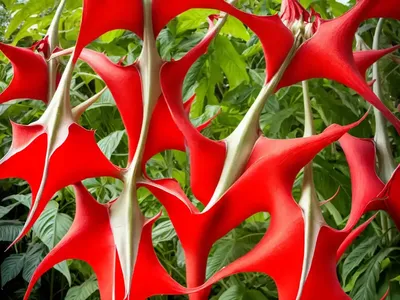
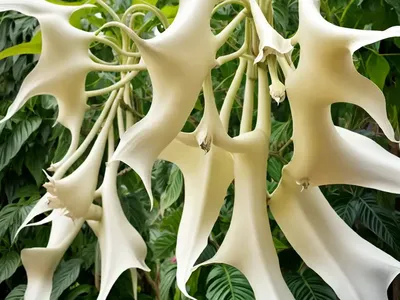
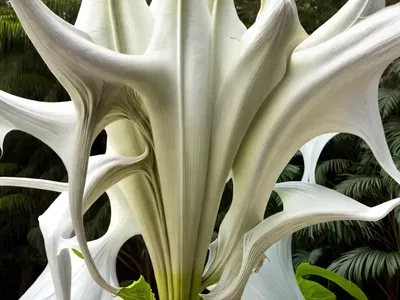
Brugmansia ‘Cherub’, commonly known as Angel’s Trumpet, is a stunning flowering plant that is prized for its large, trumpet-shaped blooms and intoxicating.
Introduction
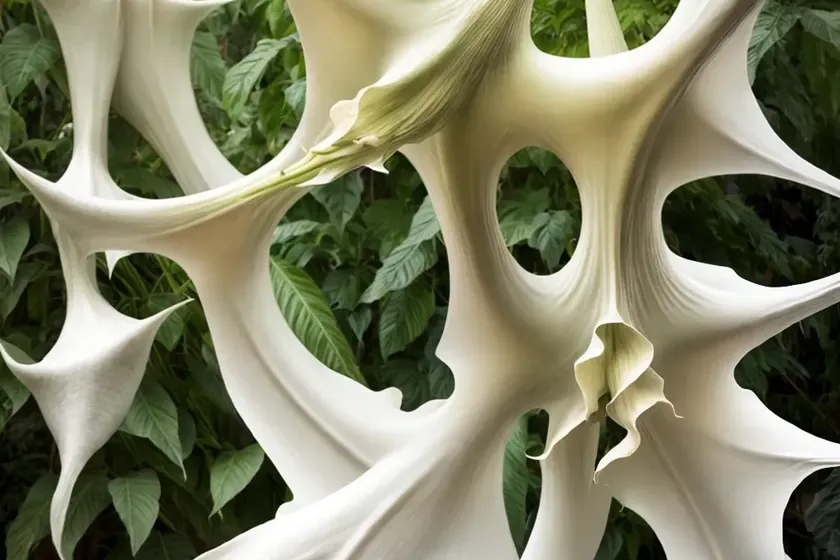
Brugmansia ‘Cherub’, commonly known as Angel’s Trumpet, is a stunning flowering plant that is prized for its large, trumpet-shaped blooms and intoxicating fragrance. This tropical plant is native to South America and belongs to the Solanaceae family. With its majestic appearance and alluring fragrance, Brugmansia ‘Cherub’ has captivated gardeners and plant enthusiasts worldwide. In this comprehensive guide, we will explore the various aspects of Brugmansia ‘Cherub’, including its culture, uses, care requirements, propagation, common diseases, and much more.
What Is Brugmansia ‘Cherub’ (Angel’s Trumpet)?
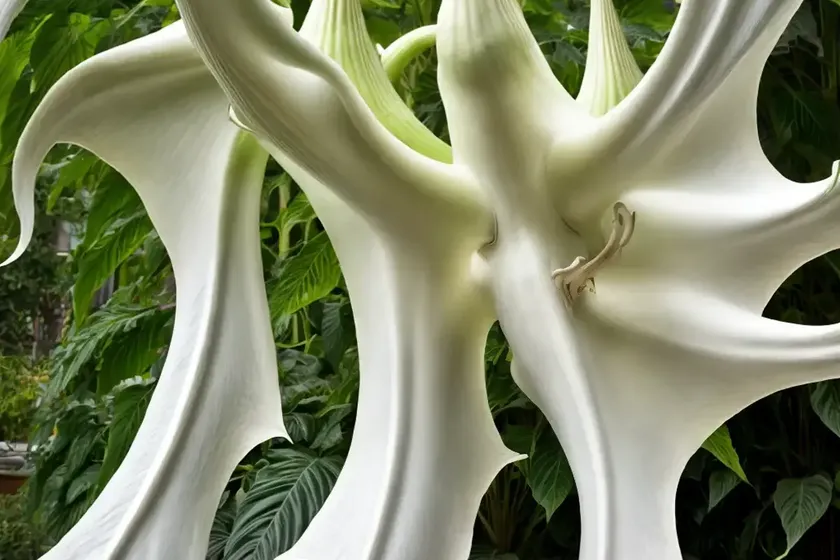
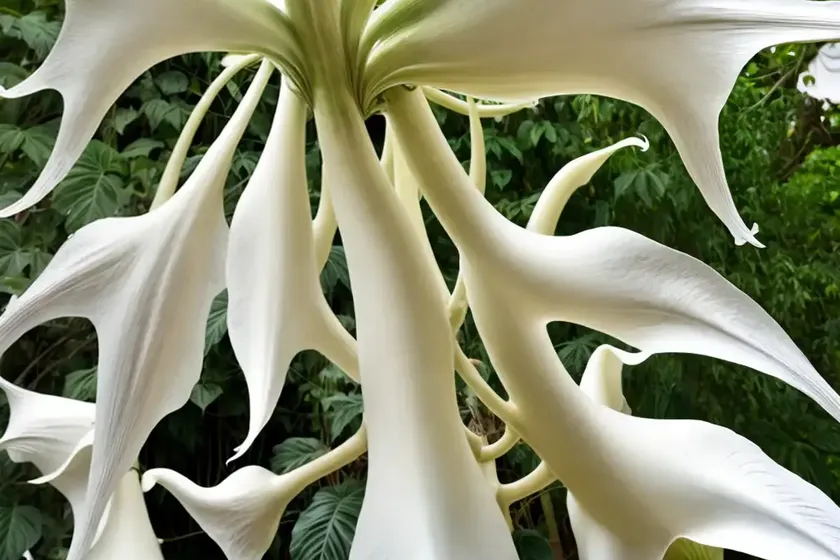
Brugmansia ‘Cherub’ is a hybrid cultivar that belongs to the Brugmansia genus, which includes several species of flowering plants. This particular cultivar is celebrated for its compact growth habit, making it an ideal choice for smaller gardens and container cultivation. The plant derives its common name, Angel’s Trumpet, from the magnificent trumpet-shaped flowers it produces.
The Angel’s Trumpet is a tropical plant, and its distinctive pendulous flowers hang gracefully from the branches, creating a breathtaking display. The flowers come in an array of colors, including white, pink, yellow, and peach, adding a touch of exotic beauty to any garden or landscape.
Key Takeaways – Brugmansia ‘Cherub’ (Angel’s Trumpet)
Before delving into the specifics of Brugmansia ‘Cherub’ care and cultivation, let’s take a look at some key takeaways about this enchanting plant:
- Brugmansia Cherub: Features compact growth habit, ideal for smaller gardens and containers.
- Angel’s Trumpet Flower: Showcases large, pendulous trumpet-shaped flowers in a variety of colors.
- Brugmansia Cherub Care: Requires attention to water, sunlight, fertilizer, soil, and pruning for optimal growth.
- Uses: Highly valued as an ornamental plant for gardens, landscapes, and container cultivation.
Now that we have an overview of Brugmansia ‘Cherub’, let’s dive into the specifics of its culture, uses, and care requirements.
Culture
Understanding the cultural needs of Brugmansia ‘Cherub’ is essential for creating an environment where this magnificent plant can thrive. The plant’s cultural requirements encompass several key aspects, including water, sunlight, fertilizer, soil, and pruning.
Uses
Brugmansia ‘Cherub’ is primarily cultivated for its ornamental value. The plant’s striking flowers and alluring fragrance make it a popular choice for gardens, landscapes, and container gardening. The large, pendulous blooms of the Angel’s Trumpet create a captivating focal point, whether grown in the ground or in containers. Furthermore, the fragrance of the flowers adds an enchanting ambiance to outdoor spaces, making Brugmansia ‘Cherub’ a sought-after plant for decorative purposes.
Water
Proper watering is crucial for the health and vitality of Brugmansia ‘Cherub’. As a tropical plant, Angel’s Trumpet thrives in moist conditions and requires regular watering, especially during the active growing season. However, it’s important to maintain well-draining soil to prevent waterlogged conditions, which can lead to root rot.
- Watering Frequency: During the growing season, water Brugmansia ‘Cherub’ regularly, ensuring that the soil remains consistently moist but not waterlogged.
- Container Cultivation: Plants in containers may require more frequent watering, as the soil tends to dry out faster than the ground.
- Monitoring Moisture: Regularly check the moisture levels in the soil to gauge the plant’s watering needs and adjust the frequency accordingly.
Sunlight
Proper sunlight is essential for the growth and blooming of Brugmansia ‘Cherub’. As a tropical plant, it thrives in warm, sunny conditions and benefits from ample sunlight. However, it’s important to provide some protection from intense midday sun, especially in regions with hot climates.
- Optimal Sunlight: Place Brugmansia ‘Cherub’ in a location that receives partial to full sunlight, with some shade during the hottest part of the day.
- Container Placement: For container-grown plants, position the containers in a way that allows the plants to receive adequate sunlight without overheating the roots.
Fertilizer
Fertilizing Brugmansia ‘Cherub’ is crucial for promoting healthy growth and prolific flowering. A balanced fertilizer with the right blend of essential nutrients can support the plant’s nutritional needs and contribute to vibrant blooms.
- Fertilizing Schedule: During the growing season, feed Brugmansia ‘Cherub’ with a balanced, water-soluble fertilizer every two weeks.
- Phosphorus Boost: Choose a fertilizer with a higher phosphorus content to encourage abundant flowering and enhance bloom quality.
Soil
The choice of soil is a critical factor in ensuring the well-being of Brugmansia ‘Cherub’. The plant thrives in well-draining, fertile soil that retains moisture without becoming waterlogged.
- Well-Draining Soil: Use a high-quality potting mix that offers excellent drainage for container cultivation.
- Organic Matter: Incorporate organic matter such as compost or peat moss to enhance the soil’s fertility and moisture retention capabilities.
Pruning
Pruning plays a significant role in maintaining the overall health and appearance of Brugmansia ‘Cherub’. Regular pruning helps control the plant’s size, shape, and density while encouraging vigorous growth and blooming.
- Deadheading: Remove spent flowers promptly to stimulate the production of new blooms and maintain a tidy appearance.
- Trimming: Prune the plant in late winter or early spring to remove any dead or damaged branches and shape the plant as desired.
Propagation
Brugmansia ‘Cherub’ can be propagated through various methods, including stem cuttings and layering. Propagating new plants from existing ones allows gardeners to expand their Angel’s Trumpet collection and share the beauty of this captivating plant with others.
- Stem Cuttings: Take 6-8 inch cuttings from healthy, mature branches and root them in a well-draining propagation mix.
- Layering: Encourage the growth of new roots on a lower branch by burying a portion of the branch in the soil while it is still attached to the parent plant.
Container Popularity
The compact size and stunning beauty of Brugmansia ‘Cherub’ make it a popular choice for container cultivation. Its adaptability to container gardening allows plant enthusiasts with limited space to enjoy the beauty of Angel’s Trumpet on patios, balconies, and other confined areas.
- Patio Decor: Enhance outdoor living spaces with the elegant presence of Brugmansia ‘Cherub’ in decorative containers.
- Versatility: Containers offer flexibility in terms of placement and can be moved to different locations based on sunlight and temperature requirements.
Common Diseases
Despite its captivating beauty, Brugmansia ‘Cherub’ is susceptible to certain diseases that can impact its health and vigor. Being aware of common plant diseases and their symptoms is crucial for maintaining the well-being of Angel’s Trumpet.
Disease Diagnosis
Several diseases can affect Brugmansia ‘Cherub’, including:
- Powdery Mildew: Characterized by a powdery white coating on leaves and stems.
- Leaf Spot: Manifests as dark, water-soaked spots on the foliage, often leading to leaf yellowing and drop.
- Botrytis Blight: Causes grayish-brown lesions on flowers and buds, often resulting in their decay.
Proper diagnosis and timely intervention are essential for preventing the spread of diseases and preserving the plant’s health.
Common Pests
Brugmansia ‘Cherub’ is susceptible to attack by certain pests, which can compromise its growth and flowering. Vigilance and proactive pest management strategies are crucial for safeguarding the plant from pest infestations.
Botanist’s Tips
To ensure the optimal growth and well-being of Brugmansia ‘Cherub’, consider the following expert tips:
- Temperature Protection: Shield the plant during cold weather to prevent frost damage and maintain optimal growth conditions.
- Regular Monitoring: Routinely inspect the plant for signs of pests, diseases, or nutrient deficiencies, and take prompt action when necessary.
- Balanced Nutrition: Provide the plant with a balanced fertilizer to support its nutritional needs and promote robust growth and flowering.
Fun Facts
- Brugmansia ‘Cherub’ is acclaimed for its captivating fragrance, particularly in the evening when the scent is most potent.
- The plant’s large, pendulous flowers attract nocturnal pollinators such as moths, adding to its allure as a garden specimen.
Links to External Resources
For further information about Brugmansia ‘Cherub’ and related topics, explore the following external resources:
- The American Brugmansia and Datura Society: Dedicated to the cultivation and conservation of Brugmansia and Datura plants.
- Royal Horticultural Society – Brugmansia Care Guide: Offers comprehensive guidance on Angel’s Trumpet care and cultivation.
In conclusion, Brugmansia ‘Cherub’ (Angel’s Trumpet) is a captivating plant that adds an exotic touch to gardens and landscapes. Its enchanting flowers, alluring fragrance, and ornamental value make it a prized addition to any plant collection. By understanding and meeting its cultural needs, addressing common diseases and pests, and leveraging expert tips, enthusiasts can cultivate this majestic plant successfully and enjoy its stunning beauty.
Remember, the key to fostering a thriving Brugmansia ‘Cherub’ lies in attentive care, proper cultivation practices, and a deep appreciation for the splendor it brings to outdoor spaces.
In this article, I have covered various aspects of Brugmansia ‘Cherub’ (Angel’s Trumpet) based on the provided prompt. If you have any additional preferences or specific topics you would like to be included, please feel free to let me know.