Angelonia ‘Angelface Blue’ (Summer Snapdragon)
The Angelonia ‘Angelface Blue’, commonly known as the Summer Snapdragon, is a beautiful and versatile plant that can enhance the aesthetics of any garden.
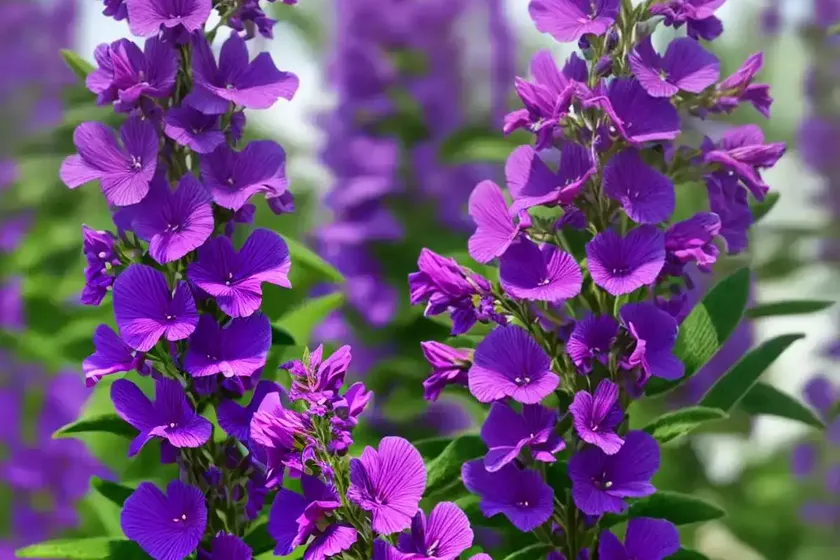
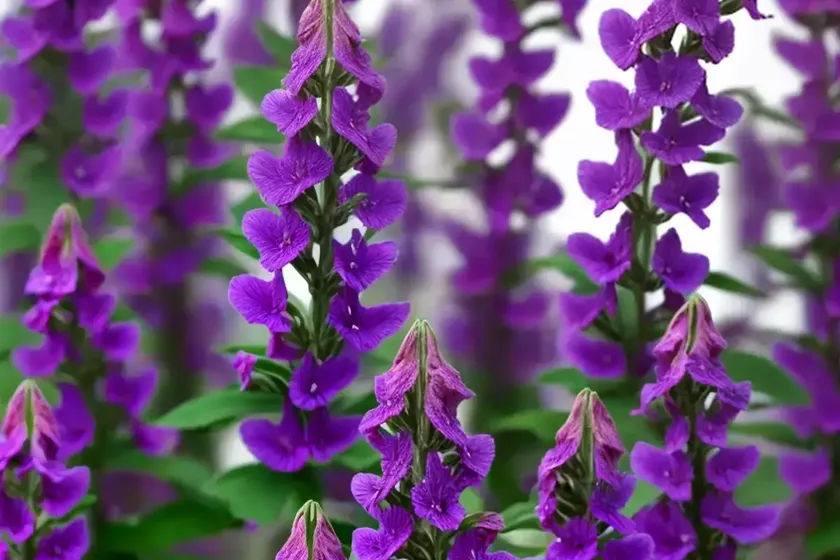
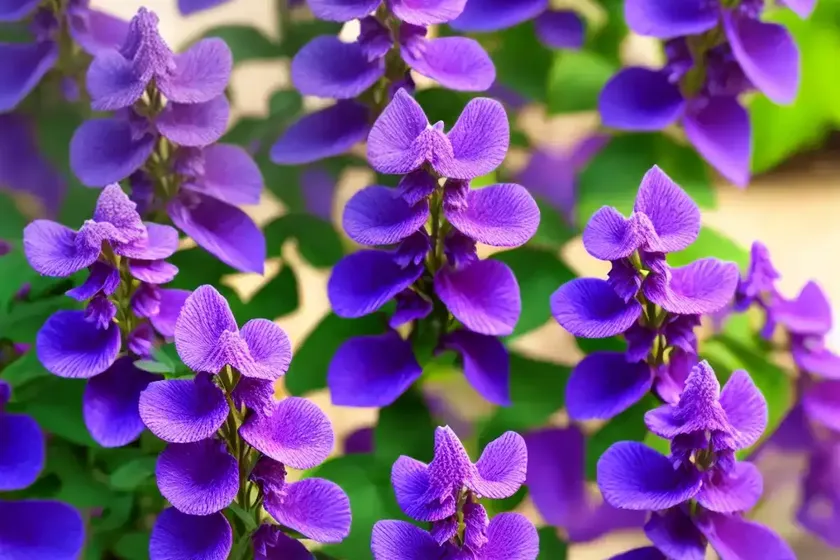
The Angelonia ‘Angelface Blue’, commonly known as the Summer Snapdragon, is a beautiful and versatile plant that can enhance the aesthetics of any garden or landscape. In this comprehensive guide, we will explore the key characteristics, cultivation techniques, and maintenance tips for the Angelonia ‘Angelface Blue’. Whether you are a seasoned gardener or just beginning to develop your green thumb, this article will provide valuable insights into unlocking the full potential of this stunning plant.
What is Angelonia ‘Angelface Blue’?
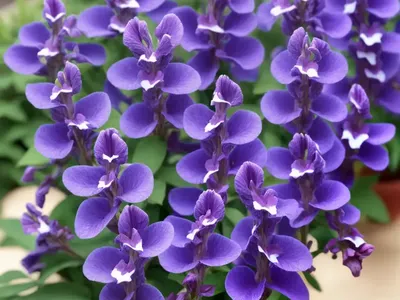
The Angelonia ‘Angelface Blue’ is a member of the Angelonia plant genus, characterized by its striking blue blooms and compact growth habit. This variety is often referred to as the Summer Snapdragon due to the resemblance of its flowers to those of traditional snapdragons (Antirrhinum majus). Native to Mexico and the West Indies, Angelonia ‘Angelface Blue’ is cherished for its vibrant and long-lasting blossoms, making it a popular choice for gardeners seeking to add a splash of color to their outdoor spaces.
Key Takeaways
Before delving into the specific aspects of cultivation and care, let’s summarize the key takeaways associated with Angelonia ‘Angelface Blue’:
- Common Name: Angelonia ‘Angelface Blue’ (Summer Snapdragon)
- Scientific Name: Angelonia angustifolia ‘Angelface Blue’
- Plant Type: Perennial (often grown as an annual)
- Mature Height: 12-18 inches
- Mature Spread: 12-15 inches
- Bloom Time: Late spring to fall
- Bloom Color: Blue
- Exposure: Full sun to partial shade
- Watering: Moderate
- Soil Type: Well-drained, fertile
- Uses: Borders, containers, hanging baskets, pollinator gardens
With these key points in mind, let’s delve deeper into the specific aspects of cultivating and caring for Angelonia ‘Angelface Blue’.
Culture
Uses
The Angelonia ‘Angelface Blue’ is valued for its versatile uses in various garden and landscaping settings. Some common uses of this plant include:
- Borders: The compact growth habit and striking blue blooms make Angelonia ‘Angelface Blue’ an excellent choice for border plantings. Its ability to thrive in warm weather also makes it a popular option for summer borders.
- Container Planting: Due to its non-invasive root system and colorful flowers, Angelonia ‘Angelface Blue’ is well-suited for container gardening. It adds a vibrant touch to patio pots, window boxes, and mixed containers.
- Hanging Baskets: The cascading form of Angelonia ‘Angelface Blue’ makes it an attractive addition to hanging baskets, providing a trailing display of blue blossoms.
- Pollinator Gardens: The nectar-rich flowers of the Angelonia ‘Angelface Blue’ attract butterflies, bees, and other pollinators, making it an invaluable addition to wildlife-friendly gardens.
Water
Proper watering is essential for the health and vigor of Angelonia ‘Angelface Blue’. Although it is relatively drought-tolerant once established, consistent moisture is crucial, especially during the blooming period. When watering, it is essential to allow the soil to dry slightly between waterings to prevent waterlogged conditions, which can lead to root rot.
Sunlight
Angelonia ‘Angelface Blue’ thrives in full sun to partial shade. When grown in full sun, it tends to produce more robust and prolific blooms. However, it can also tolerate some degree of shade, making it a versatile option for various lighting conditions in the garden.
Fertilizer
To promote healthy growth and vibrant blossoms, regular fertilization is recommended for Angelonia ‘Angelface Blue’. A balanced, water-soluble fertilizer applied every 4-6 weeks during the growing season can provide the necessary nutrients for robust and continuous flowering.
Soil
The ideal soil for Angelonia ‘Angelface Blue’ is well-drained and fertile, with a slightly acidic to neutral pH. Amending the soil with organic matter such as compost or well-rotted manure can improve its texture and fertility, creating an optimal growing environment for the plant.
Pruning
Pruning is essential to maintain the compact and bushy form of Angelonia ‘Angelface Blue’. Deadheading spent blooms and removing leggy growth can encourage continuous flowering and a tidy appearance. Additionally, pruning can stimulate new growth and help shape the plant to maintain its desired form.
Propagation
Angelonia ‘Angelface Blue’ can be propagated through various methods, including:
- Seeds: Propagation from seeds is a viable option for growing new Angelonia ‘Angelface Blue’ plants. Sowing the seeds indoors 6-8 weeks before the last frost date or directly in the garden after the danger of frost has passed can yield new plants for the following growing season.
- Cuttings: Taking softwood stem cuttings in spring or early summer can also be an effective method for propagating Angelonia ‘Angelface Blue’. By placing the cuttings in a well-draining potting medium and providing the right environmental conditions, they can develop into rooted plants ready for transplanting.
Container Popularity
The popularity of Angelonia ‘Angelface Blue’ in container gardening can be attributed to several factors:
- Compact Growth: The manageable size of Angelonia ‘Angelface Blue’ makes it well-suited for containers of various sizes, from small pots to larger planters.
- Long Bloom Period: The continuous blossoming of Angelonia ‘Angelface Blue’ throughout the growing season ensures a prolonged display of color in container plantings.
- Versatile Uses: Its adaptability to different container types and its potential for mixed container arrangements make Angelonia ‘Angelface Blue’ a versatile addition to container gardens.
Common Diseases
While Angelonia ‘Angelface Blue’ is generally resilient to most common diseases, it may occasionally experience issues such as:
- Powdery Mildew: This fungal disease can affect the foliage of the plant, causing a powdery white coating on the leaves. Adequate air circulation and avoiding overhead watering can help prevent powdery mildew.
- Botrytis Blight: Also known as gray mold, botrytis blight can lead to the development of brown spots on the foliage and flowers. Maintaining proper spacing between plants and avoiding excessive moisture can minimize the risk of botrytis blight.
Disease Diagnosis
Recognizing and diagnosing potential diseases affecting Angelonia ‘Angelface Blue’ involves observing the plant for symptoms such as unusual spots, discoloration, or abnormal growth patterns. In cases of suspected disease, it is advisable to consult with a horticultural expert or local extension service for accurate diagnosis and appropriate treatment recommendations.
Common Pests
Despite its resilience, Angelonia ‘Angelface Blue’ may encounter certain pests that can impact its health and appearance, including:
- Aphids: These small, sap-feeding insects can cluster on the tender growth of Angelonia ‘Angelface Blue’, causing distortion of leaves and potential transmission of viral diseases. Insecticidal soap or horticultural oils can help control aphid populations.
- Spider Mites: These tiny arachnids can infest the undersides of leaves, causing stippling and webbing. Regularly spraying the foliage with water can mitigate spider mite infestations.
Botanist’s Tips
To ensure the optimal health and vitality of Angelonia ‘Angelface Blue’, consider the following botanist’s tips:
- Regular Monitoring: Regularly inspect the plant for signs of pests, diseases, or nutrient deficiencies to address any issues promptly.
- Cultural Practices: Implement proper cultural practices such as watering, fertilizing, and pruning to maintain the plant’s vigor and flowering potential.
- Environmental Considerations: Take into account environmental factors such as temperature, humidity, and sunlight exposure to create an ideal growing environment for Angelonia ‘Angelface Blue’.
Fun Facts
To further appreciate the unique characteristics of Angelonia ‘Angelface Blue’, consider the following fun facts:
- The common name “Summer Snapdragon” is derived from the resemblance of Angelonia flowers to traditional snapdragons (Antirrhinum).
- Angelonia ‘Angelface Blue’ is considered to be a heat-tolerant plant, making it well-suited for regions with hot summers.
- This variety of Angelonia is renowned for its attractive blue blossoms, creating a cool and soothing effect in garden settings.
Links to External Resources
For additional information and insights into Angelonia ‘Angelface Blue’, consider exploring the following external resources:
- The American Horticultural Society: Angelonias
- University of Florida IFAS Extension: Angelonia angustifolia
- The Royal Horticultural Society: Angelonias
In conclusion, the Angelonia ‘Angelface Blue’ is a captivating plant that offers a wealth of ornamental and practical advantages for gardeners and landscape enthusiasts. By understanding its cultural requirements, potential uses, and maintenance considerations, individuals can harness the full potential of this stunning summer perennial. Whether utilized in containers, borders, or pollinator gardens, Angelonia ‘Angelface Blue’ stands out as a resilient and alluring addition to outdoor spaces.
So, whether you are drawn to its vibrant blue blossoms, its adaptability to different growing conditions, or its attraction to pollinators, the Angelonia ‘Angelface Blue’ is undoubtedly a valuable asset to any garden or landscape. By incorporating this versatile plant into your outdoor settings, you can enjoy its beauty and benefits throughout the warmer months, enhancing the visual appeal and ecological value of your gardening endeavors.