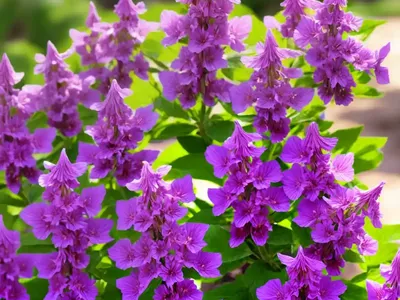
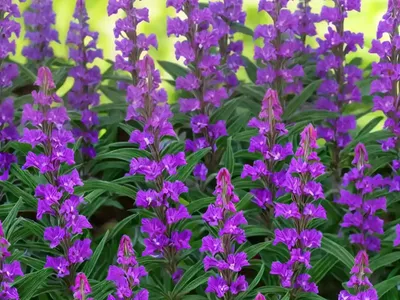
Angelonia (Angelonia)
Introduction Angelonia, also known as summer snapdragon, is a beautiful flowering plant that enchants with its delicate, elongated blooms and vibrant.
Introduction
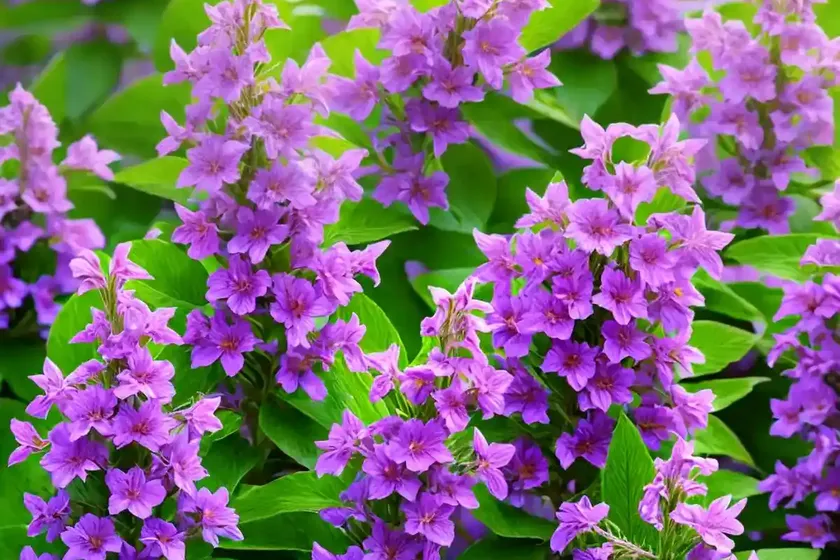
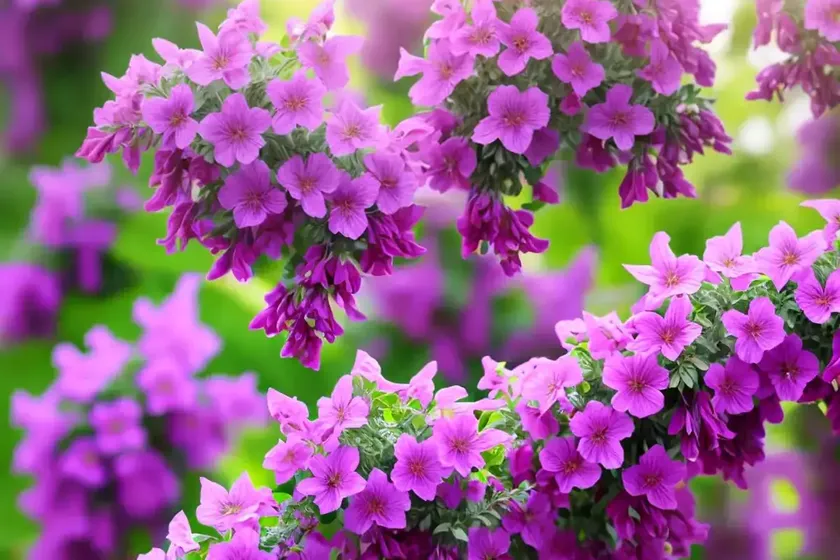
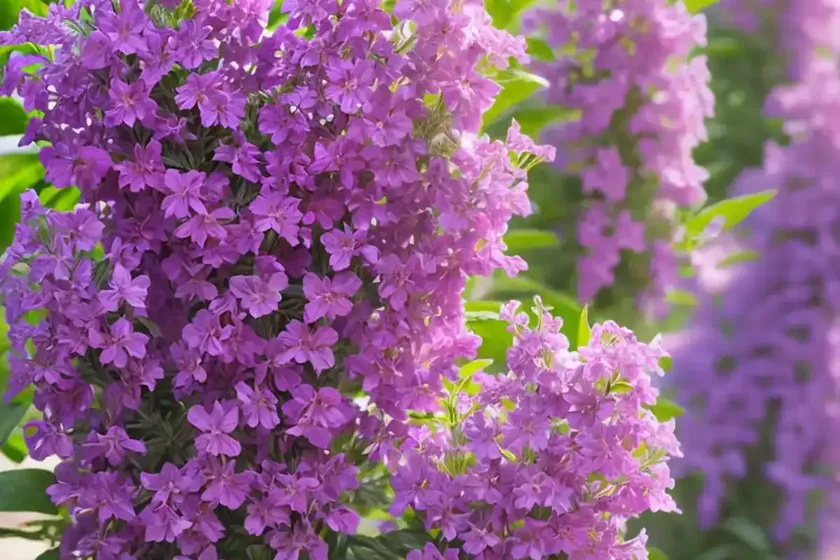
Angelonia, also known as summer snapdragon, is a beautiful flowering plant that enchants with its delicate, elongated blooms and vibrant colors. This perennial plant not only adds visual appeal to gardens and landscapes but also offers a delightful fragrance, making it a sought-after choice for both novice and experienced gardeners.
In this comprehensive guide, we will delve deeply into the care, cultivation, and maintenance of Angelonia. Whether you are a gardening enthusiast looking to enhance your outdoor space or a professional horticulturist expanding your knowledge, this article will provide you with all the information you need to successfully grow and care for Angelonia.
What is Angelonia?
Angelonia, scientifically known as Angelonia angustifolia, is a member of the Plantaginaceae family. This popular plant is native to Mexico and the West Indies and is widely cultivated for its ornamental value. Angelonia’s elegant, upright spikes of flowers bloom throughout the summer, creating a stunning display of color and attracting pollinators like bees and butterflies.
Key Takeaways
Before we explore the specifics of Angelonia care, let’s highlight the key takeaways to keep in mind when cultivating this delightful plant.
- Plant Name: Angelonia (Angelonia)
- Water: Moderate
- Sunlight: Full sun
- Soil: Well-drained, fertile soil
- Fertilizer: Balanced, water-soluble fertilizer
- Pruning: Regular deadheading and trimming
- Propagation: Cuttings or seeds
- Container: Suitable for containers
- Common Diseases: Powdery mildew, leaf spot
- Common Pests: Aphids, spider mites
Now, let’s dive deeper into each aspect of Angelonia care and cultivation.
Culture
Water
Angelonia thrives in moderately moist soil. It’s essential to maintain consistent moisture levels for the plant, especially during the initial growth phase and hot summer months. Overwatering can lead to root rot, while underwatering may cause the plant to wilt and stunt its growth.
Sunlight
For optimal growth and abundant flowering, Angelonia requires full sun. Ensure that the plant receives at least 6-8 hours of direct sunlight daily. In areas with scorching afternoon sun, providing some light afternoon shade can be beneficial.
Fertilizer
To promote healthy growth and prolific blooming, Angelonia benefits from regular feeding with a balanced, water-soluble fertilizer. It’s advisable to apply fertilizer every 4-6 weeks during the growing season, following the manufacturer’s instructions for dilution and application rates.
Soil
Angelonia thrives in well-drained, fertile soil with a slightly acidic to neutral pH. Amending the soil with organic matter can improve its texture and enhance nutrient retention, promoting robust growth and blooming.
Pruning
Pruning is an essential aspect of Angelonia maintenance. Regular deadheading – the removal of spent flowers – encourages continuous blooming and prevents the plant from expending energy on seed production. Additionally, light trimming of the plant can help maintain its compact, bushy growth habit.
Propagation
Angelonia can be propagated from both cuttings and seeds. The plant readily roots from stem cuttings, making it a straightforward and rewarding propagation method. Additionally, collecting seeds from mature Angelonia plants allows for the expansion of their population and the preservation of unique varieties.
Container Popularity
Angelonia’s compact growth habit and stunning floral displays make it an excellent choice for container gardening. The plant’s versatility allows it to thrive in various container sizes, from small pots to larger planters, adding beauty to balconies, patios, and terraces.
Common Diseases and Pests
Disease Diagnosis
Angelonia is relatively resistant to diseases, but it may occasionally be affected by powdery mildew or leaf spot. Proper cultural practices, including adequate spacing between plants for good air circulation and avoiding overhead watering, can help prevent and manage these issues.
Common Pests
Aphids and spider mites are among the common pests that may occasionally trouble Angelonia. Regular monitoring and prompt intervention, such as spraying with insecticidal soap or horticultural oil, can effectively control pest populations without harming beneficial insects.
Botanist’s Tips
Plant enthusiasts and horticulturists can take their Angelonia cultivation to the next level with these insightful tips:
- Mulching: Applying a layer of organic mulch around the base of Angelonia plants can help retain soil moisture, suppress weed growth, and moderate soil temperatures.
- Companion Planting: Pair Angelonia with companion plants that complement its growth habits and cultural requirements. Marigolds, salvia, and dusty miller are excellent choices for creating visually appealing combinations.
Fun Facts
Here are some captivating facts about Angelonia that highlight its unique characteristics and appeal:
- Angelonia flowers exude a delightful, sweet fragrance, attracting pollinators and adding an enchanting aroma to garden spaces.
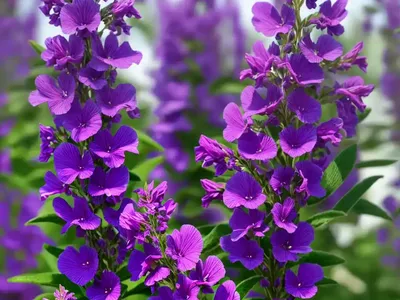
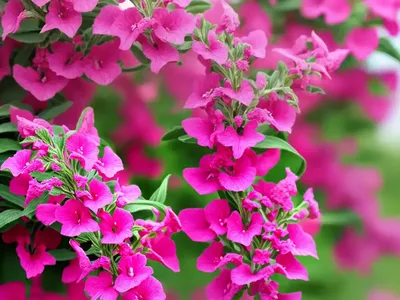
- The plant’s elongated spikes of blooms are available in a spectrum of colors, including purple, pink, white, and blue, providing a wide range of options for colorful garden designs.
Links to External Resources
For further exploration of Angelonia care, cultivation, and plant science, the following external resources offer valuable insights:
- Angelonia Flower Varieties
- Tips for Growing Angelonia
- Angelonia Planting Guide
- Angelonia Pest Control
- Angelonia Landscaping Ideas
As we continue our journey through the diverse aspects of Angelonia, these resources will serve as valuable references and sources of inspiration.
In the next section, we will delve into further aspects of Angelonia care and cultivation, ranging from its specific preferences to its uses in various gardening and landscaping contexts.
Stay tuned for the continuation of this comprehensive guide where we will explore the specific nuances of Angelonia’s water requirements, sunlight needs, soil preferences, and more!