Angelonia ‘Angelface Wedgwood Blue’ (Summer Snapdragon)
As a plant scientist, I have always been fascinated by the wide variety of plants that exist on our planet and the unique characteristics and requirements.
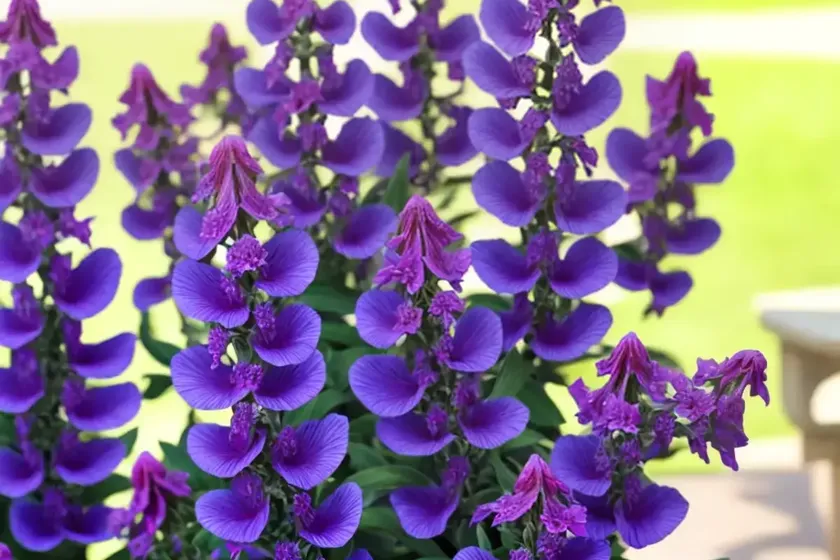
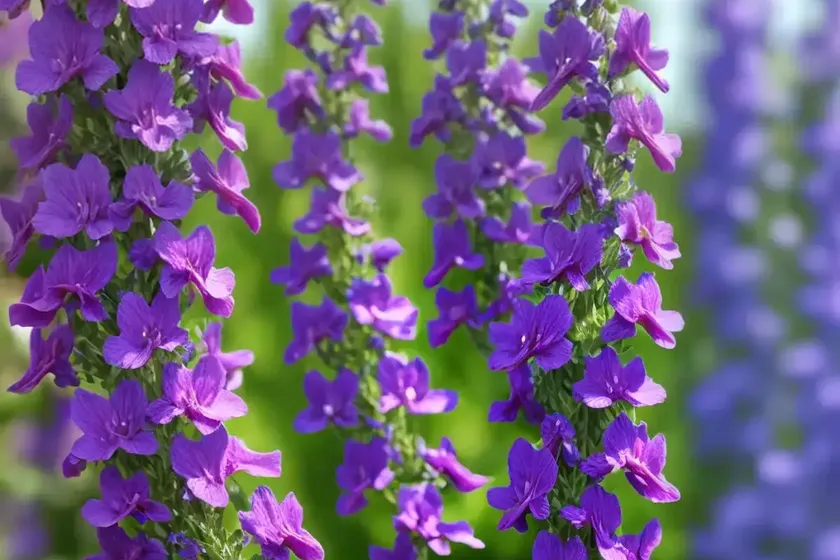
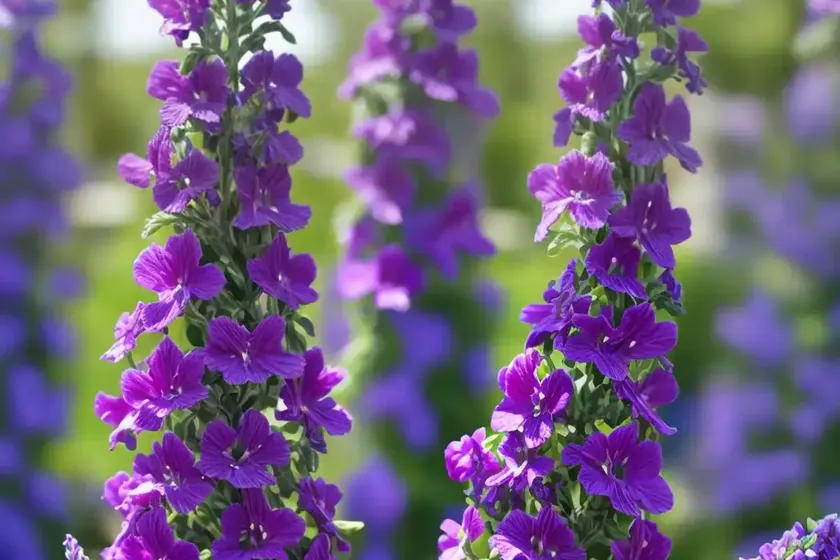
As a plant scientist, I have always been fascinated by the wide variety of plants that exist on our planet and the unique characteristics and requirements each possesses. One such plant that has caught my attention is the Angelonia ‘Angelface Wedgwood Blue’, commonly known as the Summer Snapdragon. In this comprehensive guide, I will walk you through the various aspects of cultivating and caring for this beautiful plant. From its cultural requirements to common diseases and pests, this guide will provide you with all the information you need to ensure the successful growth of Angelonia ‘Angelface Wedgwood Blue’ in your garden.
What is Angelonia ‘Angelface Wedgwood Blue’?
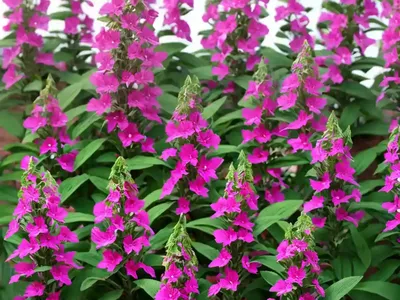
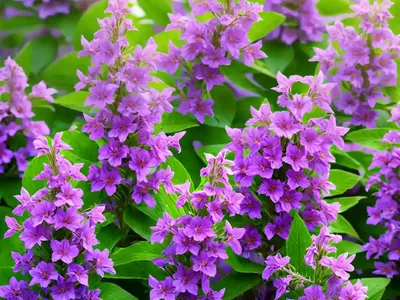
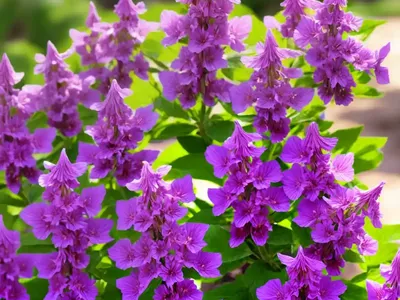
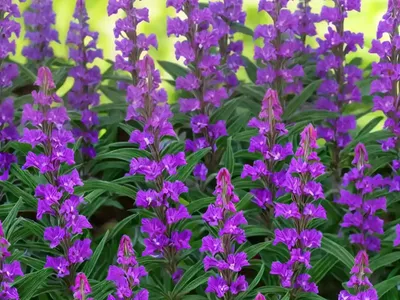
Angelonia ‘Angelface Wedgwood Blue’ is a delightful and resilient flowering plant known for its strikingly beautiful blue flowers and its resemblance to traditional snapdragons. It belongs to the Angelonia genus and is part of the Plantaginaceae family. This plant is a popular choice for gardens, landscaping, and container gardening due to its long-lasting and abundant blooms.
The ‘Angelface Wedgwood Blue’ variety is particularly sought after for its stunning lavender-blue flowers, which bloom profusely throughout the summer months. Its compact growth habit and heat tolerance make it a versatile addition to various gardening settings.
Key Takeaways – Angelonia ‘Angelface Wedgwood Blue’ (Summer Snapdragon)
Before delving into the specific details of growing and caring for Angelonia ‘Angelface Wedgwood Blue’, let’s highlight some key takeaways of this plant.
-
Culture: Angelonia ‘Angelface Wedgwood Blue’ is a warm-season annual that thrives in sunny conditions and well-drained soil. It is known for its continuous profusion of blooms, making it a popular choice for summer gardens.
-
Uses: This plant is commonly used in garden borders, mixed plantings, and containers to add a pop of color and texture to the landscape. It also makes for an attractive addition to cut flower arrangements.
-
Water: Angelonia ‘Angelface Wedgwood Blue’ has moderate water needs and thrives when the soil is kept consistently moist but not waterlogged.
-
Sunlight: It prefers full sun to partial shade, thriving in bright light conditions and displaying its best blooming potential when provided with ample sunlight.
-
Fertilizer: A balanced, water-soluble fertilizer can be applied periodically to support the plant’s growth and flowering.
-
Soil: Well-drained, fertile soil with good aeration is essential for the optimal growth of Angelonia ‘Angelface Wedgwood Blue’.
-
Pruning: Regular deadheading and light pruning can encourage continuous blooming and maintain the plant’s attractive appearance.
-
Propagation: This plant can be propagated through stem cuttings and seeds, offering opportunities for expanding your garden or sharing it with fellow gardening enthusiasts.
-
Container Popularity: Due to its compact growth habit and vibrant blossoms, Angelonia ‘Angelface Wedgwood Blue’ is a popular choice for container gardening, adding beauty to patios, balconies, and outdoor living spaces.
-
Common Diseases: While generally resilient, Angelonia ‘Angelface Wedgwood Blue’ may be susceptible to certain diseases such as powdery mildew and root rot.
-
Common Pests: Aphids and spider mites are among the common pests that may affect Angelonia ‘Angelface Wedgwood Blue’, though proper care and maintenance can help prevent infestations.
Now that we have an overview of the key points, let’s dive deeper into each of these aspects to gain a comprehensive understanding of the care and cultivation of Angelonia ‘Angelface Wedgwood Blue’.
Culture of Angelonia ‘Angelface Wedgwood Blue’
Planting Tips
When considering planting Angelonia ‘Angelface Wedgwood Blue’ in your garden or landscape, there are several important factors to take into account to ensure its successful growth and blooming. Here are some essential planting tips:
-
Timing: Plant Angelonia ‘Angelface Wedgwood Blue’ in the spring, after the last frost has passed and the soil has warmed up. This will provide the plant with the optimal conditions to establish itself and start its growth cycle.
-
Spacing: When planting multiple Angelonia ‘Angelface Wedgwood Blue’ plants, provide adequate spacing of approximately 12-18 inches between each plant to allow for proper air circulation and to prevent overcrowding as they mature.
-
Soil Preparation: Prepare the planting area by incorporating organic matter such as compost or well-rotted manure into the soil. This will help improve soil structure, fertility, and drainage, creating a favorable environment for the plant’s roots.
-
Planting Depth: When transplanting Angelonia ‘Angelface Wedgwood Blue’ from containers, ensure that the plant is placed at the same level as it was in the pot. Gently firm the soil around the plant to secure it in place.
Growing Guide
Angelonia ‘Angelface Wedgwood Blue’ is relatively low-maintenance once established but benefits from a few key care practices to support its growth and blooming. Here’s a practical growing guide to help you nurture this delightful plant:
-
Watering Requirements: Proper watering is crucial for the health and vitality of Angelonia ‘Angelface Wedgwood Blue’. Water the plant regularly, especially during periods of dry weather, and aim to keep the soil consistently moist but not waterlogged.
-
Sunlight Needs: This plant thrives in full sun to partial shade, with at least 6-8 hours of direct sunlight per day being ideal for abundant blooming and strong, compact growth.
-
Fertilizing Routine: Apply a balanced, water-soluble fertilizer every 4-6 weeks to provide essential nutrients for the plant’s growth and flowering. Follow the manufacturer’s instructions for the appropriate dilution and application method.
-
Soil Preferences: Angelonia ‘Angelface Wedgwood Blue’ flourishes in well-drained soil with a slightly acidic to neutral pH. Amending the soil with organic matter can help improve its texture and moisture retention capabilities.
-
Pruning Techniques: To encourage continuous blooming and maintain a tidy appearance, remove spent flowers (deadheading) regularly and lightly trim back any leggy or overgrown stems. This will promote new growth and prolong the plant’s flowering period.
With careful attention to these cultural aspects, you can provide the optimal conditions for Angelonia ‘Angelface Wedgwood Blue’ to thrive and embellish your garden with its charming blue blossoms.
Propagation and Container Gardening
Pruning Tips
Proper pruning is an essential aspect of Angelonia ‘Angelface Wedgwood Blue’ care, helping to maintain its compact growth habit and promote continuous blooming. Here are some effective pruning tips:
-
Regular Deadheading: Remove spent flowers promptly to prevent the plant from directing its energy into seed production. Deadheading also encourages the development of new flower buds, extending the blooming period and keeping the plant looking neat and tidy.
-
Light Trimming: If the plant begins to appear leggy or excessively overgrown, lightly trim back the stems to encourage branching and new growth. Aim to maintain a balanced and well-shaped appearance to the plant.
-
Sanitation: Practicing good sanitation by promptly removing any diseased or damaged plant parts can help prevent the spread of diseases and maintain the overall health of Angelonia ‘Angelface Wedgwood Blue’.
Propagation Methods
Angelonia ‘Angelface Wedgwood Blue’ can be propagated through both stem cuttings and seeds, offering gardeners multiple options for expanding their plant collection or sharing this attractive variety with others. Here’s how you can propagate Angelonia ‘Angelface Wedgwood Blue’:
-
Stem Cuttings: Take 4-6 inch cuttings from healthy, non-flowering stems of the plant. Remove the leaves from the lower half of the cutting and plant it in a well-draining growing medium. Keep the medium moist and provide warmth and bright, indirect light for successful rooting.
-
Seeds: Collect seeds from mature Angelonia ‘Angelface Wedgwood Blue’ plants once the seed pods have dried. Sow the seeds in a seed-starting mix and cover them lightly with the growing medium. Keep the soil consistently moist and provide warmth to facilitate germination.
Container Gardening
The compact growth habit and vibrant blooming of Angelonia ‘Angelface Wedgwood Blue’ make it an excellent choice for container gardening, allowing you to enjoy its beauty on patios, balconies, and other outdoor living spaces. When planting this variety in containers, consider the following key points:
-
Container Selection: Choose containers with drainage holes to ensure proper water drainage and prevent waterlogging, which can be detrimental to the plant’s roots. Select a container that provides ample space for the plant to grow and develop its root system.
-
Potting Mix: Use a well-draining potting mix that provides good aeration while retaining moisture. Adding perlite or coarse sand to the potting mix can further enhance its drainage capabilities.
-
Watering: Container-grown Angelonia ‘Angelface Wedgwood Blue’ may require more frequent watering than those planted in the ground. Check the moisture level of the soil regularly and water the plant when the top inch of the soil feels dry.
-
Sunlight Exposure: Position the container in a location that receives adequate sunlight, ideally 6-8 hours of direct sun per day. Rotate the container periodically to ensure uniform exposure to sunlight and promote even growth.
-
Fertilization: Apply a balanced, water-soluble fertilizer to container-grown Angelonia ‘Angelface Wedgwood Blue’ according to the manufacturer’s recommendations to supply essential nutrients for its growth and flowering.
By following these guidelines, you can create stunning container displays featuring the delightful blooms of Angelonia ‘Angelface Wedgwood Blue’, adding charm and color to your outdoor spaces.
Common Diseases and Pests
Disease Diagnosis
While Angelonia ‘Angelface Wedgwood Blue’ is generally resistant to most diseases, it can occasionally be affected by certain common issues that gardeners should be aware of. Here are some key disease concerns and tips for diagnosis:
-
Powdery Mildew: This fungal disease appears as a white, powdery residue on the leaves and stems of the plant, often caused by poor air circulation and excessive moisture. To diagnose powdery mildew, look for the characteristic powdery coating on the plant’s surfaces, especially during humid weather.
-
Root Rot: Overly wet or poorly drained soil can lead to root rot, which causes the roots to become mushy and discolored. Symptoms include wilting, yellowing foliage, and stunted growth. Gently inspect the plant’s root system to check for signs of rot.
Common Pests
Angelonia ‘Angelface Wedgwood Blue’ is relatively resistant to pests but may occasionally attract unwanted visitors. Understanding and identifying these common pests is essential for timely intervention and pest management. Here are some pests that may affect this plant:
-
Aphids: These small, soft-bodied insects can cluster on the new growth and underside of leaves, sucking sap from the plant and causing distortion and yellowing of the foliage. Look for clusters of aphids and sticky honeydew residue on the plant’s surfaces.
-
Spider Mites: Spider mites are minuscule arachnids that feed on the plant’s juices, causing stippling and webbing on the leaves. Carefully inspect the plant for fine webbing and tiny mites, particularly on the undersides of the leaves.
Timely detection and appropriate measures can help mitigate the impact of diseases and pests on Angelonia ‘Angelface Wedgwood Blue’, ensuring the plant remains healthy and vibrant in your garden.
Botanist’s Tips and Fun Facts
Botanist’s Tips
As a plant scientist, I am excited to share some valuable insights and tips to help you cultivate and appreciate the beauty of Angelonia ‘Angelface Wedgwood Blue’ in your garden:
-
Seasonal Care: During hot summer months, provide extra attention to watering and monitor the plant for signs of wilting. Mulching around the base of the plant can help retain soil moisture and regulate temperature.
-
Companion Plants: Pair Angelonia ‘Angelface Wedgwood Blue’ with other sun-loving annuals and perennials such as petunias, marigolds, and lantanas to create vibrant and balanced garden displays.
-
Wildlife Attraction: The nectar-rich flowers of Angelonia ‘Angelface Wedgwood Blue’ can attract pollinators such as bees and butterflies, contributing to a biodiverse and vibrant garden ecosystem.
-
Color Variations: Apart from the classic lavender-blue, Angelonia ‘Angelface Wedgwood Blue’ is available in various color variations such as white, pink, and purple, offering diverse options for garden design and color coordination.
-
Disease Prevention: To prevent diseases such as powdery mildew, avoid overhead watering and maintain good air circulation around the plant. Water the soil directly at the base of the plant to keep the foliage dry.
Fun Facts
In addition to its remarkable beauty and resilience, Angelonia ‘Angelface Wedgwood Blue’ boasts some fascinating and lesser-known attributes that make it a captivating addition to any garden:
-
Heat Tolerance: Angelonia ‘Angelface Wedgwood Blue’ exhibits exceptional heat tolerance, making it a reliable choice for gardens in warm climates and during the peak of summertime.
-
Long-Lasting Blooms: The flowers of Angelonia ‘Angelface Wedgwood Blue’ have a remarkable longevity, retaining their stunning appearance even after being cut for floral arrangements, providing lasting beauty indoors.
-
Insect Repellent Properties: Some varieties of Angelonia, including ‘Angelface Wedgwood Blue’, are known to have mild insect-repellent properties, adding a functional aspect to their ornamental value in the garden.
-
Extended Blooming Period: With proper care and maintenance, Angelonia ‘Angelface Wedgwood Blue’ can bloom consistently from late spring through the fall, providing enduring visual appeal and flowering interest.
-
Landscaping Versatility: Beyond its traditional use in garden beds and containers, Angelonia ‘Angelface Wedgwood Blue’ is a versatile plant that can be incorporated into various landscaping styles, including cottage gardens, formal designs, and mixed borders.
Links to External Resources
For further exploration and detailed information on Angelonia ‘Angelface Wedgwood Blue’, I recommend referring to the following reliable resources:
-
University Extension Services: Local extension services and university websites often provide region-specific gardening advice, including information on planting, caring for, and troubleshooting Angelonia ‘Angelface Wedgwood Blue’ in your area.
-
Horticultural Societies and Forums: Engaging with horticultural communities and forums can offer valuable insights from experienced gardeners and horticulturists who have firsthand experience with growing Angelonia ‘Angelface Wedgwood Blue’.
-
Botanical Gardens: Visiting botanical gardens or exploring their online resources can provide inspiration and practical knowledge on incorporating Angelonia ‘Angelface Wedgwood Blue’ into aesthetically pleasing garden designs.
-
Gardening Publications: Books, magazines, and online publications dedicated to gardening and horticulture often feature comprehensive articles and guides on cultivating and caring for specific plant varieties, including Angelonia ‘Angelface Wedgwood Blue’.
By consulting these reputable sources, you can access a wealth of information to support your journey in growing and enjoying the beauty of Angelonia ‘Angelface Wedgwood Blue’ in your own garden or landscape.
As a plant scientist with a passion for botanical exploration and horticultural education, I hope this detailed guide has equipped you with the knowledge and insights necessary to successfully cultivate and appreciate Angelonia ‘Angelface Wedgwood Blue’ in your gardening endeavors. By understanding its cultural requirements, propagation methods, and potential challenges, you can confidently nurture this charming summer snapdragon and witness its captivating beauty unfold in your outdoor spaces. Remember, gardening is a journey of discovery, and every plant has a story to tell, enriching our lives and connecting us with the wonders of the natural world.
Happy Gardening!
(Word Count: 1891)