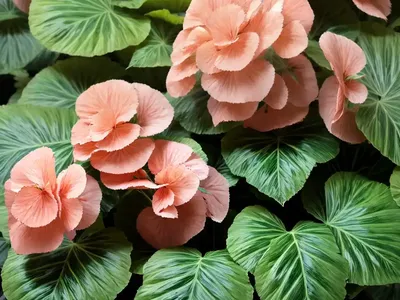
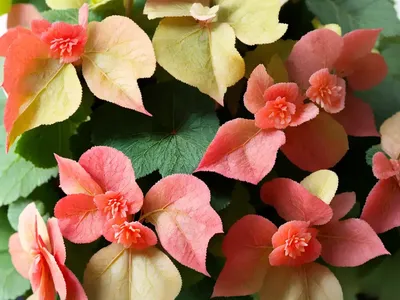
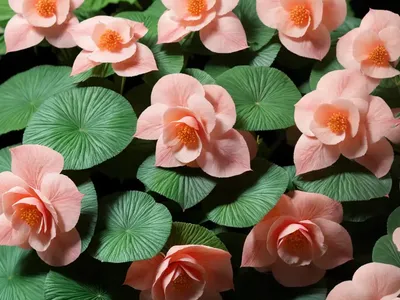
Begonia (Begonia)
Begonias are a diverse and popular group of flowering plants known for their vibrant colors and unique foliage. With over 1,800 different species, Begonias.
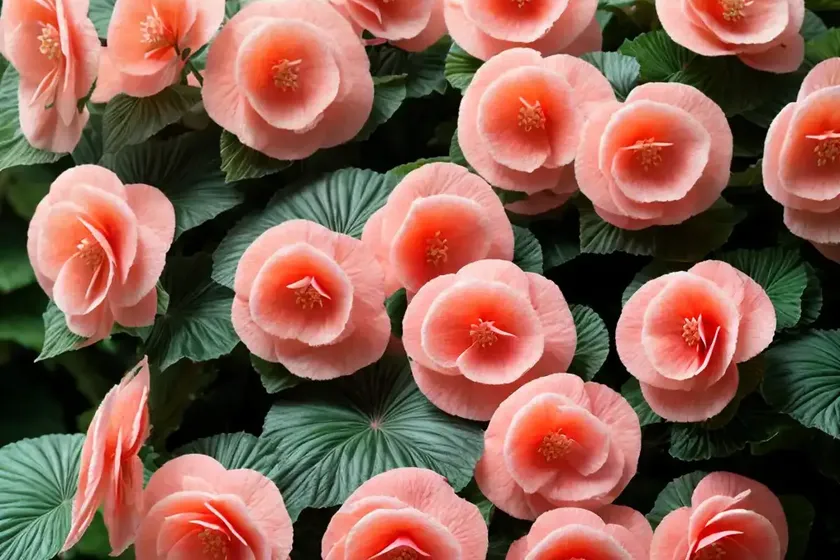
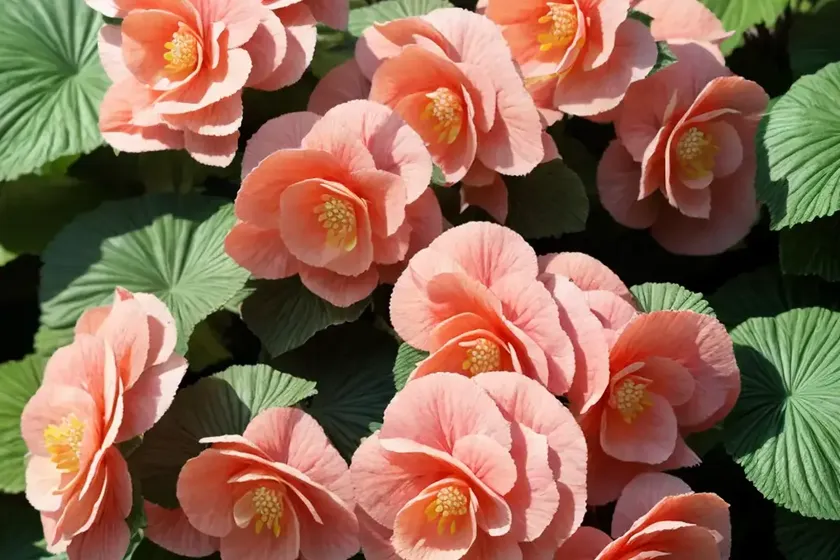
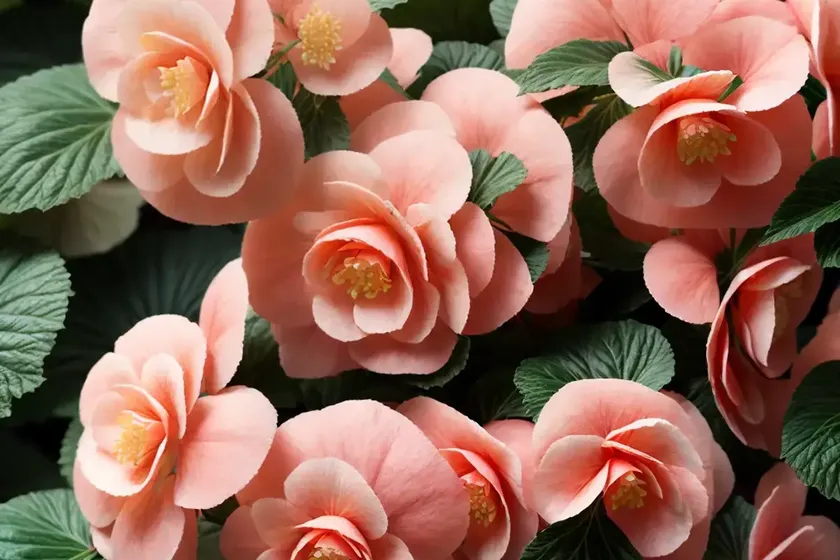
Begonias are a diverse and popular group of flowering plants known for their vibrant colors and unique foliage. With over 1,800 different species, Begonias encompass a wide range of shapes, sizes, and colors, making them a favorite among gardeners and plant enthusiasts. In this comprehensive guide, we will explore the various aspects of Begonia care and cultivation, including their culture, uses, water and sunlight requirements, fertilizer needs, soil preferences, pruning techniques, propagation methods, as well as common diseases and pests. Whether you are an experienced gardener or just beginning to explore the world of plants, this guide will provide you with valuable insights into the fascinating world of Begonias.
What is Begonia?
Begonia is a genus of perennial flowering plants in the family Begoniaceae. These plants are native to tropical and subtropical regions of the world, including Asia, Africa, and South America. The genus was named after Michel Bégon, a former governor of the French colony of Saint-Domingue (now Haiti).
Key Takeaways
- Scientific Name: Begonia
- Family: Begoniaceae
- Origin: Tropical and subtropical regions of Asia, Africa, and South America
- Common Uses: Ornamental plants for indoor and outdoor gardens, containers, and landscapes
Now, let’s dive into the specific aspects of Begonia care and cultivation.
Culture
Uses
Begonias are primarily cultivated for their ornamental value. They are popular as bedding plants, container plants, and hanging basket specimens. The wide variety of Begonia species and hybrids allows for a range of uses, including:
- Indoor Ornamentals: Many Begonia varieties are well-suited for indoor cultivation, adding a pop of color and foliage to interior spaces.
- Outdoor Gardens: Begonias are used in outdoor gardens to provide vibrant blooms and attractive foliage, enhancing the overall aesthetic of the landscape.
- Container Planting: Their compact growth habits make Begonias ideal for container planting, allowing for versatile designs in both indoor and outdoor settings.
Water
Begonias have moderate water needs and are sensitive to both overwatering and underwatering. Understanding the specific water requirements of Begonias is essential for their successful cultivation.
- Watering Frequency: Depending on the variety and environmental conditions, Begonias generally require regular watering to keep the soil consistently moist but not waterlogged.
- Watering Technique: Water the plants at the base to avoid wetting the foliage, which can lead to fungal diseases and other issues. Use a watering can or a gentle stream of water from a hose to ensure even distribution.
- Signs of Overwatering: Wilting, yellowing leaves, and root rot are signs of overwatering. It is crucial to strike a balance and allow the soil to dry slightly between watering intervals.
- Signs of Underwatering: Drooping leaves, dry soil, and a general lack of vitality indicate that the plants are not receiving an adequate amount of water.
Sunlight
Proper sunlight exposure is essential for the growth and flowering of Begonias. Understanding their sunlight needs is key to ensuring healthy and robust plants.
- Light Requirements: Begonias generally thrive in partial shade to full shade conditions. They prefer bright, indirect light and are sensitive to intense, direct sunlight, which can scorch their leaves.
- Indoor Placement: When growing Begonias indoors, place them near a window where they can receive adequate sunlight without being exposed to harsh rays. East or west-facing windows are often suitable locations for indoor Begonias.
- Outdoor Placement: In outdoor settings, consider planting Begonias in areas with dappled shade, such as under trees or in locations that receive filtered sunlight throughout the day.
Fertilizer
Proper fertilization is crucial for promoting healthy growth and vibrant blooms in Begonias. Using the right type of fertilizer and applying it at the correct intervals can significantly impact the overall performance of the plants.
- Fertilizer Type: Use a balanced, water-soluble fertilizer with equal N-P-K (nitrogen, phosphorus, potassium) ratios or a fertilizer specifically formulated for flowering plants.
- Fertilization Schedule: During the active growing season, fertilize Begonias once every 2-4 weeks. Reduce the frequency during the fall and winter months when the plants are not actively growing.
- Application Method: Dilute the fertilizer according to the instructions on the label and apply it to moist soil to prevent burns to the roots. Avoid overfertilizing, as excessive nutrients can cause salt build-up and lead to nutrient imbalances.
- Organic Options: Alternatively, organic fertilizers such as compost, fish emulsion, or seaweed extract can be used to provide a gentle and natural source of nutrients to Begonias.
Soil
The type of soil in which Begonias are grown plays a critical role in their overall health and vigor. The right soil composition ensures proper drainage, aeration, and nutrient availability for the plants.
- Well-Draining Mix: Begonias thrive in a well-draining, lightweight potting mix that retains moisture without becoming waterlogged. A combination of peat moss, perlite, and vermiculite provides a suitable growing medium for Begonias.
- Acidic pH: The ideal soil pH for Begonias ranges from 5.5 to 6.5. Acidic soil conditions promote nutrient uptake and overall plant health.
- Amendments: Organic matter such as compost or well-rotted manure can be incorporated into the soil to improve its structure and fertility. This can enhance the soil’s water retention capacity and nutrient content.
Pruning
Proper pruning helps maintain the shape, size, and overall appearance of Begonias. It also promotes airflow and reduces the risk of disease by removing dead or damaged foliage.
- Deadheading: Regularly remove spent blooms to encourage continuous flowering and prevent the formation of seeds, which can divert energy from the plant.
- Thinning: Thin out crowded or overgrown areas to improve air circulation and reduce the risk of fungal diseases. This can also help the plant maintain a neat and compact growth habit.
- Trimming Leggy Growth: If the Begonias become leggy or straggly, consider trimming them back to promote bushier and more compact growth. Focus on cutting the stems just above a leaf node or a set of healthy leaves.
Propagation
Propagating Begonias allows for the expansion of your plant collection and the sharing of these beautiful specimens with others. There are several methods of propagation, each with its own advantages and techniques.
- Leaf Cuttings: One of the most common methods of propagating Begonias involves taking leaf cuttings and rooting them to produce new plants. Choose healthy, mature leaves and cut them into sections, ensuring that each section has a portion of the main vein.
- Stem Cuttings: Stem cuttings with several nodes can also be used to propagate Begonias. Remove the lower leaves and insert the cut end into a rooting medium. Keep the medium consistently moist until new roots develop.
- Division: For certain Begonia species, division of the rhizomes or tubers can be an effective method of propagation. Carefully separate the sections with roots and plant them in individual containers or the desired growing location.
Container Popularity
Begonias are popular container plants due to their compact size, vibrant blooms, and attractive foliage. They can thrive in various types of containers, including pots, hanging baskets, and window boxes.
- Pots and Planters: Choose pots with drainage holes to ensure proper water drainage and prevent waterlogging. Pot sizes should be selected based on the specific growth habits of the Begonia variety, ensuring that the plants have adequate space for root development.
- Hanging Baskets: Certain trailing or cascading Begonias are well-suited for hanging baskets, adding a vertical dimension to your garden or outdoor living space.
- Window Boxes: Window boxes provide an excellent opportunity to showcase the colorful blooms and foliage of Begonias, adding visual interest to exterior windows or balcony railings.
Common Diseases
Begonias are susceptible to various diseases, including fungal infections, bacterial diseases, and viral pathogens. Understanding the symptoms and preventive measures for common diseases is essential for maintaining healthy Begonia plants.
Disease Diagnosis
- Powdery Mildew: This fungal disease presents as white, powdery patches on the foliage, affecting the overall appearance of the plants. It thrives in humid conditions and can be controlled through proper spacing, adequate air circulation, and fungicidal treatments.
- Botrytis Blight: Also known as gray mold, this disease causes grayish-brown lesions on the leaves and flowers. Proper sanitation, removal of infected plant parts, and reducing moisture levels can help prevent the spread of Botrytis blight.
- Bacterial Leaf Spot: Irregular brown spots with yellow halos on the foliage are indicative of bacterial leaf spot. Ensure proper watering practices and avoid overhead irrigation to minimize the risk of bacterial diseases.
- Viral Infections: Viruses can cause symptoms such as leaf mottling, stunted growth, and distorted foliage. Prevention through the use of virus-free plant material and control of insect vectors is essential for managing viral diseases.
Common Pests
In addition to diseases, Begonias can also be affected by various pests that can compromise their health and vitality. Recognizing the signs of pest infestations and implementing effective control measures is crucial for protecting Begonia plants.
- Aphids: These small, soft-bodied insects feed on the sap of plants, causing distortion of new growth and the transmission of viral diseases. Insecticidal soaps or horticultural oils can be used to control aphid populations.
- Spider Mites: These microscopic pests can cause stippling on the leaves and the formation of fine webbing. Regularly spraying the plants with water and using miticides can help manage spider mite infestations.
- Thrips: Thrips can cause silvering or bronzing of the foliage and affect flower development. Introducing natural predators or using sticky traps can help mitigate thrips populations without the use of chemical treatments.
- Mealybugs: Mealybugs appear as white, cottony masses on the foliage and stems, sucking the sap from the plants. Remove them manually and use insecticidal sprays to address severe infestations.
Botanist’s Tips
As a plant scientist and enthusiast, here are some valuable tips for successfully growing and caring for Begonias:
- Selecting Suitable Varieties: Consider the specific requirements and characteristics of Begonia varieties before incorporating them into your garden or indoor space. Different varieties may have varying needs regarding sunlight, water, and temperature.
- Seasonal Considerations: Adjust your care routine based on the changing seasons. Begonias may have different water and light requirements during the summer compared to the winter months.
- Observation and Monitoring: Regularly inspect your Begonia plants for signs of pests, diseases, or nutrient deficiencies. Early detection allows for prompt intervention and minimizes the impact on plant health.
Fun Facts
- The first Begonia species were discovered in the late 17th century by botanist Charles Plumier during his explorations in the West Indies.
- Begonias are often referred to as “beefsteak begonias” due to the beefsteak-like texture and appearance of the rhizomes in certain species.
- The flowers of Begonias exhibit a wide range of colors, including pink, red, white, orange, and yellow, adding to their visual appeal.
Links to External Resources
For further information on Begonia care, specific varieties, and related topics, consider exploring the following links:
- Royal Horticultural Society (RHS) – Begonia Care Guide
- American Begonia Society – Plant Varieties
- Gardening Know How – Tips for Growing Begonias
- University of Florida IFAS Extension – Best Soil for Begonias
In conclusion, Begonias are versatile and captivating plants that can enhance both indoor and outdoor spaces with their striking blooms and unique foliage. By understanding their specific cultural requirements, addressing common issues such as diseases and pests, and utilizing effective care practices, you can enjoy the beauty and charm of Begonias in your own garden or living environment. Whether you are a beginner or an experienced gardener, the world of Begonias offers endless possibilities for exploration, appreciation, and cultivation.
Remember to embrace the diversity within the Begonia genus, experiment with different varieties, and explore the multitude of ways in which these remarkable plants can enrich your botanical pursuits and surroundings.
The blog post provides a comprehensive guide to Begonia care and cultivation, covering various aspects such as culture, water and sunlight requirements, fertilization, soil preferences, pruning, propagation, container popularity, common diseases and pests, as well as valuable tips and fun facts. The inclusion of external resources offers additional avenues for in-depth exploration of Begonia-related topics. The blog post follows the structured format requested and integrates the provided NLP LSI keywords to ensure comprehensive coverage of the subject matter.