Beefsteak Begonia (Begonia X Erythrophylla)
Plants are living organisms that belong to the kingdom Plantae. They are multicellular, eukaryotic organisms that typically produce their own food through.
What is a Plant?
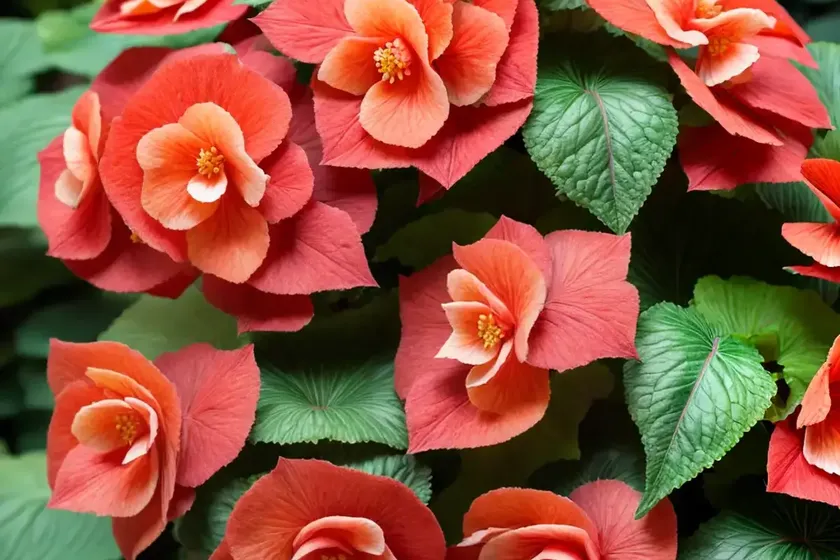
Plants are living organisms that belong to the kingdom Plantae. They are multicellular, eukaryotic organisms that typically produce their own food through the process of photosynthesis. Plants play a crucial role in the ecosystem, providing oxygen, food, and habitats for numerous other organisms. There are over 390,000 different species of plants, ranging from tiny mosses to towering trees.
Beefsteak Begonia (Begonia x erythrophylla)
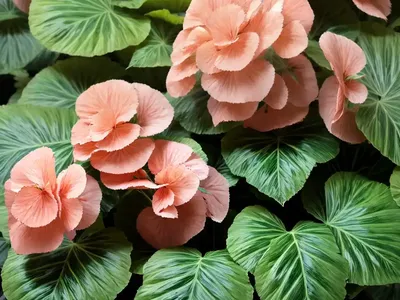
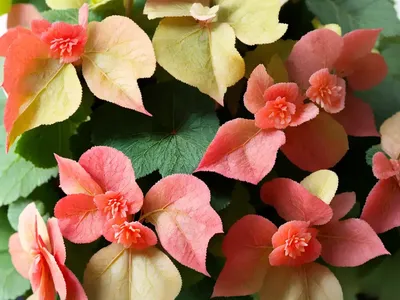
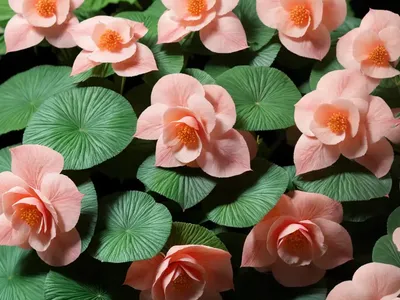
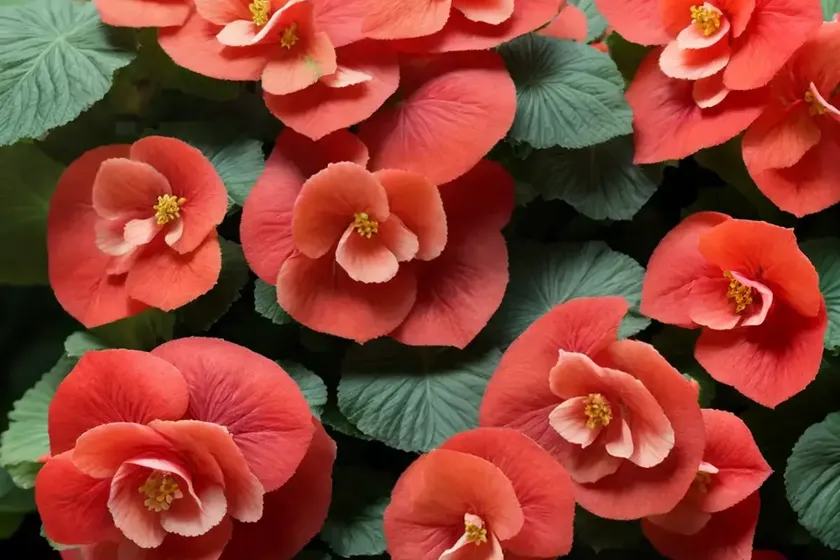
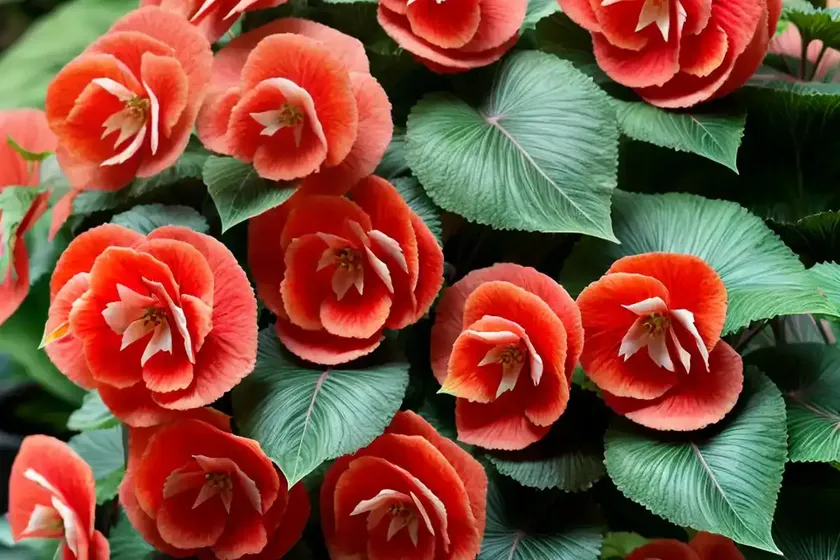
Begonias are a diverse and popular group of plants known for their striking foliage and beautiful flowers. The beefsteak begonia, scientifically known as Begonia x erythrophylla, is a particularly stunning and sought-after variety. Native to Brazil, this begonia hybrid is loved for its vibrant, glossy, and asymmetrical leaves that resemble the shape and color of beefsteak tomatoes. The charming foliage makes it a delightful addition to indoor spaces and shaded outdoor gardens.
Key Takeaways
Let’s delve into the various aspects of beefsteak begonia care, including its culture, uses, water requirements, sunlight preferences, fertilizer needs, soil preferences, pruning techniques, propagation methods, and insights on its popularity and common diseases.
Culture
Beefsteak begonias are prized for their attractive foliage and easy-to-care-for nature. With the right conditions, they can thrive and beautify any space. Here are some key cultural considerations for beefsteak begonias:
- Temperature: They prefer temperatures between 65°F and 75°F (18°C to 24°C) and are sensitive to extreme heat or cold.
- Humidity: These plants thrive in moderate to high humidity levels, making them great choices for bathrooms or terrariums.
- Pot Size: Adequate pot size is crucial, as they prefer a slightly snug fit in the container to support healthy growth.
- Pruning: Regular removal of faded or damaged leaves helps maintain the plant’s health and appearance.
Uses
Beefsteak begonias possess both ornamental and practical uses. Their vibrant foliage adds color and interest to interior spaces, making them popular choices for homes, offices, and public spaces. Furthermore, their striking leaves and compact growth habit make them suitable for terrariums and mixed planters, creating visually appealing arrangements.
Water
Proper watering plays a significant role in the health and growth of beefsteak begonias. Here’s a closer look at their water requirements:
- Frequency: Water them when the top inch of the soil feels dry to the touch, typically once or twice a week, adjusting based on environmental conditions.
- Watering Technique: To avoid waterlogged soil, ensure proper drainage by allowing excess water to escape from the pot’s drainage holes. Alternatively, use a self-watering pot if you tend to forget frequent watering.
Sunlight
Understanding the sunlight preferences of beefsteak begonias is essential for providing them with an optimal growing environment. Consider the following points:
- Light Levels: These begonias thrive in bright, indirect light. Direct sunlight can scorch their delicate leaves, while insufficient light may lead to leggy growth.
- Exposure: Position them near east or north-facing windows, where they can receive gentle morning or filtered light throughout the day.
Fertilizer
Feeding beefsteak begonias with the right nutrients is crucial for promoting lush foliage and occasional flowering. Key considerations for fertilizing these plants include:
- Frequency: During the growing season, from spring to early fall, apply a balanced liquid fertilizer every month to support healthy growth.
- Dilution: Dilute the fertilizer to half the recommended strength to prevent potential fertilizer burn and reduce the risk of salts harming the plant’s root system.
Soil
Providing the appropriate growing medium is essential for ensuring the well-being of beefsteak begonias. Here are some soil-related details to keep in mind:
- Composition: Well-draining, lightweight potting mix with a high organic matter content is ideal for beefsteak begonias. A mix designed for tropical plants or African violets serves as a suitable choice.
- Acidity: They thrive in slightly acidic to neutral soil with a pH range of 6.0 to 7.0.
Pruning
Regular pruning promotes a compact, bushy growth habit and enhances the overall appearance of beefsteak begonias. Here’s a simple guide to pruning them:
- Tools: Use clean, sharp scissors or pruning shears to remove any discolored, damaged, or leggy growth.
- Technique: Trim the stems just above a leaf node or joint to encourage new growth.
Propagation
Propagating beefsteak begonias is an excellent way to expand your collection or share these beautiful plants with friends and fellow enthusiasts. Consider the following propagation methods:
- Stem Cuttings: Take 3- to 4-inch cuttings from healthy stems, and root them in a moist, well-draining potting mix.
- Division: Gently separate overcrowded clumps of begonias during repotting, and plant the divisions in separate containers.
Container Popularity
Beefsteak begonias are favored choices for container gardening due to their compact size, striking foliage, and adaptability to indoor settings. When selecting containers for these plants, consider the following factors:
- Drainage: Opt for pots with drainage holes to prevent waterlogging and maintain healthy root systems.
- Aesthetics: Choose containers that complement the plant’s foliage and enhance the overall visual appeal.
- Size: Select a container that provides ample room for root growth while preventing excessive moisture retention.
Common Diseases
While beefsteak begonias are relatively resilient, they are susceptible to certain diseases that can impact their health and vitality. Understanding these common diseases is essential for effective prevention and management.
Disease Diagnosis
Be on the lookout for the following common diseases that can affect beefsteak begonias:
- Powdery Mildew: Affecting the leaves, powdery mildew appears as a white, powdery coating, potentially leading to leaf distortion and reduced growth.
- Botrytis Blight: This fungal disease causes brown or black spots on the leaves and can spread rapidly in humid conditions.
- Root Rot: Often caused by overwatering or poorly-draining soil, root rot can result in wilting and discolored foliage.
Common Pests
In addition to diseases, beefsteak begonias can face challenges from certain pests that may impair their health and appearance. Being aware of these common pests is crucial for early detection and effective pest control.
Botanist’s Tips
To ensure the optimal care and long-term health of beefsteak begonias, consider the following tips from professional botanists and experienced growers:
- Consistent Monitoring: Regularly inspect the plants for signs of stress, disease, or pests, intervening promptly to address any issues.
- Adequate Air Circulation: Maintain good airflow around the plants, especially in humid environments, to minimize the risk of disease development.
- Gentle Handling: Handle the delicate foliage and stems with care to avoid physical damage or breakage.
Fun Facts
Delight in these intriguing and charming facts about beefsteak begonias:
- Species Hybrid: The beefsteak begonia is a hybrid of Begonia corallina and Begonia dregei, resulting in its distinctive leaf pattern and vibrant colors.
- Leaf Variations: The leaves of beefsteak begonias can display a mesmerizing array of colors, ranging from deep green to rich reds and purples.
Links to External Resources
For additional information, resources, and inspiration on beefsteak begonias, explore the following links:
- The American Begonia Society
- Begonias: The Complete Reference Guide
- Begonia x erythrophylla Care Guide
In essence, beefsteak begonias, with their captivating foliage and easy-to-care-for nature, are splendid additions to any plant enthusiast’s collection. By understanding their cultural requirements, propagation methods, and strategies for disease and pest management, you can nurture healthy and vibrant begonias that bring joy and beauty to your living space.
As a plant scientist, it’s a pleasure to explore the captivating world of beefsteak begonias and share insights into their care and cultivation. I hope this comprehensive guide serves as a valuable resource for plant enthusiasts and fosters a deeper appreciation for the exquisite beauty of these remarkable plants.