Anemone Sylvestris ‘Madonna’ (Snowdrop Anemone)
Introduction Anemone sylvestris ‘Madonna’, commonly known as Snowdrop Anemone, is a delightful and versatile perennial plant that adds elegance and beauty.
Introduction
Anemone sylvestris ‘Madonna’, commonly known as Snowdrop Anemone, is a delightful and versatile perennial plant that adds elegance and beauty to any garden. With its delicate white blooms and attractive foliage, this plant captivates gardeners and nature enthusiasts alike. In this comprehensive guide, we will explore the various aspects of Anemone sylvestris ‘Madonna’, including its culture, uses, maintenance, and propagation, as well as its popularity, common diseases, and pests. Furthermore, botanist’s tips, fun facts, and external resources will be provided to enhance your knowledge and appreciation of this remarkable plant.
What is Anemone sylvestris ‘Madonna’ (Snowdrop Anemone)?
Anemone sylvestris ‘Madonna’ is a member of the Ranunculaceae family, which is known for its enchanting flowers and diverse species. This particular variety, also referred to as Snowdrop Anemone, originates from the woodlands and shady areas of Europe and Asia. With its low-growing habit and early spring blooming time, it is a treasure for gardeners seeking a plant that thrives in shady and woodland garden settings.
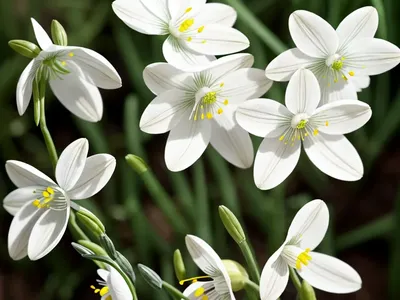
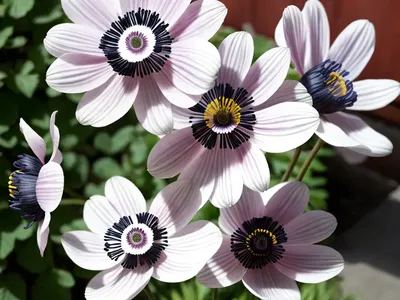
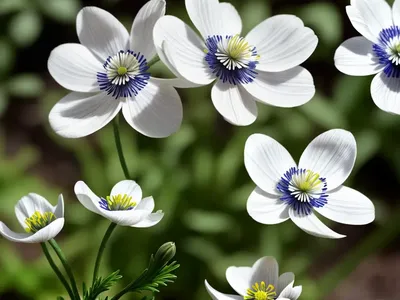
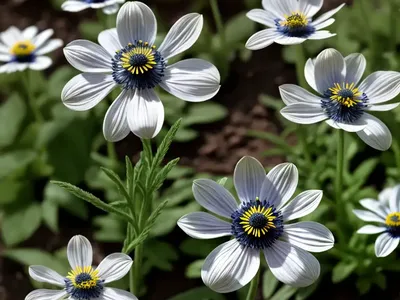
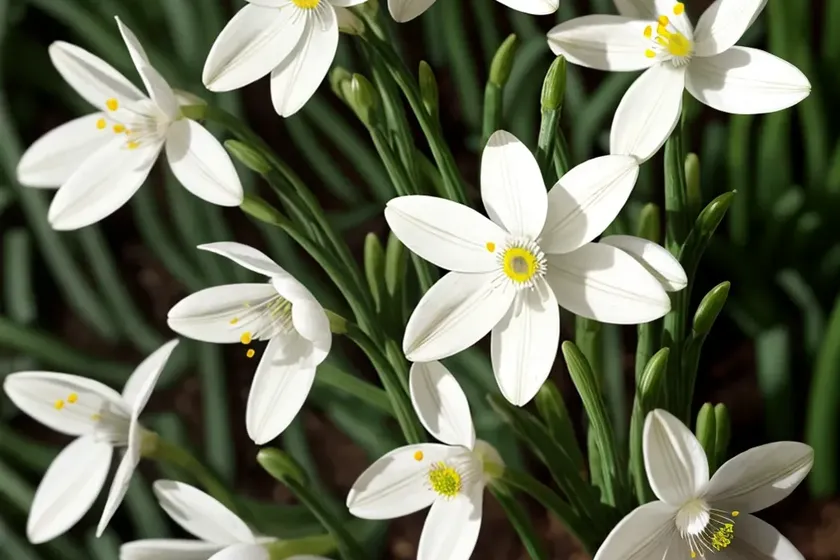
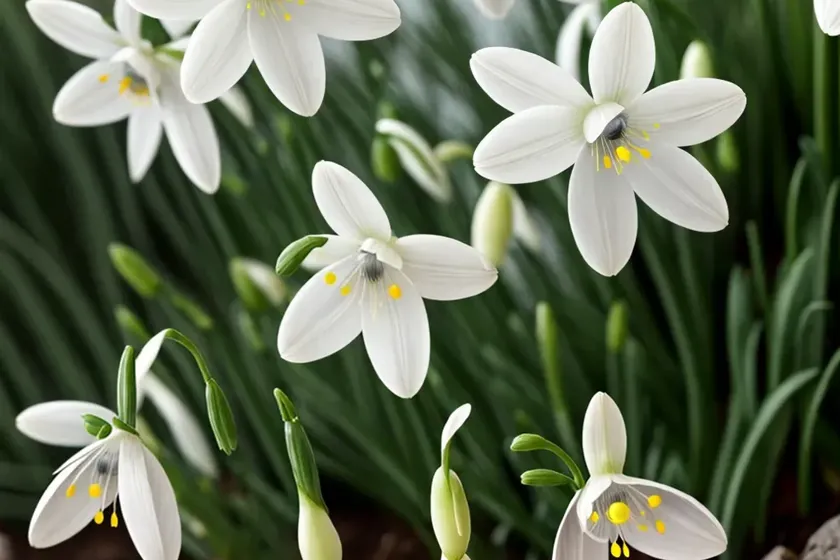
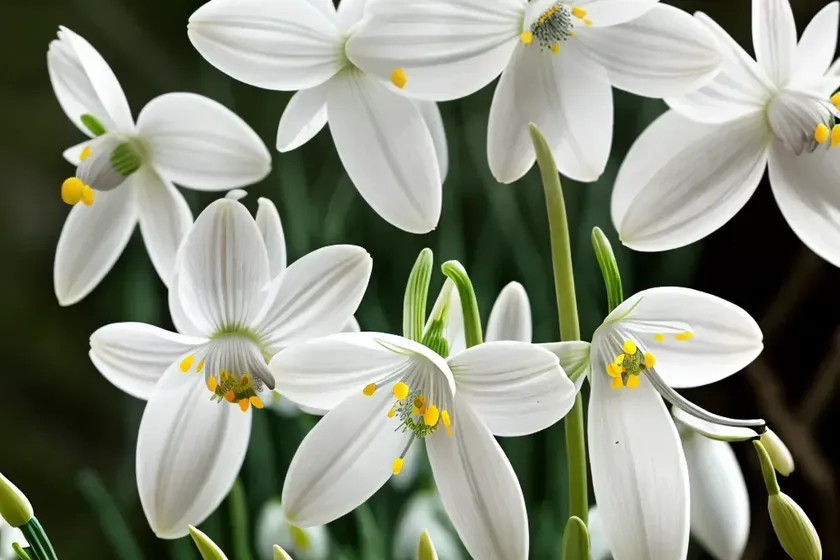
Anemone sylvestris ‘Madonna’ showcases white, daisy-like flowers with bright yellow centers, creating a striking contrast against its dark green, lobed foliage. Its elegant, nodding blooms resemble snowdrops, thus earning it the delightful moniker “Snowdrop Anemone”. As a hardy and low-maintenance plant, it has become a favorite among gardening enthusiasts and has gained popularity for its ability to naturalize and provide an attractive ground cover in garden landscapes.
Key Takeaways – Anemone sylvestris ‘Madonna’ (Snowdrop Anemone)
Before delving into the detailed aspects of Anemone sylvestris ‘Madonna’, let’s highlight some key takeaways that characterize this charming plant:
- Snowdrop Anemone captivates with its delicate white blooms and attractive foliage, making it a sought-after addition to woodland gardens and shaded areas.
- As a perennial plant, it returns year after year, bringing forth its beautiful flowers in early spring and enhancing the garden with its exquisite appearance.
- Due to its white flowers, it falls under the category of white flowering plants, adding a touch of elegance and purity to garden landscapes.
- It blooms in spring, earning it the designation of spring blooming flower, an ideal choice for those seeking early-season garden interest.
- Anemone sylvestris ‘Madonna’ qualifies as an ornamental plant, admired for its aesthetic appeal and decorative value in garden settings.
- Its ability to thrive in shaded environments designates it as one of the shade-tolerant plants, satisfying the preferences of gardeners with limited sunlight.
- As a plant that originates from woodlands, it finds its place among the category of woodland garden flowers, adding a natural and enchanting touch to shaded areas.
- Its bloom time and resemblance to snowdrops qualify it as a snowdrop flower, drawing attention from those who appreciate the beauty of these early spring blooms.
- Anemone sylvestris ‘Madonna’ represents one of the many anemone varieties, each with its own unique characteristics and appeal in garden landscapes.
- With its resilience and ability to endure cold and harsh conditions, it falls under the designation of hardy flowering plants, earning the admiration of gardeners seeking robust and enduring species.
- Gardeners who appreciate low-maintenance plants will find Anemone sylvestris ‘Madonna’ desirable, as it is well-suited for low-maintenance gardening.
- Its attraction to wildlife, particularly pollinators, designates it as one of the wildlife-friendly plants, contributing to the ecological balance of garden ecosystems.
- Being native to certain regions, it falls into the category of native plants, attracting individuals interested in cultivating indigenous species in their gardens.
- Anemone sylvestris ‘Madonna’ offers numerous garden planting ideas, serving as a versatile and compelling addition to various garden styles and themes.
- Proper care and maintenance are essential for the continued health and beauty of this plant, necessitating an understanding of its specific plant care tips.
These key takeaways provide a comprehensive overview of the characteristics and appeal of Anemone sylvestris ‘Madonna’, setting the stage for a deeper exploration of its culture, applications, and care requirements.
Culture
Understanding the culture and natural requirements of Anemone sylvestris ‘Madonna’ is essential for creating an environment that allows this plant to thrive. From water and sunlight needs to soil and fertilizer preferences, optimal culture plays a pivotal role in the health and vitality of this remarkable perennial.
Uses
Anemone sylvestris ‘Madonna’ offers a wide range of uses and applications in garden landscapes, contributing to its popularity and appeal among gardeners. Let’s explore some of the notable uses of this captivating plant:
- Woodland Gardens: Its origin in woodland environments makes Anemone sylvestris ‘Madonna’ an ideal choice for woodland gardens, where it thrives in the dappled shade and adds a touch of natural elegance to the setting.
- Shade Gardens: Due to its shade-tolerant nature, this plant is well-suited for shaded areas, where it thrives alongside other shade-loving species, creating captivating displays of contrasting foliage and blooms.
- Ground Cover: Its low-growing habit and spreading nature make it suitable for use as a ground cover, offering a carpet of green foliage adorned with delicate white flowers, enriching the visual appeal of garden beds and borders.
- Borders and Edges: Its graceful appearance and charming blooms make it an excellent choice for border plantings and garden edges, where it creates soft, enchanting transitions between different areas of the garden.
- Containers: Anemone sylvestris ‘Madonna’ can also be grown in containers, allowing individuals with limited space to enjoy its beauty on patios, balconies, and other outdoor areas. When featured in containers, it brings an elegant touch to outdoor living spaces.
Understanding the various uses of Anemone sylvestris ‘Madonna’ illuminates its versatility and adaptability in diverse garden settings, enriching the visual appeal and natural charm of the landscape.
Water
Proper watering is essential for the health and vitality of Anemone sylvestris ‘Madonna’, particularly during its active growth and blooming seasons. Understanding its water requirements is crucial for maintaining optimal moisture levels in the soil and preventing moisture-related issues.
- Spring and Summer: During the active growing season, it is important to provide regular watering to ensure that the soil remains consistently moist but not waterlogged. Adequate moisture supports healthy growth and robust blooming.
- Fall and Winter: As the plant transitions into dormancy, it is essential to reduce watering, allowing the soil to dry out slightly between waterings. This helps prevent excessive moisture during periods of reduced growth and flowering.
Maintaining a balance in watering practices, tailored to the specific needs of Anemone sylvestris ‘Madonna’, is crucial for promoting its long-term health and performance in the garden.
Sunlight
Anemone sylvestris ‘Madonna’ is well-known for its preference for shaded and partially shaded environments, making it an ideal choice for gardens with limited sunlight. Understanding its sunlight requirements is essential for selecting the optimal location and ensuring the plant receives the appropriate light levels.
- Shade: This plant thrives in partial shade to full shade, where it benefits from protection against intense sunlight and heat. Shaded areas beneath trees, along woodland edges, and in north-facing gardens provide the ideal conditions for its growth and blooming.
- Indirect Light: While it prefers shade, it is important to ensure that the plant still receives indirect light, which supports its photosynthetic processes and overall health. Filters light, such as that found beneath trees or in lightly shaded areas, are well-suited for this plant.
Understanding the shade preferences of Anemone sylvestris ‘Madonna’ guides gardeners in selecting the most suitable locations for planting, ensuring that it receives the optimal light conditions for its well-being.
Fertilizer
Proper fertilization enhances the growth, flowering, and overall vigor of Anemone sylvestris ‘Madonna’, providing essential nutrients for its development. By understanding its fertilizer requirements, gardeners can ensure that this plant thrives and produces a profusion of beautiful blooms.
- Spring Feeding: As the plant emerges from dormancy and begins active growth, it benefits from a balanced, slow-release fertilizer applied around the base of the plant. This provides the necessary nutrients to support healthy foliage and robust flowering.
- Summer Feeding: In mid-summer, a second application of fertilizer may be beneficial, particularly if the plant shows signs of nutrient deficiencies or slow growth. Select a fertilizer specially formulated for flowering perennials to promote abundant blooms.
By following the appropriate fertilization practices, gardeners can optimize the growth and flowering performance of Anemone sylvestris ‘Madonna’, ensuring its long-term health and beauty in the garden.
Soil
The soil composition and quality play a significant role in the growth and performance of Anemone sylvestris ‘Madonna’, influencing its ability to establish healthy roots and produce prolific blooms. Understanding its soil preferences is crucial for creating an environment that supports its specific needs.
- Loose and Well-Draining: This plant thrives in loose, well-draining soil that prevents water from pooling around the roots. Amending heavy or clay soils with organic matter, such as compost or peat moss, enhances the drainage and friability of the soil.
- Acidic to Neutral pH: Anemone sylvestris ‘Madonna’ prefers slightly acidic to neutral pH levels in the soil, with a range of 6.0 to 7.0 being ideal for its growth and development. Testing the soil pH and making necessary adjustments supports its long-term health.
By establishing an optimal soil environment characterized by proper drainage and pH levels, gardeners can create the ideal conditions for Anemone sylvestris ‘Madonna’ to flourish and adorn the garden with its graceful presence.
Pruning
Pruning plays a significant role in the maintenance and aesthetics of Anemone sylvestris ‘Madonna’, allowing gardeners to manage its growth, remove spent blooms, and promote a tidy and attractive appearance. Understanding its pruning requirements is essential for supporting its long-term health and performance in the garden.
- Post-Blooming: After the plant has finished flowering, it is beneficial to deadhead the spent blooms, removing the faded flowers to promote continued blooming and prevent the formation of seeds. This encourages the plant to redirect its energy into producing new blooms.
- Fall Cleanup: In late fall or early winter, it is advisable to trim back the foliage once it has died back, removing the spent leaves to maintain a neat and tidy appearance. This also aids in preventing the spread of diseases and pests during the winter months.
Applying appropriate pruning practices at the right times ensures that Anemone sylvestris ‘Madonna’ remains healthy, productive, and visually appealing throughout the growing season and into the dormant period.
Propagation
The propagation of Anemone sylvestris ‘Madonna’ offers gardeners the opportunity to expand their plantings, share this delightful species with others, or rejuvenate aging or struggling specimens. Understanding the various methods of propagation is valuable for those seeking to propagate this charming plant.
DivisionDivision serves as one of the primary methods of propagating Anemone sylvestris ‘Madonna’, allowing for the creation of new plants from established clumps. The best time for dividing the plant is in early spring or immediately after blooming, when the plant is actively growing and can quickly establish new roots.
- Prepare the Clump: Dig up the entire plant clump, taking care to preserve the root system and minimize disturbance to the roots.
- Separate the Divisions: Using a sharp, clean tool, carefully divide the clump into sections, ensuring that each division has healthy roots and sufficient foliage.
- Replanting: Plant the divisions at the desired location, ensuring that the roots are well-covered with soil and the plants receive adequate moisture.
Division provides an effective means of propagating Anemone sylvestris ‘Madonna’ while rejuvenating the original plant, contributing to its continued vitality and beauty in the garden.
Container Popularity
Anemone sylvestris ‘Madonna’ has gained popularity as a container plant, offering an enchanting and elegant presence in outdoor living spaces, patios, and balconies. Its suitability for container cultivation stems from its manageable size, beautiful blooms, and adaptability to potted environments. When selecting containers for Anemone sylvestris ‘Madonna’, consider the following factors:
- Size: Choose a container that provides ample room for the plant’s roots to grow and spread. A depth of at least 12 inches and a width of 18 inches or more are generally suitable for accommodating the plant’s growth.
- Drainage: Select containers with drainage holes at the bottom to ensure proper drainage and prevent waterlogging, which can lead to root rot and other moisture-related issues.
- Potting Mix: Use a well-draining potting mix enriched with organic matter to create an optimal growing medium for Anemone sylvestris ‘Madonna’. A mix formulated for flowering perennials or woodland plants is well-suited for this purpose.
By selecting the appropriate containers and providing the necessary care, gardeners can enjoy the allure of Anemone sylvestris ‘Madonna’ in container settings, adding a touch of natural beauty and grace to outdoor spaces.
Common Diseases
Anemone sylvestris ‘Madonna’ is generally resilient to most diseases, but certain environmental conditions can predispose it to specific ailments that affect its health and appearance. Being aware of common diseases that can impact this plant allows gardeners to implement preventative measures and address issues in a timely manner.
Disease Diagnosis
The following are some of the common diseases that can affect Anemone sylvestris ‘Madonna’:
- Powdery Mildew: This fungal disease manifests as a powdery, white coating on the leaves, stems, and flowers. It thrives in humid and poorly ventilated conditions, particularly during periods of warm weather. Maintaining good air circulation and avoiding overhead watering can help prevent powdery mildew.
- Botrytis Blight: Also known as gray mold, this fungal disease causes grayish-brown lesions on the foliage and flowers. It thrives in damp, cool conditions and can be exacerbated by overwatering and poor air circulation. Proper spacing and adequate ventilation help mitigate botrytis blight.
- Root Rot: Excessive soil moisture, particularly in poorly-draining soil, can lead to root rot in Anemone sylvestris ‘Madonna’. This condition causes the roots to rot and the plant to exhibit symptoms of wilting and decline. Improving soil drainage and avoiding overwatering are critical for preventing root rot.
By monitoring the plant for symptoms and implementing preventative measures, gardeners can safeguard Anemone sylvestris ‘Madonna’ from common diseases, ensuring its continued health and vitality in the garden.
Common Pests
While Anemone sylvestris ‘Madonna’ is generally resistant to most pests, certain insects and critters may pose occasional challenges to its well-being. Being able to identify and address common pests is crucial for protecting this plant from potential damage and distress.
Botanist’s Tips
Botanist’s tips provide valuable insights and recommendations for cultivating, maintaining, and appreciating Anemone sylvestris ‘Madonna’ in garden settings. Drawing from expertise and experience, these tips offer practical guidance for ensuring the success and enjoyment of this delightful plant.
- Naturalizing: Anemone sylvestris ‘Madonna’ has a naturalizing tendency, spreading gradually through its rhizomatous roots and self-seeding under favorable conditions. Embrace this naturalizing quality by providing adequate space for the plant to expand and thrive in the garden, creating captivating displays and gentle transitions between different areas.
- Companion Planting: Pairing Anemone sylvestris ‘Madonna’ with other shade-tolerant perennials, such as ferns, hostas, and tiarellas, creates visually engaging and harmonious combinations in shaded and woodland gardens. Consider the varying heights, textures, and foliage colors of companion plants to create dynamic and captivating plantings.
- Mulching: Mulching around the base of Anemone sylvestris ‘Madonna’ helps retain soil moisture, suppresses weed growth, and moderates soil temperatures, contributing to the overall health and vigor of the plant. Use a layer of organic mulch, such as bark chips or shredded leaves, to provide these beneficial effects while enhancing the aesthetics of the planting area.
- Wildlife Attraction: The delicate blooms of Anemone sylvestris ‘Madonna’ attract beneficial pollinators, including bees and butterflies, adding to the ecological value of the garden. Embrace its wildlife-friendly nature by incorporating this plant into pollinator-friendly gardens and naturalistic landscapes, contributing to the overall biodiversity and balance of garden ecosystems.
- Early Spring Care: Monitor the plant closely in early spring, providing protection against late frosts and rapid temperature fluctuations that can impact the emerging foliage and flowers. Covering the plant with a light fabric or using frost cloths during inclement weather helps shield it from potential damage, ensuring a beautiful and unblemished display of spring blooms.
These botanist’s tips offer practical and insightful guidance for maximizing the beauty and potential of Anemone sylvestris ‘Madonna’, allowing gardeners to cultivate and appreciate this remarkable plant to the fullest.
Fun Facts
Discovering interesting and intriguing facts about Anemone sylvestris ‘Madonna’ adds a layer of fascination and appreciation for this captivating plant. Delight in these fun and enlightening tidbits that showcase the unique qualities and allure of Snowdrop Anemone:
- Early Spring Elegance: Anemone sylvestris ‘Madonna’ emerges in early spring, gracing the garden with its delicate white blooms and contributing to the awakening of the natural world after winter dormancy. Its early arrival is a testament to the resilience and beauty of nature.
- Snowdrop Resemblance: The nodding, white blooms of Anemone sylvestris ‘Madonna’ bear a charming resemblance to snowdrops, creating a captivating display of elegance and purity that has earned it the endearing nickname “Snowdrop Anemone”.
- Naturalizing Wonder: This plant possesses a naturalizing ability, spreading gradually and forming captivating clusters and carpets of flowers and foliage. Its naturalizing tendency adds a touch of wild charm and enchantment to garden landscapes.
- Wildlife Sanctuary: The delicate blooms of Anemone sylvestris ‘Madonna’ attract various pollinators, including bees and butterflies, contributing to the ecological value and biodiversity of the garden. Its role as a wildlife sanctuary enhances the environmental significance of this species.
These fun facts offer a glimpse into the captivating nature and endearing qualities of Anemone sylvestris ‘Madonna’, adding depth to the appreciation and admiration of this remarkable plant.
Links to External Resources
For further exploration and in-depth information