Anemone Virginiana (Thimbleweed)
Anemone virginiana, commonly known as Thimbleweed, is a beautiful and versatile perennial plant belonging to the Anemone genus. This native North American.
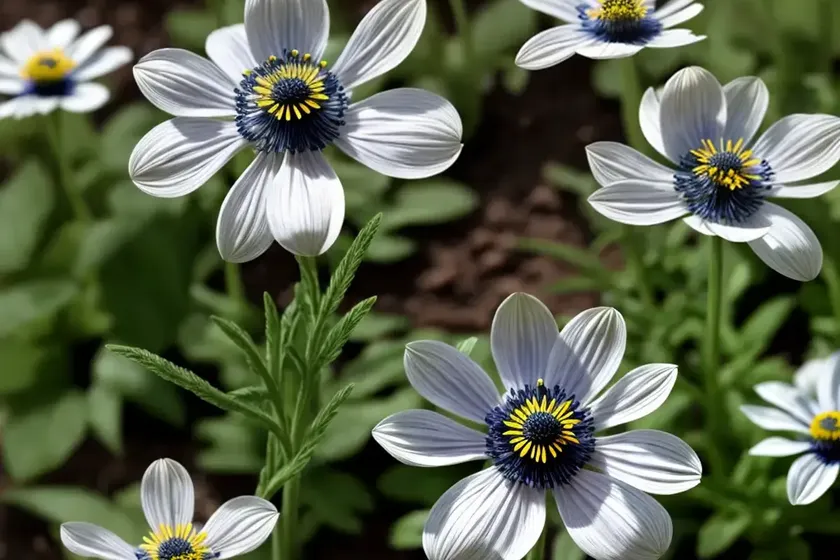
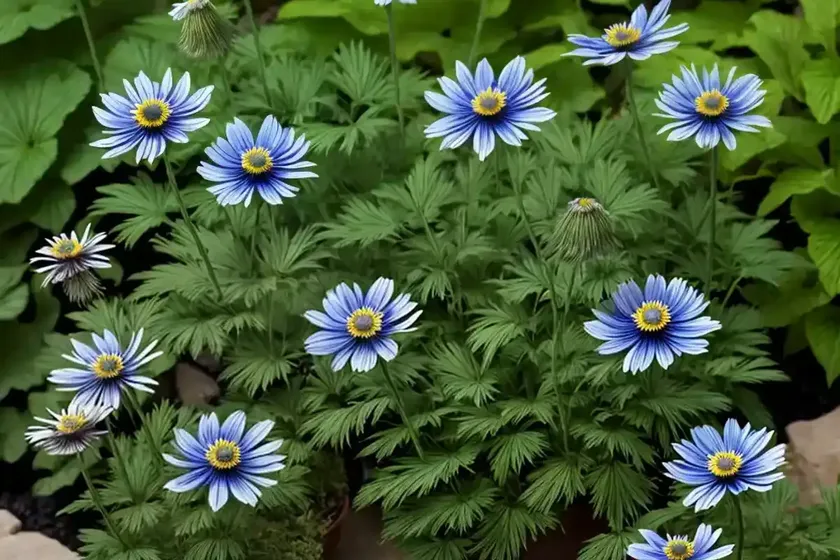
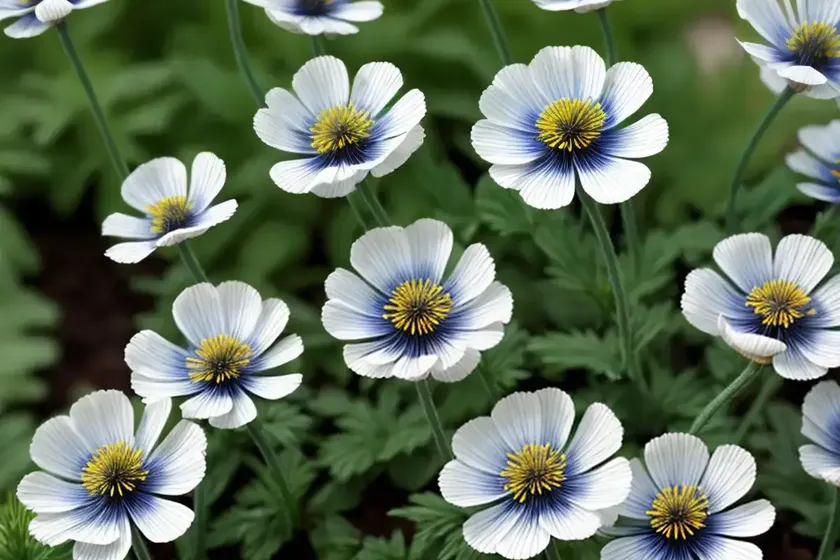
Anemone virginiana, commonly known as Thimbleweed, is a beautiful and versatile perennial plant belonging to the Anemone genus. This native North American wildflower is a popular choice for gardeners and landscaping enthusiasts due to its unique characteristics, beautiful flowers, and adaptability to various growing conditions. In this comprehensive guide, we will explore the key aspects of Anemone virginiana, including its cultural requirements, uses, propagation methods, common diseases and pests, as well as fascinating facts and essential tips for successful cultivation.
What is Anemone virginiana (Thimbleweed)?
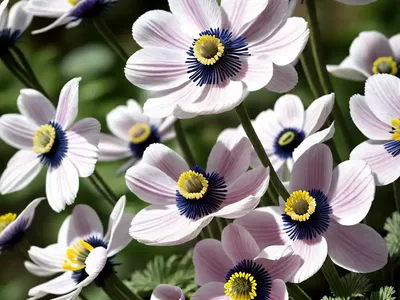
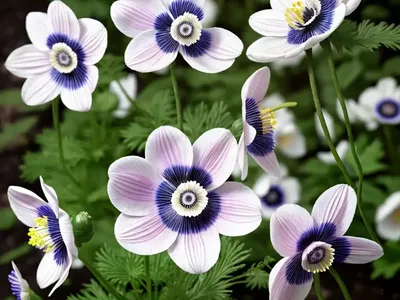
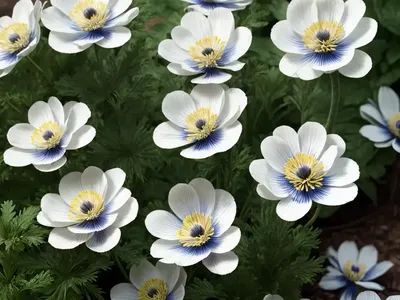
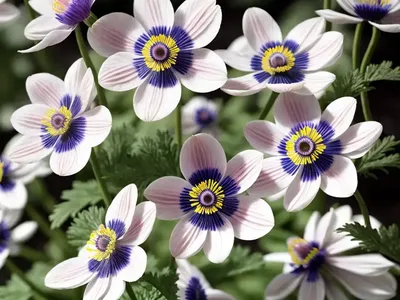
Anemone virginiana, also referred to as Thimbleweed, is a herbaceous perennial plant that belongs to the Ranunculaceae family. This species is native to North America and is primarily found in wooded areas, meadows, and along streams and riverbanks. The plant typically reaches a height of 1 to 3 feet and produces delicate, white, cup-shaped flowers with yellow centers. The deeply divided, deeply lobed leaves and distinctive fluffy seed heads make it easily recognizable in natural and cultivated settings.
One of the most distinctive features of Anemone virginiana is its seed heads, which resemble thimbles, hence the common name “Thimbleweed.” These seed heads add visual interest to the plant and continue to be an attractive feature even after the flowers have faded.
In addition to its aesthetic appeal, Anemone virginiana plays a vital ecological role by supporting pollinators and wildlife, making it a valuable addition to naturalized landscapes and wildlife gardens.
Now, let’s delve into the key aspects of cultivating and caring for this charming species.
Key Takeaways – Anemone virginiana (Thimbleweed)
Cultivation
- Hardiness: Anemone virginiana is hardy in USDA hardiness zones 4-9.
- Soil: Well-drained, fertile soil with a slightly acidic to neutral pH is ideal for Thimbleweed.
- Watering: Regular watering is crucial, especially during the plant’s establishment phase and periods of drought.
- Sunlight: Partial shade to full sun is preferred, although the plant tends to thrive in partial shade, particularly in warmer climates.
Uses
- Ornamental: Anemone virginiana is a popular choice for ornamental landscaping, naturalized gardens, and woodland settings.
- Wildlife Habitat: The plant attracts pollinators, such as bees and butterflies, and supports biodiversity in natural environments.
- Cut Flowers: The delicate, white flowers make stunning additions to floral arrangements.
Propagation
- Seed Propagation: Anemone virginiana can be propagated from seeds.
- Division: Division of established clumps is a reliable method for increasing plant numbers.
Maintenance
- Pruning: Regular deadheading and removal of spent foliage help maintain the plant’s appearance and promote continuous flowering.
- Fertilization: A balanced, organic fertilizer in spring supports healthy growth and prolific flowering.
Common Pests and Diseases
- Pests: Aphids, caterpillars, and slugs may occasionally affect Anemone virginiana.
- Diseases: The plant is generally resistant to diseases but can be susceptible to powdery mildew in humid conditions.
Now, let’s explore each of these aspects in detail to provide a comprehensive understanding of cultivating and caring for Anemone virginiana.
Cultural Requirements for Anemone virginiana
Cultural requirements play a crucial role in the successful cultivation of Anemone virginiana. By understanding the plant’s preferences for water, sunlight, soil, and fertilizer, gardeners can create optimal growing conditions to ensure healthy, vigorous growth and abundant flowering.
Water
Anemone virginiana thrives in moist but well-drained soil. During the plant’s establishment period, it is essential to provide regular watering to support healthy root development. Once established, the plant generally demonstrates good drought tolerance, although consistent moisture is still beneficial, especially during prolonged dry spells. Avoid overwatering, as excessive moisture can lead to root rot and other issues.
Sunlight
Thimbleweed typically prefers partial shade to full sun. In hotter climates, providing afternoon shade can help protect the plant from excessive heat and sun exposure. In locations with milder temperatures, the plant can thrive in full sun, particularly if the soil moisture is adequately maintained.
Fertilizer
Anemone virginiana benefits from a light application of balanced, organic fertilizer in early spring, just as new growth emerges. A slow-release fertilizer or compost can be gently worked into the soil around the base of the plant. It is important not to over-fertilize, as excessive nutrients can lead to lush foliage at the expense of flowering.
Soil
The ideal soil for Anemone virginiana is well-drained, fertile, and slightly acidic to neutral in pH. Amending the soil with organic matter, such as compost or well-rotted manure, can improve its texture and nutrient content. This plant can tolerate various soil types, including loamy, sandy, and clay soils, as long as adequate drainage is ensured.
Pruning
Pruning is an essential part of maintaining Anemone virginiana’s appearance and promoting continued flowering. Deadheading spent flowers not only enhances the plant’s aesthetic appeal but also encourages the production of new blooms. Additionally, removing any yellowing or damaged foliage helps maintain the plant’s overall vitality and appearance.
Propagation of Anemone virginiana
Anemone virginiana can be propagated through both seed propagation and division. Understanding these propagation methods is valuable for expanding plantings and introducing new Thimbleweed specimens to different areas of the garden.
Seed Propagation
- Seed Collection: Wait for the seed heads to mature and become fluffy. Collect the seeds by gently shaking the seed heads into a container.
- Seed Preparation: Remove any debris and chaff from the collected seeds.
- Sowing: Sow the seeds in a prepared seedbed or individual containers. It is recommended to stratify the seeds by refrigerating them for 8-12 weeks before sowing to enhance germination rates.
- Germination: Keep the soil consistently moist until germination occurs, which usually takes several weeks.
- Transplanting: Once the seedlings have developed several true leaves, they can be transplanted into their permanent growing positions.
Division
- Timing: Spring or early fall is the best time for dividing Anemone virginiana.
- Division Process: Carefully dig up the clump, ensuring that the divisions have both roots and shoots attached.
- Replanting: Plant the divisions in prepared soil at the same depth as the parent plant. Water thoroughly after replanting.
Propagation through division is an effective way to rejuvenate established clumps, expand plantings, and create new Anemone virginiana displays in various garden areas.
Common Uses of Anemone virginiana
Anemone virginiana holds several practical and aesthetic uses, making it a valuable addition to both natural and cultivated landscapes.
Ornamental Planting
Anemone virginiana is widely valued for its ornamental qualities, particularly in woodland gardens, naturalized settings, and native plant landscapes. The elegant, white flowers and attractive foliage contribute to its popularity as a garden plant.
Wildlife Gardening
Thimbleweed’s nectar-rich flowers attract pollinators such as bees and butterflies, helping support essential ecosystem functions and promoting biodiversity in the garden. Additionally, the fluffy seed heads provide a food source for certain bird species.
Cut Flowers
The delicate blooms of Anemone virginiana are an excellent choice for cut flower arrangements, adding a touch of elegance and natural beauty to floral displays. Harvesting the flowers at the right stage of maturity ensures a prolonged vase life.
Medicinal and Traditional Uses
Anemone species have historical uses in traditional medicine, although it is essential to note that Anemone virginiana should not be consumed or used for medicinal purposes without proper knowledge and guidance due to potential toxicity. As with any plant-based remedies, consulting a knowledgeable herbalist or healthcare professional is crucial for safe and appropriate usage.
Common Diseases and Pests
While Anemone virginiana is generally resilient to diseases, certain pests and environmental conditions can pose challenges to its health and vitality.
Common Diseases
- Powdery Mildew: In humid environments, Anemone virginiana can be susceptible to powdery mildew, a fungal disease that appears as a white, powdery coating on the foliage. Proper air circulation and avoiding overhead irrigation help minimize the risk of infection.
Common Pests
- Aphids: These small, sap-sucking insects can occasionally infest Anemone virginiana. Insecticidal soap or neem oil applications are effective for managing aphid populations.
- Caterpillars: Some species of caterpillars may feed on the foliage of Thimbleweed. Handpicking caterpillars or using biological control methods can help mitigate their impact.
- Slugs: These mollusks can cause damage to the plant’s foliage, particularly in moist environments. Employing cultural controls and using slug barriers can help prevent slug damage.
By being vigilant about monitoring plant health and promptly addressing pest and disease issues, gardeners can maintain the vigor and beauty of Anemone virginiana.
Botanist’s Tips for Successful Anemone virginiana Cultivation
To ensure the successful cultivation of Anemone virginiana and maximize its ornamental and ecological benefits, consider the following tips:
- Plant Anemone virginiana in groups or drifts to create a visually impactful display and enhance its ornamental appeal.
- When dividing established clumps, ensure that each division has a sufficient number of healthy roots and shoots to support successful establishment and growth.
- Select planting locations that provide partial shade and consistent moisture, particularly in regions with warmer climates, to support optimal growth and flowering.
- Incorporate Anemone virginiana into wildlife-friendly garden designs to attract pollinators and contribute to the overall ecological balance of the garden ecosystem.
By implementing these tips, gardeners can cultivate thriving and visually appealing displays of Anemone virginiana while enhancing their garden’s ecological benefits.
Fun Facts about Anemone virginiana
Anemone virginiana, with its captivating appearance and ecological significance, offers several intriguing and delightful aspects worth exploring:
- The distinctive, fluffy seed heads of Anemone virginiana played a role in inspiring its common name, “Thimbleweed,” due to their resemblance to thimbles.
- Thimbleweed is a valuable food source for some bird species, as they feed on the plant’s seed heads, contributing to the ecological web of interactions in natural environments.
- The intricate, cup-shaped flowers of Anemone virginiana are particularly attractive to small pollinators such as native bees and butterflies, making it a valuable nectar source in naturalized landscapes.
- The plant’s resilience and adaptability allow it to thrive in diverse environments, from woodlands and meadows to garden borders and wildlife habitats.
Links to External Resources
For further information and resources related to Anemone virginiana, consider exploring the following links:
- North Carolina State University Extension – Anemone virginiana
- Lady Bird Johnson Wildflower Center – Anemone virginiana
- USDA Natural Resources Conservation Service – Anemone virginiana
In conclusion, Anemone virginiana, or Thimbleweed, is a captivating and ecologically valuable plant species that offers a myriad of ornamental and functional uses in various garden settings. By understanding its cultural requirements, propagation methods, uses, and potential challenges, gardeners can cultivate and appreciate this charming perennial while contributing to the health and diversity of the garden ecosystem.
As you embark on your journey of growing Anemone virginiana, may you find joy in its graceful blooms, support for local wildlife, and admiration for its resilience and natural beauty.
Happy gardening!
Keywords: Anemone virginiana plant, Thimbleweed flower, Growing Anemone virginiana, Thimbleweed plant care, Anemone virginiana characteristics, Thimbleweed flower facts, Anemone virginiana habitat, Thimbleweed plant species, Anemone virginiana cultivation, Thimbleweed gardening tips, Anemone virginiana uses, Thimbleweed medicinal properties, Anemone virginiana natural habitat, Thimbleweed garden variety, Anemone virginiana planting guide, Thimbleweed perennial plant, Anemone virginiana propagation methods, Thimbleweed seeds, Anemone virginiana outdoor plant, Thimbleweed native plant, Anemone virginiana soil requirements, Thimbleweed flowering season, Anemone virginiana wildlife attraction, Thimbleweed landscape design, Anemone virginiana ornamental plant, Thimbleweed garden decor, Anemone virginiana pollination, Thimbleweed garden border, Anemone virginiana gardening ideas, Thimbleweed companion plants, Anemone virginiana cut flowers, Thimbleweed natural remedies, Anemone virginiana flower arrangement, Thimbleweed plant characteristics, Anemone virginiana garden variety, Thimbleweed plant health benefits, Anemone virginiana seasonal care, Thimbleweed garden landscaping, Anemone virginiana pests and diseases, Thimbleweed native species, Anemone virginiana sun exposure, Thimbleweed garden border plant, Anemone virginiana wildlife garden, Thimbleweed outdoor landscaping, Anemone virginiana perennial flower, Thimbleweed garden design ideas, Anemone virginiana eco-friendly plant, Thimbleweed plant maintenance, Anemone virginiana endangered species, Thimbleweed flower garden.