Anemone Tomentosa ‘Robustissima’ (Japanese Anemone)
Anemone tomentosa ‘Robustissima’, commonly known as Japanese Anemone, is a stunning perennial plant that adds elegance and charm to any garden. Its.
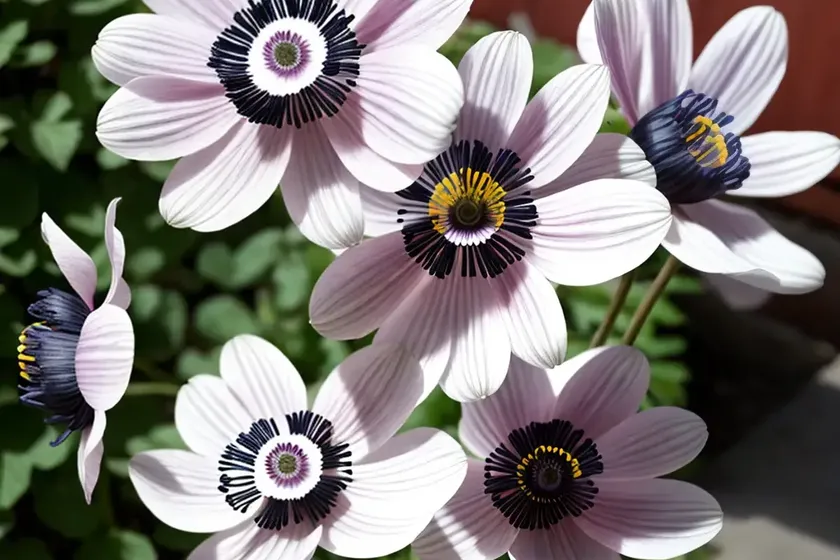
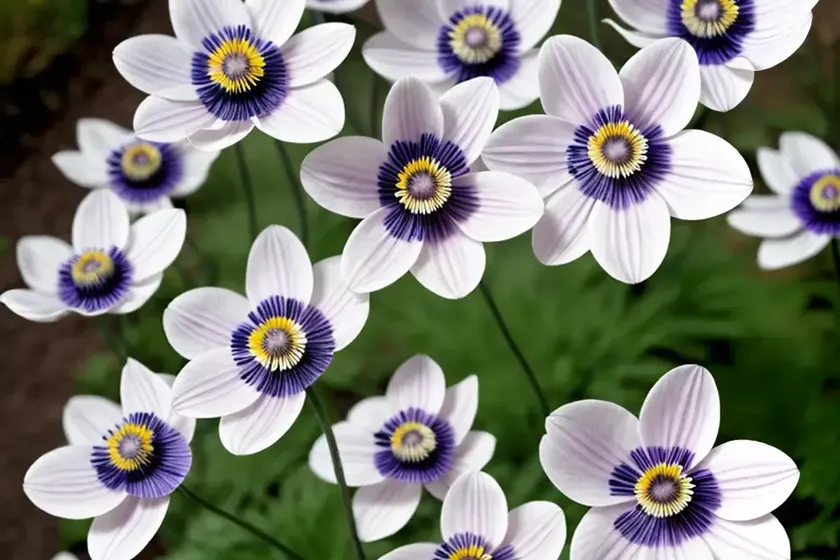
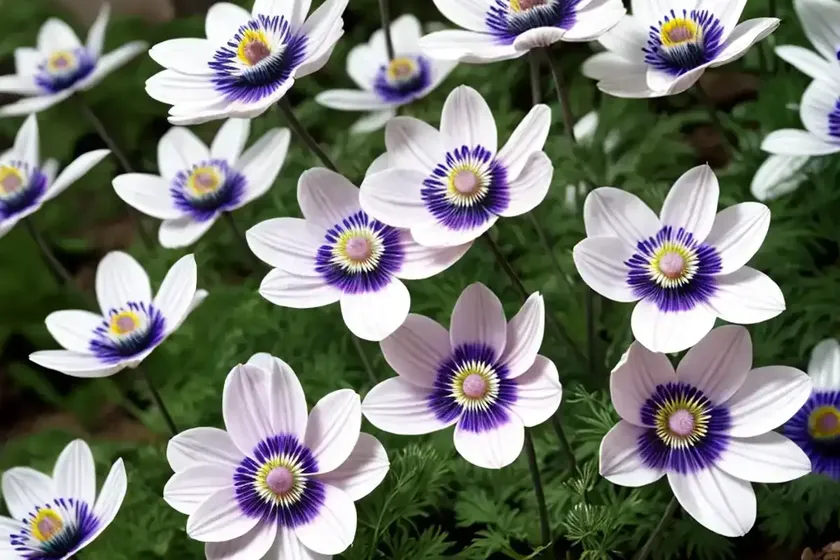
Anemone tomentosa ‘Robustissima’, commonly known as Japanese Anemone, is a stunning perennial plant that adds elegance and charm to any garden. Its graceful flowers and low-maintenance nature make it a favorite among gardeners. In this comprehensive guide, we will explore the characteristics, care tips, cultivation, and much more for Anemone tomentosa ‘Robustissima’. Whether you are a beginner or an experienced gardener, this guide will provide you with all the necessary information to successfully grow and enjoy this beautiful plant.
What is Anemone tomentosa ‘Robustissima’?
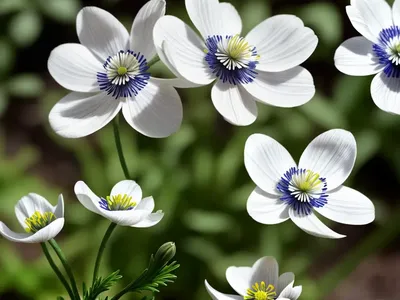
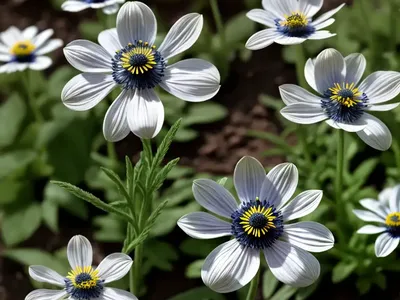
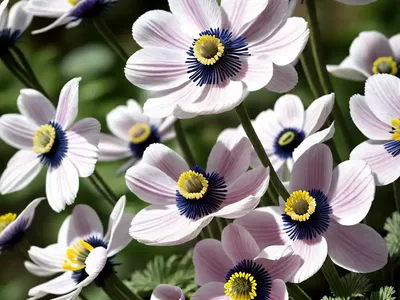
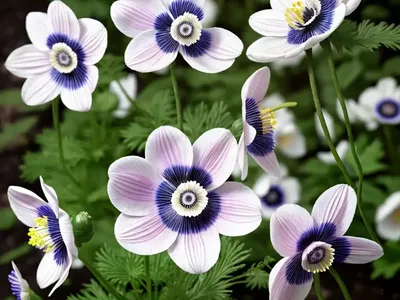
Anemone tomentosa ‘Robustissima’ is a herbaceous perennial that belongs to the Ranunculaceae family. This plant is native to Japan and China, where it thrives in woodland edges and moist meadows. It is known for its clump-forming habit and delicate, pinkish-purple flowers that bloom in late summer and early fall. The common name “Japanese Anemone” reflects its origin and its popularity in Japanese gardens.
Key Takeaways
Before we delve into the specifics of cultivating and caring for Anemone tomentosa ‘Robustissima’, let’s highlight some key takeaways about this captivating plant:
- Common Name: Japanese Anemone
- Botanical Name: Anemone tomentosa ‘Robustissima’
- Family: Ranunculaceae
- Native Range: Japan, China
- Bloom Time: Late summer to early fall
- Flower Color: Pinkish-purple
- Growth Habit: Clump-forming perennial
Now that we have an overview of Japanese Anemone, let’s explore its cultivation, care requirements, and its versatile uses in garden landscapes.
Culture
Cultivating Anemone tomentosa ‘Robustissima’ requires attention to its specific cultural needs to ensure it thrives and produces its characteristic beautiful blooms. Let’s break down the key aspects of its culture.
Uses
Japanese Anemone is a versatile plant that can be used in various garden settings to add visual interest and elegance. The following are some common uses of Anemone tomentosa ‘Robustissima’ in landscaping:
- Borders: The plant’s tall, swaying stems and delicate flowers make it an excellent choice for border plantings.
- Woodland Gardens: Due to its natural habitat and aesthetic, Japanese Anemone complements woodland garden settings, adding a touch of grace.
- Mixed Perennial Beds: It can be combined with other perennials to create stunning mixed beds, providing late-season color and texture.
- Container Planting: Japanese Anemone can be grown in containers, accentuating patios, decks, or balconies with its graceful blooms.
- Cut Flowers: The flowers make charming additions to cut flower arrangements, bringing a touch of the garden indoors.
Water
Japanese Anemone thrives in consistently moist soil, particularly during the growing season. Adequate water is essential for healthy growth and prolific flowering. However, it is crucial to avoid waterlogging, as excessively wet soil can lead to root rot and other issues. Therefore, regular watering that allows the soil to remain consistently moist but not waterlogged is ideal for this plant.
Sunlight
In terms of sunlight requirements, Japanese Anemone prefers partial shade to full sun. In regions with hot summers, providing some afternoon shade can prevent the plant from wilting and help prolong the bloom time. Selecting a location with dappled sunlight or morning sun and afternoon shade can create an optimal growing environment for this plant.
Fertilizer
When it comes to fertilizing Japanese Anemone, a balanced, slow-release fertilizer can be applied in early spring as new growth emerges. Alternatively, incorporating organic matter such as compost into the soil during planting can provide essential nutrients for the plant’s growth. A top dressing of compost or well-aged manure around the base of the plant in spring can also help maintain soil fertility and support healthy growth.
Soil
Japanese Anemone thrives in humus-rich, well-draining soil. Loamy soil with a slightly acidic to neutral pH is ideal for this plant. Amending the soil with organic matter such as compost, leaf mold, or well-rotted manure can improve its texture and fertility, creating an optimal growing medium for Japanese Anemone.
Pruning
Pruning Japanese Anemone is essential to maintain its vigor, shape, and control its spread. Here are key pruning tips for this plant:
- Spring Pruning: In late winter to early spring, prune back the previous year’s growth to ground level to encourage new shoots and tidy up the plant.
- Deadheading: Remove spent flowers to promote continuous blooming and prevent self-seeding.
Propagation
Propagating Anemone tomentosa ‘Robustissima’ can be achieved through several methods, including division, seeds, and stem cuttings. Each propagation method offers unique advantages and considerations.
Division
Dividing Japanese Anemone is a common and effective method of propagation. Here’s a basic guide to division:
- Timing: Division is best done in early spring as new growth begins to emerge.
- Process: Dig up the plant and gently separate the root clumps, ensuring each division has several healthy shoots and a portion of the root system.
- Replanting: Transplant the divisions into prepared soil, water them thoroughly, and monitor their growth as they establish themselves.
Seeds
While Japanese Anemone can be propagated from seeds, it’s essential to note that the resulting plants may not retain the exact characteristics of the parent plant. If you are interested in propagating from seeds, here are basic guidelines:
- Seed Collection: Harvest mature seeds from the plant. Allow the seedheads to dry on the plant and collect the seeds when they are fully developed.
- Sowing: Sow the seeds in a prepared seedbed in early spring or late summer. Keep the soil consistently moist until the seeds germinate and the seedlings establish themselves.
Stem Cuttings
Propagating Japanese Anemone from stem cuttings can be a rewarding method to maintain specific characteristics of the parent plant. Here’s a basic outline for stem cutting propagation:
- Cutting Preparation: Take 4-6 inch cuttings from healthy, non-flowering shoots.
- Rooting Medium: Dip the cut ends in a rooting hormone and plant them in a prepared rooting medium, such as a mix of perlite and peat moss.
- Rooting Conditions: Keep the cuttings in a warm, humid environment, providing bottom heat if possible, to encourage root development.
- Transplanting: Once the cuttings have developed roots, they can be transplanted into individual pots or directly into the garden.
Container Popularity
Japanese Anemone’s elegant appearance and low-maintenance nature make it a popular choice for container gardening. Its tall, swaying stems and delicate blooms bring vertical interest and grace to container plantings. When growing Japanese Anemone in containers, it’s important to select a large enough pot to accommodate its root system, provide adequate drainage, and use a well-draining potting mix. Placing the container in a location with dappled sunlight or morning sun and afternoon shade can help create a conducive environment for the plant.
Common Diseases
Like many plants, Anemone tomentosa ‘Robustissima’ is susceptible to certain diseases that can affect its health and vigor. Understanding common diseases and their prevention measures is crucial for maintaining the plant’s vitality.
Disease Diagnosis
Some common diseases that can affect Japanese Anemone include:
- Powdery Mildew: Characterized by a powdery, white coating on the leaves, powdery mildew can affect the plant, particularly in humid and crowded growing conditions.
- Leaf Spot: Leaf spot diseases can cause dark, irregular spots or lesions on the foliage, potentially leading to leaf yellowing and premature dropping.
- Crown Rot: Excessive soil moisture or poor drainage can lead to crown rot, which can manifest as wilting, yellowing, and decay of the plant’s crown and roots.
Diagnosing these diseases early and implementing appropriate measures is crucial for preventing their spread and minimizing their impact on the plant.
Common Pests
In addition to diseases, Japanese Anemone can be vulnerable to certain pests that can affect its growth and overall health. Being vigilant for signs of pest infestations and taking timely action are essential for preserving the plant’s vitality.
Some common pests that can affect Japanese Anemone include:
- Aphids: These sap-sucking insects can cluster on the undersides of leaves, causing distorted growth and potentially spreading viral diseases.
- Spider Mites: Spider mites can cause stippling and discoloration of the leaves, leading to reduced vigor and, in severe cases, defoliation.
- Slugs and Snails: These mollusks can feed on the foliage and flowers, leaving behind ragged edges and holes in the leaves.
Implementing cultural control measures and, if necessary, targeted treatments can help manage pest infestations and protect the plant from damage.
Botanist’s Tips
As a plant scientist with a passion for Anemone tomentosa ‘Robustissima’, I’d like to share some expert tips to help fellow gardeners cultivate and appreciate this captivating plant to the fullest:
- Companion Planting: Pair Japanese Anemone with other shade-loving perennials such as hostas, ferns, and astilbes to create visually striking combinations and enhance the overall garden aesthetic.
- Wildlife Gardening: Japanese Anemone’s nectar-rich flowers attract butterflies, bees, and other pollinators, making it a valuable addition to wildlife-friendly gardens.
- Seasonal Interest: Incorporate Japanese Anemone into the garden design to provide late-season color and interest, bridging the gap between summer and fall blooming plants.
- Mulching: Applying a layer of organic mulch around the base of the plant can help retain soil moisture, suppress weeds, and provide insulation to the roots during temperature fluctuations.
Fun Facts
To further develop your appreciation for Japanese Anemone, here are some intriguing and enjoyable facts about this captivating plant:
- Japanese Anemone has been cultivated in gardens for over a century, and its enduring popularity is a testament to its timeless appeal.
- Though the species name “tomentosa” refers to the plant’s slightly hairy or woolly leaves and stems, it adds a textural dimension to its overall appearance.
- In addition to its ornamental value, Japanese Anemone has historical and medicinal uses in traditional herbal remedies.
Links to External Resources
For additional information and resources on Anemone tomentosa ‘Robustissima’ and related topics, I recommend exploring the following resources:
- Royal Horticultural Society – Anemone tomentosa ‘Robustissima’
- Missouri Botanical Garden – Anemone tomentosa
- The Spruce – Growing Japanese Anemones in Your Garden
In conclusion, Anemone tomentosa ‘Robustissima’ (Japanese Anemone) is a captivating perennial with elegant flowers and a graceful presence in the garden landscape. By understanding its cultural requirements, care tips, and versatile uses, gardeners can confidently cultivate and enjoy the beauty of this remarkable plant throughout the growing season. Whether adorning borders, woodland gardens, or containers, Japanese Anemone adds a touch of enchantment to any garden space, making it a cherished addition for both experienced and novice gardeners alike.