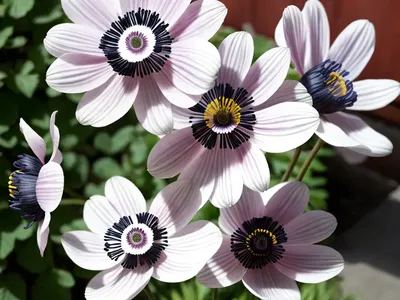
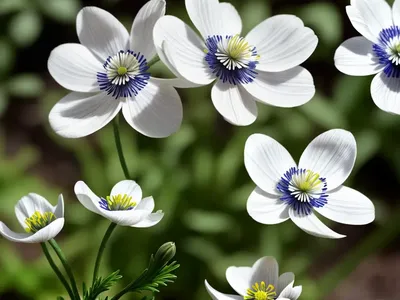
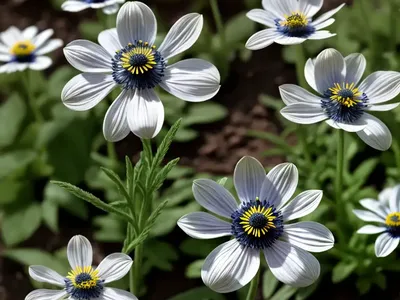
Anemone Sylvestris (Snowdrop Anemone)
Anemone sylvestris, commonly known as Snowdrop Anemone, is a charming and graceful perennial flower that belongs to the Ranunculaceae family. This.
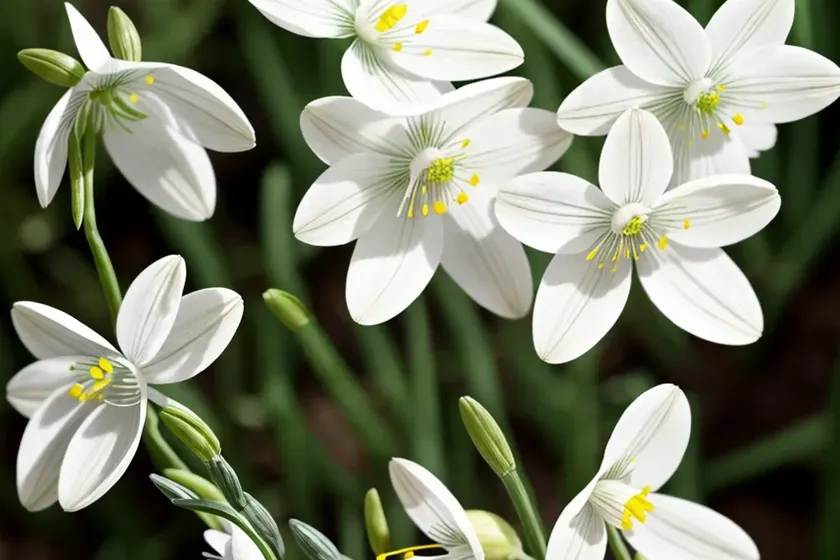
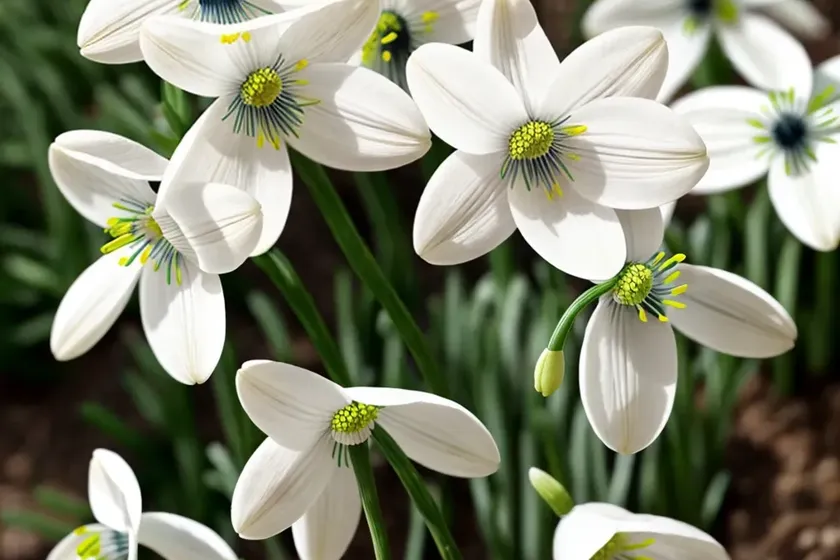
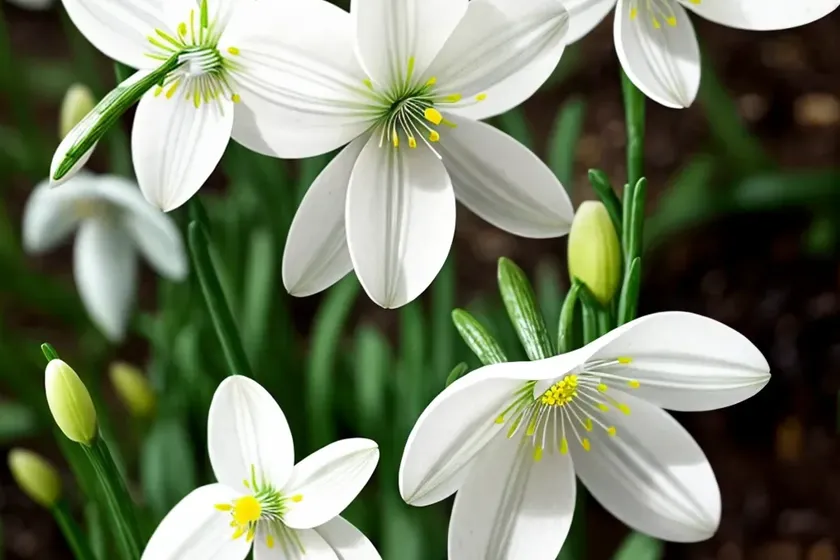
Anemone sylvestris, commonly known as Snowdrop Anemone, is a charming and graceful perennial flower that belongs to the Ranunculaceae family. This beautiful plant is native to Europe and Asia, and it is cherished for its delicate white flowers that resemble snowdrops. In this comprehensive guide, we will explore the fascinating world of Anemone sylvestris, from its description and cultivation to its uses in landscapes and gardens. We will also delve into its natural habitat, propagation methods, and essential care tips to help you cultivate and appreciate this stunning plant to the fullest.
When considering Anemone sylvestris, it is crucial to understand its unique characteristics, growth requirements, and potential uses in various settings. From its stunning symbolism to its role in attracting wildlife, there is much to uncover about this enchanting species. Additionally, we will discuss its cultural significance, medicinal uses, and landscape design applications, providing a well-rounded perspective on this remarkable plant.
Let’s embark on a journey to discover the wonders of Anemone sylvestris, also known as Snowdrop Anemone, and gain valuable insights into its care, maintenance, and ecological importance.
Key Takeaways – Anemone sylvestris (Snowdrop Anemone)
Before we delve into the specifics of Snowdrop Anemone, let’s take a moment to highlight the key takeaways that we will explore in detail throughout this guide:
- Description: Understanding the physical attributes and characteristics of Anemone sylvestris.
- Growing Snowdrop Anemone: Exploring the essential requirements for successful cultivation.
- Snowdrop Anemone Care: Providing insights into the proper care and maintenance of this species.
- Facts: Uncovering interesting and lesser-known facts about Anemone sylvestris.
- Varieties: Discovering the different varieties and cultivars of Snowdrop Anemone.
- Planting Tips: Offering practical tips for planting and establishing Anemone sylvestris.
- Natural Habitat: Exploring the native environment and habitat of Snowdrop Anemone.
- Propagation: Discussing the various methods for propagating Anemone sylvestris.
- Bloom Time: Understanding the blooming season and floral display of this captivating plant.
- Seeds: Exploring the characteristics and propagation potential of Snowdrop Anemone seeds.
- Planting Guide: Providing a comprehensive guide for successfully planting Anemone sylvestris.
- Symbolism: Uncovering the symbolic meanings associated with Snowdrop Anemone.
- Pollen: Understanding the pollen characteristics and significance of this species.
- Medicinal Uses: Exploring the potential medicinal properties and applications of Anemone sylvestris.
- Common Names: Discovering the various common names used to refer to Snowdrop Anemone.
- Pest Control: Understanding and managing common pests that may affect Anemone sylvestris.
- Wildlife Habitat: Exploring the role of Snowdrop Anemone in attracting and supporting wildlife.
- Companion Plants: Identifying suitable companion plants to grow alongside Anemone sylvestris.
- Landscape Uses: Discussing the potential design and landscaping applications of this species.
- Color Variations: Exploring the diverse color variations and selections available for Snowdrop Anemone.
- Growth Stages: Understanding the various growth stages and development of Anemone sylvestris.
- Blooming Season: Identifying the specific seasons when Snowdrop Anemone displays its vibrant blooms.
- Climate Requirements: Exploring the climatic conditions that are conducive to the growth of this plant.
- Planting Depth: Providing guidance on the ideal planting depth for Anemone sylvestris.
- Maintenance Tips: Offering practical tips for the ongoing maintenance and care of this species.
- Water Needs: Understanding the specific water requirements for cultivating Snowdrop Anemone.
- Pruning Techniques: Exploring the best practices for pruning and shaping Anemone sylvestris.
- Perennial Flower: Highlighting the perennial nature of Snowdrop Anemone and its long-term flowering capabilities.
- Flowering Period: Understanding the duration and patterns of the flowering period for this species.
- Soil Conditions: Identifying the optimal soil conditions and requirements for Anemone sylvestris.
- Sun Exposure: Understanding the sunlight and shade preferences of Snowdrop Anemone.
- Fertilization: Exploring the role of fertilization in promoting the growth and vitality of this plant.
- Landscape Design: Discussing the potential design and landscaping opportunities with Anemone sylvestris.
- Growing Zones: Identifying the specific growing zones where this species thrives.
- Wildlife Attractor: Exploring the ecological significance of Snowdrop Anemone as a wildlife attractor.
- Pollination: Understanding the pollination process and ecological interactions of this plant.
- Container Gardening: Providing insights into cultivating Anemone sylvestris in containers and pots.
- Seasonal Care: Offering specific care tips for different seasons to ensure the continued health of this plant.
- Cold Hardiness: Understanding the cold tolerance and resilience of Snowdrop Anemone.
- Disease Resistance: Exploring the natural resistance and management of diseases affecting this species.
- Root System: Understanding the characteristics and growth pattern of the root system of Anemone sylvestris.
- Fall Planting: Exploring the potential for planting Snowdrop Anemone in the fall season.
- Winter Protection: Providing guidance on protecting and ensuring the survival of this species during winter.
- Spring Growth: Understanding the early growth and developmental patterns of Anemone sylvestris.
- Naturalizing: Exploring the potential for this species to naturalize and thrive in outdoor settings.
- Cut Flowers: Highlighting the ornamental and decorative potential of Snowdrop Anemone as a cut flower.
- Propagation Methods: Discussing the various techniques and approaches to propagating Anemone sylvestris.
- Garden Design: Identifying the potential design and landscaping applications of this species.
These key takeaways will guide our exploration of Anemone sylvestris, allowing for a comprehensive and detailed understanding of this captivating plant. Let’s begin our journey by delving into the description of Snowdrop Anemone, understanding its physical attributes and unique characteristics.
Description of Anemone sylvestris (Snowdrop Anemone)
Anemone sylvestris, commonly known as Snowdrop Anemone or Snowdrop Windflower, is a herbaceous perennial plant valued for its elegant, cup-shaped white flowers and delicate foliage. This enchanting species typically reaches a height of 12 to 18 inches (30 to 45 cm) and forms clumps of lush green leaves, creating a visually appealing presence in gardens and landscapes.
Physical Attributes
- Flowers: The flowers of Anemone sylvestris are characterized by their white petals and bright yellow stamens, creating a striking contrast and adding a touch of vibrancy to the garden landscape. The blooms are reminiscent of snowdrops, inspiring the common name “Snowdrop Anemone.”
- Leaves: The foliage of Snowdrop Anemone consists of deeply lobed, palmate leaves that provide an attractive backdrop to the delicate flowers. The rich green color of the leaves enhances the overall aesthetic appeal of this plant.
- Stems: The slender and erect stems of Anemone sylvestris elevate the blooms, allowing them to sway and dance gracefully in the breeze, adding a sense of movement and liveliness to the garden.
Growing Snowdrop Anemone
Cultivating Anemone sylvestris requires attention to its specific cultural needs and growing preferences. By providing the optimal conditions, you can ensure the healthy development and abundant flowering of this captivating species.
Culture
- Hardiness: Snowdrop Anemone is well-suited to temperate and cooler climates, thriving in USDA hardiness zones 4-8. It exhibits resilience to moderately cold temperatures, making it a suitable choice for gardens in these regions.
- Growth Habit: This species adopts a clump-forming growth habit, creating a graceful and compact presence within the garden landscape. The clumps gradually expand over time, contributing to a natural and charming aesthetic.
- Drought Tolerance: Anemone sylvestris demonstrates a degree of tolerance to dry conditions once established, making it an adaptable choice for gardens with varying moisture levels.
- Deer Resistance: Snowdrop Anemone is known for its resistance to deer browsing, making it a valuable addition to landscapes where deer may be prevalent.
Uses
The versatile nature of Anemone sylvestris allows for various uses and applications, ranging from ornamental landscaping to ecological significance and potential medicinal uses.
- Ornamental Value: Snowdrop Anemone serves as a captivating ornamental plant, adding a touch of elegance and charm to borders, woodland gardens, and perennial beds. Its delicate flowers and lush foliage make it a desirable choice for enhancing the visual appeal of outdoor spaces.
- Wildlife Attraction: The nectar-rich blooms of Anemone sylvestris attract pollinators such as bees and butterflies, contributing to the ecological vitality of the garden environment and supporting local wildlife populations.
- Medicinal Potential: While primarily valued for its ornamental attributes, Anemone sylvestris has historical significance in traditional medicine, with potential applications in herbal remedies and natural healing practices.
Next, we will explore the essential requirements for successfully cultivating Anemone sylvestris, including its needs for water, sunlight, fertilizer, soil, and pruning.
Water
Proper watering is essential for the healthy growth and development of Snowdrop Anemone, especially during its initial establishment and active growing periods.
- Establishment: Newly planted Anemone sylvestris should be watered consistently to aid in root establishment and ensure adequate moisture levels for the young plants.
- Growing Season: Throughout the active growing season, regular watering is necessary, particularly during dry periods. A consistent and moderate level of moisture supports the robust growth and flowering of Snowdrop Anemone.
- Winter Care: While Snowdrop Anemone exhibits some drought tolerance, providing supplemental water before the onset of winter can help to fortify the plants and ensure their vigor during the colder months.
Sunlight
Understanding the sunlight preferences of Anemone sylvestris is crucial for optimal growth and flowering.
- Light Requirements: Snowdrop Anemone thrives in partial shade to full sun, displaying adaptability to varying light conditions. In regions with intense summer heat, providing afternoon shade can help protect the plants and prevent stress from excessive sunlight.
- Shade Tolerance: While adaptable to full sun, Anemone sylvestris also demonstrates tolerance to partial shade, making it a versatile choice for a range of garden settings.
Fertilizer
Applying appropriate fertilization can enhance the vigor and blooming potential of Snowdrop Anemone, providing the necessary nutrients for healthy growth.
- Fertilizer Type: A balanced, granular fertilizer with a relatively equal ratio of nitrogen, phosphorus, and potassium can support the overall health and vitality of Anemone sylvestris.
- Application Timing: Fertilizer can be applied in early spring as new growth emerges, aiding in the development of healthy foliage and robust flowering. An additional application in late spring can further bolster the plants for the upcoming flowering season.
Soil
Understanding the soil preferences of Anemone sylvestris is crucial for creating an optimal growing environment for this species.
- Well-Drained Soil: Snowdrop Anemone thrives in well-drained, fertile soil that allows excess moisture to escape, preventing waterlogging and potential root rot.
- Soil pH: Slightly acidic to neutral soil with a pH range of 6.0 to 7.0 is preferred for Anemone sylvestris, providing an ideal foundation for healthy growth and flowering.
- Organic Matter: Incorporating organic matter such as compost or well-rotted manure into the soil can improve its structure and fertility, benefiting the overall health of the plants.
Pruning
Pruning Anemone sylvestris is essential for maintaining its appearance, promoting air circulation, and enhancing flowering potential.
- Spring Pruning: In early spring, removing any dead or damaged foliage and stems can rejuvenate the plants and encourage new growth. Pruning at this time also allows for the identification of emerging shoots and can aid in shaping the overall form of Snowdrop Anemone.
We have established the essential cultural requirements for Anemone sylvestris, ensuring a strong foundation for its successful cultivation. Now, let’s delve into the propagation methods, including seed propagation and division, to expand the presence of this captivating species in the garden.
Propagation
Snowdrop Anemone can be propagated through various methods, allowing for the expansion of its presence within the landscape.
Seed Propagation
- Seed Collection: Collecting mature seeds from the seed heads of Anemone sylvestris in late summer to early fall can provide the starting material for seed propagation. The seeds are generally dark in color and can be harvested once they have fully developed.
- Seed Sowing: Sow the collected seeds in prepared seed trays or pots filled with a well-draining, soilless seed starting mix. Lightly cover the seeds with a thin layer of the growing medium and maintain consistent moisture levels to support germination.
- Germination Time: Snowdrop Anemone seeds typically germinate within two to four weeks under optimal conditions, with the emergence of delicate seedlings marking the initial stages of growth.
- Transplanting: Once the seedlings have developed several sets of true leaves and are large enough to handle, they can be carefully transplanted into individual pots or directly into the garden soil, allowing them to continue their development and growth.
Division
- Division Timing: Dividing established clumps of Anemone sylvestris is best carried out in early spring or early fall when the plants are not actively flowering. This allows for the successful division and transplantation of the segments while minimizing disturbance to the blooming cycle.
- Segment Separation: Carefully dig up the mature clumps of Snowdrop Anemone and separate them into smaller segments, ensuring that each division possesses a viable portion of roots and shoots to support its growth.
- Transplanting Divisions: Plant the separated divisions in prepared garden beds or containers, providing adequate moisture and shade to support their initial establishment. Regular watering and gentle care can encourage the newly transplanted divisions to thrive and grow into mature plants.
By understanding the propagation techniques and methods for Anemone sylvestris, gardeners can expand and perpetuate the presence of this captivating species, enriching their outdoor spaces with its beauty and allure.
Container Popularity
Snowdrop Anemone’s adaptability to container cultivation makes it a popular choice for gardeners seeking to introduce this enchanting species to their outdoor living spaces, balconies, or patios.
- Container Selection: Choose well-draining containers or pots that allow excess moisture to escape, preventing waterlogging and promoting healthy root development.
- Soil Medium: Fill the containers with a quality, well-draining potting mix that provides the necessary support and nutrients for Anemone sylvestris.
- Placement: Position the containers in locations that provide the preferred light conditions for Snowdrop Anemone, ensuring that the plants receive adequate sunlight or partial shade as needed.
- Maintenance: Regular watering, occasional fertilization, and attentive care can support the healthy growth and flowering of Snowdrop Anemone in containers, creating a delightful focal point in outdoor living spaces.
The adaptability and appeal of Anemone sylvestris in container cultivation offer gardeners the opportunity to enjoy its beauty and elegance in a range of outdoor settings.
Understanding the potential diseases and pest issues that may affect Anemone sylvestris is crucial for maintaining the health and vitality of this species and ensuring its successful cultivation. Let’s explore the common diseases, pests, and methods for diagnosis and control.
Common Diseases
Anemone sylvestris is generally resilient to diseases, with proper cultural care and maintenance serving as effective preventive measures against potential issues.
- Powdery Mildew: In humid or poorly ventilated conditions, Snowdrop Anemone may be susceptible to powdery mildew, characterized by the development of powdery white fungal growth on the leaves and stems.
- Crown Rot: Excessive moisture or waterlogging can lead to the development of crown rot in Anemone sylvestris, causing the base of the plant to become discolored and decayed.
- Leaf Spot: Environmental stress or prolonged periods of wet conditions can result in the occurrence of leaf spot, leading to the formation of dark, irregular lesions on the foliage of Snowdrop Anemone.
Disease Diagnosis
Early detection and diagnosis of potential diseases can aid in implementing appropriate measures for preventing and addressing issues that may affect Anemone sylvestris.
- Visual Symptoms: Careful observation of the plant’s foliage and stems can help in identifying any irregularities, discolorations, or abnormal growth patterns that may indicate the presence of a disease.
- Professional Consultation: In cases where disease symptoms are observed, seeking the guidance of a plant healthcare professional can help in accurate diagnosis and the implementation of targeted treatment strategies.
Common Pests
While relatively resistant to pest infestations, Anemone sylvestris may encounter certain pests that can affect its health and vigor.
- Aphids: Soft-bodied aphids may occasionally infest the tender shoots and flower buds of Snowdrop Anemone, causing distortion and damage to the plant tissues.
- Slugs and Snails: These mollusks may feed on the foliage and tender stems of Anemone sylvestris, leaving behind characteristic feeding damage and holes on the leaves.
- Spider Mites: In hot and dry conditions, spider mites may target Snowdrop Anemone, causing stippling and discoloration of the leaves through their feeding activities.
Pest Control
Implementing effective pest control measures can help mitigate the impact of potential pest issues and safeguard the health of Anemone sylvestris.
- Cultural Practices: Applying proper cultural care, including regular watering, adequate air circulation, and appropriate plant spacing, can minimize conditions favorable to pest infestations.
- Mechanical Control: Hand-picking pests such as slugs and snails, as well as spraying aphids off the plants with a strong jet of water, can provide immediate relief and help manage pest populations.
- Organic Sprays: Natural and organic insecticidal soaps or neem oil formulations can be used to treat and control aphids, spider mites, and other soft-bodied pests, providing targeted and environmentally friendly solutions.
Understanding the potential diseases and pest issues, as well as the methods for diagnosis and control, empowers gardeners to protect the health and vitality of Anemone sylvestris, ensuring its continued success in the garden.
As botanists and plant enthusiasts, we can draw upon our knowledge and experience to offer valuable tips and insights for the successful cultivation and enjoyment of Anemone sylvestris. Let’s explore some essential tips and recommendations to help optimize the care and maintenance of this captivating species.
Botanist’s Tips
As proponents of botanical knowledge and practical expertise, we can provide valuable