Anemone Sylvestris (Anemone Sylvestris)
Anemone sylvestris, commonly known as the snowdrop windflower, is a delicate and charming perennial plant. In this extensive guide, we will explore the.
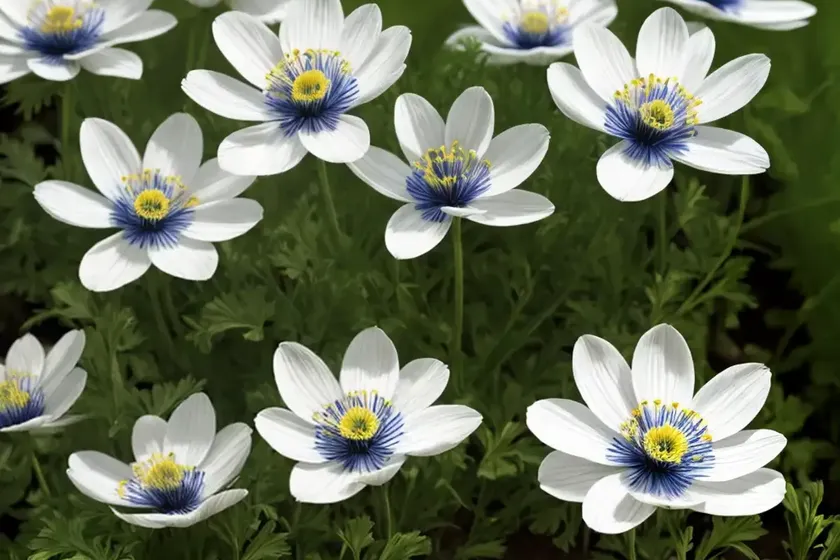
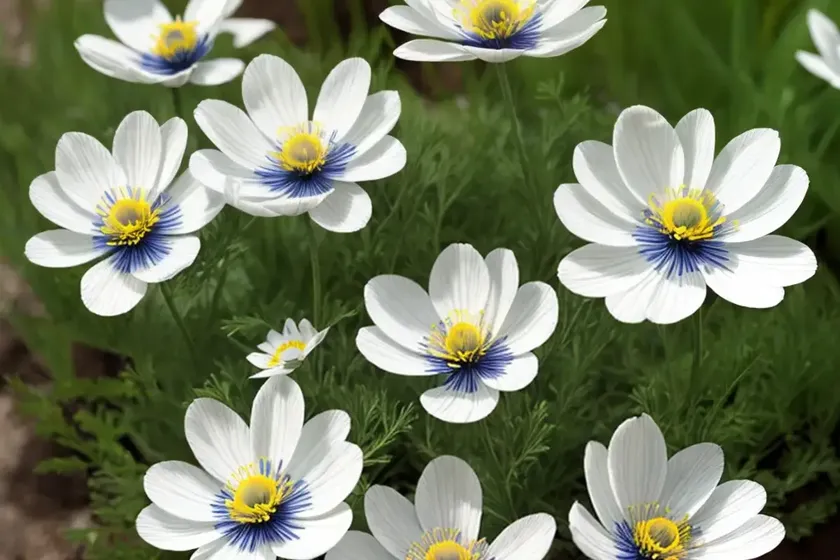
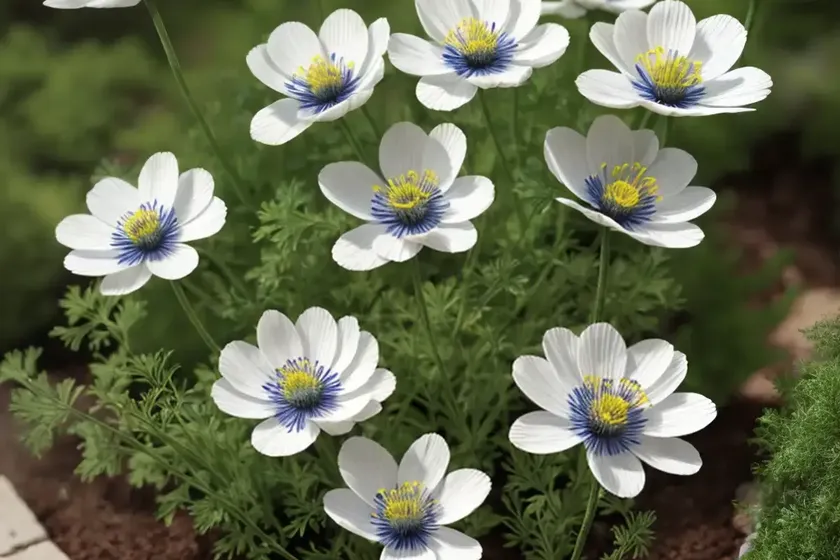
Anemone sylvestris, commonly known as the snowdrop windflower, is a delicate and charming perennial plant. In this extensive guide, we will explore the various aspects of Anemone sylvestris – from its cultural and practical uses to its preferred environmental conditions. Whether you are a seasoned gardener or a novice enthusiast, this comprehensive overview will equip you with the knowledge and expertise needed to cultivate and appreciate the beauty of Anemone sylvestris.
What is Anemone sylvestris?
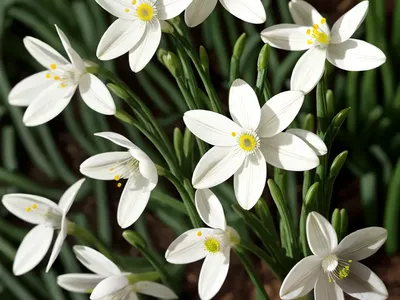
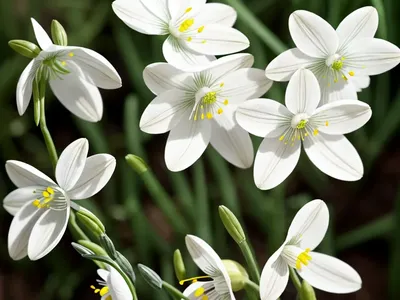
Anemone sylvestris, part of the Anemone genus in the Ranunculaceae family, is a herbaceous perennial plant that is native to Europe and Asia. It is renowned for its dainty, nodding white flowers and finely lobed foliage. This delightful plant typically blooms in late spring to early summer, adding a touch of elegance to gardens and landscapes.
Anemone sylvestris at a Glance
- Common Name: Snowdrop windflower
- Scientific Name: Anemone sylvestris
- Plant Type: Herbaceous perennial
- Native Habitat: Europe and Asia
- Flower Color: White
- Bloom Time: Late spring to early summer
Key Takeaways – Anemone sylvestris
Before delving into the specifics of cultivating Anemone sylvestris, let’s take a quick look at the main highlights and attributes of this enchanting plant.
Culture
- Anemone sylvestris is a highly versatile plant that thrives in a variety of settings, from traditional garden beds to rock gardens.
Uses
- This plant is primarily used for ornamental purposes, embellishing outdoor spaces with its delicate blooms and attractive foliage.
Water
- Anemone sylvestris prefers consistently moist soil, especially during the growing season.
- Adequate watering is essential to support its vigorous growth and prolific blooms.
Sunlight
- While Anemone sylvestris appreciates partial shade, it also thrives in full sun, provided it receives ample moisture.
Fertilizer
- Moderate fertilization during the active growth period can enhance the overall health and vigor of Anemone sylvestris.
Soil
- Well-draining, fertile soil is ideal for cultivating Anemone sylvestris.
- The plant exhibits its best performance in humus-rich soil.
Pruning
- Routine deadheading and minimal pruning help maintain the plant’s appearance and encourage continuous flowering.
Propagation
- Anemone sylvestris can be propagated through division or by sowing seeds, offering gardeners multiple options for expanding their plant collection.
Container Popularity
- The compact growth habit of Anemone sylvestris makes it well-suited for container gardening, allowing for versatile placement in outdoor spaces.
Common Diseases
- Anemone sylvestris may be susceptible to certain fungal diseases such as powdery mildew, especially in humid conditions.
Disease Diagnosis
- Vigilant monitoring for signs of disease and prompt intervention are crucial in maintaining the health and vitality of Anemone sylvestris.
Common Pests
- Aphids and spider mites are potential pests that may affect Anemone sylvestris, requiring effective pest control measures when necessary.
Botanist’s Tips
- This section provides invaluable insights and recommendations for effectively growing and caring for Anemone sylvestris.
Fun Facts
- Discover intriguing and little-known facts about Anemone sylvestris, shedding light on its unique characteristics and cultural significance.
Links to External Resources
- Access a curated list of reputable sources and external references for further exploration of Anemone sylvestris.
Anemone sylvestris Care: A Comprehensive Guide
Anemone sylvestris Growing Tips
Cultivating Anemone sylvestris can be a highly rewarding experience, provided that the plant’s specific requirements are met. Here are some essential growing tips to ensure the optimal development and flourishing of Anemone sylvestris:
Planting Guide
- When planting Anemone sylvestris, select a site with well-draining soil and partial shade, ensuring that the plant receives sufficient sunlight and moisture.
- The recommended planting depth for the crown of Anemone sylvestris is approximately 1-2 inches (2.5-5 cm).
Sunlight Requirements
- Anemone sylvestris thrives in partial shade, particularly in regions with warmer climates.
- In cooler climates, the plant can tolerate full sun, provided that adequate moisture is maintained.
Water Needs
- Maintain consistently moist soil, especially during the growing season, to support the vigorous growth and lush foliage of Anemone sylvestris.
- Avoid overwatering, as excessive moisture can lead to root rot and other detrimental conditions.
Soil Preferences
- Anemone sylvestris prefers well-draining, fertile soil enriched with organic matter.
- A slightly acidic to neutral pH level (6.0-7.0) is ideal for promoting the plant’s optimal growth and nutrient uptake.
Pruning Techniques
- As the flowers of Anemone sylvestris fade, promptly remove the spent blooms to encourage continuous flowering and maintain a tidy appearance.
- In late fall or early spring, prune back the foliage to ground level to rejuvenate the plant and promote healthy regrowth.
Fertilization Tips
- Apply a balanced, slow-release fertilizer in early spring to provide the necessary nutrients for robust growth and prolific flowering.
- Avoid excessive fertilization, as this may lead to excessive foliage growth at the expense of flower production.
Anemone sylvestris Propagation Methods
Anemone sylvestris can be propagated through various methods, allowing gardeners to expand their plant collection and share the beauty of this charming perennial.
Division
- Divide mature clumps of Anemone sylvestris in early spring or late summer to create new plants and rejuvenate the existing ones.
- Carefully separate the plant into smaller sections, ensuring that each division has a sufficient root system and healthy growth points.
Seed Collection
- Collect mature seeds from the seed heads of Anemone sylvestris after the flowering period.
- Sow the seeds in a well-prepared seedbed or containers, ensuring adequate moisture and protection from extreme temperatures.
Anemone sylvestris Disease Prevention
Ensuring the health and vitality of Anemone sylvestris involves proactive disease prevention measures and attentive care.
Powdery Mildew Prevention
- Provide ample air circulation around the plant by avoiding overcrowding and spacing Anemone sylvestris appropriately.
- Minimize overhead watering to reduce humidity levels and create an environment less conducive to powdery mildew development.
Anemone sylvestris Companion Plants
Selecting suitable companion plants for Anemone sylvestris can enhance the visual appeal and overall harmony of garden landscapes. Here are some compatible options to consider:
Spring Blooming Companions
- Plant Anemone sylvestris alongside early-blooming bulbs such as daffodils and tulips to create a vibrant and dynamic spring display.
- Pairing it with the delicate blooms of bleeding heart (Dicentra spectabilis) can create a captivating contrast in texture and form.
Anemone sylvestris Seasonal Blooming
Understanding the seasonal blooming patterns of Anemone sylvestris allows gardeners to anticipate and appreciate its fleeting yet breathtaking displays.
Late Spring to Early Summer
- Anemone sylvestris typically blooms from late spring to early summer, gracing the garden with its charming white flowers and elegant presence.
Winter Care
- In regions with harsh winters, provide a layer of mulch to insulate the roots of Anemone sylvestris and protect them from extreme cold.
Anemone sylvestris Location Selection
Strategic location selection plays a crucial role in promoting the well-being and optimal growth of Anemone sylvestris.
Garden Design Ideas
- Incorporate Anemone sylvestris in mixed perennial borders, woodland gardens, or naturalized settings to add a touch of grace and allure.
Landscape Integration
- Utilize the delicate beauty of Anemone sylvestris to soften hardscapes and infuse natural charm into urban or formal landscapes.
Outdoor Decoration
- Enhance outdoor spaces with the ethereal beauty of Anemone sylvestris, utilizing its graceful blooms and foliage in outdoor decor and landscaping features.
Anemone sylvestris: A Botanical Overview
Botanical Information
Anemone sylvestris, with its captivating form and delicate blooms, showcases a fascinating array of botanical characteristics.
Scientific Classification
- Kingdom: Plantae
- Phylum: Angiosperms
- Class: Eudicots
- Order: Ranunculales
- Family: Ranunculaceae
- Genus: Anemone
- Species: Anemone sylvestris
Plant Anatomy
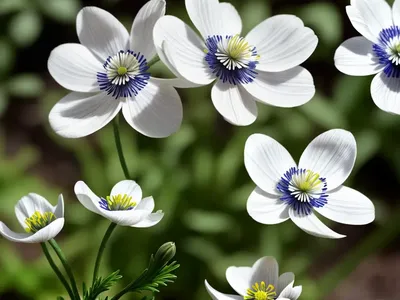
- Flower Morphology: Nodding white flowers with yellow centers, approximately 1-2 inches (2.5-5 cm) wide.
- Leaf Structure: Finely lobed, deeply cut leaves with a lush green color and an elegant, delicate appearance.
- Root System: Anemone sylvestris forms a fibrous root system that supports its vigorous growth and adaptation to various soil conditions.
Indigenous Habitat
Anemone sylvestris naturally thrives in specific habitats, reflecting its adaptation to diverse ecological niches and environments.
Natural Habitat
- Anemone sylvestris is native to open woodlands, meadows, and grassy slopes in Europe and Asia, where it flourishes in partially shaded areas with rich, well-draining soil.
Wildlife Interactions
The ethereal beauty of Anemone sylvestris attracts various pollinators and contributes to the ecological tapestry of its native and cultivated environments.
Pollination Methods
- Bees, butterflies, and other pollinators are attracted to the nectar-rich blooms of Anemone sylvestris, aiding in cross-pollination and reproductive success.
Anemone sylvestris: Garden Photography
Capturing the timeless elegance and delicate allure of Anemone sylvestris through garden photography allows for a deeper appreciation of its botanical and visual splendor.
Anemone sylvestris: The Timeless Delicacy
Anemone sylvestris, with its graceful demeanor and ethereal beauty, embodies the timeless charm of nature’s creations. As we immerse ourselves in the captivating world of Anemone sylvestris, we gain a profound appreciation for the delicate intricacies and enduring allure of this exquisite plant. With the comprehensive insights and practical guidelines provided in this extensive guide, gardeners and enthusiasts alike are empowered to nurture and celebrate the enchanting essence of Anemone sylvestris within their own outdoor havens.
For additional resources and in-depth exploration of Anemone sylvestris, the following links are recommended:
- Royal Horticultural Society – Anemone sylvestris
- Missouri Botanical Garden – Anemone sylvestris
- The Plant List – Anemone sylvestris
By immersing ourselves in the captivating world of Anemone sylvestris, we gain a profound appreciation for the delicate intricacies and enduring allure of this exquisite plant. With the comprehensive insights and practical guidelines provided in this extensive guide, gardeners and enthusiasts alike are empowered to nurture and celebrate the enchanting essence of Anemone sylvestris within their own outdoor havens.
“`