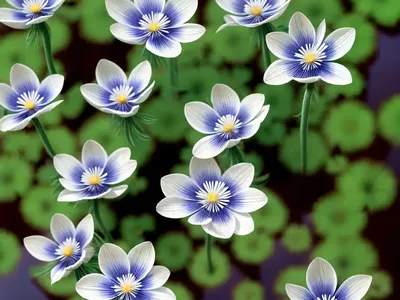
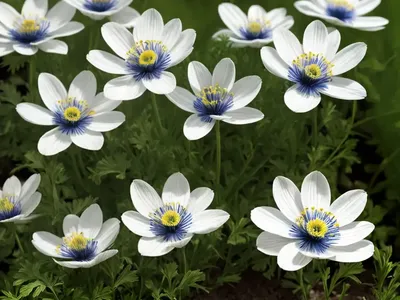
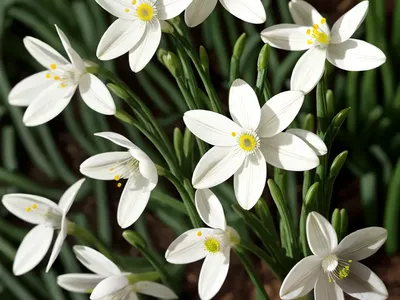
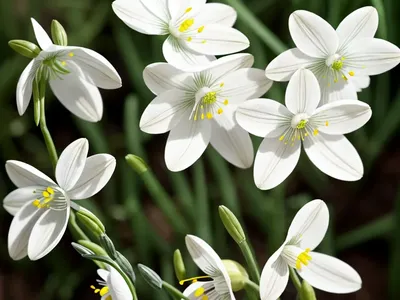
Anemone Ranunculoides (Yellow Wood Anemone)
Anemone ranunculoides, commonly known as Yellow Wood Anemone, is a charming and delicate perennial plant that belongs to the Ranunculaceae family. This.
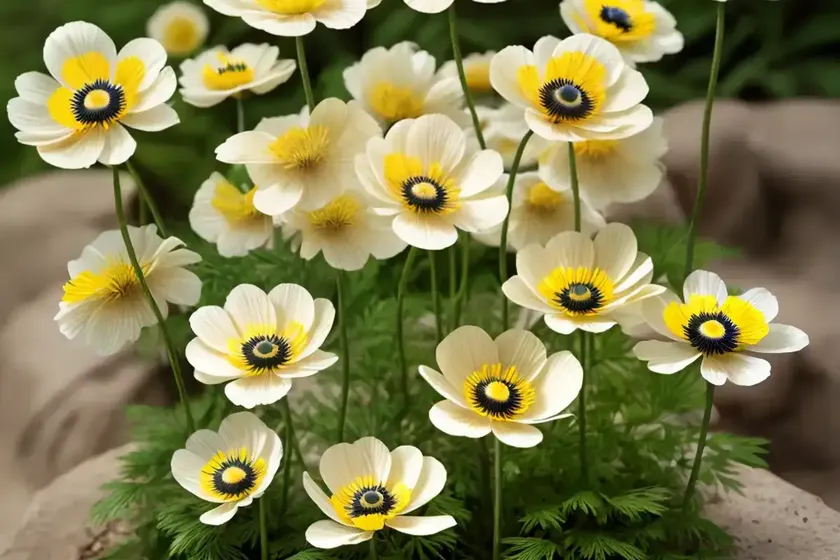
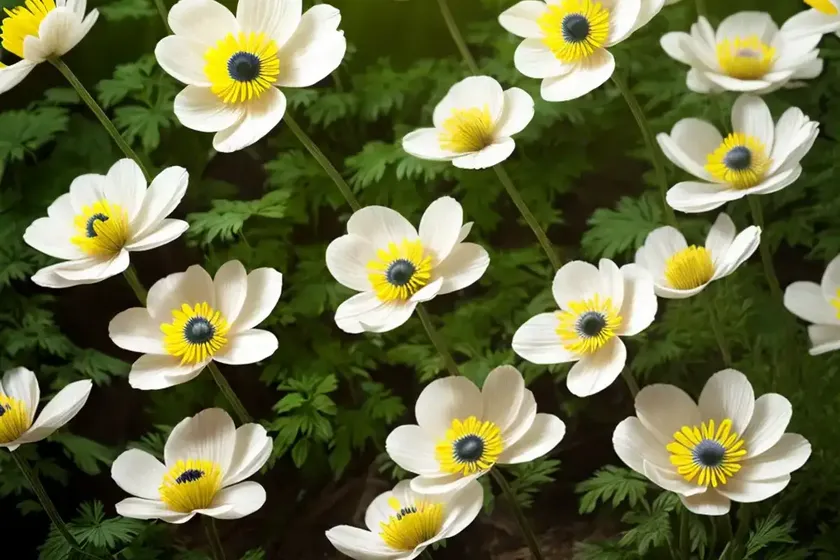
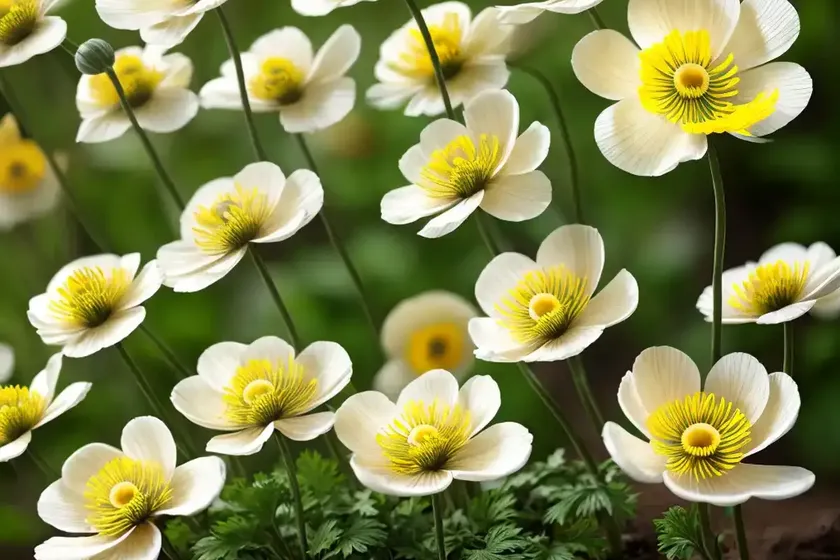
Anemone ranunculoides, commonly known as Yellow Wood Anemone, is a charming and delicate perennial plant that belongs to the Ranunculaceae family. This beautiful wildflower is native to Europe and Western Asia and is known for its bright yellow flowers that bloom in the spring, adding a touch of color to woodland gardens and natural landscapes.
In this article, we will delve into the fascinating world of Anemone ranunculoides, exploring its cultural significance, uses, growing conditions, maintenance tips, and much more. Whether you are a seasoned gardener, a nature enthusiast, or simply captivated by the beauty of Yellow Wood Anemone, this comprehensive guide will provide you with valuable insights into the cultivation and appreciation of this enchanting plant.
Key Takeaways – Anemone ranunculoides (Yellow Wood Anemone)
Before we embark on our journey to discover the intricacies of Yellow Wood Anemone, let’s take a quick look at the key takeaways that we will be exploring in this article:
- Growth Cycle: Understanding the growth and blooming cycles of Anemone ranunculoides.
- Cultural Significance: Exploring the historical and cultural significance of Yellow Wood Anemone.
- Habitat and Ecology: Delving into the natural habitat and ecological role of Anemone ranunculoides.
- Planting and Propagation: Tips and techniques for cultivating and propagating Yellow Wood Anemone.
- Maintenance and Care: Providing the optimal care and maintenance to ensure the health and vibrancy of the plant.
- Landscape Uses: How to incorporate Yellow Wood Anemone in landscape design and gardening.
Now, let’s embark on our exploration of Anemone ranunculoides and unravel the enchanting world of this captivating plant.
What is Anemone ranunculoides (Yellow Wood Anemone)?
Anemone ranunculoides, commonly known as Yellow Wood Anemone, is a species of flowering plant in the buttercup family, Ranunculaceae. This low-growing perennial herbaceous plant is native to Europe and Western Asia, where it can be found thriving in woodlands, meadows, and shady, damp areas. Yellow Wood Anemone is valued for its bright yellow, daisy-like flowers that bloom in the early spring, adding a burst of color to the forest floor.
The plant features deeply divided, palmate leaves and produces solitary, cup-shaped flowers with bright yellow petals and a prominent cluster of golden stamens at the center. The delicate and cheerful appearance of Yellow Wood Anemone has made it a popular choice for woodland gardens, natural landscapes, and shaded borders.
Taxonomical Classification
Let’s take a look at the taxonomical classification of Anemone ranunculoides:
- Kingdom: Plantae
- Clade: Angiosperms
- Clade: Eudicots
- Order: Ranunculales
- Family: Ranunculaceae
- Genus: Anemone
- Species: Anemone ranunculoides
Now that we have a brief understanding of the taxonomy and characteristics of Anemone ranunculoides, let’s explore the various facets of this delightful plant in detail.
Culture
Understanding the cultural significance of Yellow Wood Anemone sheds light on its historical and traditional uses, folklore, and symbolic meanings. This section will delve into the multifaceted cultural aspects associated with Anemone ranunculoides.
Historical and Traditional Uses
Yellow Wood Anemone has a rich history and has been intertwined with various cultural and traditional practices. Its vibrant yellow flowers have made it a symbol of vitality, renewal, and joy in many cultures. In traditional herbal medicine, certain parts of the plant were used for their medicinal properties, although it is important to note that all parts of Anemone ranunculoides are toxic and should not be ingested without professional supervision.
The cheerful and delicate appearance of Yellow Wood Anemone has also contributed to its use in folklore and literature, where it is often depicted as a symbol of happiness, protection, and the arrival of spring. In some cultures, the plant has been associated with ceremonies and rituals celebrating the changing of seasons and the rejuvenation of nature.
Symbolism and Mythology
In addition to its historical uses, Yellow Wood Anemone holds symbolic significance in various traditions and mythologies. The bright yellow flowers of Anemone ranunculoides have been associated with themes of anticipation, anticipation, and the promise of new beginnings. In some mythological tales, the plant is linked to symbols of hope, transformation, and positive energies.
The delicate nature of Yellow Wood Anemone also lends itself to symbolic interpretations, representing fragility, sensitivity, and the beauty of fleeting moments. In garden design and landscaping, Anemone ranunculoides is often used to evoke a sense of whimsy, nostalgia, and a connection to the natural world.
Uses
While Anemone ranunculoides is primarily cherished for its ornamental value and ecological contributions, it is important to explore its diverse uses and applications. From medicinal properties to landscape design, Yellow Wood Anemone offers a range of potential benefits and uses.
Medicinal Properties
In traditional herbal medicine, certain species of Anemone, not exclusive to Anemone ranunculoides, were used for their purported medicinal properties. It is important to note that usage of any plant for medicinal purposes should be approached with caution and under the guidance of a qualified healthcare professional. As with many plants in the Ranunculaceae family, Yellow Wood Anemone contains toxic compounds and should not be used for self-medication.
While isolated compounds from Anemone species have been the subject of scientific research for potential therapeutic applications, the usage of Anemone ranunculoides in contemporary medicine is limited. Caution should be exercised when handling or consuming any part of Anemone ranunculoides due to its toxic nature.
Landscape Design and Gardening
Yellow Wood Anemone’s captivating flowers and graceful foliage make it a delightful addition to woodland gardens, shaded borders, and naturalistic landscapes. Its low-growing habit and preference for partial to full shade make it an excellent choice for adding splashes of color and texture in areas with dappled light.
The plant’s naturalizing tendencies allow it to thrive and form attractive colonies over time, creating a charming and quintessentially woodland atmosphere. When planted in combination with other shade-loving perennials and spring bulbs, Anemone ranunculoides can contribute to a harmonious and ever-changing tapestry of colors and forms in the garden.
Water
Understanding the water needs of Anemone ranunculoides is essential for providing optimal growing conditions and promoting the plant’s health and vigor. In this section, we will explore the watering requirements of Yellow Wood Anemone and provide useful tips for ensuring proper moisture levels.
Water Needs
Anemone ranunculoides thrives in moist, well-drained soil and exhibits moderate water requirements, especially during its active growing season. While the plant appreciates consistent moisture, it is important to avoid waterlogged conditions, as excessive water can lead to root rot and other potentially damaging issues.
During the spring and early summer, when Yellow Wood Anemone is actively growing and flowering, it benefits from regular watering to maintain adequate soil moisture. This is particularly important in regions with hot and dry summers, where supplemental irrigation may be necessary to support the plant’s needs.
Watering Tips
To meet the water needs of Anemone ranunculoides, consider the following tips:
- Monitor Soil Moisture: Regularly check the moisture level of the soil, especially during dry periods, and adjust the watering frequency based on the plant’s requirements.
- Mulching: Apply a layer of organic mulch, such as shredded bark or compost, around the base of the plant to help retain soil moisture and suppress weed growth.
- Avoid Overhead Watering: When watering, direct the water towards the base of the plant to minimize wetting the foliage, which can reduce the risk of disease and promote better moisture management.
By implementing these watering practices, you can provide the ideal growing conditions for Anemone ranunculoides and support its healthy development.
Sunlight
The sunlight requirements of Anemone ranunculoides play a crucial role in determining the plant’s overall performance and blooming potential. Understanding the ideal exposure to sunlight for Yellow Wood Anemone is essential for creating an environment conducive to its growth and flowering.
Sun Exposure
Yellow Wood Anemone thrives in partial to full shade, making it well-suited for woodland settings, shaded borders, and areas with filtered light. While the plant can tolerate some degree of morning sun or dappled sunlight, it generally prefers locations with indirect or diffused light, especially during the peak of the day.
In regions with hot and intense summers, providing ample shade and protection from harsh sunlight can help prevent stress and maintain the vibrant appearance of Anemone ranunculoides.
Sunlight Tips
To ensure that Anemone ranunculoides receives the appropriate sunlight exposure, consider the following tips:
- Assess Site Conditions: Choose planting locations that provide partial to full shade, such as beneath deciduous trees, along the north-facing side of structures, or in areas with filtered light.
- Observe Light Patterns: Observe the patterns of sunlight and shade in the garden throughout the day to identify suitable locations for accommodating the plant’s light requirements.
- Protect from Midday Sun: Shield Yellow Wood Anemone from intense midday sun, especially in warmer climates, to prevent leaf scorch and minimize stress on the plant.
By adhering to these sunlight tips, you can create an environment that meets the light preferences of Anemone ranunculoides and fosters its well-being.
Fertilizer
Providing appropriate nutrition through fertilization can significantly enhance the growth, vigor, and flowering performance of Anemone ranunculoides. In this section, we will discuss the fertilizer requirements of Yellow Wood Anemone and offer guidelines for successful fertilization practices.
Fertilizer Needs
Anemone ranunculoides benefits from a balanced and organic-rich soil that provides essential nutrients for its development. While the plant is generally low-maintenance, incorporating a layer of well-decomposed organic matter, such as compost or aged manure, into the soil at planting time can lay a foundation for healthy growth.
During the active growing season, applying a light feeding of a balanced, slow-release fertilizer can help sustain the plant’s nutrient needs and support robust flowering. Choosing a fertilizer with an even N-P-K (nitrogen, phosphorus, potassium) ratio or a formulation tailored for flowering perennials can provide the necessary nutrition for Anemone ranunculoides.
Fertilization Tips
Consider the following tips for effectively fertilizing Yellow Wood Anemone:
- Early Spring Feeding: Apply a light application of a balanced, slow-release fertilizer formulated for flowering perennials in early spring, following the manufacturer’s recommendations for rates and application methods.
- Avoid Excessive Nitrogen: Limit the use of high-nitrogen fertilizers, as an excess of nitrogen can promote lush foliage growth at the expense of flowering.
- Organic Amendments: Incorporate organic amendments, such as compost or well-rotted manure, into the soil to improve its structure and fertility, promoting long-term health and vitality for Anemone ranunculoides.
By adhering to these fertilization tips, you can provide Anemone ranunculoides with the essential nutrients it needs to thrive and bloom abundantly.
Soil
The soil requirements of Anemone ranunculoides are essential for creating a conducive growing environment and supporting the plant’s overall health and vitality. This section will explore the ideal soil conditions for Yellow Wood Anemone and provide insights into best practices for soil preparation and maintenance.
Soil Type
Yellow Wood Anemone thrives in humus-rich, well-drained soil with a slightly acidic to neutral pH. The plant prefers soil that has good moisture retention while allowing excess water to drain freely, preventing the risk of waterlogged conditions that can compromise root health.
When selecting planting sites for Anemone ranunculoides, prioritize locations with loamy or sandy loam soil that provide an optimal balance of water retention and drainage. Soil that is supplemented with organic matter, such as compost, leaf mold, or well-rotted manure, can offer the ideal growing medium for Yellow Wood Anemone.
Soil Preparation
To prepare the soil for planting Anemone ranunculoides, consider the following steps:
- Soil Testing: Conduct a soil test to assess the pH levels and nutrient content of the soil, allowing for targeted amendments based on the results.
- Amendment Addition: Incorporate organic matter, such as compost or well-rotted manure, into the soil at the time of planting to improve soil structure and fertility.
- Ensure Drainage: Verify that the planting site has adequate drainage to prevent waterlogging, especially in areas prone to water accumulation.
By following these soil preparation practices, you can establish an optimal growing environment for Yellow Wood Anemone and promote its long-term well-being.
Pruning
Pruning Anemone ranunculoides is an important aspect of plant maintenance, as it helps manage the plant’s growth, rejuvenate its appearance, and promote flowering. This section will explore the pruning requirements of Yellow Wood Anemone and provide guidelines for effective pruning techniques.
Pruning Needs
Anemone ranunculoides benefits from light and strategic pruning to remove spent flowers, control excessive growth, and maintain a tidy and compact habit. Deadheading, or the removal of faded flowers, encourages the plant to produce additional blooms and prevents the formation of seeds, redirecting its energy towards growth and flowering.
In late spring or early summer, after the initial bloom period, snipping off the spent flowers and any straggling stems can help tidy up the plant and promote a neat and attractive appearance. Additionally, pruning back any excessive or overcrowded growth can prevent the plant from becoming overly dense and encourage better air circulation.
Pruning Tips
Consider the following pruning tips for Anemone ranunculoides:
- Deadheading: Regularly deadhead faded flowers by snipping the stems just below the spent blooms to promote continued flowering and maintain a neat appearance.
- Thinning Out: Periodically thin out any overcrowded or excessive growth to enhance air circulation and prevent the plant from becoming overly dense.
- Pruning After Flowering: Perform light pruning after the initial flowering period to tidy up the plant and encourage a compact and tidy growth habit.
By incorporating these pruning practices, you can effectively manage the growth and appearance of Anemone ranunculoides and contribute to its overall health and aesthetic appeal.
Propagation
Understanding the propagation methods of Anemone ranunculoides is essential for expanding the presence of this charming plant in the garden and landscape. In this section, we will explore the various techniques for propagating Yellow Wood Anemone and provide insights into successful propagation practices.
Propagation Methods
Anemone ranunculoides can be propagated through several methods, including division, seeds, and rhizome cuttings. Each approach offers unique advantages and considerations, allowing for flexibility in expanding the presence of Yellow Wood Anemone in the garden.
Division
Division is a reliable method for propagating Anemone ranunculoides and is typically performed in early spring or late summer, when the plant is not in active growth or flowering. To propagate through division, follow these steps:
- Lift the Plant: Carefully dig up a mature clump of Anemone ranunculoides, ensuring that the rhizomes and roots are intact.
- Separate the Clumps: Gently divide the clump into smaller sections, ensuring that each division has a sufficient portion of rhizome and viable roots.
- Replant the Divisions: Plant each divided section at the desired location, providing adequate moisture and protection during the establishment phase.
Seeds
Another method for propagating Anemone ranunculoides is through seeds, although this approach requires patience and attentiveness to the specific germination requirements of the plant. To propagate through seeds, follow these steps:
- Harvesting Seeds: Collect mature seeds from the plant after the flowering period, ensuring that the seeds are fully developed and dry.
- Seed Preparation: Store the harvested seeds in a cool, dry location until the following spring, mimicking the natural dormancy cycle of the plant.
- Sowing Seeds: Sow the seeds in a prepared seedbed or containers in early spring, covering them lightly with soil and providing consistent moisture for germination.
Rhizome Cuttings
Anemone ranunculoides can also be propagated through rhizome cuttings, which involve carefully separating and planting sections of the plant’s rhizomes to encourage new growth. This method is best performed in early spring or late summer, following these steps:
- Identify Healthy Rhizomes: Select healthy and well-developed rhizomes from a mature Anemone ranunculoides plant.
- Cutting and Planting: Using a clean, sharp knife, cut the rhizomes into sections, ensuring that each cutting has viable buds and roots.
- Planting the Cuttings: Plant the rhizome cuttings in prepared soil at the desired location, providing adequate moisture and care during the establishment phase.
By applying these propagation methods, you can expand the presence of Anemone ranunculoides throughout the garden and explore new opportunities for showcasing this delightful plant.
Container Popularity
The appeal of growing Anemone ranunculoides in containers extends beyond the practical considerations of limited garden space and mobility. Container gardening offers unique opportunities to showcase Yellow Wood Anemone in various settings, allowing for creative arrangements and versatile display options.
Advantages of Container Gardening
Cultivating Anemone ranunculoides in containers presents several advantages, including:
- Versatility: Containers provide flexibility in positioning and relocating the plants, enabling customization of their placement based on seasonal considerations or aesthetic preferences.
- Space Optimization: Container gardening allows individuals with limited outdoor space to enjoy the beauty of Yellow Wood Anemone on patios, balconies, or even indoors, expanding the possibilities for engaging with the plant.
- Design Integration: Containers can be integrated into landscape designs, allowing for focal points, accents, and thematic arrangements that complement the overall garden composition.
Container Selection
When selecting containers for Anemone ranunculoides, consider the following factors to ensure optimal growing conditions:
- Size and Depth: Choose containers with sufficient depth and volume to accommodate the root system of the plant and provide ample space for growth.
- Drainage: Select containers with adequate drainage holes to prevent waterlogging and promote healthy root development.
- Material and Aesthetics: Consider the material, color, and style of the containers to harmonize with the overall design concept and complement the visual appeal of Yellow Wood Anemone.
By carefully considering these aspects and selecting suitable containers, you can create an engaging and dynamic display of Anemone ranunculoides in a container gardening setting.
Common Diseases
Anemone ranunculoides, like many plants, is susceptible to certain diseases and issues