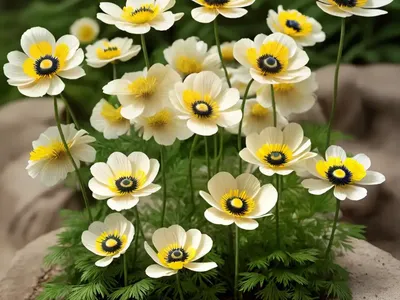
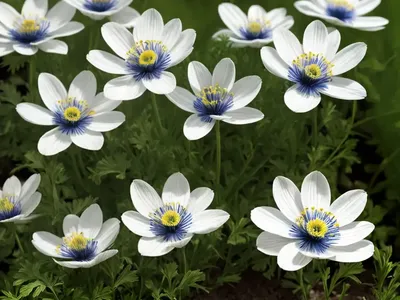
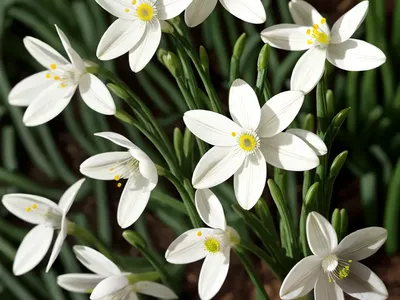
Anemone Quinquefolia (Wood Anemone)
What is Anemone quinquefolia (Wood Anemone)? Anemone quinquefolia, commonly known as Wood Anemone, is a delicate and charming perennial flowering plant.
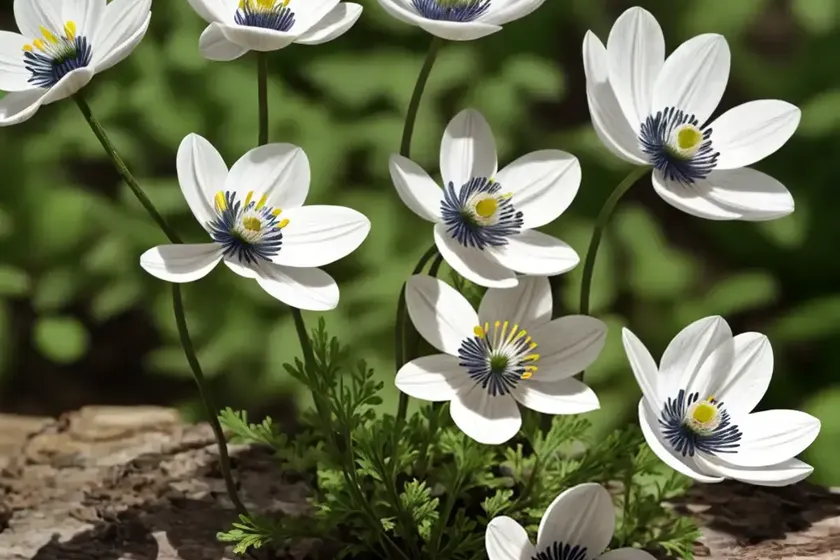
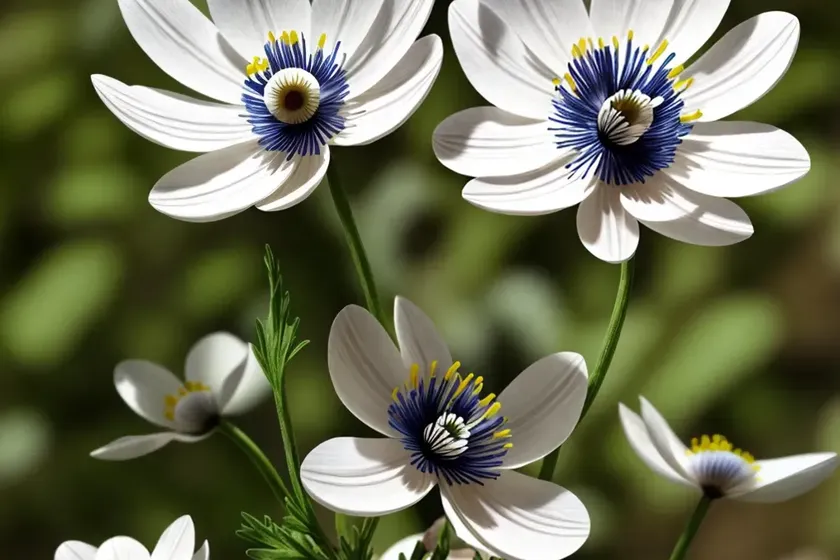
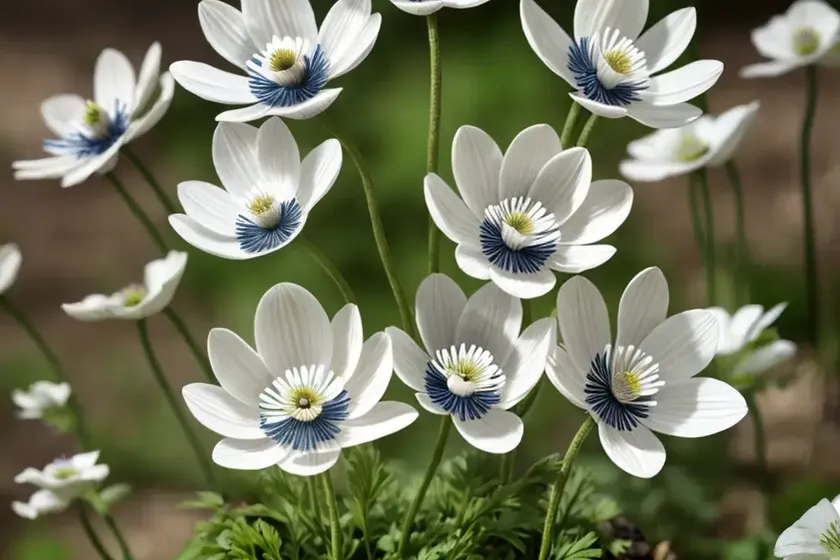
What is Anemone quinquefolia (Wood Anemone)?
Anemone quinquefolia, commonly known as Wood Anemone, is a delicate and charming perennial flowering plant that belongs to the Ranunculaceae family. This native woodland plant is indigenous to the eastern regions of North America, particularly prevalent in the deciduous forests. Wood Anemone stands out with its unique palmate foliage and elegant, daisy-like white flowers that bloom in early spring, making it a favored choice for woodland gardens and naturalized landscapes.
The plant’s name, “Anemone,” is derived from the Greek word “anemos,” which translates to wind. According to Greek mythology, Anemone was a nymph who transformed into a flower to honor her premature death. “Quinquefolia” signifies the five lobes of the plant’s compound leaf, adding to the distinctive attributes of this botanical species. Wood Anemone has been cherished for its ethereal beauty and has historically been utilized for both cultural and medicinal purposes by indigenous communities.
Key Takeaways – Anemone quinquefolia (Wood Anemone)
Culture
- Common Name: Wood Anemone
- Scientific Name: Anemone quinquefolia
- Plant Type: Perennial
- Family: Ranunculaceae
- Native Region: Eastern North America (deciduous forests)
- Height: 6-12 inches
- Bloom Time: Early spring
Uses
- Gardening: Popular choice for woodland and naturalized gardens
- Medicinal: Historically used by indigenous communities for various health purposes
- Wildlife: Attracts pollinators and beneficial insects
- Landscaping: Adds aesthetic appeal to shaded areas
Water
- Watering Needs: Moderate
- Soil Moisture: Well-drained, slightly moist soil
Sunlight
- Light Requirements: Partial to full shade
- Sun Exposure: Tolerates dappled sunlight
Fertilizer
- Fertilization: Minimal requirements
- Fertilizer Type: General-purpose, balanced fertilizer in early spring
Soil
- Soil Type: Rich, loamy soil
- pH Level: Slightly acidic to neutral (pH 6.0-7.0)
Anemone quinquefolia Care Guide
Wood Anemone, or Anemone quinquefolia, thrives in shaded woodland environments and offers an array of benefits for gardeners, naturalists, and conservationists. To successfully cultivate and appreciate the beauty of this unique plant, it is essential to understand its specific cultural requirements and care guidelines.
Water
Wood Anemone plants have moderate water needs and prefer consistently moist but well-drained soil. Overly wet or waterlogged conditions can lead to root rot and other detrimental effects. When established, they can withstand short periods of drought; however, it is advisable to provide supplemental watering during prolonged dry spells, especially in the summer months.
Sunlight
Anemone quinquefolia prefers shaded settings, making it an ideal choice for gardens with dappled sunlight or partial to full shade. Its natural habitat in deciduous woodlands indicates its adaptation to low-light environments. Prolonged exposure to direct sunlight can lead to leaf scorch and diminished flower production. Therefore, planting in areas shielded from intense sunlight is crucial for the optimal growth and blooming of Wood Anemone.
Fertilizer
Regarding fertilizer application, Wood Anemone generally requires minimal supplementation. A balanced, general-purpose fertilizer can be applied in early spring to provide a nutritional boost as the plant emerges from dormancy. It is important to utilize a well-balanced fertilizer to ensure that the plant receives essential nutrients without promoting excessive foliage growth at the expense of flower production.
Soil
The soil type and quality play a significant role in the successful cultivation of Anemone quinquefolia. Rich, loamy soils with good drainage are preferred, as excessively compacted or waterlogged soils can hinder the plant’s growth and development. Additionally, maintaining slightly acidic to neutral soil conditions with a pH range of 6.0-7.0 fosters optimal nutrient uptake and overall health for Wood Anemone plants.
Pruning
Pruning is generally minimal for Anemone quinquefolia, as this woodland plant naturally forms attractive, low-growing clumps that do not necessitate extensive maintenance. However, the removal of spent flowers and any damaged or diseased foliage can help promote a tidy appearance and encourage the plant to redirect its energy towards new growth and flowering. Pruning tasks should be performed with care to prevent damage to the delicate rhizomatous root system.
Propagation
Wood Anemone can be propagated through division, seed sowing, or transplants, depending on the desired method and available resources. Division is a common approach and is typically conducted in early spring or fall when the plant is not actively flowering. Seed sowing can be pursued; however, it requires patience as it may take several years for the plants to reach maturity and begin flowering. Transplanting established specimens is another viable option, especially when consolidating or expanding woodland garden areas.
Container Popularity
While Anemone quinquefolia is primarily favored for naturalized woodland and garden settings, it can also be cultivated in containers for those with limited outdoor space or for unique ornamental displays. Container gardening allows for greater control over soil conditions, moisture levels, and sunlight exposure, making it feasible to cultivate Wood Anemone in various settings, including shaded patios, decks, and balconies.
Container Common Diseases
When growing Wood Anemone in containers, it is essential to be mindful of potential diseases that can affect the plant. While plants in containers are generally less susceptible to soil-borne diseases, they may still be vulnerable to certain issues such as:
- Root Rot: Overwatering or poor drainage can lead to root rot in container-grown Wood Anemone plants.
- Powdery Mildew: This fungal disease can develop in crowded or poorly ventilated container environments, particularly in high humidity conditions.
Disease Diagnosis
Recognizing and diagnosing diseases that affect Anemone quinquefolia is crucial for implementing appropriate management strategies and preserving the health of the plants. Visual symptoms and signs of disease, such as abnormal leaf spots, wilting, discoloration, or unusual growth patterns, should be carefully observed. Additionally, regular inspections of the soil, roots, and overall plant health can aid in the early detection of potential disease issues, allowing for timely intervention and treatment.
Common Pests
While Wood Anemone is relatively resilient against pests, there are a few insect species that may pose a threat to its well-being. Some common pests that can affect Anemone quinquefolia include:
- Aphids: These sap-sucking insects can gather on new growth and flower buds, causing distorted growth and honeydew secretion.
- Slugs and Snails: These mollusks feed on the foliage and flowers of Wood Anemone, resulting in irregular holes and damage.
Control measures for these pests may include physical removal, insecticidal soaps, or natural predators such as predatory beetles and birds to help manage their populations without causing harm to the environment or beneficial organisms.
Botanist’s Tips for Growing Wood Anemone
Experienced botanists and gardeners offer valuable insights and recommendations for cultivating Anemone quinquefolia to its full potential. Here are some expert tips for successfully growing and enjoying the beauty of Wood Anemone:
- Choose the Right Location: Select shaded or partially shaded areas with rich, well-drained soil to create an ideal habitat for Wood Anemone. Avoid planting in locations with excessive moisture or direct sunlight exposure.
- Mulch Application: Apply a layer of organic mulch, such as leaf litter or compost, around Wood Anemone plants to maintain soil moisture, suppress weed growth, and provide a naturalistic woodland aesthetic.
- Companion Planting: Pair Wood Anemone with complementary shade-loving plants, such as ferns, hostas, or wild ginger, to create visually appealing and ecologically beneficial woodland garden compositions.
- Wildlife Habitat Enhancement: Embrace the role of Wood Anemone as a pollinator-friendly plant by integrating it into diverse garden settings that support local wildlife and ecological balance.
- Appreciate Native Species: Celebrate the ecological significance and beauty of native woodland plants like Anemone quinquefolia by incorporating them into landscaping projects and conservation initiatives.
Fun Facts About Anemone quinquefolia
As a captivating and culturally significant plant, Anemone quinquefolia boasts a collection of interesting facts and attributes that contribute to its allure and appeal. Explore these fun facts about Wood Anemone:
- Cultural Symbolism: Wood Anemone has been associated with various symbolic meanings, such as anticipation, relaxation, and protection against evil forces, in folklore and traditional customs.
- Botanical Diversity: Anemone quinquefolia is part of the diverse Anemone genus, which comprises approximately 120 species, ranging from alpine flowers to ornamental garden plants.
- Historical Medicinal Uses: Indigenous people utilized Wood Anemone for its potential medicinal properties, employing it in remedies for ailments such as headaches, fever, and coughs, though caution is advised due to its toxic nature.
- Ecological Role: Wood Anemone serves as an essential component of forest ecosystems, providing nectar for early pollinators and contributing to the overall biodiversity and beauty of woodland habitats.
Links to External Resources
To expand your knowledge and appreciation for Anemone quinquefolia and related botanical topics, consider exploring the following external resources:
- The Plant List – Anemone quinquefolia
- USDA Forest Service – Wood Anemone
- Lady Bird Johnson Wildflower Center – Anemone quinquefolia
- Missouri Botanical Garden – Anemone quinquefolia
Explore these valuable resources to deepen your understanding of Wood Anemone, its cultural significance, ecological value, and horticultural aspects.
Conclusion
Anemone quinquefolia, or Wood Anemone, exemplifies the beauty and resilience of native woodland flora, offering an array of practical and aesthetic benefits for gardening enthusiasts, conservation advocates, and nature lovers. Understanding the cultural, ecological, and horticultural dimensions of this enchanting plant provides a well-rounded perspective on its significance and potential applications. By embracing the unique attributes and enriching history of Anemone quinquefolia, we can foster a deeper connection to the natural world and contribute to the preservation of native plant species in their rightful place within our landscapes and ecosystems.
As we continue to explore the diverse botanical wonders surrounding us, let us recognize and celebrate the enduring charm and ecological importance of Wood Anemone, a true gem of the woodland realm.
Anemone quinquefolia – A testament to timeless elegance and ecological harmony.
References
- “The Plant List – Anemone quinquefolia.” https://www.theplantlist.org/tpl1.1/record/rjp-295
- “USDA Forest Service – Wood Anemone.” https://www.fs.fed.us/wildflowers/plant-of-the-week/anemone_quinquefolia.shtml
- “Lady Bird Johnson Wildflower Center – Anemone quinquefolia.” https://www.wildflower.org/plants/result.php?id_plant=aqqu
- “Missouri Botanical Garden – Anemone quinquefolia.” http://www.missouribotanicalgarden.org/PlantFinder/PlantFinderDetails.aspx?kempercode=f910