Anemone Hupehensis Var Japonica ‘Pamina’ (Japanese Anemone)
Anemone hupehensis var Japonica ‘Pamina’, commonly known as the Japanese Anemone, is a stunning and versatile perennial plant that adds elegance and charm.
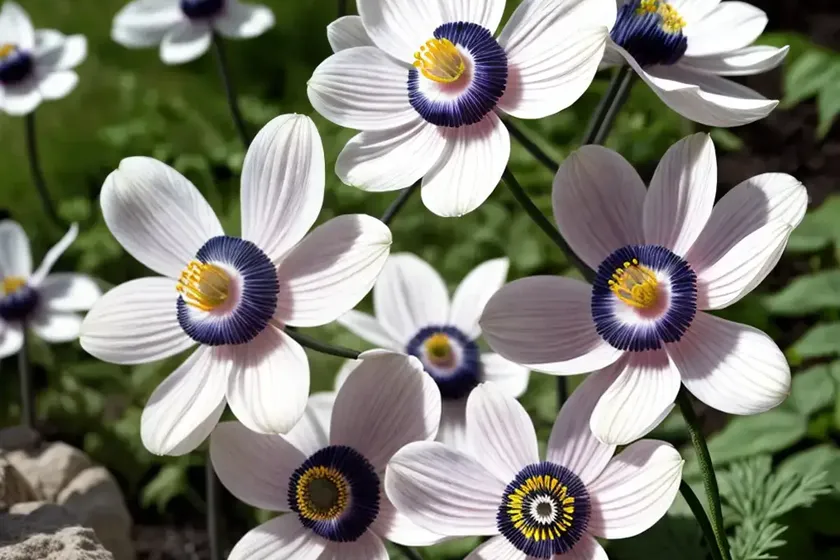
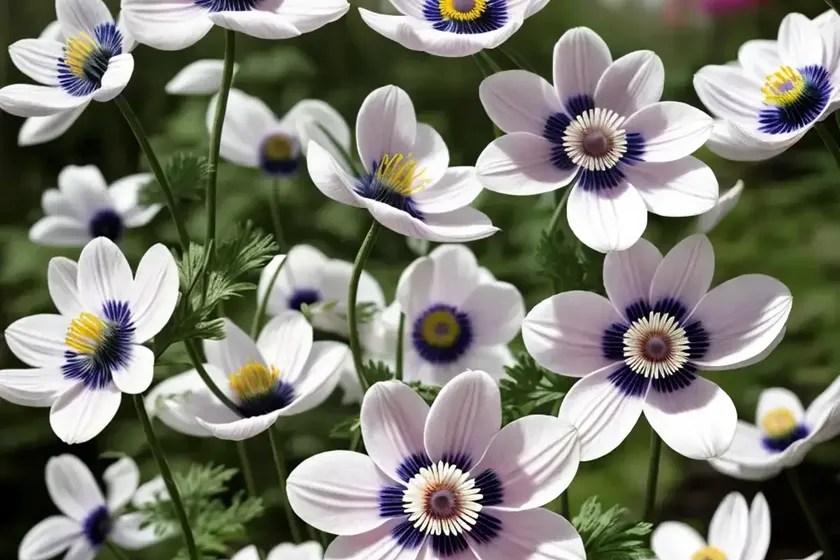
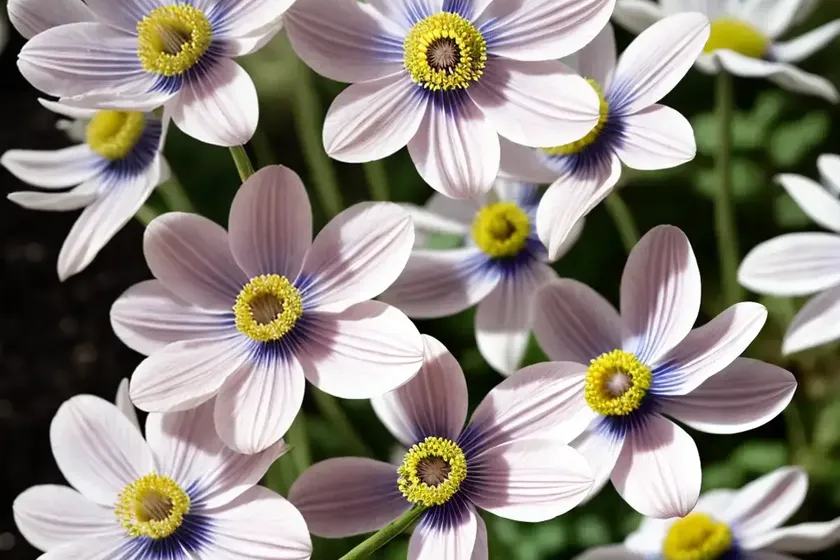
Anemone hupehensis var Japonica ‘Pamina’, commonly known as the Japanese Anemone, is a stunning and versatile perennial plant that adds elegance and charm to any garden setting. Its delicate flowers, unique foliage, and low maintenance requirements make it a popular choice among gardeners and landscaping enthusiasts. In this comprehensive guide, we will explore the various aspects of this beautiful plant, including its cultural requirements, uses, common diseases, and maintenance tips.
What is Anemone hupehensis var Japonica ‘Pamina’?
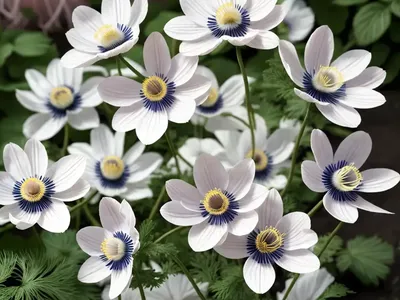
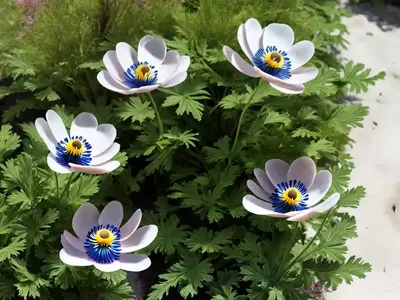
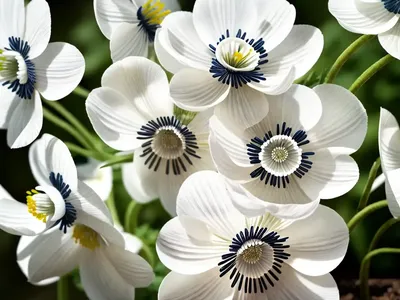
Anemone hupehensis var Japonica ‘Pamina’, belonging to the Ranunculaceae family, is a herbaceous perennial with a clumping growth habit. It is native to China, Japan, and Korea and is renowned for its graceful, saucer-shaped flowers that bloom in late summer and early fall. The ‘Pamina’ cultivar is particularly prized for its vibrant, semi-double, pink flowers that create a striking display when in full bloom.
Key Takeaways – Anemone hupehensis var Japonica ‘Pamina’
Before delving into the specific care requirements and characteristics of the Japanese Anemone, let’s highlight the key takeaways associated with this exquisite plant:
- Botanical Name: Anemone hupehensis var Japonica ‘Pamina’
- Common Name: Japanese Anemone ‘Pamina’
- Flower Color: Pink
- Bloom Time: Late summer to early fall
- Growth Habit: Clumping perennial
- Cultural Requirements: Partial shade, well-drained soil, moderate watering
- Uses: Ornamental garden plant, cut flower, pollinator attractor
Now that we have an overview of the essential details, let’s explore the various aspects of cultivating and caring for Anemone hupehensis var Japonica ‘Pamina’.
Culture
Water
Japanese Anemones prefer consistently moist soil but are susceptible to root rot if exposed to excessive moisture. It is essential to water the plants regularly, especially during dry spells, to maintain adequate soil moisture. However, efficient drainage is crucial to prevent waterlogging, particularly in heavy clay soils.
Sunlight
While Anemone hupehensis var Japonica ‘Pamina’ thrives in partial shade, it can also tolerate full sun conditions, particularly in cooler climates. In regions with intense summer heat, providing some afternoon shade can help protect the plant from excessive sun exposure.
Fertilizer
These plants benefit from a balanced, all-purpose fertilizer applied in early spring as new growth emerges. A slow-release fertilizer can provide the necessary nutrients to support healthy foliage and prolific flowering throughout the growing season.
Soil
The Japanese Anemone prefers humus-rich, well-drained soil. Amending the planting area with organic matter, such as compost or well-rotted manure, can improve soil structure and fertility, creating an optimal environment for the plant’s root development.
Pruning
Pruning Anemone hupehensis var Japonica ‘Pamina’ is relatively straightforward and primarily involves removing spent flowers and tidying up the plant in late fall or early spring. Deadheading can promote continuous blooming and prevent self-seeding, although some gardeners appreciate the naturalizing effect of scattered seedlings.
Propagation
Japanese Anemones can be propagated through division or by collecting and sowing seeds. Division is typically carried out in early spring or fall, dividing the clumps into smaller sections and replanting them in suitable locations. While the plants may take some time to establish themselves, they will eventually form robust clumps and reward gardeners with their enchanting blooms.
Container Popularity
Due to their compact growth habit and ornamental appeal, Anemone hupehensis var Japonica ‘Pamina’ is well-suited for container cultivation. This allows gardeners with limited space to enjoy the beauty of these plants on patios, balconies, or other confined areas. When growing Japanese Anemones in containers, it is crucial to provide adequate drainage and regular watering to ensure the plants thrive in their confined environment.
Common Diseases
Anemone hupehensis var Japonica ‘Pamina’ is relatively resistant to pests and diseases, but like any plant, it can encounter some issues under unfavorable conditions. The most common diseases that may affect Japanese Anemones include:
-
Powdery Mildew: This fungal disease can develop in humid conditions, creating a powdery white coating on the plant’s foliage. Adequate air circulation and avoiding overhead watering can help prevent this issue.
-
Botrytis Blight: Also known as gray mold, this disease can cause wilting and browning of the plant’s tissues. Proper sanitation and removing affected plant parts can help manage the spread of botrytis blight.
Disease Diagnosis
Diagnosing plant diseases can be challenging, particularly for gardeners with limited experience in identifying specific pathogens and disorders. However, recognizing the symptoms and conducting thorough observations can provide valuable insights into the underlying issues affecting the plants. Some common signs of disease in Anemone hupehensis var Japonica ‘Pamina’ include abnormal leaf discoloration, wilting, stunted growth, and the presence of fungal or bacterial-like coatings on the foliage or stems.
Engaging with local horticultural extension services, consulting plant pathology resources, or seeking assistance from experienced gardeners can aid in accurately diagnosing and addressing potential diseases affecting the Japanese Anemone.
Common Pests
While Japanese Anemones are relatively pest-resistant, they may occasionally attract certain garden pests. Some of the common pests that can affect these plants include:
-
Aphids: These small, sap-sucking insects can cluster on the tender shoots and undersides of the leaves, causing distortion and discoloration of the foliage. Insecticidal soaps or horticultural oils can be used to manage aphid infestations.
-
Slugs and Snails: These mollusks are known to feed on the tender leaves and flowers of Anemone hupehensis var Japonica ‘Pamina’, often leaving behind visible feeding damage. Employing physical barriers, such as copper tape or diatomaceous earth, can help protect the plants from slug and snail activity.
Botanist’s Tips
As a plant scientist familiar with the unique traits of Anemone hupehensis var Japonica ‘Pamina’, I would like to share some valuable tips for cultivating and caring for these plants:
-
Mulch Moderately: Applying a layer of mulch around the base of the plants can help conserve soil moisture, suppress weed growth, and protect the roots from extreme temperature fluctuations. However, it is essential to avoid mulch buildup against the plant stems, as this can lead to moisture-related issues and potential stem rot.
-
Support in Windy Locations: In windy garden settings, providing physical support, such as discreet stakes or ring supports, can prevent the long, slender stems of Japanese Anemones from bending or breaking under strong gusts. This is particularly important when the plants are in full bloom and may be more susceptible to wind damage.
-
Promote Naturalization: Embracing the self-seeding tendencies of Japanese Anemones can create a charming, naturalistic effect in the garden, with new seedlings emerging in unexpected locations. Allowing a portion of the spent flowers to mature and disperse their seeds can contribute to the establishment of attractive colonies of these enchanting plants.
Fun Facts
-
Japanese Anemones have a rich cultural history and have been cultivated in traditional Japanese gardens for centuries, admired for their serene beauty and symbolic significance.
-
In the language of flowers, Anemone hupehensis var Japonica ‘Pamina’ is often associated with anticipation and protection, making it a meaningful choice for floral arrangements and symbolic plantings.
-
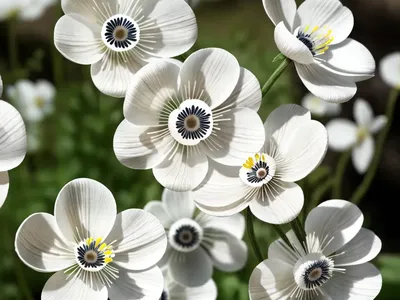
While the ‘Pamina’ cultivar is renowned for its pink blooms, Japanese Anemones are available in a range of colors, including white, deep rose, and lavender, offering diverse options for gardeners seeking to incorporate these plants into their landscapes.
Links to External Resources
To further enhance your understanding of Anemone hupehensis var Japonica ‘Pamina’ and explore additional insights from reputable sources, I recommend the following external resources:
- Royal Horticultural Society – Anemone hupehensis var Japonica ‘Pamina’
- Missouri Botanical Garden – Japanese Anemone ‘Pamina’
- The Plant List – Anemone hupehensis var. japonica ‘Pamina’
In conclusion, Anemone hupehensis var Japonica ‘Pamina’ is a captivating and adaptable plant that can enrich garden landscapes with its alluring blooms and graceful foliage. By understanding and implementing the appropriate cultural practices, addressing potential diseases and pests, and appreciating the unique characteristics of this plant, gardeners can cultivate thriving displays of Japanese Anemones, creating an enchanting and vibrant outdoor environment.
Remember to explore the various resources available, connect with local gardening communities, and enjoy the process of nurturing and admiring the natural beauty of Anemone hupehensis var Japonica ‘Pamina’ in your own garden space.