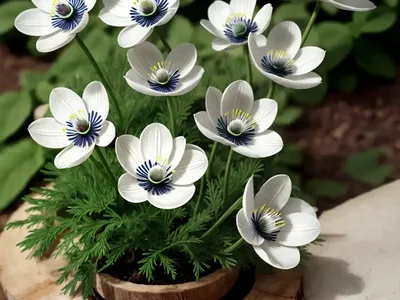
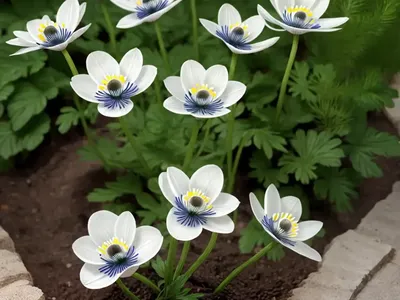
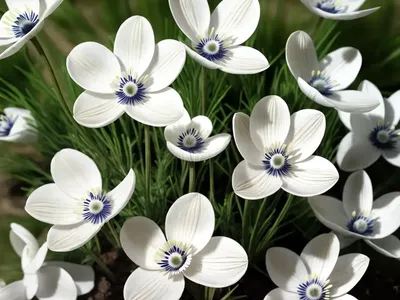
Anemone Nemorosa ‘Alba’ (Wood Anemone)
Anemone nemorosa ‘Alba’, commonly known as Wood Anemone, is a delicate and charming perennial plant that belongs to the buttercup family (Ranunculaceae)..
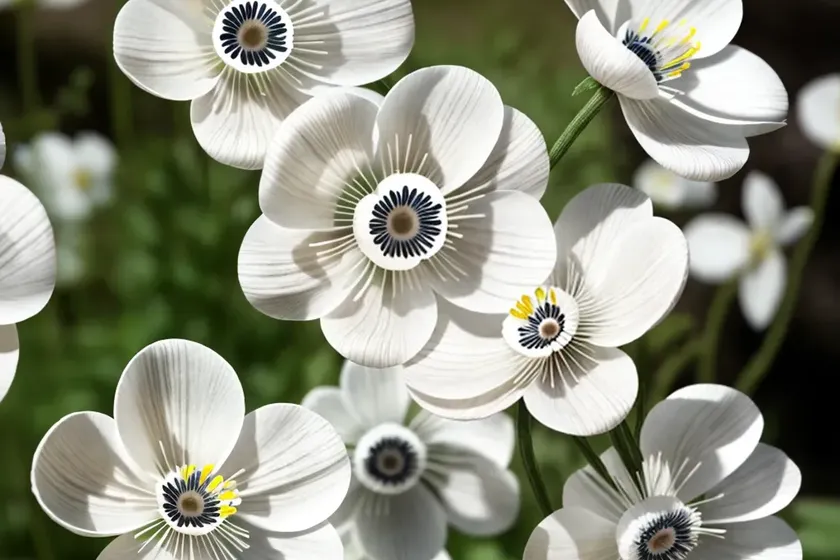
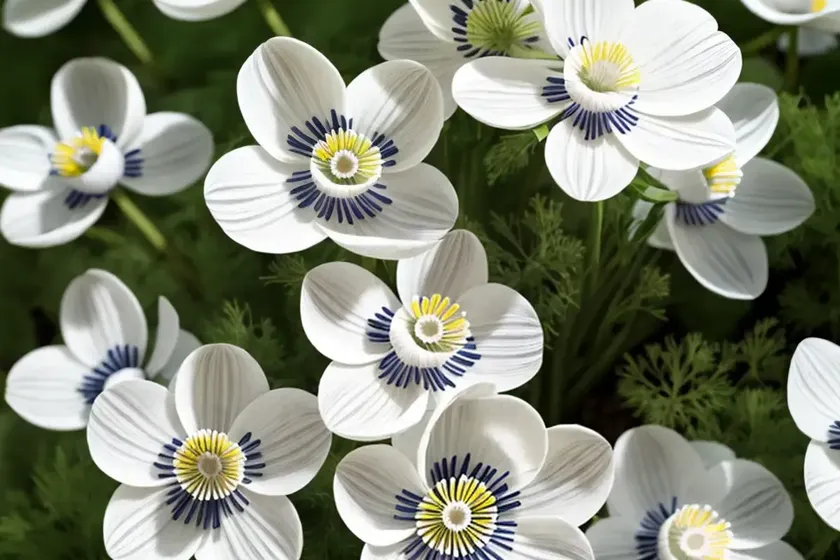
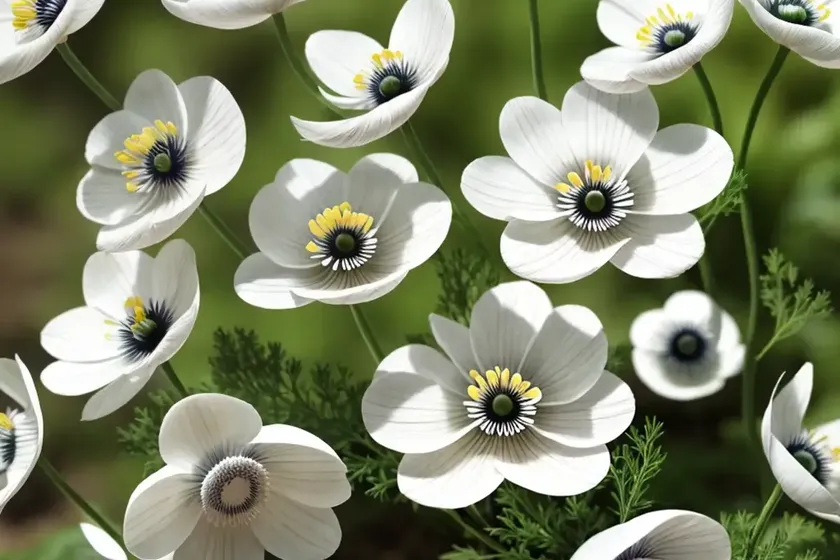
Anemone nemorosa ‘Alba’, commonly known as Wood Anemone, is a delicate and charming perennial plant that belongs to the buttercup family (Ranunculaceae). This beautiful plant is native to Europe and is well-loved for its dainty, star-shaped white flowers and its ability to carpet woodland floors with a blanket of blossoms. In this comprehensive guide, we will explore the cultivation, uses, maintenance, and fascinating characteristics of Anemone nemorosa ‘Alba’.
Key Takeaways – Anemone nemorosa ‘Alba’
Before delving into the details, let’s take a quick look at the key points we will cover in this guide to Anemone nemorosa ‘Alba’:
- Wood Anemone ‘Alba’ propagation methods
- Anemone nemorosa ‘Alba’ planting tips
- Wood Anemone ‘Alba’ garden design
- Anemone nemorosa ‘Alba’ pest control
- Wood Anemone ‘Alba’ disease prevention
- Anemone nemorosa ‘Alba’ water requirements
- Wood Anemone ‘Alba’ sunlight preferences
- Anemone nemorosa ‘Alba’ seasonal blooming
- Wood Anemone ‘Alba’ medicinal uses
- Anemone nemorosa ‘Alba’ natural habitat
- Wood Anemone ‘Alba’ garden maintenance
- Anemone nemorosa ‘Alba’ frost tolerance
- Wood Anemone ‘Alba’ container gardening
- Anemone nemorosa ‘Alba’ woodland gardens
- Wood Anemone ‘Alba’ fragrant flowers
- Anemone nemorosa ‘Alba’ naturalized areas
- And many more fascinating aspects of this enchanting plant!
Now, let’s unravel the mystery and wonder of the Anemone nemorosa ‘Alba’!
What is Anemone nemorosa ‘Alba’?
Anemone nemorosa, commonly known as Wood Anemone or Windflower, is a perennial herbaceous plant that typically grows to a height of 15-20 centimeters. It thrives in woodland environments and is often seen carpeting the forest floor with its delicate, nodding flowers. The ‘Alba’ variety specifically showcases beautiful white blossoms, adding a serene and ethereal touch to any garden or natural setting.
The genus name, Anemone, is derived from the Greek word “anemos” which means wind, a nod to the plant’s propensity to sway and dance in the gentlest of breezes. The species name, nemorosa, is also of Greek origin and means “of groves” or “wooded”, perfectly encapsulating the plant’s preferred habitat.
Key Characteristics of Anemone nemorosa ‘Alba’
- Flowers: The star-shaped flowers of Anemone nemorosa ‘Alba’ are composed of six to eight petal-like sepals, arranged in a single whorl. The blossoms can reach up to 3 centimeters in diameter and exude an enchanting, delicate beauty.
- Leaves: This plant features deeply lobed, dark green leaves that create an attractive contrast against the pristine white flowers.
- Habitat: Wood Anemone ‘Alba’ is a shade-loving plant, and its natural habitat includes deciduous woodlands, hedgerows, and meadows with dappled sunlight.
- Blooming Period: The plant produces flowers in early to mid-spring, adding a touch of elegance to the awakening woodland landscape.
- Wildlife Attraction: Wood Anemone ‘Alba’ is known to attract pollinators such as bees and butterflies, enhancing the biodiversity of the area.
Now that we have familiarized ourselves with the primary features of Anemone nemorosa ‘Alba’, let’s explore the cultivation, uses, and maintenance of this captivating plant.
Culture
Uses
The Wood Anemone ‘Alba’ holds a special place in gardening and landscaping due to its numerous uses and implications. Some of the key uses include:
- Naturalizing: Anemone nemorosa ‘Alba’ is an excellent naturalizer, effortlessly spreading and creating carpets of delicate white flowers in suitable woodland settings.
- Ornamental Purposes: The ethereal beauty of the ‘Alba’ variety makes it an ideal choice for ornamental gardening, adding a touch of enchantment to shaded areas.
- Wildlife Habitat: By attracting pollinators and wildlife, Wood Anemone ‘Alba’ contributes to the ecological balance of its habitat, making it a valuable addition to naturalistic landscapes.
Water
Anemone nemorosa ‘Alba’ thrives in soil that is kept consistently moist. During the growing season, regular watering is essential, particularly during periods of dry weather. However, it’s important to ensure that the soil is well-draining to prevent waterlogging, which can be detrimental to the plant’s health.
Sunlight
As a shade-loving plant, Anemone nemorosa ‘Alba’ prefers partial to full shade. In its natural habitat, it is often found in woodlands where it receives dappled sunlight. When cultivating this plant, it’s essential to provide it with similar light conditions to ensure optimal growth and blooming.
Fertilizer
In most cases, Wood Anemone ‘Alba’ does not require heavy feeding. However, a light application of a balanced, organic fertilizer in early spring can provide the plant with the necessary nutrients to support healthy growth and prolific flowering.
Soil
The ideal soil for Anemone nemorosa ‘Alba’ is rich, humus-laden, and well-draining. The plant thrives in slightly acidic to neutral soil with a pH range of 6.0 to 7.0. Additionally, it’s important to ensure that the soil retains moisture without becoming waterlogged.
Pruning
Anemone nemorosa ‘Alba’ generally requires minimal pruning. However, deadheading spent flowers can promote continuous blooming and prevent self-seeding, particularly in garden settings where controlled propagation is desired.
Propagation
Division
One of the most common methods of propagating Anemone nemorosa ‘Alba’ is through division. This is best done in early autumn when the plant is entering its dormancy phase. The clumps can be carefully lifted and divided, ensuring that each division possesses healthy rhizomes and sufficient roots to support its growth.
Seed Propagation
Propagation from seed is also a viable option for Wood Anemone ‘Alba’. The seeds can be sown in containers in a suitable growing medium and kept in a cool, shaded location. With the right conditions, the seeds will germinate, allowing for the cultivation of new plants.
Container Popularity
The enchanting beauty and manageable size of Anemone nemorosa ‘Alba’ make it a popular choice for container gardening. Its ability to thrive in shaded areas further enhances its appeal for container cultivation in urban or limited space settings.
Common Diseases
Anemone nemorosa ‘Alba’ is relatively resistant to diseases, particularly when grown in favorable conditions. However, it can occasionally be susceptible to the following issues:
- Powdery Mildew: In conditions of high humidity and poor air circulation, Wood Anemone ‘Alba’ may experience powdery mildew, characterized by a white, powdery growth on the leaves and stems.
- Botrytis: Also known as gray mold, botrytis can affect the plant during periods of prolonged wet weather, causing grayish-brown patches on the foliage.
Disease Diagnosis
If any signs of disease are observed, it’s crucial to diagnose the issue accurately to apply the most effective treatment. Early intervention and preventive measures are key to maintaining the plant’s health and vigor.
Common Pests
Anemone nemorosa ‘Alba’ is generally resistant to severe pest infestations. However, it can occasionally attract pests such as slugs and snails, particularly in damp, shaded environments. Vigilance and early intervention can help in managing these potential pest issues effectively.
Botanist’s Tips
Here are some expert tips to ensure the successful cultivation and care of Anemone nemorosa ‘Alba’:
- Mulching: Applying a layer of organic mulch around the base of the plant can help retain soil moisture, suppress weed growth, and provide a steady supply of nutrients as it breaks down.
- Companion Planting: Pairing Wood Anemone ‘Alba’ with shade-loving companions such as hostas, ferns, and hellebores can create a visually captivating woodland garden tableau.
Fun Facts
- In folklore, Anemone nemorosa is associated with various legends and myths, often symbolizing anticipation and the arrival of spring.
- The nodding flowers of Wood Anemone ‘Alba’ are believed to bow in acknowledgment of the wind, reflecting its Greek etymology.
Now that we’ve explored the various aspects of Anemone nemorosa ‘Alba’, let’s delve into its cultivation specifics and specialized care requirements.
Anemone nemorosa ‘Alba’ Cultivation
Planting Tips
When cultivating Anemone nemorosa ‘Alba’, it’s important to consider the following planting tips to ensure its successful establishment:
- Site Selection: Choose a site with dappled shade or partial sun, mimicking the plant’s natural woodland habitat.
- Soil Preparation: Prepare the planting area by incorporating organic matter to enrich the soil and improve its moisture-retaining capacity.
- Spacing: Space the plants 15-20 centimeters apart to allow for proper airflow and future growth.
Flowers
The delicate, white flowers of Anemone nemorosa ‘Alba’ are a sight to behold, adding an ethereal charm to any garden or natural setting. The star-shaped blossoms appear in profusion, creating a captivating display that heralds the arrival of spring.
Characteristics
The unique characteristics of Anemone nemorosa ‘Alba’ contribute to its allure and desirability in garden landscapes:
- Low-Growing Habit: With a compact growth habit, this plant is suitable for creating groundcover and underplanting in shaded areas.
- Early Blooming: Wood Anemone ‘Alba’ is one of the first plants to bloom in spring, offering an early source of nectar for emerging pollinators.
- Rhizomatous Growth: The plant spreads slowly through underground rhizomes, forming extensive colonies over time.
Zone Requirements
Anemone nemorosa ‘Alba’ is well-suited for cultivation in USDA Hardiness Zones 4-8, where it can thrive in the cool to moderate climatic conditions prevalent in these zones.
Maintenance
The maintenance requirements for Anemone nemorosa ‘Alba’ are relatively minimal, focusing on the following aspects:
- Watering: Provide regular watering, particularly during periods of low rainfall, to ensure the soil remains consistently moist.
- Mulching: Apply a layer of mulch to conserve soil moisture and suppress weed growth.
- Deadheading: Remove spent flowers to encourage prolonged blooming and prevent self-seeding where control is desired.
Growth Habits
- The growth habit of Wood Anemone ‘Alba’ can be described as clump-forming, with its rhizomatous nature enabling it to spread gradually over time.
- When provided with suitable growing conditions, the plant can form extensive colonies, creating a breathtaking carpet of white blooms in woodland settings.
Now, let’s shift our focus to specific care considerations for Anemone nemorosa ‘Alba’, ranging from water and sunlight preferences to frost tolerance and seasonal blooms.
Anemone nemorosa ‘Alba’ Care
Water Requirements
Anemone nemorosa ‘Alba’ has moderate water requirements, necessitating consistent watering during the growing season. Monitor the soil moisture levels, particularly during warm and dry periods, and adjust the watering frequency to maintain an ideal level of moisture.
Sunlight Preferences
As a shade-loving plant, Wood Anemone ‘Alba’ thrives in partial to full shade. When selecting a planting site, it’s crucial to ensure that the location receives dappled sunlight or partial shade, replicating its native woodland environment.
Frost Tolerance
Anemone nemorosa ‘Alba’ exhibits good frost tolerance, allowing it to withstand cooler temperatures without significant damage. This characteristic makes it well-suited for cultivation in regions with colder climates, adding an early spring touch to the garden landscape.
Seasonal Blooming
The blooming period of Wood Anemone ‘Alba’ typically occurs in early to mid-spring, coinciding with the awakening of the natural environment. The pristine white blossoms emerge as a delightful herald of the changing seasons, infusing the landscape with elegance and charm.
Winter Care
During the winter months, Anemone nemorosa ‘Alba’ enters a period of dormancy, during which it benefits from minimal disturbance. Providing a layer of mulch can help protect the plant’s roots and rhizomes from extreme cold and temperature fluctuations.
Summer Blooms
As the summer season progresses, Wood Anemone ‘Alba’ gradually ceases its blooming period, transitioning into a phase of rest and rejuvenation in preparation for the following year’s flowering.
Fall Foliage
While the plant’s primary attraction lies in its spring blooms, the foliage of Anemone nemorosa ‘Alba’ undergoes a transformation in the fall. The leaves develop an attractive yellow hue before the plant goes dormant for the winter.
Now, let’s take a closer look at how Anemone nemorosa ‘Alba’ can be incorporated into garden designs, both as a standalone feature and in combination with compatible companion plants.
Wood Anemone ‘Alba’ in Garden Design
Garden Borders
The delicate and low-growing nature of Anemone nemorosa ‘Alba’ makes it a perfect choice for garden borders, where it can create a serene and enchanting delineation between different sections of the landscape. When planted in mass, it can form an exquisite carpet of white flowers that borders and pathways.
Container Gardening
The compact size and shade tolerance of Wood Anemone ‘Alba’ make it an excellent candidate for container gardening. It can be featured in shaded patio containers or incorporated into mixed container arrangements to add a touch of woodland elegance to outdoor spaces.
Rock Gardens
The adaptable nature of Anemone nemorosa ‘Alba’ allows it to thrive in rock gardens, where it can cascade over rocky outcrops or coexist harmoniously with other alpine plants, creating captivating visual and textural contrasts.
Underplanting Ideas
This shade-loving plant can be utilized as an underplanting beneath larger shrubs and trees, adding a layer of interest and floral beauty to the shaded areas of the garden. When paired with appropriate companions, it creates an enchanting woodland landscape.
Naturalizing
Anemone nemorosa ‘Alba’ excels at naturalizing in suitable woodland settings, spreading gradually to form extensive colonies that blanket the forest floor with its starry white flowers. Its ability to naturalize makes it an invaluable addition to natural and woodland gardens.
Pollinator-Friendly Plant
The early spring blooms of Wood Anemone ‘Alba’ serve as a vital food source for emerging pollinators, making it a valuable addition to pollinator-friendly garden designs. By attracting bees and butterflies, it contributes to the overall health and biodiversity of the garden ecosystem.
Wildlife Habitat Plant
Wood Anemone ‘Alba’ has the potential to serve as a wildlife habitat plant by providing shelter and nectar for various beneficial insects, supporting the overall ecological balance of the garden.
In addition to its aesthetic and ecological contributions, Anemone nemorosa ‘Alba’ possesses certain characteristics that make it a versatile and valuable plant in various settings.
Anemone nemorosa ‘Alba’: Versatility and Value
Fragrant Flowers
The delicate white flowers of Wood Anemone ‘Alba’ exude a subtle, sweet fragrance, adding an olfactory dimension to its already enchanting presence. The floral fragrance can infuse the garden with a delightful, delicate scent, particularly in the calm and cool conditions of a woodland setting.
Showy Blooms
The star-shaped blossoms of Anemone nemorosa ‘Alba’ are undeniably showy, creating a captivating display that commands attention in the early spring landscape. When massed in groups or naturalized in a woodland setting, the effect is truly breathtaking.
Low-Maintenance Plant
One of the key attributes of this plant is its low-maintenance nature, requiring minimal intervention once established. With the right growing conditions, Anemone nemorosa ‘Alba’ can thrive and naturalize with little need for extensive care and attention.
Naturalized Areas
The ability of Wood Anemone ‘Alba’ to naturalize and spread gradually makes it an ideal plant for creating naturalized areas in woodlands, shaded gardens, and other suitable environments. Its graceful presence integrates seamlessly into the natural landscape, imbuing it with a serene and enchanting atmosphere.
Early Spring Bloomer
Being one of the earliest spring bloomers, Anemone nemorosa ‘Alba’ holds the unique distinction of heralding the arrival of the spring season, infusing the landscape with hope, rejuvenation, and natural splendor.
Now that we’ve explored the many facets and nuances of Anemone nemorosa ‘Alba’, let’s delve into the medicinal uses, natural habitat, and additional intriguing aspects of this captivating plant.
Anemone nemorosa ‘Alba’: More Than Just a Garden Plant
Medicinal Uses
In traditional herbal medicine, certain parts of Anemone nemorosa have been used for their medicinal properties. The plant is known for its astringent and diuretic properties and has been historically utilized in herbal preparations to treat various ailments, such as rheumatism and menstrual irregularities.
Natural Habitat
The natural habitat of Anemone nemorosa ‘Alba’ includes deciduous woodlands, shady hedgerows, and meadows with dappled sunlight. It thrives in cool, moist environments and is often found carpeting the forest floor in its native range.
Woodland Gardens
The woodland garden setting provides an ideal environment for Wood Anemone ‘Alba’. When incorporated into woodland gardens, it seamlessly integrates with other shade-loving plants, creating a tranquil and naturalistic atmosphere.
Landscaping Ideas
In landscaping, Anemone nemorosa ‘Alba’ can be utilized to evoke a natural woodland aesthetic, whether planted in mass as a groundcover or integrated into shaded borders and under the canopy of trees.
Border Plantings
The delicate and ethereal quality of Wood Anemone ‘Alba’ makes it an excellent choice for border plantings in shaded landscapes, where it can contribute to the establishment of a serene and enchanting atmosphere.
Wildlife Attracting Abilities
By attracting pollinators such as bees and butterflies, Anemone nemorosa ‘Alba’ enriches the garden environment, contributing to the overall health and vibrancy of the ecosystem.
Fragrant Flowers
The subtle fragrance exuded by the flowers of Wood Anemone ‘Alba’ adds an