Anemone Multifida (Pacific Anemone)
What is Anemone multifida? Anemone multifida, commonly known as Pacific Anemone, is a delicate and captivating perennial plant. With its attractive.
What is Anemone multifida?
Anemone multifida, commonly known as Pacific Anemone, is a delicate and captivating perennial plant. With its attractive, deeply-lobed leaves and showy, daisy-like flowers, Anemone multifida adds a touch of elegance to garden landscapes. This native North American plant showcases an impressive range of characteristics and cultural significance, making it a fascinating subject for plant enthusiasts and horticulturists.
Key Takeaways – Anemone multifida (Pacific Anemone)
Before delving into the detailed care and maintenance of the Anemone multifida, let’s briefly glance at the key takeaways that will be covered in this comprehensive guide.
- Anemone multifida, or Pacific Anemone, is an exquisite perennial plant with deeply-lobed leaves and vibrant, daisy-like flowers.
- This native North American plant holds cultural significance and is well-known for its various uses, including medicinal and culinary applications.
- Anemone multifida thrives in well-drained soil and requires moderate watering, consistent sunlight, and minimal fertilization.
- It is relatively low-maintenance and can be propagated through division or seeds, making it an excellent choice for both novice and experienced gardeners.
- While it stands out for its captivating beauty and adaptability in garden landscapes, Anemone multifida faces common diseases and pests that require attention for its optimal growth.
Now, let’s explore the various aspects of Anemone multifida in further detail.
Anemone multifida Description
Anemone multifida is a stunning species that belongs to the Ranunculaceae family. This herbaceous perennial plant typically reaches a height of 6 to 12 inches (15 to 30 cm) and forms dense clumps with slender stems and deeply-cut, lobed leaves. The foliage is deeply divided into narrow segments, giving it an intricate and delicate appearance.
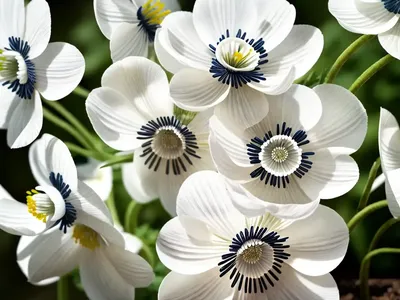
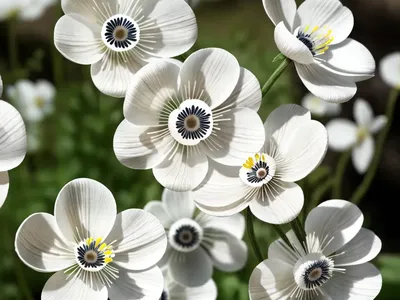
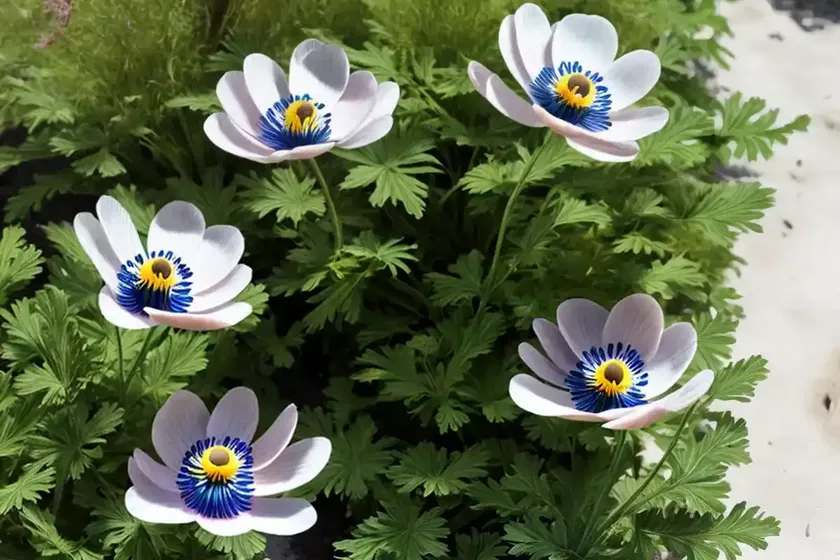
The flowers of Anemone multifida are one of its most enchanting features. The plant produces solitary, daisy-like blooms in shades of white, pink, or purple. These blossoms, which can span up to 2 inches (5 cm) in diameter, add a splash of color and elegance to garden beds, borders, and containers.
Pacific Anemone Facts
- Scientific Name: Anemone multifida
- Common Name: Pacific Anemone
- Family: Ranunculaceae
- Native Habitat: North America
- Plant Type: Herbaceous Perennial
- Flower Colors: White, Pink, Purple
- Height: 6 to 12 inches (15 to 30 cm)
Anemone multifida Characteristics
Distinctive characteristics define the beauty and allure of Anemone multifida, making it a sought-after addition to diverse garden settings. Let’s explore some key characteristics of this stunning plant.
- Foliage: Deeply-cut, lobed leaves with a delicate and intricate appearance.
- Flowers: Solitary, daisy-like blooms in vibrant shades of white, pink, or purple, radiating elegance and charm.
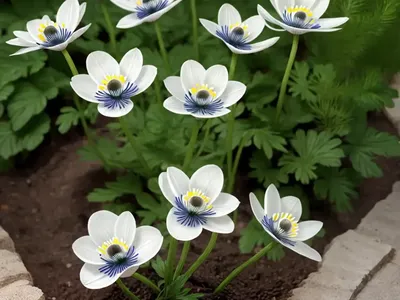
- Growth Habit: Forms dense clumps with slender stems, creating a lush and visually appealing presence in gardens.
- Adaptability: Well-suited for borders, rock gardens, and woodland settings, adding a touch of natural beauty and grace.
Pacific Anemone Care Tips
Caring for Anemone multifida involves understanding its specific needs, including water requirements, sunlight exposure, soil preferences, and maintenance practices. Let’s delve into the essential care tips to help this exquisite plant thrive in diverse garden landscapes.
Culture
Anemone multifida flourishes in moderate to cool climates, thriving in USDA hardiness zones 4 to 8. It prefers well-drained soil and can adapt to various soil types, including loamy, sandy, or clay-based soils. While it tolerates partial shade, providing it with consistent sunlight promotes healthy growth and abundant flowering.
Uses
The Pacific Anemone holds cultural significance and is renowned for its diverse uses. From medicinal applications, including treating various ailments, to culinary uses, where its components are utilized in cooking and baking, Anemone multifida has made a mark in different spheres. Its enchanting flowers and unique foliage also make it a popular choice for decorative purposes, adding charm to floral arrangements and indoor displays.
Water
Moderate watering is essential for Anemone multifida, maintaining a balanced moisture level in the soil without overwatering. During the growing season, provide regular watering, ensuring that the soil remains evenly moist but not waterlogged. In hotter climates or during periods of drought, additional watering may be necessary to support the plant’s vitality and vigor.
Sunlight
Consistent sunlight exposure is key to promoting robust growth and profuse flowering in Anemone multifida. While it can tolerate partial shade, positioning the plant in areas that receive adequate sunlight for a significant part of the day is ideal. This ensures that the plant can photosynthesize efficiently and bloom abundantly, showcasing its stunning flowers to their fullest potential.
Fertilizer
Anemone multifida is not particularly demanding in terms of fertilizer. A light application of a balanced, all-purpose fertilizer in spring, before the onset of the growing season, is usually sufficient to provide the plant with essential nutrients. However, care should be taken to avoid excessive fertilization, as this can lead to an imbalance in nutrient levels and potentially harm the plant.
Soil
Well-drained soil is crucial for the healthy growth of Anemone multifida. It thrives in a range of soil types, including loamy, sandy, or clay-based soils, as long as they offer good drainage. Amending the soil with organic matter such as compost or peat moss can improve its structure and drainage, creating an optimal growing environment for the plant.
Pruning
Pruning Anemone multifida is generally minimal, primarily focusing on removing dead or damaged foliage and spent flowers to maintain its appearance and promote new growth. In early spring, prune back any remaining foliage from the previous season to encourage the emergence of fresh, healthy growth. This simple maintenance practice helps the plant rejuvenate and thrive throughout the growing season.
Propagation
Anemone multifida can be propagated through division or seeds, providing gardeners with options to expand their plantings or share the beauty of this captivating species. Division can be carried out in early spring or fall, while seed propagation typically occurs in the fall. Both methods offer effective ways to propagate Anemone multifida and create new plantings in different garden settings.
Container Popularity
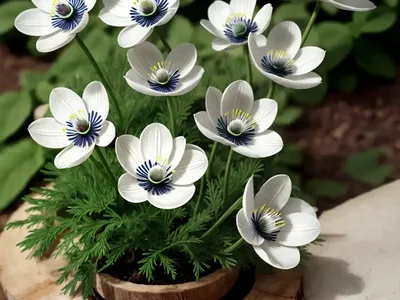
The enchanting beauty and relatively compact size of Anemone multifida make it a popular choice for container gardening. Its exquisite flowers and intricate foliage add a touch of elegance to containers and planters, making it a versatile option for patio displays, balcony gardens, and indoor settings. When grown in containers, ensure proper drainage and provide the plant with suitable sunlight exposure for optimal growth and flowering.
Common Diseases
While Anemone multifida is generally resilient, it is susceptible to certain diseases that can affect its health and vigor. Understanding these common diseases and their symptoms is crucial for timely intervention and effective management.
Disease Diagnosis
Some potential diseases that can affect Anemone multifida include:
- Powdery Mildew: A fungal disease that presents as a white powdery residue on the foliage, leading to diminished plant vigor and aesthetics.
- Leaf Spot: Characterized by the development of dark or discolored spots on the leaves, indicating a fungal infection that can impact the plant’s overall health.
- Root Rot: Excessive moisture or poor drainage can lead to root rot, causing the plant to wilt, exhibit yellowing leaves, and experience stunted growth.
Prompt diagnosis and appropriate treatment measures are essential for preventing the spread of diseases and supporting the plant’s resilience.
Common Pests
Anemone multifida may also encounter pests that can pose a threat to its growth and vitality. Identifying these common pests and implementing suitable control methods are essential for safeguarding the plant from potential damage.
Botanist’s Tips
To ensure the optimal health and beauty of Anemone multifida, consider the following botanist’s tips:
- Monitor Moisture Levels: Regularly check the soil moisture to maintain a balanced level and prevent issues such as root rot or drought stress.
- Inspect for Pests and Diseases: Routinely inspect the plant for signs of pests or diseases, enabling early intervention to mitigate potential damage.
- Mulch Application: Applying a layer of organic mulch around the plant can help retain moisture, regulate soil temperature, and suppress weed growth, benefiting the overall health of Anemone multifida.
Fun Facts
Dive into the intriguing world of Anemone multifida with these captivating fun facts:
- The name “Anemone” is derived from the Greek word for “wind,” reflecting the plant’s delicate and swaying nature.
- Anemone multifida is known for its ecological significance, attracting pollinators such as bees, butterflies, and hummingbirds with its vibrant flowers.
- This versatile species has been historically utilized for its medicinal properties, offering various therapeutic benefits in traditional herbal practices.
Links to External Resources
Explore the world of Anemone multifida and deepen your knowledge with these valuable external resources:
With its captivating beauty, cultural significance, and adaptability, Anemone multifida continues to enchant and inspire plant enthusiasts, showcasing the timeless allure of nature’s botanical wonders.
References
-
“American pasqueflower.” USDA National Resources Conservation Service Plants Database. Source
-
Ranunculaceae. Flora of North America. Source
-
Anemone multifida. Missouri Botanical Garden. Source
-
Pollinators. United States Department of Agriculture Natural Resources Conservation Service. Source
-
Plant pests and diseases. Royal Horticultural Society. Source