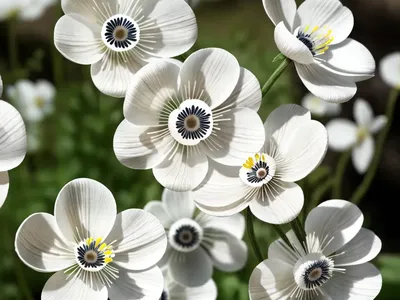
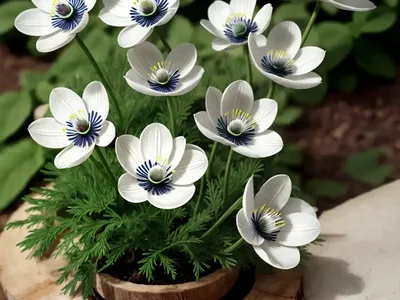
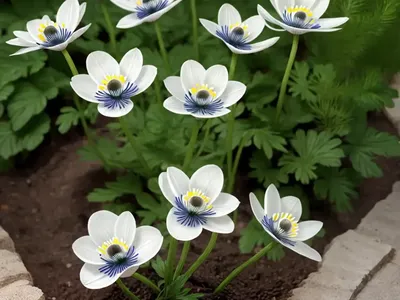
Anemone Nemorosa ‘Alba Plena’ (Wood Anemone)
Anemone nemorosa ‘Alba Plena’, also known as Wood Anemone, is a delightful perennial plant that belongs to the Ranunculaceae family. This beautiful plant.
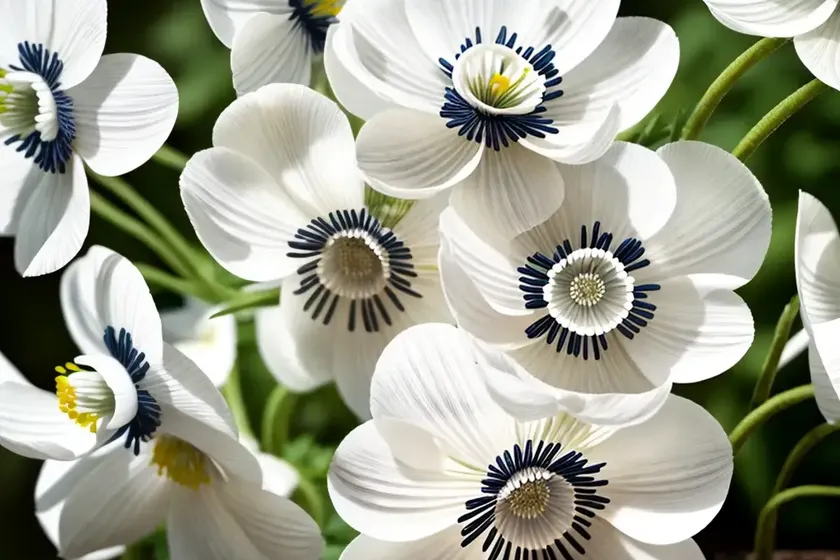
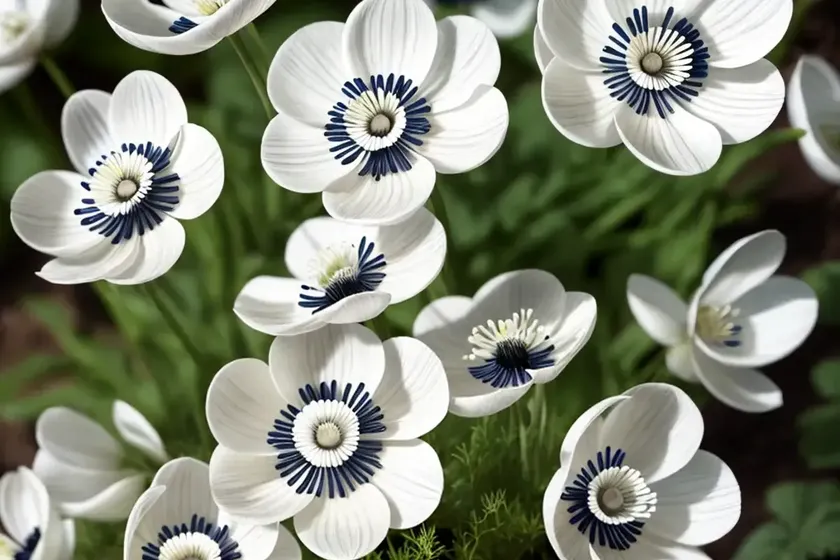
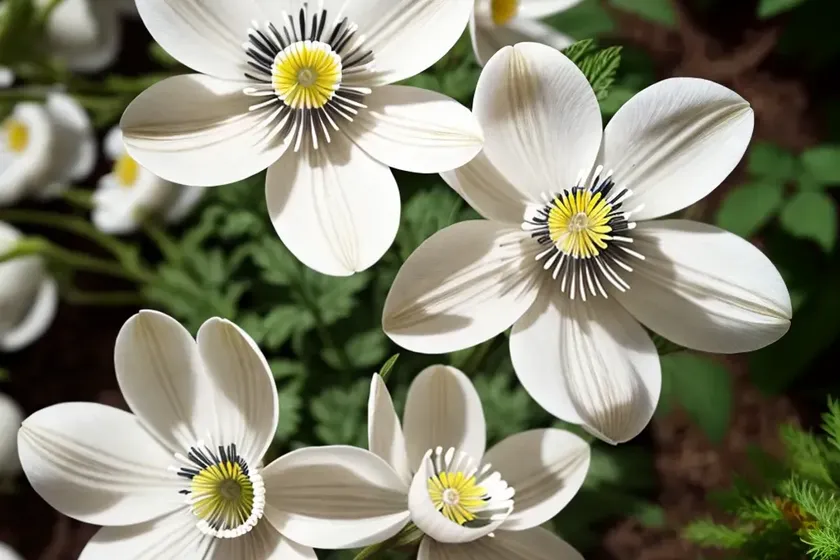
Anemone nemorosa ‘Alba Plena’, also known as Wood Anemone, is a delightful perennial plant that belongs to the Ranunculaceae family. This beautiful plant is native to Europe and is known for its enchanting white double flowers. Wood Anemone is a spring-blooming plant that thrives in shady woodland gardens, making it a popular choice for gardeners looking to add delicate beauty to their landscapes.
In this comprehensive guide, we will explore the various aspects of the Anemone nemorosa ‘Alba Plena,’ including its culture, uses, care requirements, propagation, and much more. Whether you are a seasoned gardener or a beginner looking to enhance your gardening skills, this article will provide you with valuable insights into the world of Wood Anemone.
What is Anemone nemorosa ‘Alba Plena’?
Anemone nemorosa ‘Alba Plena’, commonly known as Wood Anemone, is a perennial herbaceous plant that produces charming, star-shaped, double white flowers in early spring. This species is a native wildflower in Europe and is prized for its ability to naturalize and form extensive carpets in deciduous woodlands, creating a breathtaking display beneath the emerging tree canopies.
The Wood Anemone typically reaches a height of 15-30 cm (6-12 inches) and spreads slowly through its rhizomatous root system. Its delicate foliage consists of deeply lobed, dark green leaves that provide an attractive backdrop to the dainty blossoms.
This woodland gem belongs to a genus of around 120 species and is a valuable addition to shade gardens, rock gardens, and naturalized landscapes. Its exquisite blooms and low maintenance requirements have made it a cherished choice for gardeners seeking to introduce early spring interest to their outdoor spaces.
Key Takeaways – Anemone nemorosa ‘Alba Plena’
Wood Anemone
- Wood Anemone is a perennial herbaceous plant with delicate, double white flowers.
- It is native to Europe and is valued for its ability to form expansive displays in woodland settings.
Anemone nemorosa
- Anemone nemorosa, also known as the Wood Anemone, is a spring-blooming plant that belongs to the Ranunculaceae family.
Alba Plena
- The ‘Alba Plena’ variety of Anemone nemorosa is characterized by its double white flowers, adding an extra layer of charm to this woodland beauty.
White Double Flowers
- The white double flowers of Anemone nemorosa ‘Alba Plena’ contribute to its enchanting appeal and make it a sought-after addition to shade gardens.
Spring Blooming Plants
- Wood Anemone is an early spring bloomer, bringing a touch of elegance to the garden as it emerges during the transitional period from winter to spring.
Shade-loving Plants
- As a shade-loving plant, Wood Anemone thrives in the dappled light of woodland environments, making it an ideal choice for shaded garden areas.
Perennial Flowers
- Anemone nemorosa ‘Alba Plena’ is a perennial plant, returning year after year to grace the garden with its delicate blooms.
Woodland Plants
- With its natural habitat in woodlands, Wood Anemone is well-suited for shady and naturalized garden settings.
Native Wildflowers
- Wood Anemone is a native wildflower in Europe, contributing to the biodiversity of woodland ecosystems.
Wood Anemone Varieties
- The genus Anemone encompasses a diversity of species and cultivars, providing a range of options for gardeners interested in incorporating these charming plants into their landscapes.
Woodland Garden Plants
- Wood Anemone is a quintessential choice for woodland gardens, where it thrives alongside other woodland plants and creates a captivating tapestry of spring blooms.
Early Blooming Flowers
- As an early bloomer, Wood Anemone delights gardeners with its blooms at a time when the garden begins to awaken from the dormancy of winter.
European Wildflowers
- Anemone nemorosa ‘Alba Plena’ is a part of Europe’s rich tapestry of wildflowers, contributing to the continent’s natural beauty.
Anemone Species
- Anemone is a diverse genus of plants, with numerous species that encompass a wide range of characteristics and attributes.
Double-flowered Anemone
- The ‘Alba Plena’ variety of Anemone nemorosa showcases double flowers, adding a touch of opulence to its floral display.
Wood Anemone Cultivars
- Cultivated varieties of Wood Anemone offer diverse options for gardeners, with variations in flower color and form.
Wildflower Gardening
- Wood Anemone is a prized addition to wildflower gardens, contributing to the enchanting spectacle of spring blooms in naturalistic settings.
White-flowered Perennials
- The white flowers of Anemone nemorosa ‘Alba Plena’ make it a standout choice among white-flowered perennials, offering a serene presence in the garden.
Shade Garden Flowers
- Thriving in shaded conditions, Wood Anemone is a desirable addition to shade gardens, where it imparts grace and beauty to these often overlooked areas.
Plants for Shady Areas
- Wood Anemone fulfills the role of a plant suitable for shady areas, enriching dimly lit spaces with its luminous blooms.
Naturalizing Bulbs
- With its ability to naturalize, Wood Anemone is a valuable choice for enhancing the naturalistic appeal of gardens and landscapes.
Woodland Ground Cover
- The spreading nature of Wood Anemone allows it to serve as an effective ground cover in woodland settings, creating a carpet of blossoms in the understory.
Spring Flowering Bulbs
- As a spring-flowering bulb, Wood Anemone contributes to the vibrant tapestry of blooms that enliven the garden during the spring season.
Spring Woodland Plants
- Wood Anemone is a quintessential component of spring woodlands, providing an ethereal beauty to these natural environments.
Anemone nemorosa ‘Alba Plena’ Characteristics
- The ‘Alba Plena’ variety of Anemone nemorosa is characterized by its charming double white flowers and its suitability for woodland settings.
Planting Wood Anemone
- Successful planting of Wood Anemone involves considerations of site selection, soil preparation, and planting depth to ensure its establishment and growth.
Growing Anemone nemorosa
- Providing the right growing conditions, including soil type, moisture levels, and light exposure, is crucial for the successful cultivation of Anemone nemorosa.
Wood Anemone Care Tips
- Proper care of Wood Anemone involves attention to watering, fertilization, and grooming to support its health and vigor.
Wood Anemone Propagation
- Understanding the propagation methods, such as division and seed sowing, enables gardeners to expand their collection of Wood Anemone plants.
Anemone nemorosa ‘Alba Plena’ Cultivation
- Cultivating Anemone nemorosa ‘Alba Plena’ entails providing the ideal growing conditions and practicing effective horticultural techniques to support its development.
Companion Plants for Wood Anemone
- Selecting companion plants that complement the delicate beauty of Wood Anemone enhances the visual impact of garden compositions.
Wood Anemone Landscaping Ideas
- Incorporating Wood Anemone into landscaping designs contributes to the creation of charming woodland scenes and naturalistic plantings.
Wood Anemone in Containers
- Growing Wood Anemone in containers allows for its inclusion in settings where planting in the ground may not be feasible, such as balconies or patios.
Shade-tolerant Flowers
- Wood Anemone is an exemplary choice for shade-tolerant flowers that flourish in the dappled light of woodland environments.
Spring Garden Plants
- Wood Anemone enhances the allure of spring gardens, infusing them with its delicate blooms and naturalistic charm.
Wood Anemone Facts
- Exploring the intriguing facts about Wood Anemone provides insight into its ecological role, cultural significance, and ornamental value.
Anemone nemorosa ‘Alba Plena’ Uses
- Understanding the diverse uses of Anemone nemorosa ‘Alba Plena’ allows gardeners to appreciate its versatility in various garden and landscape settings.
Wood Anemone Medicinal Properties
- Exploring the medicinal properties of Wood Anemone sheds light on its historical uses and potential contributions to herbal medicine.
Wood Anemone Folklore
- Delving into the folklore surrounding Wood Anemone unveils the cultural symbolism and traditional beliefs associated with this captivating plant.
Wood Anemone Symbolism
- Understanding the symbolic meanings attributed to Wood Anemone provides a deeper appreciation for its cultural and historical significance.
Wood Anemone Natural Habitat
- Exploring the natural habitat of Wood Anemone offers insights into the ecological niche it occupies and the conditions that support its thriving growth.
Wood Anemone Wildlife Benefits
- Understanding the benefits of Wood Anemone for wildlife, such as pollinators and other fauna, underscores its ecological value in supporting biodiversity.
Anemone nemorosa ‘Alba Plena’ Diseases
- Recognizing the potential diseases that may affect Anemone nemorosa ‘Alba Plena’ enables proactive measures to safeguard its health and vitality.
Pest Control for Wood Anemone
- Implementing effective pest control strategies protects Wood Anemone from the damage caused by common garden pests, ensuring its well-being.
Wood Anemone Garden Design
- Incorporating Wood Anemone into garden designs adds a touch of elegance and natural charm, enhancing the visual appeal of outdoor spaces.
Anemone nemorosa ‘Alba Plena’ for Pollinators
- The value of Anemone nemorosa ‘Alba Plena’ as a nectar source for pollinators underscores its role in supporting and sustaining beneficial insect populations.
Woodland Underplanting Options
- Using Wood Anemone as an underplanting option beneath trees and shrubs enriches the visual dynamics and ecological diversity of woodlands and shaded gardens.
Wood Anemone in Rock Gardens
- Incorporating Wood Anemone into rock gardens introduces a soft, naturalistic element that harmonizes with the rugged textures and forms of the landscape.
Wood Anemone as Cut Flowers
- Utilizing Wood Anemone as cut flowers allows for the enjoyment of its blooms indoors, adding a touch of woodland elegance to floral arrangements.
Wood Anemone in Wildflower Meadows
- Including Wood Anemone in wildflower meadows contributes to the exuberant display of native flowers, enriching the biodiversity of these naturalistic plantings.
With its myriad of qualities and uses, Anemone nemorosa ‘Alba Plena’ offers an enriching gardening experience and a captivating presence in diverse garden styles and settings. Whether employed for its ornamental allure, ecological contributions, or cultural significance, the Wood Anemone stands as a testament to the beauty and resilience of nature’s botanical treasures.
Culture of Wood Anemone
Wood Anemone has a rich cultural history and has been valued for its ornamental, medicinal, and symbolic attributes. Understanding the cultural significance of this captivating plant enhances the appreciation of its diverse roles in human society and natural ecosystems.
The following factors contribute to the cultural significance of Wood Anemone:
Symbolism and Folklore
Wood Anemone has been associated with various symbolic meanings and traditional beliefs, adding to its allure and cultural relevance. In folklore, it has been linked to myths, stories, and superstitions, reflecting the deep-rooted connections between humanity and the natural world.
Medicinal Uses
Throughout history, Wood Anemone has been utilized for its medicinal properties, with traditional herbal remedies harnessing its potential for addressing various ailments. The plant’s roots and leaves have been employed in herbal medicine, underscoring its value beyond its ornamental appeal.
Historical Significance
Wood Anemone’s presence in historical accounts, literature, and art highlights its enduring allure and the fascination it has inspired across different cultures and time periods. Its depiction in artistic expressions underscores its enduring appeal as a subject of natural beauty.
Ecological Value
Beyond its ornamental and cultural significance, Wood Anemone plays a vital ecological role, supporting pollinators, wildlife, and contributing to the biodiversity of woodland ecosystems. Its presence in natural habitats enriches the fabric of natural landscapes, making it a valuable component of forest communities.
By acknowledging the cultural dimensions of Wood Anemone, we gain a deeper understanding of its multi-faceted significance and its enduring appeal in the realms of horticulture, ecology, and human experience.
Uses of Wood Anemone
Wood Anemone is a versatile plant with a diverse array of uses, ranging from ornamental landscaping to ecological conservation and cultural symbolism. Its attributes lend themselves to various applications, enriching garden designs, naturalistic plantings, and wildlife habitats. Understanding the different uses of Wood Anemone allows gardeners, conservationists, and enthusiasts to appreciate its multifaceted contributions to diverse contexts.
Ornamental Value
Wood Anemone’s delicate, double white flowers and graceful foliage make it a coveted ornamental plant, suitable for enhancing the visual appeal of gardens, woodlands, and naturalized landscapes. Its understated elegance and naturalistic charm contribute to the creation of enchanting garden compositions and serene woodland scenes.
Ecological Significance
As a native woodland plant, Wood Anemone supports biodiversity and ecological resilience, providing habitat and sustenance for native pollinators and contributing to the intricate web of life in forest ecosystems. Its role in naturalizing woodland areas and enriching the understory dynamics underscores its ecological significance.
Naturalistic Plantings
Wood Anemone is well-suited for naturalistic plantings, including wildflower meadows, woodland gardens, and dappled shade landscapes. Its ability to naturalize and form extensive carpets of white blooms adds a touch of enchantment to these settings, creating captivating displays that evoke the beauty of undisturbed natural environments.
Medicinal and Herbal Uses
The roots and leaves of Wood Anemone have historical uses in herbal medicine, offering potential therapeutic properties that have been recognized and utilized in traditional remedies. Understanding its medicinal attributes provides insights into its cultural significance and potential contributions to holistic health practices.
Cultural Symbolism
With its associations with folklore, myths, and traditional beliefs, Wood Anemone holds cultural symbolism and meanings that have enriched its portrayal in art, literature, and cultural expressions. Exploring its symbolic significance illuminates the enduring fascination and allure it has inspired throughout history.
By recognizing the diverse uses of Wood Anemone, we gain a deeper appreciation for its versatility and intrinsic value in enriching the horticultural, ecological, and cultural landscapes.
Care Requirements
To cultivate Anemone nemorosa ‘Alba Plena’ successfully, it is essential to understand its care requirements, including water, sunlight, fertilizer, soil, and pruning needs. By providing the appropriate growing conditions and attending to its maintenance, gardeners can ensure the health, vigor, and abundant blooms of this captivating plant.
Water
Wood Anemone thrives in evenly moist, well-draining soil, and benefits from consistent moisture, particularly during its active growth periods. Adequate hydration is essential for the establishment of newly planted specimens and the sustained health of established clumps. During dry periods, supplemental watering may be necessary to prevent soil moisture deficits and maintain optimal growing conditions.
Sunlight
Being a shade-loving plant, Anemone nemorosa ‘Alba Plena’ flourishes in partial to full shade, making it an ideal choice for woodland gardens and shaded landscapes. Providing dappled light and protection from intense afternoon sun allows Wood Anemone to thrive and produce its charming blooms without the risk of sunscald or heat stress.
Fertilizer
Wood Anemone benefits from a light application of balanced, slow-release fertilizer in early spring as new growth emerges. Incorporating a layer of organic compost or leaf mulch around the base of the plants can provide supplemental nutrients and support the soil structure, fostering the sustained health and vitality of the Anemone nemorosa ‘Alba Plena’.
Soil
The ideal soil for Wood Anemone is rich, humusy, and well-draining, replicating the organic, loamy conditions found in its native woodland habitat. A slightly acidic to neutral pH range is preferred, ensuring that the soil provides an optimal environment for root development and nutrient uptake. Loose, friable soil with good aeration supports healthy growth and the natural spread of the plant.
Pruning
Routine pruning of Wood Anemone primarily involves the removal of spent flowers and deteriorating foliage to maintain plant aesthetics and prevent the formation of seeds. After the plant’s blooming period, gentle deadheading can encourage a tidy appearance and redirect the plant’s energy towards root and vegetative growth. Minimal pruning is necessary beyond this maintenance practice, as Wood Anemone generally requires little intervention.
By attending to the water, sunlight, fertilizer, soil, and pruning needs of Anemone nemorosa ‘Alba Plena’, gardeners can establish an optimal growing environment that supports the plant’s vigor, floral abundance, and long-term viability.
Propagation of Wood Anemone
Propagating Anemone nemorosa ‘Alba Plena’ allows gardeners to multiply their plant stock, expand their garden displays, and share the beauty of this charming woodland species with others. Understanding the propagation methods and techniques enables gardeners to propagate Wood Anemone successfully, thereby enhancing its presence in various garden settings and naturalized landscapes.
Division
Division is a common propagation method for Wood Anemone and involves carefully lifting and separating established clumps into smaller sections, each containing viable roots and dormant buds. This method is best performed in early spring or after the blooming period, enabling the divided sections to establish and develop new growth before the onset of dormancy.
Seed Sowing
Collecting and sowing Wood Anemone seeds allows for the propagation of new plants, offering an opportunity to introduce genetic diversity and cultivate variations of this charming species. Sowing fresh seeds in a well-prepared seedbed in late spring or early summer establishes the foundation for seedling development and subsequent transplanting into garden beds or containers.
Naturalizing
The naturalizing tendency of Wood Anemone facilitates its expansion and propagation through self-seeding, allowing the plant to reproduce and form extensive colonies over time. By providing conducive growing conditions and allowing the plant the freedom to disseminate its seeds, gardeners can promote the naturalization of Wood Anemone and its gradual spread within woodland and shaded garden settings.
By leveraging the division, seed sowing, and naturalizing methods, gardeners can propagate Anemone nemorosa ‘Alba Plena’ effectively, fostering its endurance,