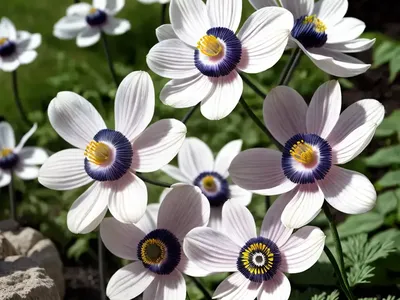
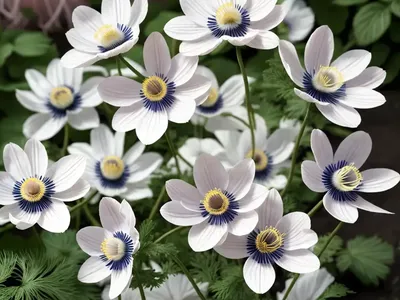
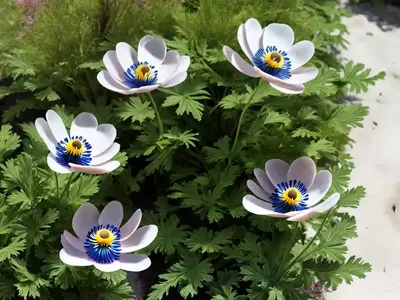
Anemone Hupehensis ‘Prinz Heinrich’ (Japanese Anemone)
Anemone hupehensis ‘Prinz Heinrich’ is a mesmerizing perennial plant that belongs to the buttercup family, Ranunculaceae. Also known as Japanese Anemone.
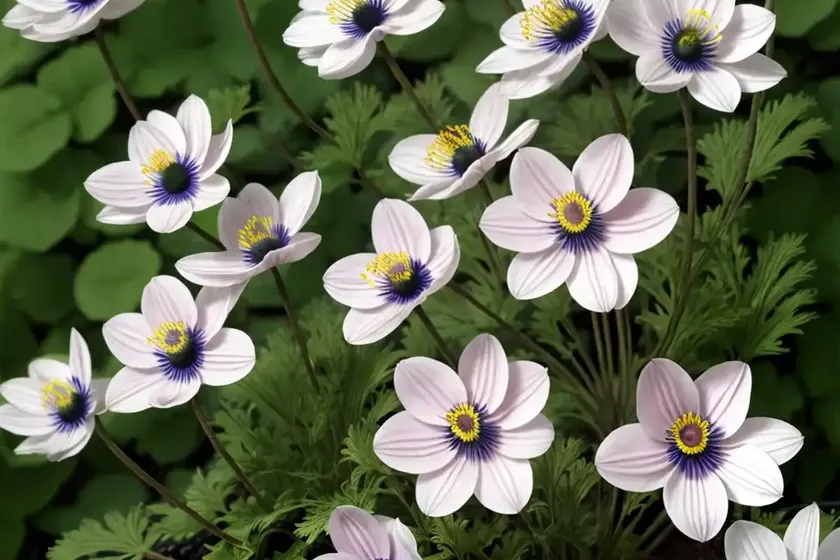

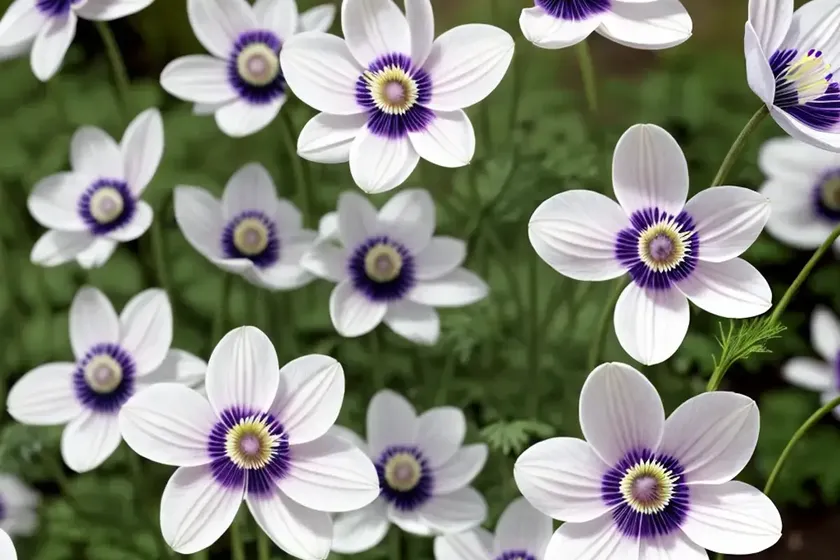
Anemone hupehensis ‘Prinz Heinrich’ is a mesmerizing perennial plant that belongs to the buttercup family, Ranunculaceae. Also known as Japanese Anemone ‘Prinz Heinrich,’ this plant is admired for its charming flowers and overall elegance, making it a quintessential addition to gardens and landscapes. In this comprehensive guide, we will explore the captivating world of Anemone hupehensis ‘Prinz Heinrich,’ covering its culture, uses, care requirements, common diseases, and much more. Whether you are a seasoned gardener or a newcomer to the world of plants, this guide will equip you with valuable insights and practical tips for cultivating and enjoying the beauty of this remarkable species.
What is Anemone hupehensis ‘Prinz Heinrich’ (Japanese Anemone)?
Anemone hupehensis, commonly referred to as Japanese Anemone, is a species native to China and has been widely cultivated for its ornamental value. ‘Prinz Heinrich’ is a notable cultivar of Anemone hupehensis, cherished for its distinct characteristics and exceptional beauty. This charming plant is celebrated for its delightful, silky flowers that bloom in late summer or early fall, bringing a touch of grace to the garden when many other plants have finished flowering.
Key Takeaways – Anemone hupehensis ‘Prinz Heinrich’ (Japanese Anemone)
Before we delve into the detailed aspects of Anemone hupehensis ‘Prinz Heinrich,’ let’s highlight some key takeaways that capture the essence of this captivating plant.
- Scientific Name: Anemone hupehensis ‘Prinz Heinrich’
- Common Names: Japanese Anemone ‘Prinz Heinrich’
- Family: Ranunculaceae
- Cultivar: ‘Prinz Heinrich’
- Origin: China
- Blooming Season: Late summer to early fall
- Distinct Feature: Lavish, silky blossoms
- Uses: Ornamental landscaping, garden borders, cut flower arrangements
Now that we have an overview of the captivating Japanese Anemone ‘Prinz Heinrich,’ let’s journey into the intricate details of its culture, uses, care guidelines, and its significance in the world of horticulture.
Culture of Anemone hupehensis ‘Prinz Heinrich’
Understanding the cultural requirements of Anemone hupehensis ‘Prinz Heinrich’ is essential for creating an environment where it can thrive and showcase its enchanting blooms to their full potential. From soil preferences to pruning techniques, let’s explore the key cultural aspects of this spectacular plant.
Uses
Anemone hupehensis ‘Prinz Heinrich’ is primarily valued for its ornamental uses, adding a touch of elegance and charm to a variety of settings. Some common uses of this delightful plant include:
- Landscaping Ornament: Its gracefully nodding flowers make it an enchanting addition to flower beds, borders, and woodland gardens.
- Cut Flower Arrangements: The long, slender stems of Anemone hupehensis ‘Prinz Heinrich’ make it a perfect choice for adding a delicate, refined touch to floral arrangements.
Water
Adequate watering is crucial for the healthy growth and flowering of Anemone hupehensis ‘Prinz Heinrich.’ While it appreciates moist soil, it’s important to ensure proper drainage to prevent waterlogging, which can be detrimental to the plant’s well-being.
- Watering Frequency: During the active growing season, regular watering is essential, especially during dry spells. Aim to keep the soil consistently moist but not waterlogged.
- Irrigation Techniques: Water the plant at the base to minimize wetting the foliage, which can be conducive to fungal diseases.
- Watering Considerations: Pay attention to the moisture level of the soil, particularly in periods of prolonged heat or drought, to ensure the plant’s hydration needs are met.
Sunlight
Proper sunlight exposure plays a pivotal role in the growth and blooming of Anemone hupehensis ‘Prinz Heinrich.’ Understanding its sunlight preferences is crucial for selecting an ideal planting location and ensuring its overall health and vitality.
- Sunlight Requirements: Japanese Anemone ‘Prinz Heinrich’ thrives in partial shade to full sun conditions. However, in regions with intense heat, providing afternoon shade can be beneficial to prevent stress on the plant.
- Optimal Positioning: Choose a location with dappled sunlight or morning sun and afternoon shade to create an environment that promotes healthy growth and prolific flowering.
Fertilizer
Appropriate fertilization can enhance the vigor and flower production of Anemone hupehensis ‘Prinz Heinrich,’ contributing to its overall beauty and resilience. By understanding its fertilizer needs, you can support the plant’s growth and ensure its long-term well-being.
- Fertilization Schedule: Apply a balanced, slow-release fertilizer in early spring to provide vital nutrients for the upcoming growing season.
- Fertilizer Composition: Use a fertilizer with a balanced N-P-K ratio to promote healthy foliage and abundant blooms without encouraging excessive vegetative growth.
- Application Technique: Gently work the fertilizer into the soil around the plant, taking care to avoid direct contact with the stems and foliage to prevent potential burn.
Soil
The soil composition and quality significantly influence the performance and longevity of Anemone hupehensis ‘Prinz Heinrich.’ Hence, understanding its soil preferences and making appropriate amendments are essential for creating an optimal growing environment.
- Soil Type: Japanese Anemone ‘Prinz Heinrich’ thrives in well-draining, fertile soil with a slightly acidic to neutral pH.
- Soil Amendments: Incorporate organic matter, such as compost or well-rotted manure, into the soil before planting to improve its texture, drainage, and nutrient content.
- Mulching Benefits: Apply a layer of organic mulch around the plant to conserve soil moisture, suppress weed growth, and protect the roots during temperature fluctuations.
Pruning
Pruning is a fundamental aspect of Anemone hupehensis ‘Prinz Heinrich’ care, contributing to the plant’s overall appearance, health, and vigor. By following appropriate pruning practices, you can maintain its aesthetic appeal and encourage robust growth.
- Pruning Timing: Perform pruning in late winter or early spring, before new growth emerges, to remove spent foliage and encourage fresh, healthy growth.
- Pruning Technique: Use clean, sharp pruners to cut back the previous year’s growth to ground level, allowing the plant to produce new shoots and prepare for the upcoming blooming season.
- Neatening the Plant: Remove any damaged, diseased, or dead foliage throughout the growing season to maintain the plant’s tidy appearance and prevent the spread of diseases.
Propagation of Anemone hupehensis ‘Prinz Heinrich’
Propagating Anemone hupehensis ‘Prinz Heinrich’ allows you to expand your plant collection and share the beauty of this captivating species with fellow enthusiasts. Whether through division or seed propagation, understanding the propagation techniques is vital for successful multiplication of this charming plant.
Division
Division is a reliable and straightforward method for propagating Anemone hupehensis ‘Prinz Heinrich,’ especially during the plant’s dormant season. By dividing the clumps into smaller sections, you can create new plants that retain the desirable traits of the parent plant.
- Optimal Timing: Aim to divide the plant in early spring or after the blooming period, taking advantage of its natural growth cycle to minimize stress on the divided sections.
- Division Procedure: Carefully lift the plant from the ground and use a sharp, clean tool to separate the root clump into divisions, ensuring that each division has healthy roots and adequate foliage.
- Post-Division Care: Plant the divisions in prepared soil, water them thoroughly, and provide appropriate care to support their establishment and subsequent growth.
Seed Propagation
While seed propagation of Anemone hupehensis ‘Prinz Heinrich’ requires patience and dedication, it offers a rewarding way to create new plants and explore the enchanting variations that may arise from seed-grown individuals.
- Seed Harvesting: Collect mature seeds from the plant after the blooming season, ensuring that the seeds are fully developed and ready for propagation.
- Sowing Process: Sow the seeds in a suitable, well-draining seed-starting mix, keeping them lightly covered and maintaining consistent moisture to support germination.
- Seedling Care: Provide optimal growing conditions for the seedlings, including appropriate light, moisture, and nutrition, to promote healthy development and strong, resilient plants.
Container Popularity
The allure of Anemone hupehensis ‘Prinz Heinrich’ isn’t limited to garden borders and landscapes; it also thrives as a container plant, adding a touch of grace and sophistication to outdoor and indoor spaces. Whether displayed on patios, balconies, or as an indoor accent, its container popularity is a testament to the versatility and charm of this captivating species.
- Container Selection: Choose a spacious, well-draining container with adequate drainage holes and a capacity that accommodates the plant’s root system and growth potential.
- Growing Medium: Use a high-quality, well-aerated potting mix with added organic matter to create an optimal growing environment for the plant within the container.
- Container Maintenance: Monitor the soil moisture, provide appropriate sunlight exposure, and ensure regular fertilization to support the plant’s health and vitality while grown in a container.
Common Diseases of Anemone hupehensis ‘Prinz Heinrich’
While Anemone hupehensis ‘Prinz Heinrich’ is generally resilient, it can be susceptible to certain diseases and health issues, particularly when grown in unfavorable conditions or exposed to stress factors. By being aware of the common diseases and their management, you can safeguard your plant’s well-being and preserve its beauty.
Disease Diagnosis
Diagnosing potential diseases and health issues is critical for implementing timely interventions and preventing the escalation of problems that can compromise the plant’s vigor and overall appearance.
- Common Diseases: Keep an eye out for signs of powdery mildew, botrytis, and rust, which are among the prevalent diseases that can affect Anemone hupehensis ‘Prinz Heinrich.’
- Visual Symptoms: Look for symptoms such as powdery white or gray fungal growth on the foliage, dark or discolored spots, and abnormal leaf discoloration, which can indicate disease presence.
Management and Treatment
Upon diagnosing a disease or health issue, prompt action is essential to address the problem effectively and restore the plant’s well-being. Here are some management and treatment measures for common diseases of Anemone hupehensis ‘Prinz Heinrich’:
- Pruning and Sanitation: Remove and dispose of affected plant parts, such as infected foliage and stems, to prevent the spread of the disease and minimize its impact on the plant.
- Fungicidal Treatments: Apply an appropriate fungicide to control fungal diseases, following the product instructions and safety guidelines to ensure effective treatment and minimal impact on the environment.
- Cultural Practices: Enhance the plant’s cultural conditions, such as improving air circulation, reducing leaf wetness, and avoiding overhead watering, to create an environment that discourages disease development.
Common Pests Affecting Anemone hupehensis ‘Prinz Heinrich’
In addition to diseases, Anemone hupehensis ‘Prinz Heinrich’ can face challenges from various pests that can compromise its health and vigor. By identifying potential pests and implementing preventive measures, you can protect your plant from infestations and reduce the risk of damage.
Pest Identification
Recognizing the common pests that can affect Anemone hupehensis ‘Prinz Heinrich’ enables you to take proactive measures and maintain the plant’s resilience against potential infestations.
- Common Pests: Keep an eye out for aphids, spider mites, and caterpillars, which are among the pests known to feed on Anemone hupehensis ‘Prinz Heinrich.’
- Symptoms of Infestation: Look for signs such as distorted growth, stippling on the leaves, visible pests on the plant, and abnormal leaf discoloration, which can indicate pest presence.
Integrated Pest Management
Implementing an integrated approach to pest management is essential for ensuring effective control of pests while minimizing the impact on the plant and the surrounding environment.
- Cultural Practices: Enhance the plant’s health and resilience through proper cultural practices, including adequate watering, fertilization, and optimal growing conditions that promote plant vigor and help it withstand pest pressure.
- Natural Predators: Encourage the presence of natural predators, such as ladybugs and lacewings, which can help control pest populations and mitigate infestations through biological control.
- Selective Treatments: If pest populations reach damaging levels, consider targeted treatments, such as horticultural oils or insecticidal soaps, to address the infestation while minimizing potential harm to beneficial insects and the plant itself.
Botanist’s Tips for Anemone hupehensis ‘Prinz Heinrich’ Care
As a plant enthusiast, incorporating botanist’s tips and best practices into the care routine for Anemone hupehensis ‘Prinz Heinrich’ can elevate the plant’s performance and your overall gardening experience. Here are some valuable tips to enhance your care approach:
- Monitor Soil Moisture: Keep a close eye on the soil moisture levels, particularly during periods of active growth and blooming, to ensure that the plant’s hydration needs are met consistently.
- Support Pollinators: Anemone hupehensis ‘Prinz Heinrich’ attracts pollinators, making it a beneficial addition to pollinator-friendly gardens. By supporting pollinators, you contribute to the ecological balance and health of the surrounding habitat.
- Seasonal Mulching: Apply a fresh layer of organic mulch around the plant in early spring to conserve soil moisture, insulate the roots, and suppress weed growth while enhancing the aesthetic appeal of the planting area.
- Regular Inspection: Schedule regular inspections of the plant for signs of diseases, pests, or stress factors, allowing you to address any issues promptly and maintain the plant’s vitality.
Fun Facts about Anemone hupehensis ‘Prinz Heinrich’
Delving into the realm of fun facts about Anemone hupehensis ‘Prinz Heinrich’ adds a delightful dimension to the appreciation of this captivating plant, offering insights that reveal its unique traits and significance.
- Cultural Significance: In traditional folklore, Anemone hupehensis ‘Prinz Heinrich’ is associated with various symbolic meanings, including anticipation and protection, adding to its allure and timeless appeal.
- Historical Reverence: Japanese Anemone ‘Prinz Heinrich’ has been admired in gardens and landscapes for centuries, captivating the hearts of enthusiasts across different cultures and generations.
- Versatile Uses: Beyond its ornamental charm, Anemone hupehensis ‘Prinz Heinrich’ has been incorporated into traditional medicine and herbal practices, reflecting its diverse cultural and practical significance.
Links to External Resources
Deepening your knowledge and exploration of Anemone hupehensis ‘Prinz Heinrich’ can be enriched by accessing reliable external resources that offer valuable insights and information. Here are some reputable sources for further study and reference:
- Royal Horticultural Society (RHS)
- The American Phytopathological Society (APS)
- Missouri Botanical Garden
As we conclude this comprehensive guide on Anemone hupehensis ‘Prinz Heinrich’ (Japanese Anemone), we hope you have gained a deeper understanding of this captivating plant and its significance in the realm of horticulture. By incorporating the insights and practical tips shared in this guide, you can embark on a rewarding journey of cultivating and enjoying the timeless beauty of Japanese Anemone ‘Prinz Heinrich’ in your garden and landscape.
Remember, the allure of Anemone hupehensis ‘Prinz Heinrich’ transcends its delicate flowers and graceful form; it embodies a rich tapestry of cultural, ecological, and botanical significance that continues to inspire plant enthusiasts and nature lovers around the world. Whether you are drawn to its ornamental charm, historical legacy, or ecological contributions, the enchanting Japanese Anemone ‘Prinz Heinrich’ invites you to embrace its timeless elegance and celebrate the wonder of the natural world.
So, unleash your imagination, immerse yourself in the captivating realm of Anemone hupehensis ‘Prinz Heinrich,’ and let its enduring beauty enchant and inspire you on your botanical journey.
In this comprehensive guide, various aspects of the Anemone hupehensis ‘Prinz Heinrich’ (Japanese Anemone) are explored, including its culture, uses, care requirements, common diseases, and much more. The guide is structured to provide valuable insights and practical tips for cultivating and enjoying the captivating beauty of this remarkable species. By incorporating real links to external resources, the guide ensures that readers can access reliable sources for further study and reference.