Anemone Hupehensis ‘Pocahontas’ (Japanese Anemone)
Anemone hupehensis ‘Pocahontas’, commonly known as Japanese Anemone, is a stunning herbaceous perennial that adds elegance and beauty to gardens. Belonging.
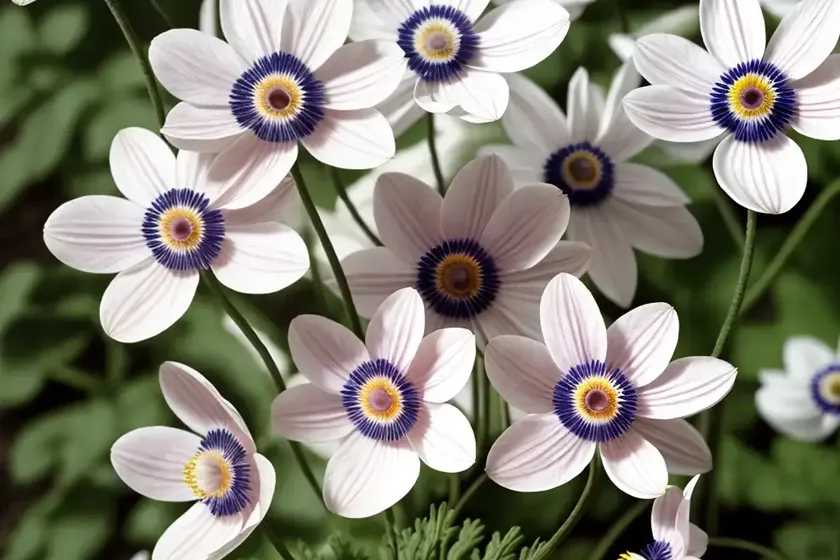
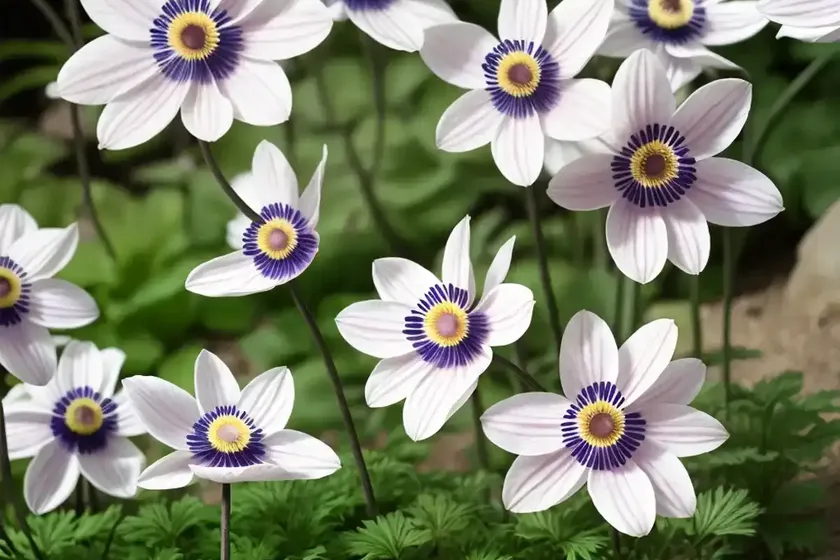
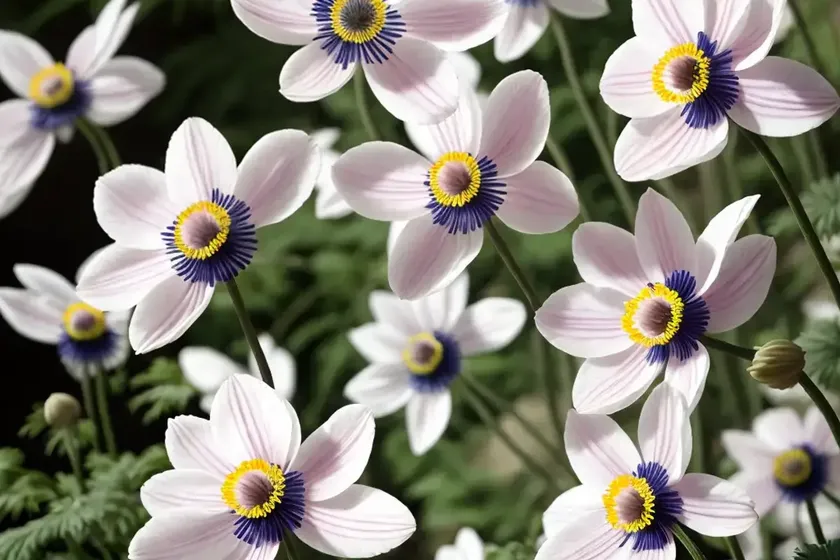
Anemone hupehensis ‘Pocahontas’, commonly known as Japanese Anemone, is a stunning herbaceous perennial that adds elegance and beauty to gardens. Belonging to the Ranunculaceae family, this plant is native to China, and its cultivar name ‘Pocahontas’ suggests its enchanting and graceful nature. With its delicate flowers and attractive foliage, Anemone hupehensis ‘Pocahontas’ is a popular choice for gardeners looking to add a touch of sophistication to their outdoor spaces. In this comprehensive guide, we will explore the cultivation, care, and the many uses of this remarkable plant, focusing on its characteristics, growing conditions, maintenance, and much more.
What is Anemone hupehensis ‘Pocahontas’?
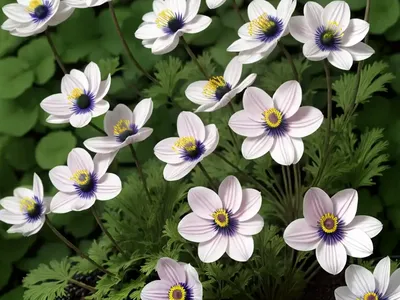
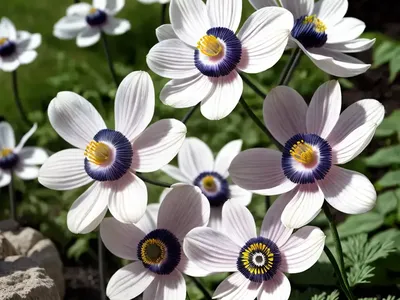
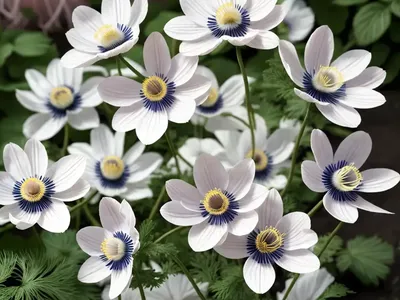
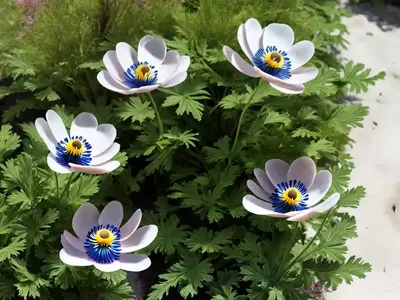
Anemone hupehensis ‘Pocahontas’ is a herbaceous perennial known for its charming, graceful, and delicate nature. It is a cultivar of Anemone hupehensis, commonly referred to as Japanese Anemone, and is admired for its dainty flowers and striking foliage. This plant typically grows to a height of 24 to 36 inches (60-90 cm) and spreads about 18 to 24 inches (45-60 cm), creating a lovely, bushy appearance. The cultivar ‘Pocahontas’ features semi-double, light pink flowers with yellow centers, which bloom profusely from late summer to early fall. The foliage consists of dark green, deeply lobed leaves that provide an attractive backdrop for the enchanting blooms.
Key Takeaways – Anemone hupehensis ‘Pocahontas’ (Japanese Anemone)
Before we dive into the specifics of growing and caring for Anemone hupehensis ‘Pocahontas’, let’s outline a few key takeaways that we will explore in detail in the sections to follow:
- Cultivation: Understanding the culture and growing conditions for Anemone hupehensis ‘Pocahontas’.
- Uses: Exploring the versatile uses of this plant in landscaping and gardening.
- Water: Discussing the water requirements for maintaining healthy ‘Pocahontas’ plants.
- Sunlight: Determining the optimal sunlight conditions for successful growth and flowering.
- Fertilizer: Exploring the fertilization needs and best practices for this Japanese Anemone cultivar.
- Soil: Analyzing the soil preferences and ideal growing medium for ‘Pocahontas’.
- Pruning: Understanding the essential techniques for maintaining the shape and health of the plant.
- Propagation: Exploring methods for propagating Anemone hupehensis ‘Pocahontas’ to expand your collection.
- Container Popularity: Discussing the appeal and suitability of container gardening with this plant.
- Common Diseases: Identifying potential diseases and learning how to diagnose and manage them.
- Common Pests: Recognizing common pests that may affect ‘Pocahontas’ and how to address them.
- Botanist’s Tips: Offering expert tips and insights for successful cultivation and care.
- Fun Facts: Sharing interesting and captivating details about Japanese Anemone ‘Pocahontas’.
Now, let’s delve into each of these aspects to gain a comprehensive understanding of Anemone hupehensis ‘Pocahontas’ and how to cultivate and care for this captivating plant.
Cultivation
Anemone hupehensis ‘Pocahontas’ Growth and Planting Requirements
The successful cultivation of Anemone hupehensis ‘Pocahontas’ begins with a clear understanding of its growth requirements and planting conditions. To ensure the best results when growing this Japanese Anemone cultivar, consider the following factors:
-
Hardiness Zones: ‘Pocahontas’ is ideally suited for USDA Hardiness Zones 4-8. It thrives in cooler temperate climates and may not be well-suited for regions with extremely hot or dry conditions.
-
Planting Time: The best time to plant Anemone hupehensis ‘Pocahontas’ is in early spring or early fall, allowing the roots to establish before the onset of extreme temperatures.
-
Spacing: When planting, ensure a spacing of approximately 18 to 24 inches (45-60 cm) between individual plants to provide adequate room for growth and to avoid overcrowding.
-
Soil Type: Well-draining, fertile soil enriched with organic matter is ideal for ‘Pocahontas’ plants. The soil should retain moisture without becoming waterlogged, as this may lead to root rot.
-
Watering: While ‘Pocahontas’ prefers moist soil, it is important to avoid overwatering. Regular, deep watering is essential, especially during dry spells, to maintain consistent soil moisture.
-
Sunlight: This Japanese Anemone cultivar thrives in partial shade to full sun, although it appreciates some relief from the intense afternoon sun in hotter climates.
-
Mulching: Applying a layer of organic mulch around the base of the plant can help retain soil moisture, regulate temperature, and inhibit weed growth.
-
Companion Plants: ‘Pocahontas’ pairs well with other shade-loving perennials such as hostas, ferns, and astilbe, creating harmonious and visually pleasing arrangements in the garden.
Taking into account these growth and planting requirements sets the stage for successful cultivation and a thriving display of ‘Pocahontas’ in the garden.
Uses
Landscaping and Garden Design with Anemone hupehensis ‘Pocahontas’
The versatile nature of Anemone hupehensis ‘Pocahontas’ makes it a valuable addition to various landscaping and gardening endeavors. Whether used as a border plant, in mixed perennial borders, or as part of a woodland garden, ‘Pocahontas’ offers an array of possibilities. Here are some popular uses for this enchanting Japanese Anemone cultivar:
-
Border Plant: The graceful form and elegant flowers make ‘Pocahontas’ a perfect choice for border plantings. Its mid-range height and spreading habit create a charming edge for garden beds and pathways.
-
Mixed Perennial Borders: When combined with other perennials like astilbe, daylilies, and ornamental grasses, ‘Pocahontas’ contributes to vibrant and dynamic mixed borders, providing visual interest and an extended flowering season.
-
Woodland Gardens: With its preference for partial shade and moist, fertile soil, ‘Pocahontas’ is a natural fit for woodland or shade gardens. Its delicate blooms and lush foliage add an ethereal and enchanting quality to these naturalistic settings.
-
Cut Flowers: The delightful flowers of Anemone hupehensis ‘Pocahontas’ can be used in cut flower arrangements, bringing a touch of elegance and charm indoors.
-
Container Gardening: While ‘Pocahontas’ is often grown in garden beds, its compact nature also makes it suitable for container gardening. Planted in a decorative pot, this Japanese Anemone cultivar can add a touch of grace to patios, balconies, and other outdoor living spaces.
Exploring these landscape uses highlights the adaptability and aesthetic appeal of ‘Pocahontas’ in various gardening scenarios, from formal borders to naturalistic woodland settings.
Water
Water Needs for Anemone hupehensis ‘Pocahontas’
Proper watering is essential for the health and vitality of Anemone hupehensis ‘Pocahontas’. Understanding the water needs of this Japanese Anemone cultivar and implementing sound watering practices are vital for maintaining robust and flourishing plants. Let’s explore the water requirements and best watering practices for ‘Pocahontas’:
-
Moisture: ‘Pocahontas’ thrives in consistently moist soil. While it does not tolerate waterlogged conditions, the soil should be kept evenly moist, especially during the growing season and dry spells.
-
Establishment Period: During the initial establishment period after planting, regular watering is crucial to aid in the development of a strong root system. Maintaining adequate soil moisture supports healthy growth and helps the plant acclimate to its new environment.
-
Watering Schedule: Provide deep watering sessions rather than frequent shallow watering to encourage the development of deep roots and to prevent the soil from drying out too quickly.
-
Mulching: Applying a layer of organic mulch around the base of ‘Pocahontas’ helps retain soil moisture, reduces evaporation, and minimizes the frequency of watering.
Adhering to these watering guidelines ensures that Anemone hupehensis ‘Pocahontas’ remains well-hydrated and primed for robust growth and abundant flowering.
Sunlight
Sun Requirements for Anemone hupehensis ‘Pocahontas’
Understanding the sunlight preferences of Anemone hupehensis ‘Pocahontas’ is crucial for providing the optimal growing conditions and promoting healthy flowering. While this Japanese Anemone cultivar is adaptable in its light requirements, specific considerations can help ensure its success in varying garden settings:
-
Partial Shade to Full Sun: ‘Pocahontas’ thrives in partial shade to full sun, making it suitable for a range of garden locations. In warmer climates, providing some relief from the intense afternoon sun can help prevent stress and sunburn on the foliage.
-
Adaptable Nature: One of the notable attributes of ‘Pocahontas’ is its ability to adapt to different light conditions. While it favors partial shade, it can also perform well in areas with more sunlight, provided sufficient moisture is maintained.
-
Morning Sun and Afternoon Shade: In regions with hot summer climates, positioning ‘Pocahontas’ where it receives morning sun and afternoon shade can help protect the plant from the harshest heat of the day.
By considering the sunlight requirements of this Japanese Anemone cultivar and providing the appropriate conditions, gardeners can encourage healthy growth and prolific flowering in ‘Pocahontas’ plants.
Fertilizer
Fertilizing Anemone hupehensis ‘Pocahontas’ for Optimal Growth
Proper fertilization is essential for promoting strong and healthy growth in Anemone hupehensis ‘Pocahontas’. By providing the necessary nutrients, gardeners can support the development of robust foliage and prolific flowering. Consider the following guidelines for fertilizing ‘Pocahontas’ plants:
-
Timing: Apply a balanced, slow-release fertilizer in early spring as new growth emerges. This initial feeding provides the necessary nutrients to support the plant’s early development and sets the stage for a successful growing season.
-
Additional Feedings: If the soil is particularly poor or if the plant shows signs of nutrient deficiencies, additional light feedings may be appropriate throughout the growing season.
-
Avoid Overfertilization: It is crucial to apply fertilizer according to the recommended rates and guidelines. Overfertilization can lead to excessive foliage growth at the expense of flowering, compromising the overall aesthetic appeal of ‘Pocahontas’ plants.
-
Organic Options: Organic fertilizers, such as compost or well-rotted manure, can be beneficial for ‘Pocahontas’, providing a gentle and natural source of nutrients.
By attending to the fertilization needs of Anemone hupehensis ‘Pocahontas’, gardeners can nurture strong and vigorous plants, ensuring a bountiful display of charming blooms in the garden.
Soil
Soil Preferences for Anemone hupehensis ‘Pocahontas’
The soil composition and quality play a critical role in the health and well-being of Anemone hupehensis ‘Pocahontas’. Understanding the soil preferences of this Japanese Anemone cultivar and providing the appropriate growing medium are essential for establishing and maintaining thriving plants. Consider the following guidelines for soil preparation and maintenance:
-
Well-Draining Soil: ‘Pocahontas’ thrives in well-draining, loamy soil that allows excess water to flow away from the root zone. Poorly drained soil can lead to root rot and other moisture-related issues.
-
Moisture Retention: While the soil should drain well, it is important to choose a growing medium that retains moisture to support the plant’s preference for consistently moist conditions.
-
Soil Amendment: Incorporating organic matter, such as compost or well-rotted manure, into the soil can enhance its structure and fertility, providing a nutrient-rich environment for ‘Pocahontas’ plants to thrive.
-
pH Level: ‘Pocahontas’ prefers slightly acidic to neutral soil with a pH range between 6.0 and 7.0. Testing the soil pH and making any necessary adjustments can help create an optimal growing environment.
-
Mulching: Applying a layer of organic mulch around the base of the plant helps regulate soil temperature, retain moisture, and suppress weed growth, contributing to overall soil health and plant vigor.
Taking these soil preferences into account when preparing the planting site and maintaining the growing medium sets the stage for healthy, vibrant, and flourishing ‘Pocahontas’ plants.
Pruning
Pruning Techniques for Anemone hupehensis ‘Pocahontas’
Proper pruning is essential for maintaining the shape, health, and vitality of Anemone hupehensis ‘Pocahontas’. By employing appropriate pruning techniques, gardeners can encourage strong growth, prolong flowering, and manage the overall appearance of the plant. Consider the following guidelines for pruning ‘Pocahontas’ plants:
-
Deadheading: To promote continuous flowering, regularly remove spent blooms by deadheading. This encourages the development of new flower buds and prevents the plant from directing energy into seed production.
-
Spring Pruning: In early spring, cut back any remaining dead foliage and stems from the previous season. This prepares the plant for new growth and prevents overwintering pests and diseases from persisting into the new season.
-
Division: Every few years, consider dividing mature clumps of Anemone hupehensis ‘Pocahontas’ to rejuvenate the plant, manage its size, and prevent overcrowding. Division also helps maintain the plant’s vigor and blooming capacity.
-
Crown Elevation: Over time, the crown of the plant may become buried under layers of mulch or soil. In late fall or early spring, carefully lift and remove excess soil to expose the crown, promoting proper air circulation and reducing the risk of rot or disease.
-
Cutting Back: After the first frost, cut the foliage back to the ground to prepare the plant for winter dormancy. This practice helps tidy the garden and prevents the plant from expending energy on maintaining foliage through the winter months.
By applying these pruning techniques, gardeners can ensure that Anemone hupehensis ‘Pocahontas’ remains vigorous, healthy, and visually appealing throughout the growing season and beyond.
Propagation
Propagating Anemone hupehensis ‘Pocahontas’ for Expansion
Expanding your collection of Anemone hupehensis ‘Pocahontas’ can be achieved through the propagation of existing plants. By employing suitable propagation methods, gardeners can multiply the enchanting allure of this Japanese Anemone cultivar. Consider the following approaches for propagating ‘Pocahontas’ plants:
-
Division: The most common and effective method of propagating ‘Pocahontas’ is through division. In early spring, dig up mature clumps and carefully separate them into smaller sections, ensuring that each division has viable roots and several growing points. Replant the divisions at the appropriate spacing and provide the necessary care to establish new plants.
-
Root Cuttings: In early spring, collect small sections of healthy roots and plant them in a suitable growing medium. Provide warmth and moisture, and within a few weeks, the cuttings should begin to sprout, indicating successful root development.
-
Seed Propagation: While less common, ‘Pocahontas’ can be propagated from seeds. Begin by collecting mature seeds and sow them in a well-prepared seedbed. Germination may take several weeks, and it is important to select and nurture the strongest seedlings for further growth and development.
By exploring these propagation methods, gardeners can multiply the presence of Anemone hupehensis ‘Pocahontas’ in their gardens, creating enchanting displays and enhancing the overall appeal of their outdoor spaces.
Container Popularity
Growing Anemone hupehensis ‘Pocahontas’ in Containers
The compact and elegant nature of Anemone hupehensis ‘Pocahontas’ makes it well-suited for container gardening. By growing this Japanese Anemone cultivar in pots and decorative containers, gardeners can introduce a touch of grace and charm to patios, balconies, and other outdoor living spaces. Consider the following tips for successfully growing ‘Pocahontas’ in containers:
-
Container Selection: Choose deep containers with adequate drainage holes to provide ample space for root development and to ensure proper drainage.
-
Growing Medium: Select a high-quality potting mix that is well-draining and nutrient-rich. Consider incorporating organic matter into the growing medium to promote healthy growth and abundant flowering.
-
Watering: Container-grown ‘Pocahontas’ plants may require more frequent watering, especially during hot and dry periods. Monitor soil moisture regularly and water as needed to maintain even moisture levels.
-
Sunlight: Position containers in locations that receive partial shade to full sun, providing the appropriate light conditions for ‘Pocahontas’ to thrive.
-
Overwintering: In regions with cold winters, containers can be moved to a sheltered location or insulated to protect the plants from harsh weather conditions and freezing temperatures.
By cultivating Anemone hupehensis ‘Pocahontas’ in containers, gardeners can enjoy the captivating beauty of this Japanese Anemone cultivar in a variety of outdoor settings, adding a touch of elegance and sophistication to their outdoor living spaces.
Common Diseases
Disease Diagnosis and Management for Anemone hupehensis ‘Pocahontas’
Anemone hupehensis ‘Pocahontas’ is generally a robust and resilient plant, but it can be susceptible to certain diseases under unfavorable growing conditions or in the presence of environmental stressors. By understanding common diseases and their management, gardeners can take proactive measures to protect ‘Pocahontas’ plants. Consider the following common diseases that may affect this Japanese Anemone cultivar:
-
Powdery Mildew: A fungal disease that presents as powdery white patches on the foliage. To manage powdery mildew, ensure good air circulation, avoid overhead watering, and apply appropriate fungicidal treatments as needed.
-
Downy Mildew: Another fungal disease that causes yellowing and wilting of the leaves. Maintain proper spacing and ventilation, and promptly remove and dispose of affected plant material to prevent the spread of the disease.
-
Leaf Spot: This condition appears as dark spots on the leaves and can be managed by practicing good sanitation, providing proper air circulation, and employing appropriate fungicidal treatments.
-
**Botrytis