Anaphalis margaritacea (Pearly Everlasting): A Comprehensive Guide
Plants are an essential part of our ecosystem, providing oxygen, food, and medicine. Among the myriad of plants that grace our planet, Anaphalis margaritacea, commonly known as Pearly Everlasting, stands out for its unique characteristics and versatile uses. In this comprehensive guide, we will delve into the various aspects of this intriguing plant, from its description and cultivation to its medicinal properties and ecological significance.
What is Anaphalis margaritacea?
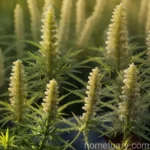
Anaphalis margaritacea is a herbaceous perennial plant belonging to the family Asteraceae. It is native to North America, where it can be found in a variety of habitats, including meadows, grasslands, and open woodlands. This species is known for its distinctive appearance, characterized by clusters of small, white, papery flowers and silvery foliage. The plant is valued not only for its ornamental beauty but also for its historical and contemporary uses in traditional medicine and crafts.
Anaphalis margaritacea Description
- Scientific Name: Anaphalis margaritacea
- Common Name: Pearly Everlasting
- Family: Asteraceae
- Native Habitat: North America
- Plant Type: Herbaceous Perennial
Key Takeaways – Anaphalis margaritacea
Before we dive into the specifics of cultivating and caring for Pearly Everlasting, let’s explore some key takeaways about this fascinating plant.
Anaphalis margaritacea Characteristics
- Herbaceous perennial with silvery foliage
- Clusters of small, white, papery flowers
- Native to North America
- Adapted to a variety of habitats, including meadows and open woodlands
- Valued for its ornamental and medicinal properties
Now, let’s turn our attention to the various aspects of cultivating and caring for Anaphalis margaritacea.
Culture
Uses
Anaphalis margaritacea has been used for various purposes, ranging from traditional medicine to decorative crafts. Some of its primary uses include:
- Medicinal Purposes: Pearly Everlasting has a long history of use in traditional medicine. The plant has been employed in the treatment of respiratory ailments, fevers, and wounds. Additionally, it has been used to prepare herbal teas and infusions.
- Ornamental Plant: The silvery foliage and papery white flowers of Anaphalis margaritacea make it a popular choice for ornamental plantings in gardens and landscapes.
- Crafts and Floral Arrangements: The dried flowers of Pearly Everlasting are often used in dried floral arrangements, wreaths, and crafts due to their longevity and delicate appearance.
Water
Anaphalis margaritacea is a relatively low-maintenance plant when it comes to watering. It thrives in well-drained soil and is moderately tolerant of drought once established. However, it is important to ensure that the plant receives adequate moisture, especially during periods of extended dryness. When watering, it is best to provide a deep, thorough watering to encourage the development of a robust root system.
Sunlight
Pearly Everlasting performs best in full sun to partial shade. It appreciates ample sunlight during the growing season, which contributes to the development of abundant blooms and sturdy foliage. While the plant can tolerate partial shade, providing it with adequate sunlight is essential for promoting healthy growth and flowering.
Fertilizer
Anaphalis margaritacea typically does not require heavy fertilization. In most cases, the plant can thrive in average soil without the need for frequent feeding. However, if the soil is poor or lacking in essential nutrients, a light application of balanced, slow-release fertilizer in the spring can help support the plant’s growth and overall vigor.
Soil
Pearly Everlasting prefers well-drained soil with a slightly acidic to neutral pH. It can adapt to a range of soil types, including sandy, loamy, or rocky soils. Good drainage is particularly important to prevent waterlogging, which can be detrimental to the plant’s health. Additionally, incorporating organic matter into the soil can improve its fertility and structure, benefiting the growth of Anaphalis margaritacea.
Pruning
Pruning is generally minimal for Anaphalis margaritacea. Deadheading spent flowers can promote prolonged blooming and prevent the plant from self-seeding excessively. Additionally, removing any damaged or withered foliage can help maintain the plant’s appearance and overall health. Pruning can be done as needed throughout the growing season, with a more thorough cleanup during the fall to prepare the plant for winter dormancy.
Propagation
Anaphalis margaritacea can be propagated through various methods, including division, cuttings, and seed sowing.
Propagation from Division
Dividing established clumps of Pearly Everlasting is an effective way to propagate the plant. This can be done in the early spring or fall, when the plant is not in active growth. Carefully dig up the clump and separate the individual sections, ensuring that each division has a sufficient number of roots. Replant the divisions in prepared soil, water thoroughly, and provide appropriate care to support their establishment.
Propagation from Cuttings
Propagation from cuttings is another viable method for multiplying Anaphalis margaritacea. Select healthy, non-flowering shoots and take cuttings of appropriate length, typically 4 to 6 inches. Remove the lower leaves and treat the cut end with a rooting hormone to encourage root development. Plant the cuttings in a well-draining rooting medium, maintain proper moisture levels, and provide indirect light. With time and proper care, the cuttings should develop roots and can be transplanted into individual pots or the garden.
Propagation from Seeds
Growing Anaphalis margaritacea from seeds is relatively straightforward. Collect mature seeds from the plant and sow them in pots or prepared garden beds in the fall or early spring. Gently press the seeds into the soil surface and cover lightly with a thin layer of vermiculite or fine soil. Keep the growing medium consistently moist, and provide warmth and light for germination. Once the seedlings have developed several sets of true leaves, they can be transplanted to their desired location.
Container Popularity
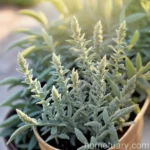
Pearly Everlasting is well-suited for container cultivation, making it an excellent choice for adding charm to patios, balconies, and small gardens. Its compact growth habit and ornamental appeal make it a delightful addition to container plantings, where its silvery foliage and white blooms can brighten up any space.
Container Common Diseases
While Anaphalis margaritacea is relatively resistant to many common plant diseases, it may be susceptible to issues such as powdery mildew, particularly in humid or poorly ventilated conditions. Regular monitoring, proper spacing, and adequate airflow can help mitigate the risk of disease development in container-grown Pearly Everlasting.
Disease Diagnosis
Diagnosing diseases in container-grown Pearly Everlasting involves careful observation of the plant’s foliage, stems, and overall growth. Common signs of powdery mildew include the presence of white, powdery spots on the leaves, which can result in leaf distortion and reduced vigor. Prompt action, such as adjusting the growing conditions, improving airflow, or using organic fungicidal sprays, can aid in managing and preventing disease outbreaks.
Common Pests
Anaphalis margaritacea is generally resistant to many pests, but it may occasionally attract aphids, especially during periods of new growth and flowering. Aphids can be managed through various methods, including the application of insecticidal soaps, introducing natural predators, or using physical removal techniques. Regular monitoring and early intervention can help preserve the health and vitality of container-grown Pearly Everlasting.
Botanist’s Tips
As a plant scientist, I have had the privilege of studying and working with a wide array of plant species, including Anaphalis margaritacea. Here are a few tips and insights based on my experience:
-
Anaphalis margaritacea Maintenance: Regular monitoring of the plant’s growth and health is essential for ensuring its long-term well-being. By staying attentive to its needs and making timely adjustments, you can help promote robust growth and abundant flowering.
-
Wildlife Benefits: Pearly Everlasting serves as a valuable resource for pollinators such as bees and butterflies, attracting these beneficial creatures to the garden. By cultivating Anaphalis margaritacea, you can contribute to the support of local wildlife and enhance the ecological diversity of your surroundings.
-
Cultural Significance: Beyond its practical uses, Pearly Everlasting holds cultural and symbolic significance in various traditions. Its enduring white flowers have been associated with purity, longevity, and spiritual connections, adding an extra layer of meaning to its presence in gardens and landscapes.
Fun Facts
To shed light on the intriguing nature of Anaphalis margaritacea, here are a few captivating fun facts about this remarkable plant:
- The common name “Pearly Everlasting” is derived from the plant’s enduring, papery white flowers, which retain their appearance and appeal even after drying.
- Anaphalis margaritacea’s silvery foliage exhibits a striking contrast against the backdrop of greenery, contributing to its visual allure and desirability in ornamental plantings.
- Historically, various Native American tribes utilized Pearly Everlasting for medicinal, ceremonial, and practical purposes, highlighting its cultural importance and versatility.
Links to External Resources
For those seeking further information and resources on Anaphalis margaritacea, the following links provide valuable insights and knowledge about this captivating plant:
- United States Department of Agriculture (USDA) Plant Profile for Anaphalis margaritacea
- Missouri Botanical Garden – Anaphalis margaritacea
- The Xerces Society for Invertebrate Conservation – Pollinator Conservation Resource Center
In conclusion, Anaphalis margaritacea, or Pearly Everlasting, exemplifies the beauty, resilience, and multifaceted value of plants in our world. Through its ornamental charm, ecological contributions, and historical significance, this remarkable species invites us to appreciate and celebrate the diversity and wonder of the plant kingdom.
Seeking to understand and cultivate Anaphalis margaritacea is not only a journey of horticultural exploration but also an invitation to connect with nature and the rich tapestry of life that it sustains. As we embrace the marvels of Pearly Everlasting and other plants, we deepen our appreciation for the intricate web of life that surrounds us, fostering a deeper sense of harmony and respect for the natural world.