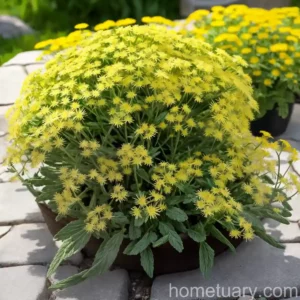
Aster x frikartii ‘Jungfrau’ (Frikart’s Aster)
Aster x frikartii ‘Jungfrau’, also known as Frikart’s Aster, is a stunning flowering plant that has gained popularity in gardens and landscapes around the world. This perennial plant offers an abundance of attractive features and is relatively easy to care for, making it a favorite among gardeners and plant enthusiasts.
In this comprehensive guide, we will explore the various aspects of Aster x frikartii ‘Jungfrau’, including its cultural requirements, uses in landscaping, propagation methods, common diseases and pests, as well as valuable tips for successful cultivation. Whether you are a beginner or an experienced gardener, this article will equip you with the knowledge and techniques needed to grow and maintain this beautiful aster variety.
What is Aster x frikartii ‘Jungfrau’?
Aster x frikartii ‘Jungfrau’ is a cultivar of the Asteraceae family, which is renowned for its vibrant and long-lasting blooms. This perennial plant is a hybrid resulting from a cross between Aster amellus and Aster thomsonii, both of which are native to Europe. The cultivar name ‘Jungfrau’ translates to “virgin” in German, alluding to the pure and pristine appearance of its flowers.
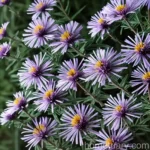
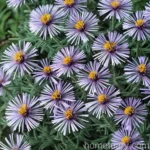
The plant typically forms a compact, bushy mound of foliage, adorned with an abundance of daisy-like flowers that exhibit a captivating blend of colors. The blooms of Aster x frikartii ‘Jungfrau’ are characterized by a golden-yellow center surrounded by delicate lavender-blue petals, creating a visually striking and charming display.
The foliage of this aster cultivar is also noteworthy, with narrow, lance-shaped leaves that provide an attractive backdrop to the profusion of blossoms. Throughout the growing season, from late spring to early fall, Aster x frikartii ‘Jungfrau’ remains adorned with its alluring flowers, attracting pollinators and enlivening its surroundings with color and elegance.
Key Takeaways – Aster x frikartii ‘Jungfrau’
Before delving into the specific aspects of growing and caring for Aster x frikartii ‘Jungfrau’, let’s summarize the key takeaways regarding this delightful aster variety:
- Scientific Name: Aster x frikartii ‘Jungfrau’
- Common Name: Frikart’s Aster ‘Jungfrau’
- Family: Asteraceae
- Native Range: Europe
- Cultural Requirements: Well-drained soil, ample sunlight, regular watering, and occasional fertilization
- Uses: Landscaping, borders, mixed plantings, cut flowers
- Propagation: Division, seed sowing
- Popularity: Widely favored in gardens and landscapes
- Common Diseases: Powdery mildew, aster yellows
- Common Pests: Aphids, leafhoppers
- Botanist’s Tips: Deadheading for prolonged blooms, division every few years for rejuvenation
With these key points in mind, let’s explore each aspect of Aster x frikartii ‘Jungfrau’ in detail, from its cultural requirements to its potential uses in gardens and landscapes.
Culture
The successful cultivation of Aster x frikartii ‘Jungfrau’ relies on providing the right growing conditions and care. By understanding its cultural requirements, gardeners can ensure the optimal development and flowering of this charming aster variety.
Water
Aster x frikartii ‘Jungfrau’ thrives in well-drained soil and benefits from consistent moisture, particularly during dry spells. While the plant is relatively tolerant of drought once established, providing regular watering, especially during the summer months, promotes healthy growth and abundant flowering.
When watering Aster x frikartii ‘Jungfrau’, it is important to aim for even moisture without allowing the soil to become waterlogged. Deep, infrequent watering is preferable over frequent shallow watering, as it encourages the development of a robust root system and helps the plant withstand periods of heat and dryness.
Sunlight
Ample sunlight is essential for the flourishing of Aster x frikartii ‘Jungfrau’. This aster cultivar thrives in full sun to partial shade, with at least 6 hours of direct sunlight per day being ideal for prolific blooming and sturdy growth.
When selecting a planting site for Aster x frikartii ‘Jungfrau’, prioritize locations with abundant sunlight, especially in regions with cooler summers. While the plant can tolerate some shade, it may exhibit reduced flowering and a more open growth habit when grown in shadier conditions.
Fertilizer
Aster x frikartii ‘Jungfrau’ benefits from light fertilization to support its vigorous growth and prolific flowering. Incorporating a balanced, slow-release fertilizer into the soil in early spring, as new growth emerges, provides the plant with essential nutrients for the upcoming growing season.
Alternatively, applying a liquid fertilizer formulated for flowering perennials every 4-6 weeks during the growing season can also bolster the performance of Aster x frikartii ‘Jungfrau’. Be cautious not to over-fertilize, as excessive nitrogen can lead to lush foliage at the expense of flowering.
Soil
The soil requirements of Aster x frikartii ‘Jungfrau’ center on well-drained, moderately fertile soil with a neutral to slightly alkaline pH. Loamy or sandy loam soils that offer good drainage and aeration are particularly well-suited for this aster variety, promoting healthy root development and overall vitality.
If the native soil is heavy or compacted, amending it with organic matter such as compost or well-rotted manure improves its structure and enhances its moisture-retaining capacity. Prior to planting Aster x frikartii ‘Jungfrau’, preparing the soil by loosening it to a depth of 12-15 inches and incorporating organic amendments fosters an optimal environment for the plant’s growth.
Pruning
Pruning plays a pivotal role in maintaining the vigor and appearance of Aster x frikartii ‘Jungfrau’, ensuring a tidy and floriferous display throughout the growing season. Proper pruning techniques help manage the plant’s growth, prolong its blooming period, and prevent the development of disease or pests.
Deadheading
Removing spent flowers through deadheading not only keeps Aster x frikartii ‘Jungfrau’ looking neat and attractive but also encourages the production of new blooms. As the flowers fade, snip them off just above a set of healthy leaves or buds to prompt the emergence of fresh blossoms and prevent seed formation.
Regular deadheading throughout the blooming season, typically from mid-summer to early fall, sustains the plant’s flowering performance and prevents self-seeding, which can lead to unwanted proliferation in the garden.
Division
Dividing Aster x frikartii ‘Jungfrau’ every 3-4 years rejuvenates the plant, invigorating its growth and ensuring its long-term health. Division is best carried out in early spring or early fall, allowing ample time for the divided segments to establish before the onset of extreme temperatures.
To divide Aster x frikartii ‘Jungfrau’, carefully lift the plant from the ground, gently tease apart the root mass, and separate healthy, vigorous segments with well-developed roots and shoots. Replant the divisions at the same depth as the original plant, spacing them adequately to accommodate their future growth.
Containment
Given its vigorous growth habit, Aster x frikartii ‘Jungfrau’ may benefit from containment in the garden, especially in regions with fertile soil and ample moisture. Erecting support structures such as hoop stakes or grid-like frameworks early in the growing season helps prevent the plant from sprawling or flopping, maintaining an upright and compact form.
Pruning or pinching the tips of young shoots during the early stages of growth also promotes a more densely branched habit and discourages the development of leggy or straggly stems.
Propagation
The propagation of Aster x frikartii ‘Jungfrau’ can be achieved through division or seed sowing, offering gardeners flexibility in expanding their plant collection or sharing this charming aster variety with others.
Division
Dividing established clumps of Aster x frikartii ‘Jungfrau’ serves as a straightforward and reliable method of propagation, allowing gardeners to create new plants from a single parent specimen. Division is best performed in early spring or early fall, coinciding with the plant’s active growth periods.
To propagate Aster x frikartii ‘Jungfrau’ by division, carefully lift the plant, separate the root mass into individual segments, and replant the divisions at the desired locations. Ensuring that each division possesses healthy roots and shoots promotes successful establishment and subsequent growth.
Seed Sowing
Sowing seeds of Aster x frikartii ‘Jungfrau’ offers an alternative means of propagation, particularly for gardeners interested in growing the plant from scratch or experimenting with new hybrids. Sow the seeds in a prepared seedbed or trays filled with a well-drained, sterile seed-starting mix, covering them lightly with a thin layer of soil.
Maintain consistent moisture and warmth during the germination period, which typically ranges from 1-3 weeks, and provide adequate light once the seedlings emerge. Transplant the young plants into individual containers or a designated garden area when they have developed sufficient size and vigor.
Container Popularity
Aster x frikartii ‘Jungfrau’ has garnered widespread popularity as a container plant, gracing patios, balconies, and outdoor living spaces with its enchanting blooms and lush foliage. Cultivating this aster variety in containers presents several advantages, making it an appealing choice for both novice and seasoned gardeners.
Flexibility
Gardening in containers offers a high degree of flexibility, allowing individuals with limited outdoor space or no access to open ground to partake in cultivating ornamental plants. Aster x frikartii ‘Jungfrau’ thrives in containers of various sizes, accommodating its growth requirements while providing an eye-catching display on porches, decks, or terraces.
The portability of container-grown Aster x frikartii ‘Jungfrau’ enables gardeners to position the plant in prime locations to showcase its blooms, adjust its exposure to sunlight, and protect it from adverse weather conditions if necessary.
Aesthetic Appeal
The vibrant and enduring blooms of Aster x frikartii ‘Jungfrau’ complement the aesthetic of container plantings, adding a touch of elegance and charm to outdoor settings. The plant’s bushy habit and profuse flowering make it an excellent choice for accentuating entryways, dressing up outdoor seating areas, or enlivening bare corners with its captivating presence.
Selecting decorative containers that complement the colors of the aster’s flowers and foliage enhances the overall visual impact, creating a cohesive and visually appealing ensemble.
Seasonal Displays
Container gardening with Aster x frikartii ‘Jungfrau’ allows for seasonal flexibility, enabling gardeners to refresh and update their outdoor arrangements with the changing seasons. Integrating complementary companion plants, such as trailing annuals or compact perennials, offers the opportunity to create versatile and dynamic compositions that evolve throughout the year.
During the winter months, overwintering container-grown Aster x frikartii ‘Jungfrau’ in a sheltered location or insulating the container with protective coverings preserves the plant and ensures its resumption of growth in the following spring.
Container Common Diseases
While growing Aster x frikartii ‘Jungfrau’ in containers provides numerous benefits, it is important to be mindful of the potential diseases that can affect the plant in this setting. Preventive measures and attentive care can help mitigate the risk of common diseases and sustain the health and vigor of container-grown Aster x frikartii ‘Jungfrau’.
Root Rot
Overly moist or waterlogged growing media in containers can predispose Aster x frikartii ‘Jungfrau’ to root rot, a fungal disease that impacts the plant’s root system and compromises its ability to absorb water and nutrients. Symptoms of root rot include yellowing or wilting foliage, stunted growth, and a decline in overall vitality.
To prevent root rot in container-grown Aster x frikartii ‘Jungfrau’, ensure proper drainage by incorporating a layer of coarse gravel or perlite at the bottom of the container and utilizing a well-draining potting mix. Refrain from overwatering and allow the growing medium to partially dry out between waterings, promoting a healthy and aerated root environment.
Powdery Mildew
Powdery mildew, a common fungal disease, can afflict container-grown Aster x frikartii ‘Jungfrau’ under conditions of high humidity and inadequate air circulation. The appearance of powdery white patches on the plant’s leaves, accompanied by distorted growth and premature leaf drop, signifies the presence of this fungal infection.
To combat powdery mildew in container plantings, position the Aster x frikartii ‘Jungfrau’ container in a location with good air movement and ample sunlight, as these conditions hinder the development and spread of the fungal spores. Furthermore, employing preventive measures such as spacing plants adequately and avoiding overhead watering minimizes the likelihood of powdery mildew outbreaks.
Disease diagnosis
Diagnosing diseases in Aster x frikartii ‘Jungfrau’ entails a systematic assessment of the plant’s symptoms and an examination of its growing environment to pinpoint the underlying cause and establish an effective course of action. By familiarizing oneself with the common diseases that can affect this aster variety, gardeners can promptly identify and address issues as they arise.
Powdery Mildew
Powdery mildew manifests as a fine, powdery white coating on the leaves and stems of Aster x frikartii ‘Jungfrau’, often accompanied by gradual leaf distortion and yellowing. To diagnose powdery mildew, inspect the plant for the characteristic white patches and examine the environmental conditions, particularly air circulation and humidity levels, that may favor the development of this fungal disease.
Upon confirming the presence of powdery mildew, implement corrective measures such as adjusting the plant’s location to improve air circulation, adopting proactive cultural practices, and applying appropriate fungicidal treatments to alleviate the severity of the infection and prevent its recurrence.
Aster Yellows
Aster yellows, caused by phytoplasma bacteria, induces the formation of abnormal, greenish-yellow shoots and distorted flowers on infected Aster x frikartii ‘Jungfrau’ plants. Diagnosing aster yellows entails scrutinizing the plant for atypical growth patterns, including stunted or disfigured foliage, and examining neighboring plants for similar symptoms to assess the potential spread of the disease.
Upon observing signs of aster yellows, promptly remove and discard affected plant parts to minimize the disease’s progression, and take measures to control the insect vectors that transmit the phytoplasma. Preventing the ingestion of infected plant sap by leafhoppers and other vectors helps safeguard Aster x frikartii ‘Jungfrau’ and curtail the prevalence of aster yellows in the garden.
Common Pests
Aster x frikartii ‘Jungfrau’ is susceptible to infestations by certain pests, which can compromise the plant’s growth and aesthetics if left unaddressed. Identifying and managing common pests enables gardeners to preserve the health and appearance of this lovely aster variety and sustain its vitality in gardens and landscapes.
Aphids
Aphids, small, soft-bodied insects that cluster on the tender stems and undersides of leaves, are a frequent pest of Aster x frikartii ‘Jungfrau’. These pests feed on the plant’s sap, causing distorted growth and the secretion of sticky honeydew, which attracts ants and fosters the growth of sooty mold.
Controlling aphids on Aster x frikartii ‘Jungfrau’ involves regular monitoring and the implementation of cultural or mechanical measures, such as dislodging the pests with a strong stream of water or introducing natural predators, like ladybugs and lacewings, to help manage infestations.
Leafhoppers
Leafhoppers, agile insects with the ability to jump from plant to plant, can transmit aster yellows and other diseases to Aster x frikartii ‘Jungfrau’, posing a potential threat to the plant’s well-being. These pests pierce the plant’s tissues to suck out sap, leading to stippled or chlorotic foliage and diminished vigor.
To mitigate the impact of leafhoppers on Aster x frikartii ‘Jungfrau’, maintain a clean and tidy garden environment, eliminate weeds that serve as alternative hosts for the pests, and employ physical barriers or insecticidal treatments as necessary to manage populations and limit disease transmission.
Botanist’s Tips
Gleaning insights from experienced botanists and horticulturists offers valuable guidance for successfully growing and caring for Aster x frikartii ‘Jungfrau’. These expert tips encompass practical strategies, insightful recommendations, and time-tested approaches that contribute to the robustness and overall performance of this captivating aster variety.
Deadheading for Prolonged Blooms
Regular deadheading of spent flowers on Aster x frikartii ‘Jungfrau’ encourages the production of new blooms and extends the duration of the plant’s flowering period. By promptly removing faded flowers, gardeners stimulate the plant to redirect its energy into continuous flower production, resulting in an extended and prolific display of blossoms throughout the season.
Deadheading also prevents the formation of seeds, diverting the plant’s resources toward vegetative growth and enhancing its overall vigor and appearance.
Division for Rejuvenation
Dividing established clumps of Aster x frikartii ‘Jungfrau’ every 3-4 years revitalizes the plant, counteracting the gradual decline in vigor and flowering that may occur with age. Division promotes the development of fresh, healthy growth and prevents the center of the plant from becoming congested and unproductive.
When dividing Aster x frikartii ‘Jungfrau’, replant the divided segments in well-prepared soil and provide them with adequate care to facilitate swift establishment and subsequent growth. Over time, this practice sustains the youthful vigor and floriferous nature of the plant, ensuring its long-term presence in the garden.
Integrated Pest and Disease Management
The implementation of integrated pest and disease management strategies mitigates the impact of harmful organisms on Aster x frikartii ‘Jungfrau’, safeguarding the plant’s health and minimizing the need for reactive treatments. By promoting a balanced ecosystem and minimizing stress factors, gardeners cultivate a resilient and harmonious environment that supports the natural resistance of the plant to pests and diseases.
Integrated pest management involves thorough monitoring, the enhancement of beneficial insect populations, cultural practices that discourage pest infestations, and the targeted use of biological and chemical controls only when necessary and deemed effective.
Fun Facts
Exploring the fascinating facts and anecdotes surrounding Aster x frikartii ‘Jungfrau’ provides a deeper appreciation for this captivating and versatile aster variety. From its historical significance to its ecological contributions, the following fun facts shed light on the unique attributes and allure of this popular perennial plant.
-
Botanical Heritage: Aster x frikartii ‘Jungfrau’ traces its heritage to the breeding efforts of noted horticulturist and plant breeder Carl Ludwig Frikart, who developed this enduring and charming aster variety in the early 20th century. The cultivar ‘Jungfrau’, named after the iconic Swiss mountain, reflects Frikart’s dedication to producing exceptional garden plants with enduring appeal.
-
Pollinator Magnet: The abundant and nectar-rich flowers of Aster x frikartii ‘Jungfrau’ attract a diverse array of pollinators, including bees, butterflies, and beneficial insects, contributing to the ecological value of the plant and enriching garden ecosystems. By fostering pollinator activity, this aster variety supports biodiversity and helps sustain healthy populations of essential pollinating species.
-
Versatile Landscape Use: Beyond its ornamental