All About Anaphalis triplinervis ‘Sommerschnee’ (Pearly Everlasting)
Anaphalis triplinervis ‘Sommerschnee’, commonly known as Pearly Everlasting, is a beautiful and versatile perennial plant that is prized for its ornamental value, medicinal properties, and ecological significance. This article will provide an in-depth understanding of this remarkable plant, including its cultural requirements, uses, propagation, common diseases, and maintenance tips. Whether you are a seasoned gardener or a novice enthusiast, exploring the world of Anaphalis triplinervis ‘Sommerschnee’ can open up new possibilities for sustainable gardening, landscape design, and herbal medicine.
What is Anaphalis triplinervis ‘Sommerschnee’ (Pearly Everlasting)?
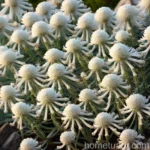
Anaphalis triplinervis ‘Sommerschnee’, a member of the Asteraceae family, is a herbaceous perennial that is native to the mountainous regions of Asia and Europe. This plant is renowned for its distinctive clusters of small, pearl-like flowers that adorn its upright stems, adding an ethereal charm to gardens and landscapes. The species name “triplinervis” refers to the three prominent veins that run along the length of the plant’s leaves, contributing to its unique botanical characteristics.
Key Takeaways
Before delving into the specific aspects of Anaphalis triplinervis ‘Sommerschnee’, let’s summarize some key takeaways about this remarkable plant:
- Anaphalis triplinervis ‘Sommerschnee’ is a herbaceous perennial known for its pearl-like clusters of flowers.
- The plant belongs to the Asteraceae family and is native to mountainous regions of Asia and Europe.
- Pearly Everlasting has diverse cultural uses, including ornamental landscaping, herbal medicine, and ecological conservation.
- Understanding the plant’s water, sunlight, soil, and fertilization requirements is essential for successful cultivation.
- Proper pruning, propagation, and disease management practices are crucial for maintaining the health and vitality of Anaphalis triplinervis ‘Sommerschnee’.
Now, let’s explore each of these aspects in depth to gain a comprehensive understanding of this fascinating plant.
Culture
Uses
Anaphalis triplinervis ‘Sommerschnee’ holds a special place in various domains due to its diverse uses:
-
Ornamental Landscaping: Pearly Everlasting’s ethereal beauty makes it a popular choice for ornamental gardens, borders, and floral arrangements. Its long-lasting blooms and attractive foliage contribute to its appeal as a landscape plant.
-
Herbal Medicine: Traditionally, certain indigenous cultures have utilized parts of Anaphalis triplinervis for its medicinal properties. The plant is believed to exhibit anti-inflammatory, antimicrobial, and other therapeutic characteristics.
-
Ecological Significance: Pearly Everlasting plays a role in supporting wildlife, particularly pollinators, and contributes to the biodiversity of ecosystems. Its resilience and ability to thrive in challenging environments make it a valuable component of natural habitats.
Water
Anaphalis triplinervis ‘Sommerschnee’ requires moderate water levels, especially during its active growth periods. While the plant is adaptable to diverse moisture conditions, it thrives in well-drained soil and benefits from consistent watering. The frequency of irrigation can be adjusted based on local climate conditions to prevent waterlogging or drought stress.
Sunlight
In terms of sunlight requirements, Pearly Everlasting demonstrates a preference for full to partial sun exposure. Providing the plant with adequate sunlight is crucial for promoting robust growth and prolific flowering. In regions with intense heat, partial shade during the hottest part of the day can be beneficial to prevent sunscald and conserve moisture.
Fertilizer
When it comes to fertilization, Anaphalis triplinervis ‘Sommerschnee’ benefits from a balanced, organic fertilizer applied during the spring before the onset of new growth. Incorporating a slow-release fertilizer with a composition tailored for flowering perennials can provide the essential nutrients the plant needs to establish strong roots and support healthy foliage and blossoms. It is important to follow the manufacturer’s recommendations regarding application rates and methods.
Soil
Pearly Everlasting thrives in well-drained, loamy soil with a slightly acidic to neutral pH. Amending the soil with organic matter, such as compost or well-rotted manure, can improve its structure and nutrient content, creating an ideal growing medium for the plant. It is essential to ensure good soil aeration and drainage to prevent waterlogging and root rot.
Pruning
Proper pruning is essential to maintain the health, shape, and flowering performance of Anaphalis triplinervis ‘Sommerschnee’. Here are some key pruning tips for Pearly Everlasting:
-
Deadheading: Removing spent flowers can encourage the production of new blooms and prevent the plant from expending energy on seed production.
-
Thinning: Periodically thinning out overcrowded or weak stems can improve air circulation and light penetration, reducing the risk of fungal diseases and enhancing overall plant vigor.
-
Winter Pruning: In late winter or early spring, pruning back the old, woody stems to encourage new growth can rejuvenate the plant and maintain a tidy appearance.
-
Seed Maintenance: If self-seeding becomes excessive, the seed heads can be removed to manage the spread of volunteer seedlings and focus the plant’s energy on vegetative growth and flowering.
Propagation
Anaphalis triplinervis ‘Sommerschnee’ can be propagated through various methods, including division, stem cuttings, and seed sowing. Each approach offers unique benefits and considerations:
-
Division: Dividing mature clumps of Pearly Everlasting in early spring allows for the creation of new plantings and rejuvenates established specimens. Divisions should include healthy, well-rooted sections with several stems for optimal success.
-
Stem Cuttings: Taking softwood or semi-hardwood stem cuttings in late spring or early summer, and rooting them in a suitable propagation medium, offers a reliable way to propagate specific cultivars and maintain desired genetic traits.
-
Seed Sowing: Collecting ripe seeds from the plant and sowing them in a prepared seedbed or containers in the fall enables the production of new plants with genetic diversity. The temperature and moisture requirements for seed germination should be carefully managed to achieve successful establishment.
Container Popularity
Due to its adaptable nature and striking appearance, Anaphalis triplinervis ‘Sommerschnee’ has gained popularity as a container plant for both indoor and outdoor settings. Cultivating Pearly Everlasting in containers allows for flexibility in placement, making it an excellent choice for patios, balconies, and small gardens. The plant can be showcased individually in a decorative container or combined with other complementary species to create visually appealing arrangements.
Common Diseases
Anaphalis triplinervis ‘Sommerschnee’ is generally resilient to most common plant diseases when grown in suitable cultural conditions. However, certain environmental stresses and management practices can predispose the plant to potential issues. Some common diseases that may affect Pearly Everlasting include:
-
Powdery Mildew: In conditions of high humidity and poor air circulation, Anaphalis triplinervis may become susceptible to powdery mildew, characterized by a white, powdery growth on the foliage. Fungal disease management strategies, such as promoting good airflow and using preventative fungicidal treatments, can mitigate this issue.
-
Root Rot: Excessive soil moisture and poor drainage can lead to the development of root rot pathogens, which can cause wilting, yellowing, and collapse of the plant. Proper cultural practices, including well-drained soil and moderate watering, are essential for preventing this disease.
-
Leaf Spot: Certain pathogens may cause circular lesions or spots on the leaves of Pearly Everlasting, affecting its aesthetic appeal and potentially weakening the plant. Regular monitoring and prompt removal of affected foliage can help manage this issue.
Disease Diagnosis
In order to effectively diagnose and manage potential diseases affecting Anaphalis triplinervis ‘Sommerschnee’, it is important to observe the plant regularly for any signs of distress or abnormalities. Early detection and accurate identification of disease symptoms can facilitate timely intervention and prevent the escalation of problems. Consulting with horticultural experts or utilizing diagnostic resources can aid in identifying the specific disease affecting the plant and devising an appropriate management strategy.
Common Pests
While Anaphalis triplinervis ‘Sommerschnee’ is generally resistant to many pests, certain insects and mites may pose occasional challenges. Some common pests that may affect Pearly Everlasting include:
-
Aphids: Soft-bodied aphids may cluster on the undersides of the plant’s leaves, sucking sap and potentially causing distortion or yellowing of the foliage. Targeted insecticidal treatments and encouraging natural predators can help manage aphid populations.
-
Spider Mites: These tiny arachnids can cause stippling and webbing on the leaves, leading to reduced vigor and aesthetics. Regular monitoring and deploying appropriate miticides can prevent detrimental infestations.
-
Caterpillars: Certain caterpillar species may feed on the foliage of Anaphalis triplinervis, causing noticeable damage. Mechanical removal and biological control measures are effective approaches for managing caterpillar populations.
Identifying the specific pest species and their activity patterns can aid in implementing targeted measures to minimize their impact on the plant while supporting beneficial organisms within the ecosystem.
Botanist’s Tips
As a plant scientist and enthusiast, I would like to offer some additional insights and tips for cultivating and appreciating Anaphalis triplinervis ‘Sommerschnee’:
-
Companion Planting: Pairing Pearly Everlasting with complementary species that share similar cultural requirements can create harmonious plantings and provide ecological benefits. Selecting pollinator-friendly plants, aromatic herbs, or late-season bloomers can enhance the overall garden ecosystem.
-
Native Habitat Considerations: Understanding the native habitat of Anaphalis triplinervis and its ecological interactions can inspire landscape designs and conservation efforts. Incorporating elements of the plant’s natural environment can promote sustainability and biodiversity.
-
Seasonal Interest: Exploring the seasonal changes and unique attributes of Pearly Everlasting throughout the year can reveal its dynamic nature and potential for creating captivating displays across different seasons.
-
Erosion Control: Due to its fibrous root system and tenacious growth habit, Anaphalis triplinervis ‘Sommerschnee’ can contribute to erosion control efforts in landscapes with slopes or disturbed soil. Integrating the plant in erosion-prone areas can stabilize the soil and enhance environmental resilience.
Fun Facts
To appreciate the intrinsic value and allure of Anaphalis triplinervis ‘Sommerschnee’, consider the following fun facts about this captivating plant:
-
Cultural Significance: Pearly Everlasting has been revered in various cultures for its symbolic importance, often representing longevity, purity, and resilience.
-
Ethnobotanical Uses: Traditional communities have employed different parts of Anaphalis triplinervis for crafting herbal remedies, ceremonial adornments, and spiritual practices, highlighting its cultural relevance.
-
Wildlife Support: The floral resources provided by Pearly Everlasting attract a diverse array of pollinators, including bees, butterflies, and moths, contributing to the wider ecological network within the garden or natural habitat.
-
Adaptability: Anaphalis triplinervis ‘Sommerschnee’ displays remarkable adaptability to varying environmental conditions, making it suitable for diverse gardening scenarios, from alpine gardens to coastal landscapes.
Links to External Resources
For further exploration and reference, please find below a selection of reputable online resources related to Anaphalis triplinervis ‘Sommerschnee’:
- Royal Horticultural Society – Anaphalis triplinervis ‘Sommerschnee’
- Missouri Botanical Garden – Anaphalis triplinervis
- Plant Conservation Alliance – Pearly Everlasting
Conclusion
In conclusion, Anaphalis triplinervis ‘Sommerschnee’ (Pearly Everlasting) represents a multifaceted plant with a rich tapestry of cultural, ecological, and horticultural significance. Its ethereal beauty, resilience, and versatility make it a valued addition to gardens, landscapes, and conservation efforts. Through understanding its cultural requirements, uses, and ecological roles, we can foster a deeper appreciation for the enduring charm of Pearly Everlasting and the myriad benefits it offers to both people and the environment.
As we continue to explore the intersecting realms of botany, horticulture, and ecological stewardship, the timeless allure of Anaphalis triplinervis ‘Sommerschnee’ serves as a poignant reminder of the interconnectedness of plants and the enduring legacy they embody in our lives.
As a plant scientist, I hope this comprehensive exploration of Anaphalis triplinervis ‘Sommerschnee’ has provided valuable insights and inspiration for cultivating, nurturing, and cherishing this exceptional plant. Whether in a garden setting, conservation project, or herbal remedy endeavor, the enduring appeal and significance of Pearly Everlasting invite us to embrace a deeper connection with the natural world.
If you have any further questions or would like to delve into specific aspects of Anaphalis triplinervis, feel free to reach out. Happy gardening and botanical exploration!
Author: Dr. Botanist
Ph.D. in Plant Biology and Ecology