Amsonia Tabernaemontana Var. Salicifolia (Eastern Blue Star)
Amsonia tabernaemontana var. salicifolia, commonly known as Eastern Blue Star, is a stunning, low-maintenance perennial native to the eastern United.
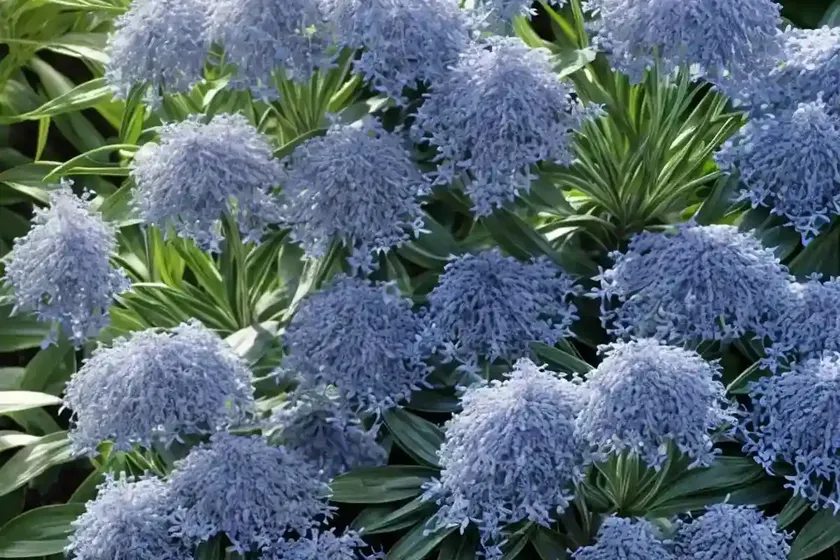
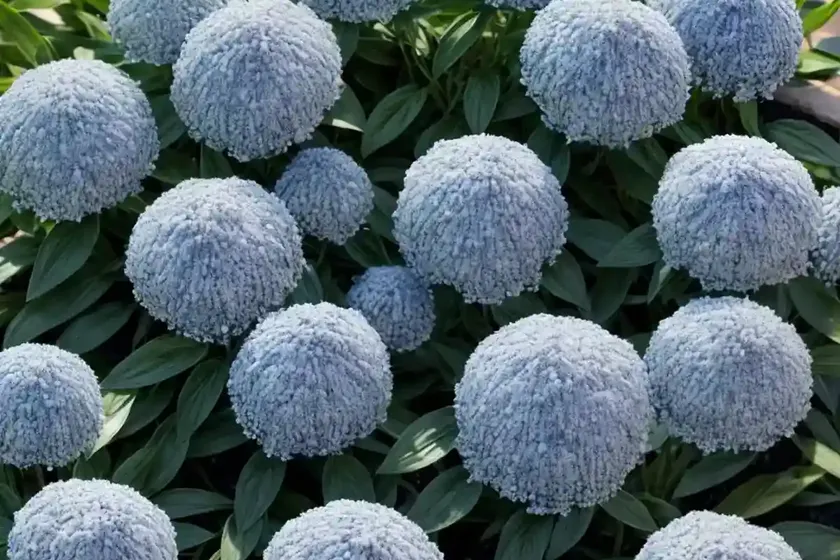
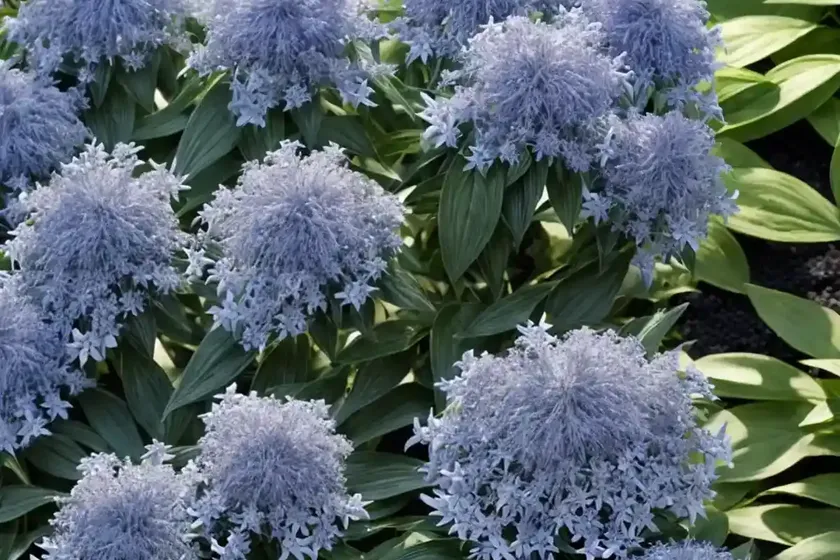
Amsonia tabernaemontana var. salicifolia, commonly known as Eastern Blue Star, is a stunning, low-maintenance perennial native to the eastern United States. This plant is highly valued for its exceptional ornamental qualities, making it a popular choice among gardeners and landscapers. In this comprehensive guide, we will delve into the various aspects of cultivating and caring for Amsonia tabernaemontana var. salicifolia. From its preferred growing conditions to propagation and maintenance, this article will serve as a valuable resource for enthusiasts looking to incorporate this exquisite plant into their outdoor spaces.
What is Amsonia tabernaemontana var. salicifolia?
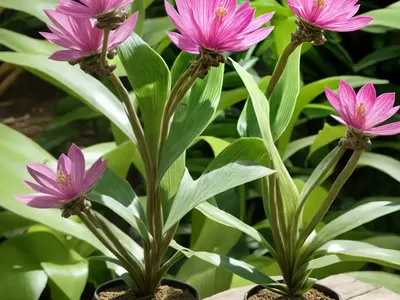
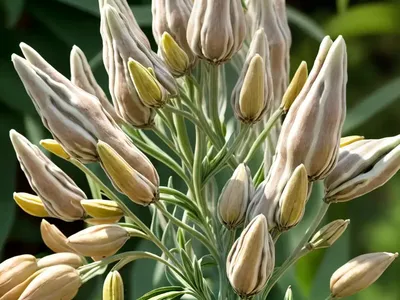
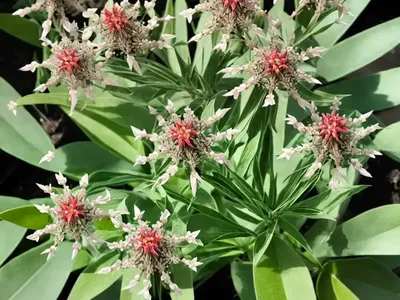
Amsonia tabernaemontana var. salicifolia, belonging to the Apocynaceae family, is a herbaceous perennial plant characterized by its striking blue star-shaped flowers and narrow, willow-like foliage. This species is a clump-forming, deciduous perennial that typically reaches a height of 2 to 3 feet and spreads to form attractive mounds of foliage. The delicate, powder-blue flowers appear in clusters atop the foliage, creating a mesmerizing visual display during the flowering season.
Key Takeaways – Amsonia tabernaemontana var. salicifolia
- Plant Name: Amsonia tabernaemontana var. salicifolia (Eastern Blue Star)
- Family: Apocynaceae
- Common Name: Eastern Blue Star
- Plant Type: Herbaceous Perennial
- Flower Color: Blue
- Foliage: Narrow, Willow-Like
As we embark on this horticultural journey, we will explore the cultural requirements, uses, and maintenance practices associated with Amsonia tabernaemontana var. salicifolia. By understanding the intricacies of caring for this magnificent plant, gardening enthusiasts can unlock its full potential within their landscapes and gardens.
Culture
Understanding the cultural requirements of Amsonia tabernaemontana var. salicifolia is essential for fostering its optimal growth and overall well-being. Every aspect, from water and sunlight needs to soil preferences, plays a crucial role in nurturing this captivating perennial.
Uses
Amsonia tabernaemontana var. salicifolia is a versatile plant with a range of uses that make it a valuable addition to outdoor spaces. Its ornamental qualities and low-maintenance nature contribute to its widespread popularity. Some common uses of Eastern Blue Star include:
– Garden Borders: The delicate foliage and blue blossoms of Amsonia tabernaemontana var. salicifolia make it an excellent choice for defining garden borders and pathways.
– Landscaping: Its attractive appearance and adaptability make it an ideal candidate for landscaping projects, adding texture and color to garden designs.
– Pollinator Gardens: The nectar-rich blooms of Eastern Blue Star attract pollinators such as butterflies and bees, making it a valuable inclusion in pollinator-friendly gardens.
– Cut Flower Arrangements: The charming blue flowers can be used in cut flower arrangements, bringing a touch of natural elegance to indoor spaces.
The diverse uses of Amsonia tabernaemontana var. salicifolia highlight its significance as a favored perennial in horticulture and garden design.
Water
Proper watering is crucial for the health and vitality of Amsonia tabernaemontana var. salicifolia. While this species is known for its resilience, it thrives in moderately moist soil and benefits from consistent watering, especially during the establishment phase and dry periods.
Water Needs:
– Amsonia tabernaemontana var. salicifolia prefers consistently moist soil, especially during the active growing season.
– Adequate drainage is essential to prevent waterlogged conditions, which can be detrimental to the plant’s health.
Sunlight
Sunlight plays a pivotal role in the growth and blooming of Amsonia tabernaemontana var. salicifolia. This perennial thrives in well-lit environments and is known to exhibit its best qualities when provided with ample sunlight.
Sunlight Requirements:
– Eastern Blue Star flourishes in full sun to partial shade, with at least 6 hours of direct sunlight being ideal for robust growth and prolific flowering.
– While it can tolerate partial shade, providing sufficient sunlight is essential for ensuring vibrant blooms and healthy foliage.
Fertilizer
Applying a balanced fertilizer can enhance the growth and flowering performance of Amsonia tabernaemontana var. salicifolia. Selecting an appropriate fertilizer and applying it judiciously can contribute to the overall vigor and ornamental appeal of this perennial.
Fertilization Guidelines:
– Use a balanced, slow-release fertilizer in early spring to provide the necessary nutrients for healthy growth and blooming.
– Avoid excessive fertilization, as it can lead to lush foliage at the expense of flower production.
Soil
The soil composition and quality significantly impact the overall health and vitality of Amsonia tabernaemontana var. salicifolia. Understanding the preferred soil conditions is essential for establishing an optimal growing environment for this perennial.
Soil Preferences:
– Well-drained, loamy soil with a slightly acidic to neutral pH is well-suited for Amsonia tabernaemontana var. salicifolia.
– Amending heavy clay soils with organic matter can improve drainage and create a more favorable growing medium for the plant.
Pruning
Pruning is an important aspect of maintaining Amsonia tabernaemontana var. salicifolia, ensuring a tidy appearance and promoting healthy growth. Proper pruning techniques can help manage the plant’s size and shape while also rejuvenating it for the coming growing season.
Pruning Practices:
– Spring Pruning: A light trim in early spring can encourage bushier growth and enhance the plant’s overall appearance.
– Deadheading: Removing spent flowers can prolong the blooming period and prevent self-seeding, promoting tidiness and continued flower production.
– Fall Cleanup: Trimming back the foliage in the fall can help prepare the plant for winter, ensuring a tidy appearance and facilitating new growth in the following season.
Propagation
Amsonia tabernaemontana var. salicifolia can be propagated through various methods, allowing gardeners to expand their plantings and share this captivating perennial with fellow enthusiasts. Understanding the propagation techniques is valuable for those looking to propagate Eastern Blue Star for personal use or commercial purposes.
Propagation Methods:
– Division: Dividing mature clumps in early spring or fall allows for the creation of new plants, each with a portion of the parent plant’s roots and foliage.
– Seed Propagation: Collecting and sowing seeds in a suitable growing medium provides an alternative method for propagating Amsonia tabernaemontana var. salicifolia, although it may take longer to establish mature plants compared to division.
Container Popularity
The adaptability and ornamental appeal of Amsonia tabernaemontana var. salicifolia make it a popular choice for container gardening. Its graceful form and striking blossoms can enhance the visual appeal of outdoor spaces when grown in containers or decorative pots.
Container Gardening Tips:
– Ensure the container has adequate drainage holes to prevent waterlogging, and select a well-draining potting mix suitable for perennials.
– Place the container in a location that receives sufficient sunlight to promote healthy growth and blooming.
– Monitor the soil moisture regularly, adjusting the watering frequency as needed to maintain moderately moist conditions.
Common Diseases
Despite its overall resilience, Amsonia tabernaemontana var. salicifolia may be susceptible to certain diseases and environmental stressors. Being aware of the common diseases and associated symptoms is essential for early detection and prompt intervention.
Common Diseases:
– Powdery Mildew: This fungal disease may manifest as a powdery white coating on the foliage, impacting the plant’s overall vigor.
– Root Rot: Prolonged waterlogged conditions can lead to root rot, causing wilting, yellowing foliage, and overall decline in the plant’s health.
Disease Diagnosis
Diagnosing potential diseases affecting Amsonia tabernaemontana var. salicifolia involves careful observation and identification of symptoms. Being vigilant and proactive in addressing any signs of disease can help safeguard the plant’s well-being.
Diagnosis Tips:
– Regularly inspect the foliage for any unusual discoloration, spots, or abnormal growth.
– Monitor the plant’s overall appearance and behavior, noting any changes in growth patterns, such as wilting or stunted growth.
– Seek professional guidance if you suspect a potential disease issue, and consider implementing appropriate measures to address the problem.
Common Pests
The resilience of Amsonia tabernaemontana var. salicifolia makes it relatively resistant to pest infestations; however, certain pests may still pose a threat to its health and vigor. Understanding the common pests and their control measures is integral to ensuring the plant remains free from damaging infestations.
Common Pests:
– Aphids: These tiny, sap-sucking insects can cluster on the plant’s tender growing tips, excreting honeydew and potentially causing deformities in new growth.
– Spider Mites: Infestations of spider mites may result in webbing on the foliage and stippled, discolored leaves, impacting the plant’s photosynthetic capacity.
Botanist’s Tips
Now that we have explored the various aspects of Amsonia tabernaemontana var. salicifolia’s care and cultivation, here are some additional tips from botanists and experienced gardeners to ensure the successful growth and maintenance of this captivating perennial.
Expert Recommendations:
– Choose a planting location that provides sufficient space for the plant to expand and showcase its graceful form and attractive blossoms.
– Incorporate Eastern Blue Star into mixed perennial borders or naturalistic plantings to maximize its ornamental impact and create visually engaging garden compositions.
– Consider companion planting with other native species or pollinator-friendly plants to create a harmonious and ecologically beneficial garden environment.
Fun Facts
In addition to its horticultural significance, Amsonia tabernaemontana var. salicifolia also boasts interesting and noteworthy attributes that add to its allure and appeal. Here are some fun facts about Eastern Blue Star:
- The genus name “Amsonia” honors Charles Amson, an 18th-century Virginian physician and botanist, in recognition of his contributions to botanical exploration and knowledge.
- Some species of Amsonia, including Amsonia tabernaemontana var. salicifolia, are known for their exceptional autumn foliage, with the foliage transitioning to vibrant shades of yellow and gold as the season progresses.
Links to External Resources
- RHS – Amsonia tabernaemontana var. salicifolia
- Missouri Botanical Garden – Eastern Bluestar
- University of Florida IFAS Extension – Amsonia tabernaemontana
As we conclude our in-depth exploration of Amsonia tabernaemontana var. salicifolia, it is evident that this captivating perennial holds immense horticultural value and ornamental appeal. By adhering to the recommended cultural practices and maintenance guidelines, gardeners can cultivate thriving displays of Eastern Blue Star, enriching their outdoor landscapes with its enchanting blooms and graceful foliage. Whether grown in garden borders, container arrangements, or naturalistic plantings, Amsonia tabernaemontana var. salicifolia embodies the timeless allure of native perennials and continues to enchant gardening enthusiasts with its enduring charm.