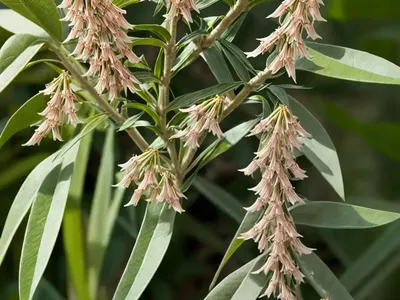
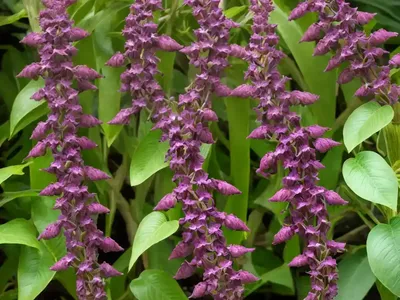
Anglepod (Matelea Gonocarpos)
Plants are a critical part of our natural environment and contribute to the well-being of the planet. Anglepod, scientifically known as Matelea Gonocarpos.
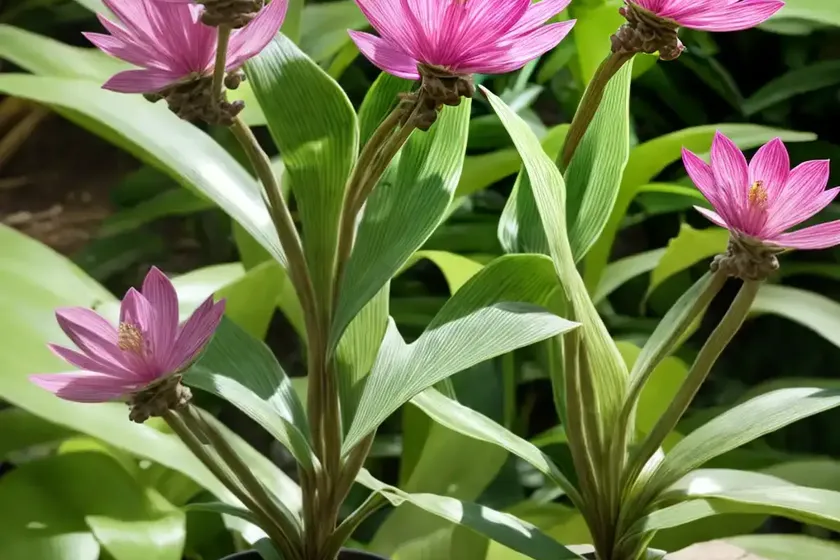
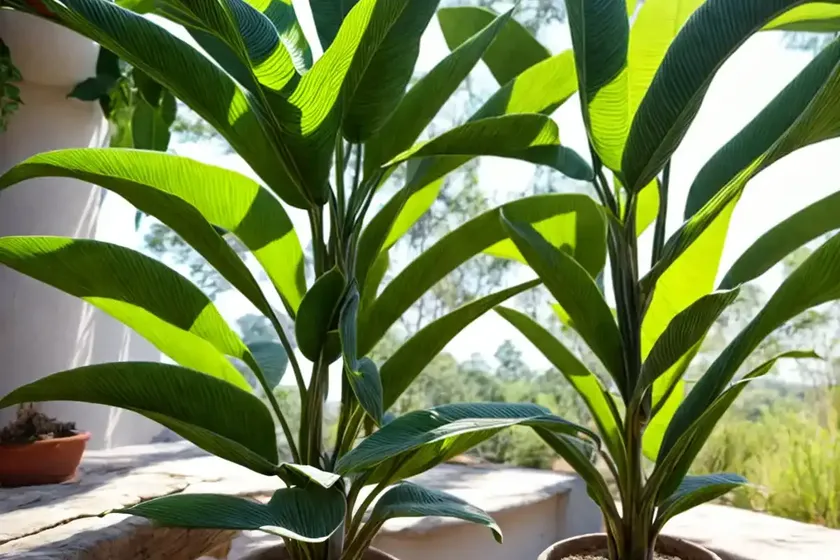
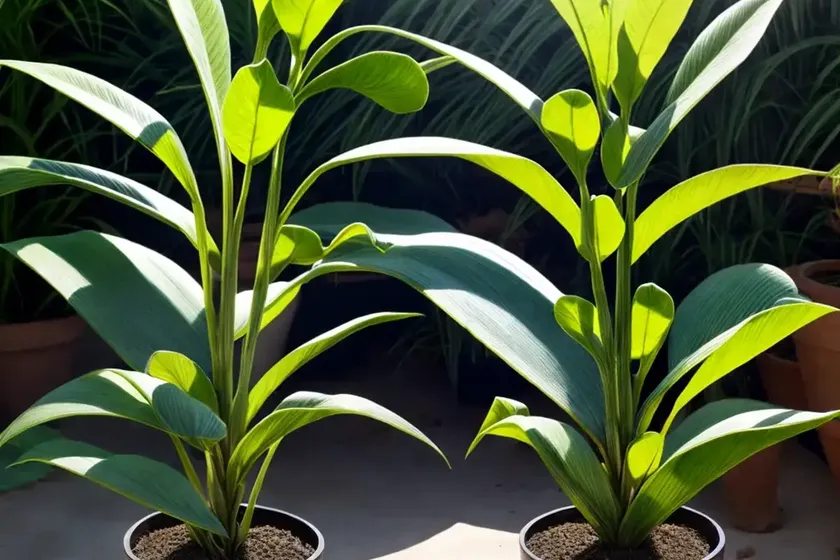
Plants are a critical part of our natural environment and contribute to the well-being of the planet. Anglepod, scientifically known as Matelea Gonocarpos, is a unique species that has garnered attention from botanists, horticulturists, and nature enthusiasts. In this comprehensive guide, we will delve into the characteristics, cultivation, and care requirements of the Anglepod plant, shedding light on its culture, uses, water and sunlight needs, fertilizer, soil requirements, pruning, propagation, container gardening, diseases, pests, and much more. This article aims to serve as a go-to resource for individuals interested in learning about and cultivating this fascinating plant species.
What is Anglepod (Matelea Gonocarpos)?
Matelea Gonocarpos, commonly referred to as Anglepod, is a perennial vine species that belongs to the Apocynaceae family. This unique plant is native to certain regions in the United States and is characterized by its distinctive features, including its vine-like growth habit, intriguing flowers, and specific cultural requirements.
Key Takeaways – Anglepod (Matelea Gonocarpos)
Before we delve into the specifics of cultivating and caring for the Anglepod plant, let’s outline its key takeaways.
- Scientific Name: Matelea Gonocarpos
- Common Name: Anglepod
- Family: Apocynaceae
- Plant Type: Perennial Vine
Now that we’ve established the essential details, let’s explore the nuances of cultivating the Anglepod plant, including its culture, uses, water and sunlight requirements, fertilizer, soil needs, pruning techniques, propagation methods, container gardening, popularity, common diseases, pests, and botanist’s tips.
Culture
Understanding the cultural requirements of the Anglepod plant is fundamental to its successful cultivation. This section will cover the ideal conditions for nurturing this unique species.
Water
Proper watering is essential for the health and vitality of Anglepod plants. These vines thrive in well-drained soil and prefer moderate moisture levels. It’s crucial to strike a balance, as excessively wet conditions can lead to root rot, while drought stress can impede growth and flowering.
Sunlight
Anglepod plants exhibit a preference for partial to full sun exposure. Providing them with at least 6 hours of sunlight per day is recommended for robust growth and prolific blooming. In regions with intense heat, partial shade during the hottest part of the day can be beneficial.
Fertilizer
Appropriate fertilization can significantly impact the health and flowering capacity of Anglepod plants. A balanced fertilizer, with slightly higher phosphorus content to promote flowering, can be applied during the growing season. It’s advisable to follow the manufacturer’s recommendations for application frequency and dosage.
Soil
The ideal soil for Anglepod plants is well-drained and fertile, with a slightly acidic to neutral pH range. Sandy loam or loamy soil types are suitable for their cultivation. Additionally, incorporating organic matter into the soil can enhance its moisture retention and nutrient content.
Pruning
Pruning is a vital aspect of maintaining the health, shape, and flowering potential of Anglepod plants. Here are some key considerations for effective pruning:
- Deadheading: Removing spent flowers promotes continuous blooming and prevents the plant from expending energy on seed production.
- Training: Guiding the vine’s growth along trellises or supports can help create an attractive and well-structured display.
- Maintenance: Regular pruning of dead or diseased foliage, along with occasional thinning, can contribute to a healthier and more aesthetic plant.
Propagation
Anglepod plants can be propagated through various methods, including seeds, stem cuttings, and division. Each technique offers distinct advantages and may be suitable for different preferences and circumstances.
Seeds
Sowing Anglepod seeds can be a rewarding way to propagate new plants. The following steps can guide you through the process:
- Seed Collection: Harvest mature seeds from existing plants during the appropriate season.
- Seed Treatment: Some species benefit from scarification or stratification to improve germination.
- Sowing: Plant the seeds in a suitable growing medium and provide optimal conditions for germination and early growth.
Stem Cuttings
Utilizing stem cuttings is another effective method for propagating Anglepod plants. The process involves the following steps:
- Cutting Preparation: Select healthy, non-flowering stems and prepare cuttings with a sharp, clean tool.
- Rooting Medium: Place the cuttings in a well-draining rooting medium and maintain adequate moisture levels until roots develop.
- Transplanting: Once the new plants have established roots, they can be transplanted into suitable containers or garden beds.
Division
For mature Anglepod plants, division can be a viable propagation method. This approach involves separating the plant into smaller sections, each containing roots and shoots, to create new individual plants.
Container Gardening
Anglepod plants can thrive in containers, adding versatility to their cultivation possibilities. When growing these vines in containers, certain factors should be taken into account to ensure their well-being.
Container
Selecting an appropriately sized container is crucial for accommodating the plant’s root system and providing ample space for growth. The container should have adequate drainage holes to prevent waterlogging.
Popularity
Anglepod plants have gained popularity among gardening enthusiasts due to their unique characteristics, such as their attractive foliage and distinctive flowers. Their adaptability to container gardening further enhances their appeal, making them a sought-after choice for both indoor and outdoor settings.
Common Diseases
Understanding the potential diseases that can affect Anglepod plants is essential for early identification and effective management. While these plants are generally resilient, they may be susceptible to certain issues under unfavorable conditions.
Disease Diagnosis
Recognizing the symptoms of common plant diseases can aid in prompt intervention and control measures. Keeping an eye out for signs of leaf spot, powdery mildew, or stem rot can help prevent the spread of these ailments.
Common Pests
Anglepod plants may encounter pests such as aphids, spider mites, and caterpillars, which can detract from their vigor and aesthetics. Implementing integrated pest management strategies, including regular monitoring and targeted interventions, can help mitigate pest infestations.
Botanist’s Tips
Experienced botanists and horticulturists offer valuable insights into the cultivation and care of Anglepod plants. Here are some tips to enhance your success with these intriguing vines:
- Moderate Pruning: Avoid excessive pruning, as it can diminish the plant’s capacity for flowering and reduce its ornamental value.
- Consistent Moisture: Maintain consistent, moderate moisture levels to support healthy growth and flowering, while ensuring that the soil does not become waterlogged.
- Vigilant Monitoring: Regularly monitor plants for signs of pests, diseases, or nutrient deficiencies, and take proactive measures when necessary.
Fun Facts
Exploring the fascinating aspects of Anglepod plants can deepen your appreciation for their unique attributes. Consider these captivating fun facts:
- Flower Morphology: The intricate structure of Anglepod flowers, with their distinctive shape and coloration, reflects the plant’s evolutionary adaptations for pollinator attraction.
- Native Habitat: Anglepod plants are indigenous to specific regions of the United States, where they contribute to local ecosystems and biodiversity.
Links to External Resources
For further exploration of Anglepod plants and related topics, the following external resources provide valuable information and insights:
- Botanical Garden Database: Access detailed profiles of Anglepod plants, including their botanical characteristics, cultivation guidance, and conservation status.
- Nature Conservation Organization: Learn about the conservation efforts aimed at protecting native plant species, including Matelea Gonocarpos, and preserving their natural habitats.
- Horticultural Society: Discover educational resources on horticulture, plant care, and gardening techniques, including tips for cultivating Anglepod plants.
In this comprehensive guide, we’ve delved into the intriguing world of Anglepod (Matelea Gonocarpos), uncovering its characteristics, cultivation methods, cultural requirements, and maintenance tips. Whether you’re a seasoned plant enthusiast or a beginner gardener, exploring the complexities and splendor of this unique vine can inspire a deeper connection with the natural world. As you embark on your journey of cultivating Anglepod plants, may these insights serve as a valuable resource, enriching your horticultural pursuits and nurturing a greater appreciation for the botanical wonders that grace our environment.