Amsonia Tabernaemontana (Blue Star)
Plants are an essential part of our ecosystem, providing us with oxygen, food, medicine, and a plethora of other resources. They come in an array of.
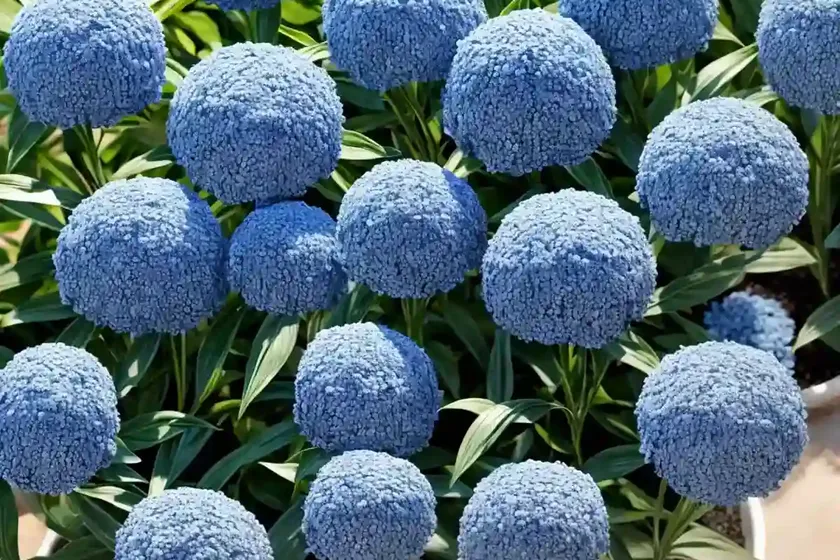
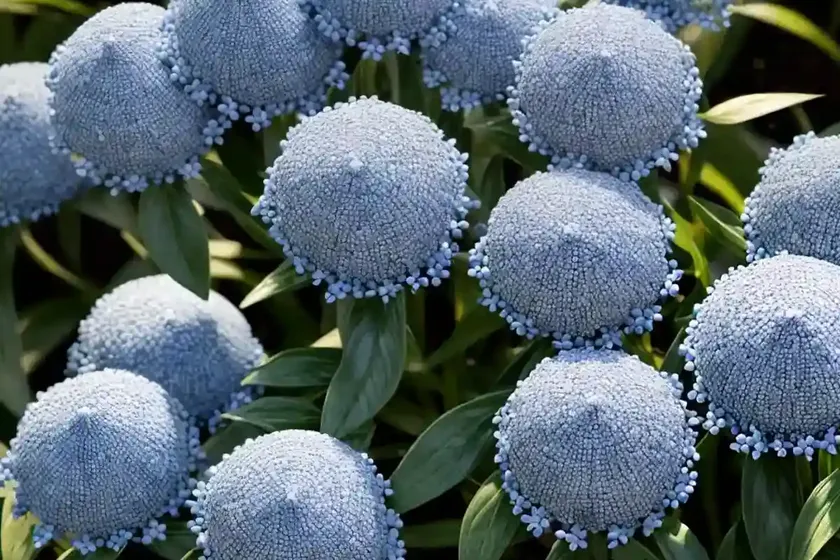
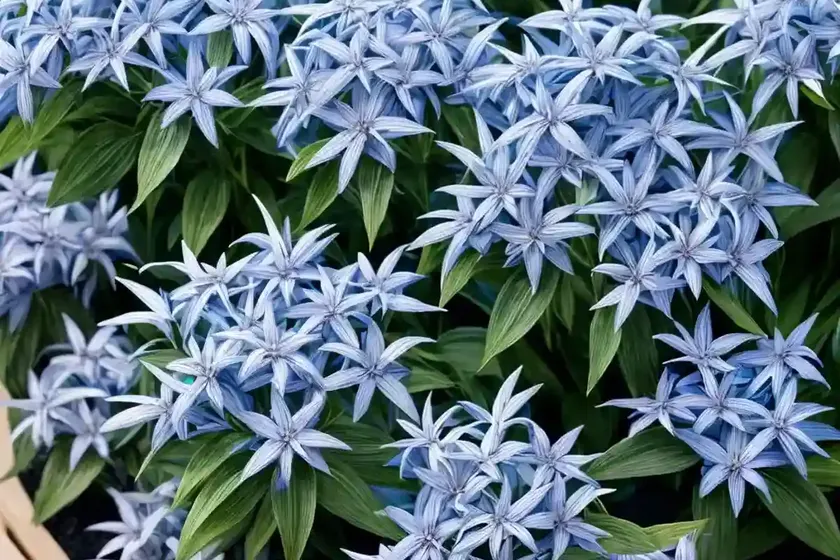
Plants are an essential part of our ecosystem, providing us with oxygen, food, medicine, and a plethora of other resources. They come in an array of shapes, sizes, and colors, each with its unique characteristics and requirements. In this blog post, we will delve into the fascinating world of Amsonia tabernaemontana, commonly known as Blue Star. This native North American plant has captured the interest of botanists, horticulturists, and garden enthusiasts alike due to its remarkable features and diverse uses. We will explore its culture, uses, maintenance, and much more, offering insights for both novice and experienced plant enthusiasts.
What is Amsonia tabernaemontana (Blue Star)?
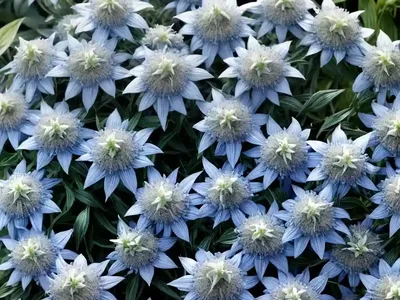
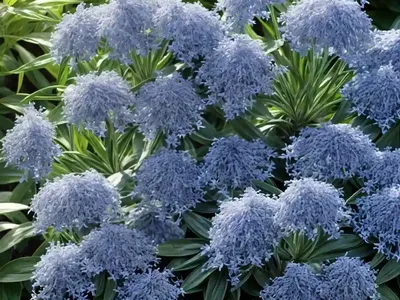
Amsonia tabernaemontana, or Blue Star, is a perennial flowering plant belonging to the Apocynaceae family. This plant hails from the eastern United States, where it is commonly found in open woodlands, meadows, and along stream banks. The name “Blue Star” is derived from its striking star-shaped, powder blue flowers that adorn the plant in late spring to early summer, attracting pollinators and onlookers alike. The attractive foliage and compact growth habit make it a popular choice for garden borders, naturalized landscapes, and pollinator-friendly gardens. Blue Star is known for its low maintenance requirements and adaptability, which has contributed to its popularity among gardeners and horticulturists.
Key Takeaways – Amsonia tabernaemontana (Blue Star)
Understanding the key attributes and requirements of Amsonia tabernaemontana is essential for its successful cultivation and maintenance. Below, we will explore various aspects of this captivating plant, including its culture, uses, water and sunlight requirements, fertilizer needs, soil preferences, pruning techniques, propagation methods, container gardening, diseases, pests, and more.
Culture
Understanding the cultural requirements of Amsonia tabernaemontana is crucial for its successful growth and development. This section will delve into the plant’s water, sunlight, fertilizer, soil, pruning, propagation, and container gardening needs.
Water
Blue Star thrives in well-drained soil and prefers moderate moisture levels. While it can tolerate short periods of drought once established, consistent watering is essential for optimal growth and flowering. It is advisable to water the plant deeply but infrequently, allowing the soil to dry slightly between watering sessions. Overwatering should be avoided, as it can lead to root rot and other moisture-related issues.
Sunlight
Amsonia tabernaemontana fares best in full sun to partial shade conditions. It appreciates ample sunlight to promote blooming and maintain healthy foliage. When grown in partial shade, the plant may exhibit slightly reduced flowering but will still thrive in the right conditions.
Fertilizer
Blue Star is a relatively low-maintenance plant that does not have high fertilizer requirements. It can benefit from a balanced, slow-release fertilizer applied in spring as new growth emerges. When fertilizing, it is important to follow the product’s instructions and avoid over-fertilization, which can lead to excessive vegetative growth at the expense of flowering.
Soil
The soil preferences of Amsonia tabernaemontana play a significant role in its overall health and performance. It thrives in well-drained, fertile soil with a slightly acidic to neutral pH. Additionally, the plant tolerates various soil types, including loamy, sandy, or clay soils, as long as they provide good drainage.
Pruning
Pruning Blue Star is relatively minimal and mainly focuses on removing any dead or damaged growth. In late winter or early spring, the plant can be cut back to stimulate new growth and maintain a tidy appearance. It is advisable to avoid excessive pruning, as this can compromise the following season’s flower display.
Propagation
Amsonia tabernaemontana can be propagated through divisions, stem cuttings, or seeds. Division is a common method, typically carried out in early spring before new growth emerges. Stem cuttings can be rooted in a well-draining medium to produce new plants. When collecting seeds, it is important to ensure that they are fully ripe before sowing. Propagation through seeds may require stratification to enhance germination rates.
Container Popularity
Given its compact growth habit and ornamental appeal, Blue Star is well-suited for container gardening. This section will discuss the advantages of growing Amsonia tabernaemontana in containers, including the types of containers suitable for its cultivation and the associated maintenance requirements.
Container Common Diseases
When growing Blue Star in containers, certain diseases may pose a risk to the plant’s health and longevity. Understanding these diseases and their management is essential for successful container gardening with Amsonia tabernaemontana.
Disease Diagnosis
Identifying diseases affecting Blue Star in containers is crucial for implementing timely and effective control measures. This section will discuss common diseases that may afflict the plant when grown in containers and provide insights into their diagnosis and management.
Common Pests
While Blue Star is relatively resistant to many pests, certain insect pests may pose a threat to its health when grown in containers. This section will explore common pests that target Amsonia tabernaemontana in container gardens and offer strategies for pest management.
Botanist’s Tips
Experienced botanists and horticulturists have accumulated valuable insights into the successful cultivation and maintenance of Amsonia tabernaemontana. In this section, we will share expert tips and recommendations to help enhance the performance of Blue Star in various gardening settings.
Fun Facts
Learning about the unique characteristics and traits of Amsonia tabernaemontana can enrich our appreciation for this captivating plant. In this section, we will delve into intriguing fun facts about Blue Star, shedding light on its cultural significance, ecological roles, and historical uses.
Links to External Resources
To further expand your knowledge and understanding of Amsonia tabernaemontana, we have compiled a list of external resources that provide comprehensive information on Blue Star cultivation, maintenance, and uses. These resources include reputable websites, botanical gardens, research articles, and more.
Amsonia tabernaemontana, or Blue Star, stands out as a captivating perennial plant with remarkable ornamental and ecological attributes. From its striking blue flowers to its adaptability and low maintenance requirements, Blue Star has earned its place in gardens, natural landscapes, and conservation efforts. Understanding its cultural requirements, maintenance practices, and unique features equips plant enthusiasts with the knowledge needed to cultivate and appreciate this exceptional plant. Whether you are embarking on your gardening journey or seeking to diversify your plant collection, Amsonia tabernaemontana holds the potential to enrich your outdoor spaces and contribute to biodiversity conservation efforts. As you explore the world of Blue Star, may you discover the beauty and resilience of this native North American gem.
References:
- “Amsonia tabernaemontana.” Missouri Botanical Garden. Available at: https://www.missouribotanicalgarden.org/PlantFinder/PlantFinderDetails.aspx?kempercode=f930
- “Plant Profile: Amsonia tabernaemontana.” Lady Bird Johnson Wildflower Center. Available at: https://www.wildflower.org/plants/result.php?id_plant=AMTA
- “Amsonia tabernaemontana.” North Carolina Extension Gardener Plant Toolbox. Available at: https://plants.ces.ncsu.edu/plants/amsonia-tabernaemontana/
- “Blue Star (Amsonia tabernaemontana).” University of Florida IFAS Extension. Available at: https://gardeningsolutions.ifas.ufl.edu/plants/ornamentals/blue-star.html