Amsonia Ciliata (Fringed Blue Star)
In the realm of horticulture, an understated perennial plant stands out not only for its delicate beauty but also for its resilience and versatility. The.
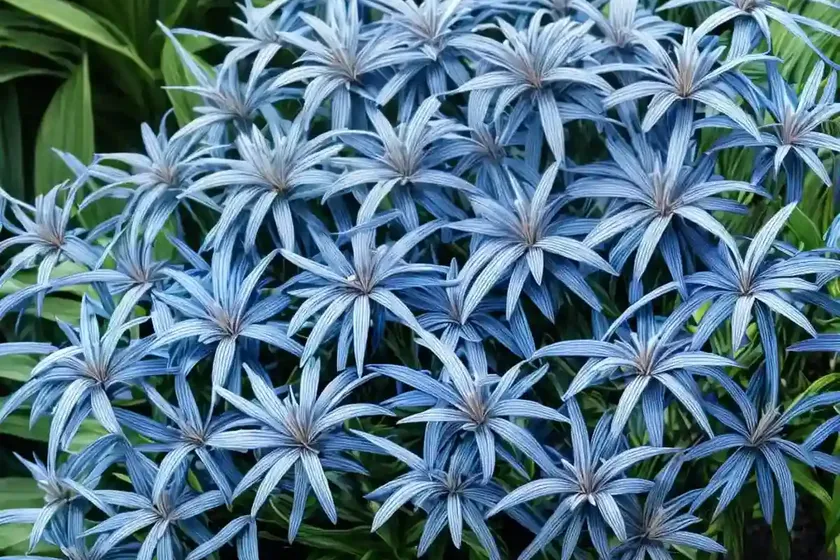
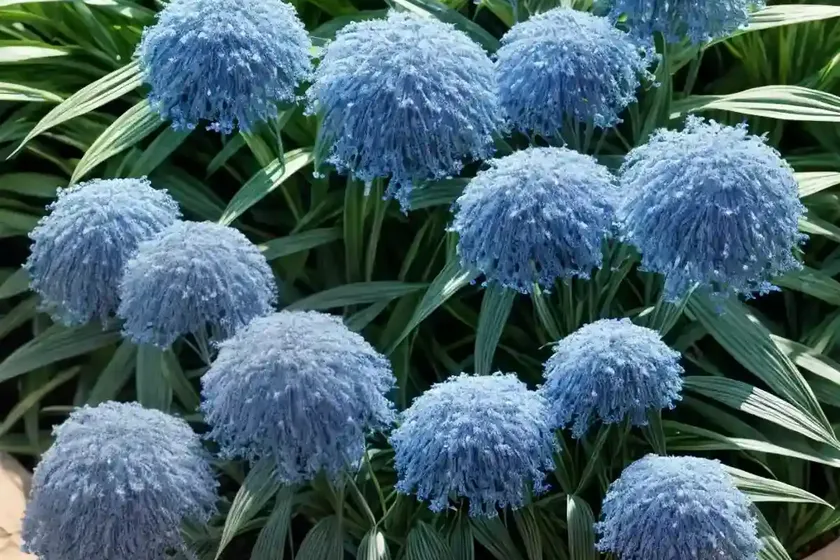
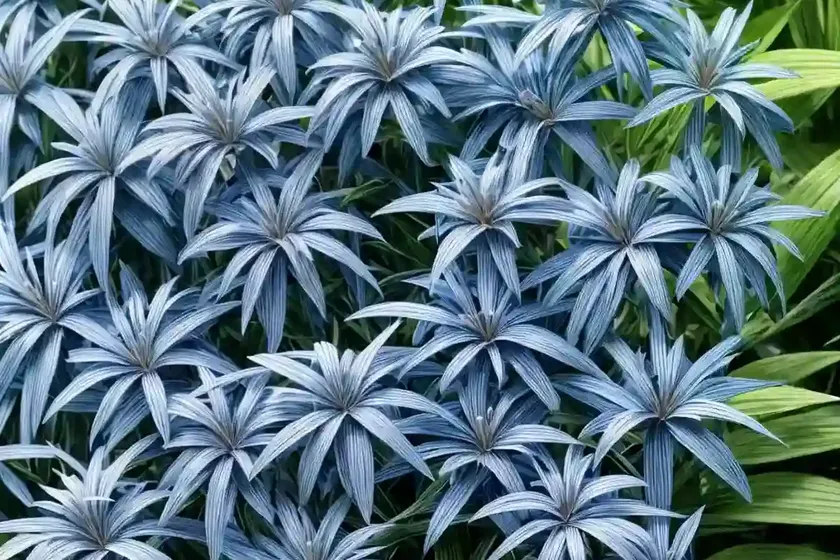
In the realm of horticulture, an understated perennial plant stands out not only for its delicate beauty but also for its resilience and versatility. The Amsonia ciliata, commonly known as Fringed Blue Star, is a stunning native plant that adorns gardens with its sky-blue star-shaped flowers. In this comprehensive guide, we will delve into the culturing, uses, maintenance, and plant care techniques for the Amsonia ciliata. Additionally, we will explore its landscape uses, disease resistance, and propagation methods. So, let’s embark on a journey to unravel the charm and allure of the Fringed Blue Star.
What is Amsonia Ciliata (Fringed Blue Star)?
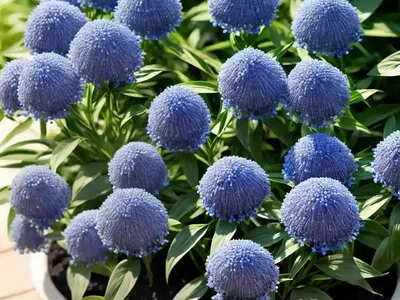
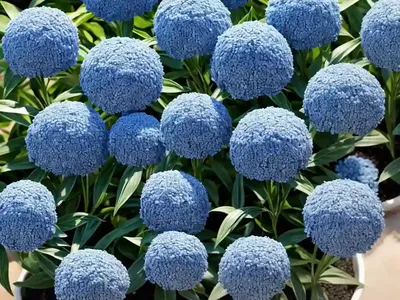
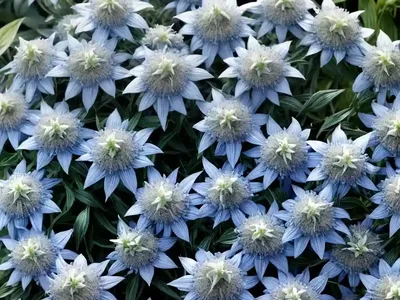
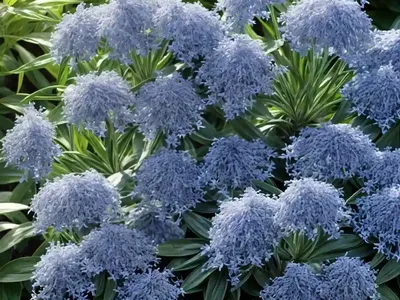
The Amsonia ciliata, or Fringed Blue Star, is a species of flowering plant in the milkweed family, Apocynaceae. This striking perennial is native to the southeastern United States, where it thrives in natural habitats such as prairies, woodlands, and along stream banks. It is known for its stunning floral display, boasting clusters of star-shaped, powder-blue flowers that adorn the plant in late spring to early summer. The slender, elegant foliage adds to its appeal, turning brilliant shades of gold and orange in the fall, providing a visually striking display throughout the seasons.
Key Takeaways – Amsonia Ciliata (Fringed Blue Star)
Before diving further into the specifics of the Amsonia ciliata, let’s recap the essential points to keep in mind when cultivating and caring for this remarkable perennial.
- Blue Star plant
-
The Fringed Blue Star, also known as the Blue Star plant, is revered for its delicate blue star-shaped flowers and graceful foliage that undergoes a stunning color transformation in autumn.
-
Fringed Blue Star flower
-
The Fringed Blue Star flower graces the plant with clusters of vibrant, powder-blue blossoms, creating a captivating spectacle in late spring to early summer.
-
Amsonia ciliata species
-
A member of the Apocynaceae family, Amsonia ciliata is a native plant species that thrives in the southeastern region of the United States.
-
Native plants for gardens
-
With its natural habitat in the southeast, the Amsonia ciliata is an excellent choice for gardeners seeking to incorporate native plants into their landscapes.
-
Perennial garden flowers
-
As a perennial, the Fringed Blue Star is a long-lasting and reliable addition to garden beds, offering beautiful blooms year after year.
-
Best plants for landscaping
-
Due to its stunning flowers and low-maintenance nature, the Amsonia ciliata is one of the best plants for landscape designs, adding beauty without requiring excessive care.
-
Low-maintenance garden plants
-
In line with its low-maintenance attributes, the Fringed Blue Star is an ideal choice for gardeners seeking fuss-free plants for their outdoor spaces.
-
Gorgeous blue flowering plants
-
Renowned for its captivating blue flowers, the Fringed Blue Star is a prime choice in garden designs that emphasize the allure of blue-hued flora.
-
Blue star-shaped flowers
-
The unique star-shaped flowers of the Amsonia ciliata make it a standout choice for gardeners who appreciate distinctive and visually appealing blooms.
-
Amsonia ciliata cultivation
-
Understanding the cultivation requirements of Amsonia ciliata is essential for successfully nurturing this captivating perennial in various garden settings.
-
Fringed Blue Star characteristics
-
The distinct characteristics of the Fringed Blue Star, including its resilient nature and stunning floral display, contribute to its appeal in horticultural settings.
-
Blue-flowered perennials
-
As a blue-flowered perennial, the Amsonia ciliata’s unique color adds a touch of elegance to garden landscapes, complementing a wide range of plant palettes.
-
Drought-tolerant garden plants
-
With its ability to withstand dry conditions, the Amsonia ciliata is a valuable addition to gardens seeking resilient and water-wise plant choices.
-
Hardy plants for sun
-
Thriving in sunny conditions, the Fringed Blue Star is an excellent choice for gardeners seeking hardy plants capable of tolerating ample sunlight.
-
Ornamental garden flowers
-
The ornamental value of Amsonia ciliata’s flowers and foliage makes it a beloved feature in gardens focused on aesthetic appeal.
-
Native wildflowers for gardens
- As a native wildflower, the Amsonia ciliata brings a touch of untamed beauty to cultivated garden spaces, celebrating the allure of local flora.
Now that we have outlined the key takeaways of the Amsonia ciliata, let’s venture deeper into understanding its culturing, uses, and care requirements.
Culture
Cultivating the Amsonia ciliata, or Fringed Blue Star, involves understanding its native habitat and the conditions that promote its optimal growth and stunning floral display. As a native species to the southeastern United States, the Fringed Blue Star thrives in specific environmental conditions that gardeners can emulate to foster its health and beauty.
Uses
The Fringed Blue Star, with its delicate blooms and elegant foliage, serves multiple purposes within garden landscapes. Understanding the diverse uses of the Amsonia ciliata can aid gardeners in integrating it effectively into various garden designs and settings.
Landscape Ornamentation
One of the primary uses of the Fringed Blue Star is as a captivating ornamental feature in garden landscapes. Its star-shaped, powder-blue flowers and graceful foliage add a touch of natural beauty to garden beds, borders, and naturalized areas.
Wildlife Attraction
As a native plant species, the Amsonia ciliata plays a vital role in attracting wildlife to garden spaces. Its nectar-rich flowers are particularly attractive to pollinators, including bees and butterflies, enhancing the biodiversity and ecological value of the garden.
Erosion Control
Due to its resilient nature and extensive root system, the Fringed Blue Star can contribute to erosion control efforts in garden settings. Its ability to stabilize soil with its network of roots makes it a valuable addition to landscapes prone to erosion.
Cut Flowers
The striking blue flowers of the Amsonia ciliata make it a popular choice for cut-flower arrangements. Gardeners can enjoy bringing the beauty of the Fringed Blue Star indoors while also encouraging further growth and blooming of the plant.
Water
Understanding the water requirements of the Amsonia ciliata is crucial for maintaining its health and promoting robust growth and prolific flowering. As a native plant to the southeastern United States, the Fringed Blue Star has adapted to moderate water levels, making it an excellent choice for gardeners seeking low-maintenance and water-wise plants.
Watering Guidelines
Established Plants:
– Once established, the Fringed Blue Star demonstrates good drought tolerance. Watering during prolonged dry spells is beneficial, but it generally requires minimal supplemental water in normal conditions.
Newly Planted Specimens:
– Newly planted Fringed Blue Star specimens benefit from regular watering to aid in the establishment of their root systems. Providing consistent moisture during the initial growth phase promotes healthy development.
Soil Moisture:
– Maintaining adequately moist but well-draining soil is essential for the Amsonia ciliata. While it tolerates drier conditions once established, consistent moisture levels in the soil promote optimal growth and flowering.
Sunlight
The Fringed Blue Star thrives in sunny to partially shaded locations, making it a versatile addition to a wide range of garden settings. Understanding its sunlight requirements is crucial for selecting appropriate planting sites and ensuring its robust growth and flowering.
Sun Exposure
Full Sun:
– The Amsonia ciliata performs admirably in full sun conditions, showcasing its best flowering display and robust growth when provided with ample sunlight. However, it also tolerates partial shade well, making it adaptable to varying light conditions.
Partial Shade:
– While the Fringed Blue Star excels in full sun, it also thrives in partial shade without compromising its flowering potential. In hotter climates, providing some afternoon shade can help protect it from excessive heat.
Fertilizer
Caring for the Amsonia ciliata involves providing it with adequate nutrients to support its growth, flowering, and overall vigor. Understanding its fertilizer requirements and application techniques is essential for ensuring its optimal health and blooming potential.
Fertilization Guidelines
Timing:
– Apply fertilizer in early spring, just as new growth begins to emerge. This timing allows the plant to benefit from the nutrients as it enters its active growth phase and prepares for flowering.
Type:
– Choose a balanced, slow-release fertilizer formulated for flowering perennials. Opt for a formulation with a higher phosphorus content to support prolific flowering and overall plant health.
Application:
– Spread the fertilizer evenly around the base of the plant, avoiding direct contact with the stems or foliage. Water the area thoroughly after application to aid in the absorption of the nutrients into the soil.
Soil
The soil requirements of the Fringed Blue Star are relatively straightforward, emphasizing well-draining, fertile soil to support its growth and flowering. Understanding the ideal soil conditions for the Amsonia ciliata is integral to providing it with a supportive and nurturing environment.
Soil Type
Well-Draining Soil:
– Amsonia ciliata thrives in well-draining soil that prevents waterlogging and promotes healthy root development. Loamy or sandy soils with good drainage characteristics are ideal for cultivating the Fringed Blue Star.
Fertile Soil:
– Rich, fertile soil provides the necessary nutrients to support the robust growth and flowering of the Amsonia ciliata. Amending the soil with organic matter, such as compost, can enhance its fertility and structure.
Soil pH:
– The Fringed Blue Star prefers slightly acidic to neutral soil, with a pH range of 6.0 to 7.0. Conducting a soil test can help determine the pH level and guide any necessary adjustments with soil amendments.
Pruning
Pruning plays a crucial role in maintaining the health, form, and flowering prowess of the Amsonia ciliata. Understanding the appropriate pruning techniques and timing is essential for promoting the longevity and beauty of the Fringed Blue Star in garden settings.
Pruning Guidelines
Spring Pruning:
– In early spring, before new growth emerges, prune back any dead or damaged stems and foliage. This rejuvenates the plant and encourages healthy new growth.
Deadheading:
– Removing spent blooms, or deadheading, not only keeps the plant looking tidy but also promotes continuous flowering as it redirects the plant’s energy towards new growth and blooming.
Fall Cleanup:
– In autumn, after the foliage has turned golden and begun to decline, tidy up the plant by cutting back the stems to promote a neat appearance and prepare it for the winter months.
Propagation
Propagating the Amsonia ciliata allows gardeners to expand their plantings, share its beauty with others, and rejuvenate older specimens. Understanding the various propagation methods and their application is essential for successfully propagating the Fringed Blue Star.
Propagation Techniques
Division:
– The Fringed Blue Star can be propagated through division, typically undertaken in early spring as new growth begins. Carefully divide the plant, ensuring that each division retains healthy roots and foliage for successful establishment.
Seeds:
– Collecting and sowing seeds is another viable method for propagating the Amsonia ciliata. Gather seeds from mature seedpods and sow them in well-prepared seed-starting trays or directly in the garden soil.
Container Popularity
As a low-maintenance and visually captivating perennial, the Amsonia ciliata has garnered popularity as a container plant. Its suitability for container cultivation stems from its stunning floral display, resilience, and minimal care requirements, making it an ideal choice for container gardens and urban landscapes.
Container Cultivation Tips
Container Selection:
– Choose a spacious, well-draining container to accommodate the root system of the Fringed Blue Star. Opt for a container with drainage holes to prevent waterlogging and promote healthy root development.
Potting Mix:
– Select a high-quality potting mix formulated for flowering perennials, ensuring it provides adequate drainage and sufficient nutrients to support the plant’s growth and flowering.
Watering:
– Monitor the moisture levels in the container, ensuring that the soil remains consistently moist but not waterlogged. Adjust the watering frequency based on environmental conditions and the plant’s needs.
Container Common Diseases
The adaptability and resilience of the Fringed Blue Star make it relatively resistant to diseases, especially when cultivated in well-draining soil and provided with proper care. However, certain common diseases may affect Amsonia ciliata, particularly in unfavorable growing conditions.
Disease DiagnosisPowdery Mildew:
– Powdery mildew, characterized by a white, powdery growth on the foliage, can affect the Amsonia ciliata, especially in humid conditions. Ensure proper air circulation and consider applying fungicidal treatments if the infection develops.
Leaf Spot:
– Leaf spot diseases may manifest as dark spots or lesions on the foliage of the Fringed Blue Star. Maintain good sanitation practices and promptly remove and dispose of infected plant material to prevent further spread.
Common Pests
The Fringed Blue Star is relatively resistant to pest infestations, with its resilience and natural deterrents making it an unfavorable host for many common garden pests. However, some pests may still pose a threat to the Amsonia ciliata, necessitating vigilance and appropriate pest management measures.
Pest Management
Aphids:
– Aphids may infest the tender growth of the Fringed Blue Star, feeding on the plant’s sap and causing distortion and decline in the affected foliage. Use a strong jet of water to dislodge aphids or apply insecticidal soap for severe infestations.
Spider Mites:
– Spider mites can target the Fringed Blue Star, especially in hot, dry conditions. Regularly misting the foliage and employing horticultural oils can help prevent and manage spider mite infestations.
Botanist’s Tips
For gardeners embarking on the cultivation of the Amsonia ciliata, or Fringed Blue Star, several tips can aid in their successful endeavors. These insights, gleaned from the expertise of botanists and horticultural specialists, contribute to the effective culturing and care of the Fringed Blue Star.
Expert Advice
- Selecting Planting Sites:
-
Choose planting sites with well-draining soil and ample sunlight to provide the Fringed Blue Star with the ideal growing conditions it requires for robust growth and stunning blooming.
-
Pollinator Support:
-
Embrace the role of the Amsonia ciliata in supporting pollinators, including bees and butterflies, by cultivating it alongside other nectar-rich plants to create diverse and supportive habitats.
-
Drought Tolerance:
-
Leverage the exceptional drought tolerance of the Fringed Blue Star by incorporating it into low-water and xeriscaped gardens, contributing to sustainable and water-wise landscape designs.
-
Companion Planting:
- Explore companion planting options that complement the Fringed Blue Star, incorporating it alongside compatible plant species to enhance the aesthetic, ecological, and horticultural value of garden landscapes.
Fun Facts
Uncovering the unique and delightful aspects of the Amsonia ciliata adds a layer of fascination to its cultivation and appreciation. Recognizing the fun and intriguing facts about the Fringed Blue Star enriches the gardening experience and fosters a deeper connection with this remarkable perennial.
Fascinating Details
- Cultural Significance:
-
At the Cherokee Casino and Hotel in North Carolina, the natural landscape prominently features the Fringed Blue Star, accentuating the allure of its native habitat and cultural significance.
-
Botanical Exploration:
-
The Amsonia ciliata has captured the interest of botanists and plant enthusiasts for its adaptability, resilience, and the captivating beauty of its blue star-shaped flowers.
-
Landscape Integration:
-
Landscapers and garden designers often incorporate the Fringed Blue Star in various garden styles, ranging from formal landscapes to nature-inspired and wildlife-friendly garden designs.
-
Garden Heritage:
- With a rich heritage in naturalized and native gardens, the Amsonia ciliata has left an indelible mark on garden traditions and horticultural practices across the southeastern United States.
As we continue to unravel the allure and appeal of the Fringed Blue Star, it’s essential to explore valuable external resources that offer additional insights, information, and perspectives on the Amsonia ciliata.
Links to External Resources
- National Garden Bureau – Amsonia ciliata: 2021 Perennial Plant of the Year
- North Carolina State University Extension – Amsonia ciliata: Fringed Bluestar
- Missouri Botanical Garden – Amsonia ciliata
- Lady Bird Johnson Wildflower Center – Amsonia ciliata
- Plant Delights Nursery, Inc – Amsonia ciliata: Fringed Blue Star
Exploring the information and insights offered by these reputable external resources enhances our understanding of the Amsonia ciliata and provides diverse perspectives on its cultivation, uses, and significance in horticulture and garden design.
In summary, the Amsonia ciliata, or Fringed Blue Star, stands as a testament to the enduring allure and resilience of native plants, offering a wealth of ornamental, ecological, and horticultural value. Embracing its captivating blue flowers, graceful foliage, and pioneering spirit within garden landscapes encourages a deeper appreciation for its beauty and the intrinsic connections it fosters with nature and wildlife.
As we conclude our exploration of the Fringed Blue Star, it is evident that the Amsonia ciliata represents not only a botanical treasure but also a symbol of resilience, adaptability, and enduring natural beauty.
We hope this comprehensive guide enriches your knowledge and appreciation of the Amsonia ciliata and inspires your gardening endeavors, whether you are seeking to integrate native plants, create wildlife-friendly habitats, or celebrate the timeless allure of blue-flowered perennials in your garden landscape.
Happy Gardening!
Note: This blog post is intended for informational purposes only. Any cultivation and care practices should be undertaken based on local climate conditions, soil characteristics, and specific plant requirements.
-
“Amsonia ciliata: 2021 Perennial Plant of the Year”. National Garden Bureau. https://ngb.org/2021-amsonia-ciliata-perennial-plant-of-the-year/
-
“